Health care's big burnout problem is significantly worse for women working in the field than men, according to a new comprehensive review of research on health care worker wellbeing.
Why it matters: Burnout pushes some exhausted health care workers out of the industry, and it can also increase the risk of medical errors that put patients in danger.
More than 4 in 10 Americans personally know someone who has died of an overdose, and an estimated 13% of the population have had their lives disrupted as a result, according to a new study in the American Journal of Public Health.
Why it matters: With more than 100,000 people dying from overdoses a year, America's drug crisis has undeniably altered millions of lives. But the study suggests that the epidemic's reach into American life has, if anything, been underestimated.
Dunkin' has introduced new fruit-flavored energy drinks that contain slightly less caffeine than Panera Bread's Charged Lemonades, which led to lawsuits over customer deaths.
Why it matters: Heavily caffeinated beverages like energy drinks are growing in popularity but can carry health risks.
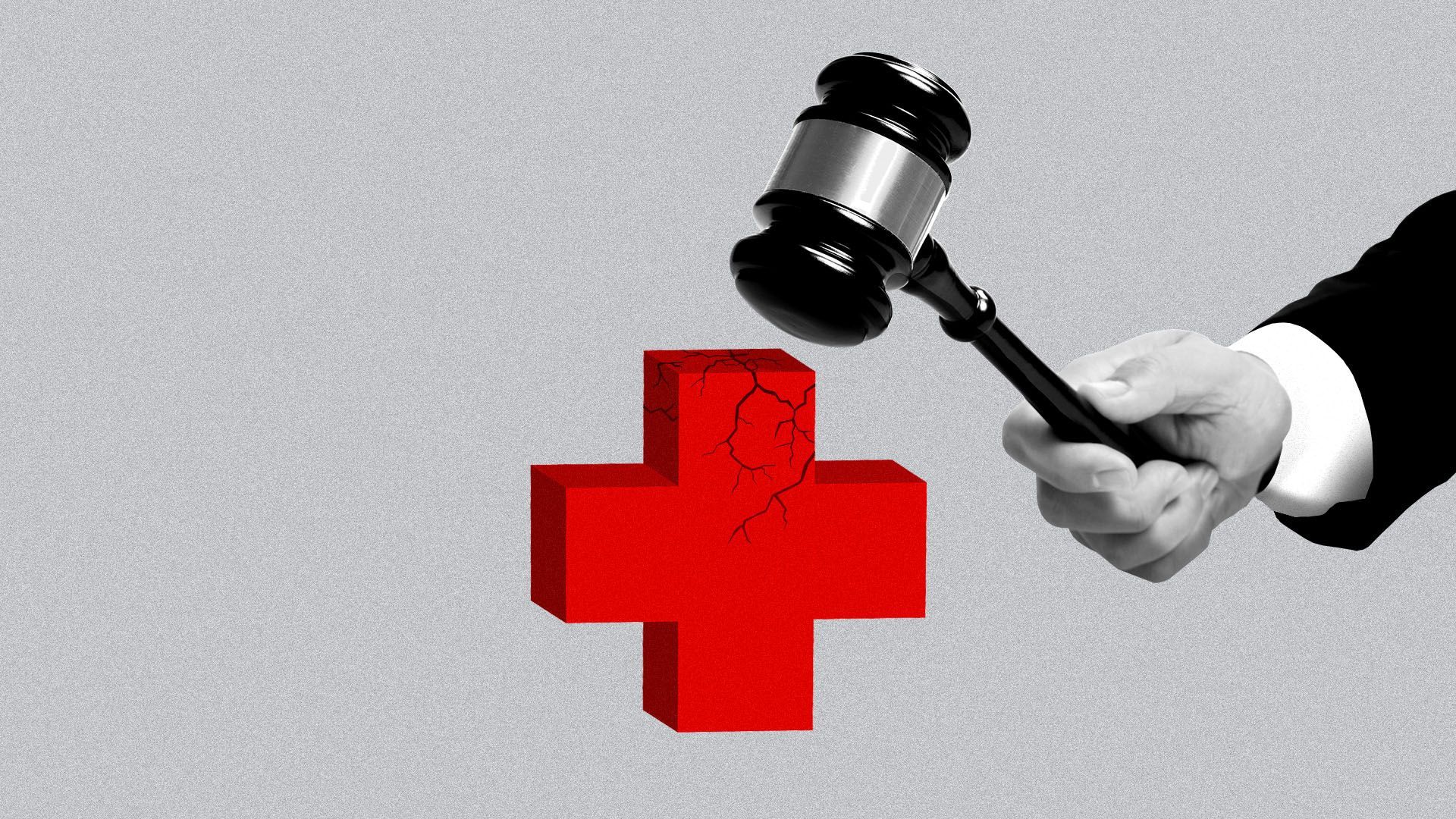
The Alabama Supreme Court's ruling that frozen embryos are children creates new legal murkiness around in vitro fertilization.
Why it matters: The ruling, the first time a court has recognized frozen embryos as human beings, raises vast legal questions in the post-Roe landscape, including how and if leftover embryos can ever be disposed of.
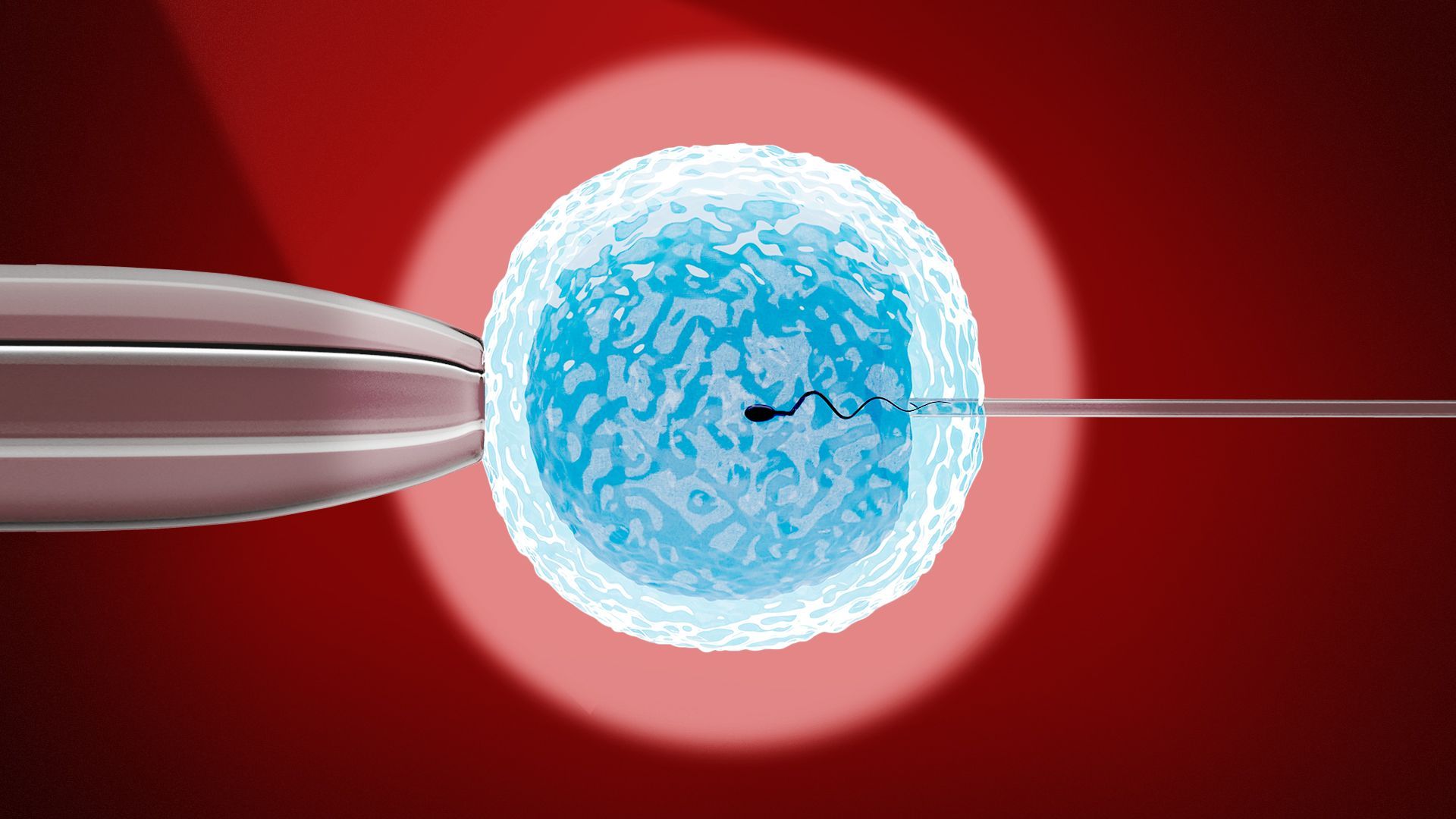
Doctors and patientsare alreadyrethinking fertility treatments after the Alabama Supreme Court ruled last week that frozen embryos should receive legal protections as "unborn life."
Driving the news: The University of Alabama at Birmingham paused in vitro fertilization treatments, citing "the potential that our patients and our physicians could be prosecuted criminally or face punitive damages for following the standard of care."
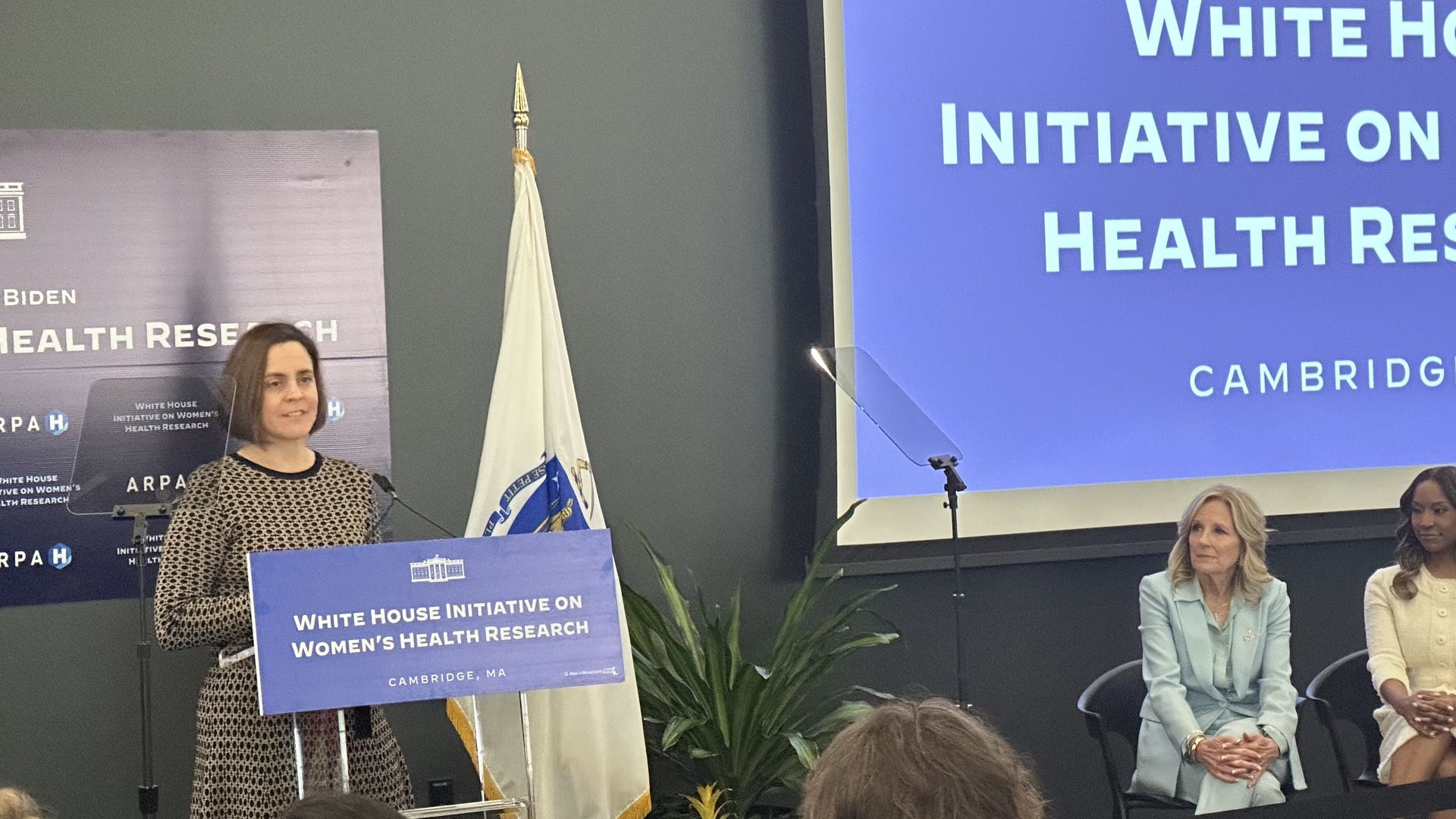
The Biden administration pledged to invest $100 million for women's health research, First Lady Jill Biden announced Wednesday.
Why it matters: The investment is part of federal efforts to close gender gaps in research, which supporters say have led to insufficient funding for endometriosis, MS and other conditions that disproportionately affect women.
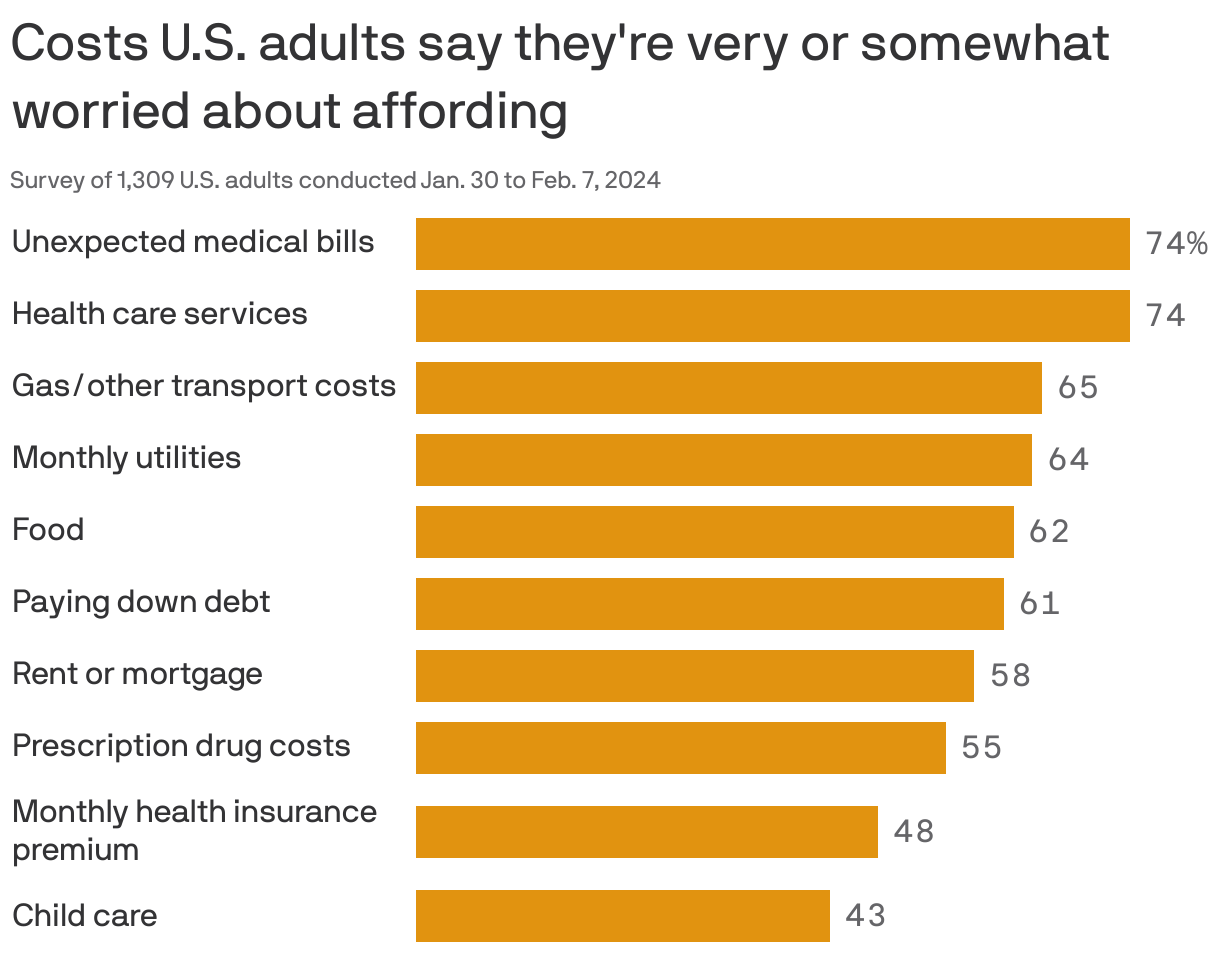
Data: KFF; Note: A subset of 1,175 respondents with health insurance were asked about their worries with affording monthly health insurance premium; Chart: Axios Visuals
The ability to cover an unexpected medical bill or the cost of health care services tops U.S. adults' financial concerns, outranking worries over routine costs.
The big picture: That's according to a new KFF poll that also finds about half of voters say health care costs are a major reason for their negative view of the economy, though bigger factors were everyday expenses, inflation and housing costs.
A new class of cancer treatmentsthat harness the body's immune system to fight tumors is being hailed as the biggest thing in oncology since CAR-T revealed the promise of cell therapy more than a decade ago.
But with price tags of hundreds of thousands of dollars, the drugs raise familiar concerns about affordability and access.
Millions of childhood asthma attacks would be avoided and hundreds of infant lives saved by 2050 if the U.S. transitioned entirely to electric vehicles (EVs) powered by renewable energy, according to new research from the American Lung Association (ALA).
Why it matters: Children are especially vulnerable to air pollution and the effects of climate change because their bodies are still developing and they typically spend more time outdoors than adults, according to the ALA.