When physicians use artificial intelligence tools with baked-in systemic bias to help figure out what's wrong with patients, it's perhaps little surprise they're apt to make less accurate diagnoses.
But a common safeguard against potential bias — transparency about how the AI came to form its predictions — doesn't help mitigate that problem, a new JAMA study finds.
Why it matters: With AI poised to play a greater role in diagnosis and treatment, there's growing emphasis on rooting out models developed with faulty assumptions.
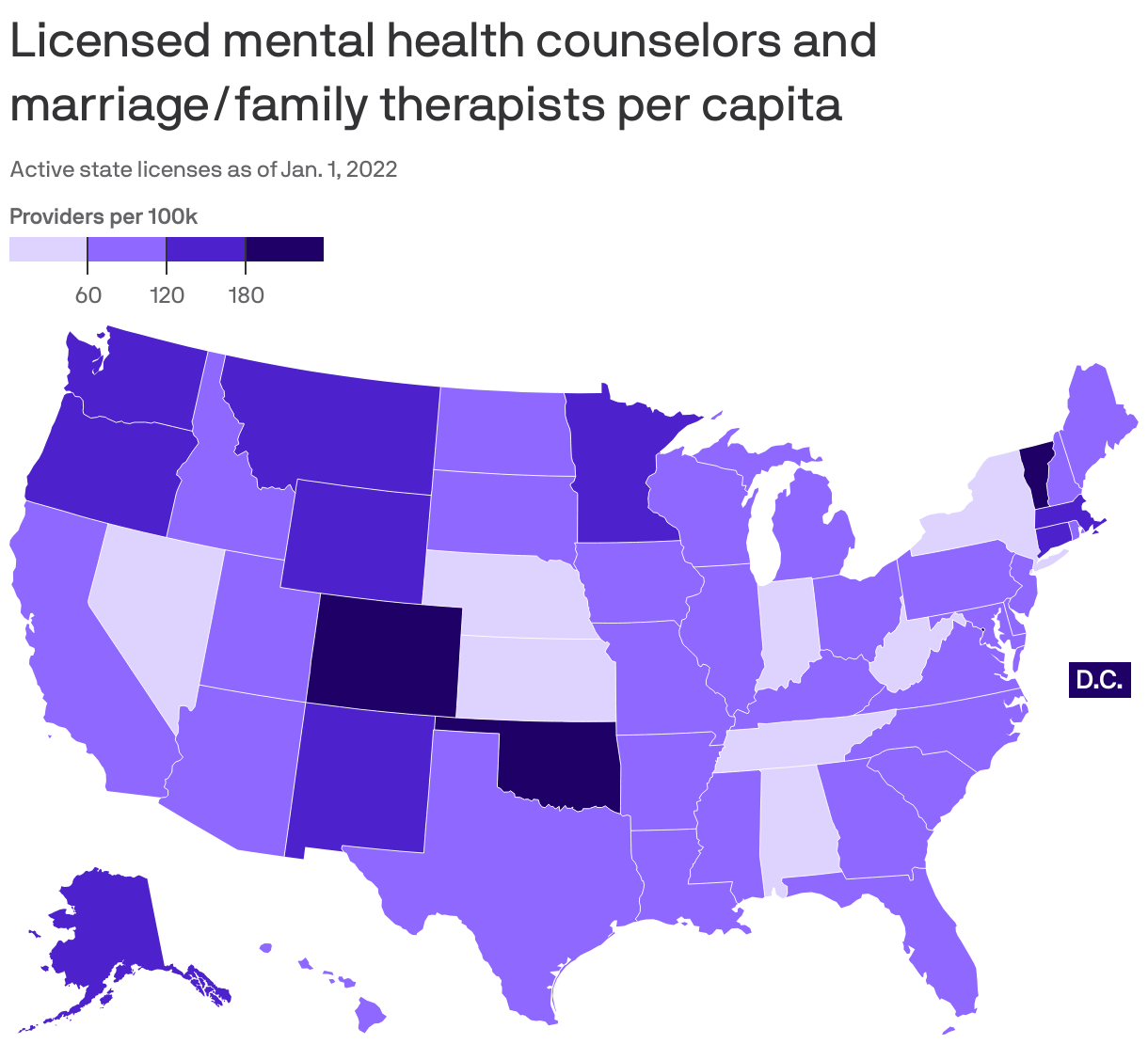
The largest expansion of Medicare's mental health services in a generation can provide a critical lifeline to America's seniors — if enough providers sign up.
Why it matters: Starting Jan. 1, some 400,000 marriage and family therapists and mental health counselors for the first time can accept Medicare payment, following years of advocacy and amid a mental health crisis that has weighed heavily on seniors.
Rite Aid will be banned from using AI-powered facial recognition technology for five years under a proposed settlement of Federal Trade Commission charges, the FTC announced Tuesday.
Why it matters: The FTC alleged in a complaint Tuesday that the pharmacy retail chain failed to implement reasonable procedures in hundreds of stores and prevent harm to consumers with what the agency called Rite Aid's "reckless" use of facial recognition technology that it said "disproportionately impacted people of color."
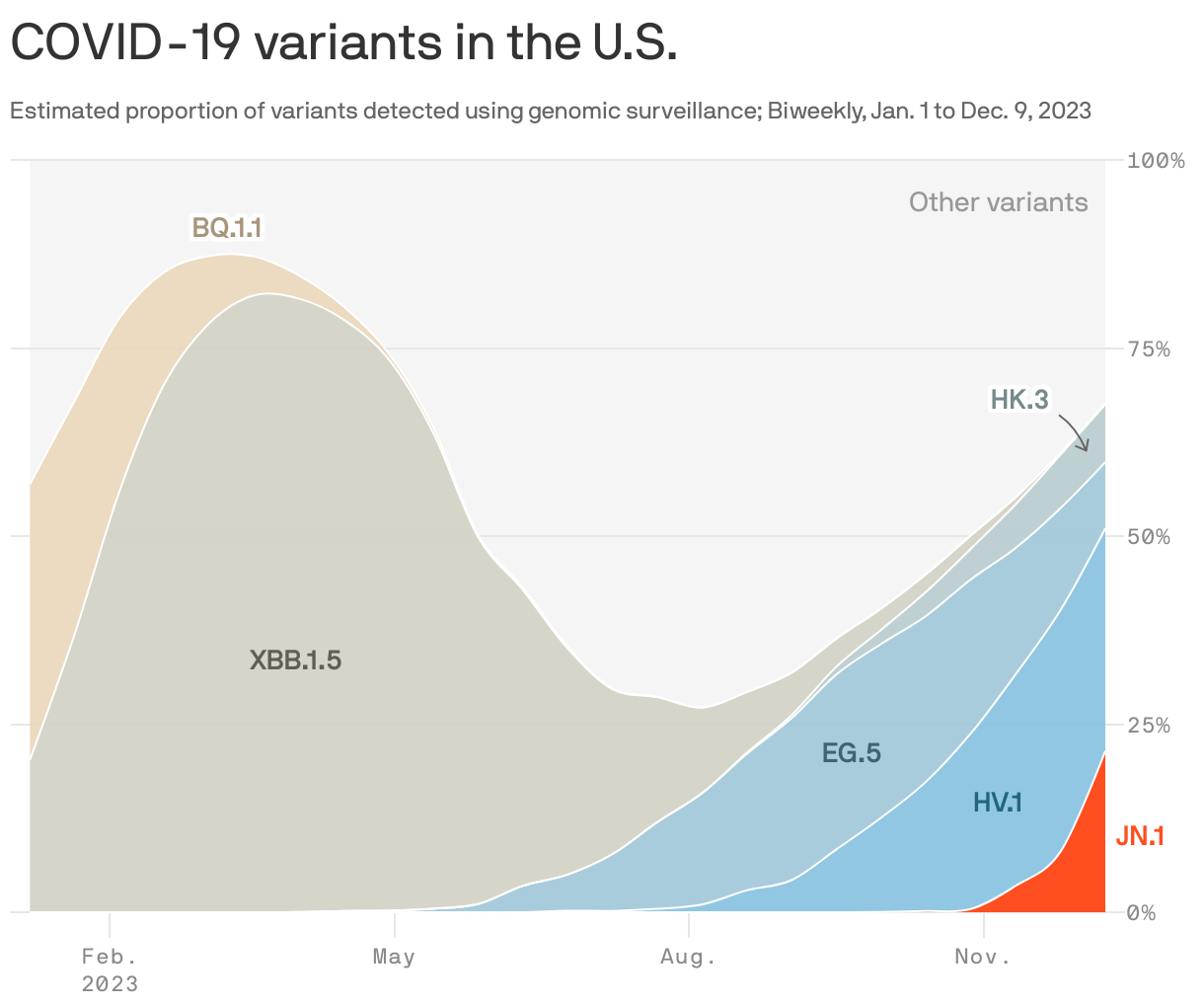
A fast-spreading new COVID-19 variant called JN.1 could drive a new wave of disease across the U.S. this holiday season just as other respiratory viruses are cresting, experts say.
The big picture: While the situation isn't as dire as last year, when a "tripledemic" of respiratory diseases swamped hospitals, JN.1 cases have more than doubled since mid-November and now account for 1 in 5 new infections, according to the Centers for Disease Control and Prevention.
The humble toothbrush could prove to be a life-saver for patients in intensive care who are at serious risk of getting hospital-acquired pneumonia, according to a new analysis in JAMA Internal Medicine.
Why it matters: Hospital-acquired pneumonia is among the most common and deadly health care-associated infections and is thought to be triggered by microorganisms released into saliva that make it into patients' airways.
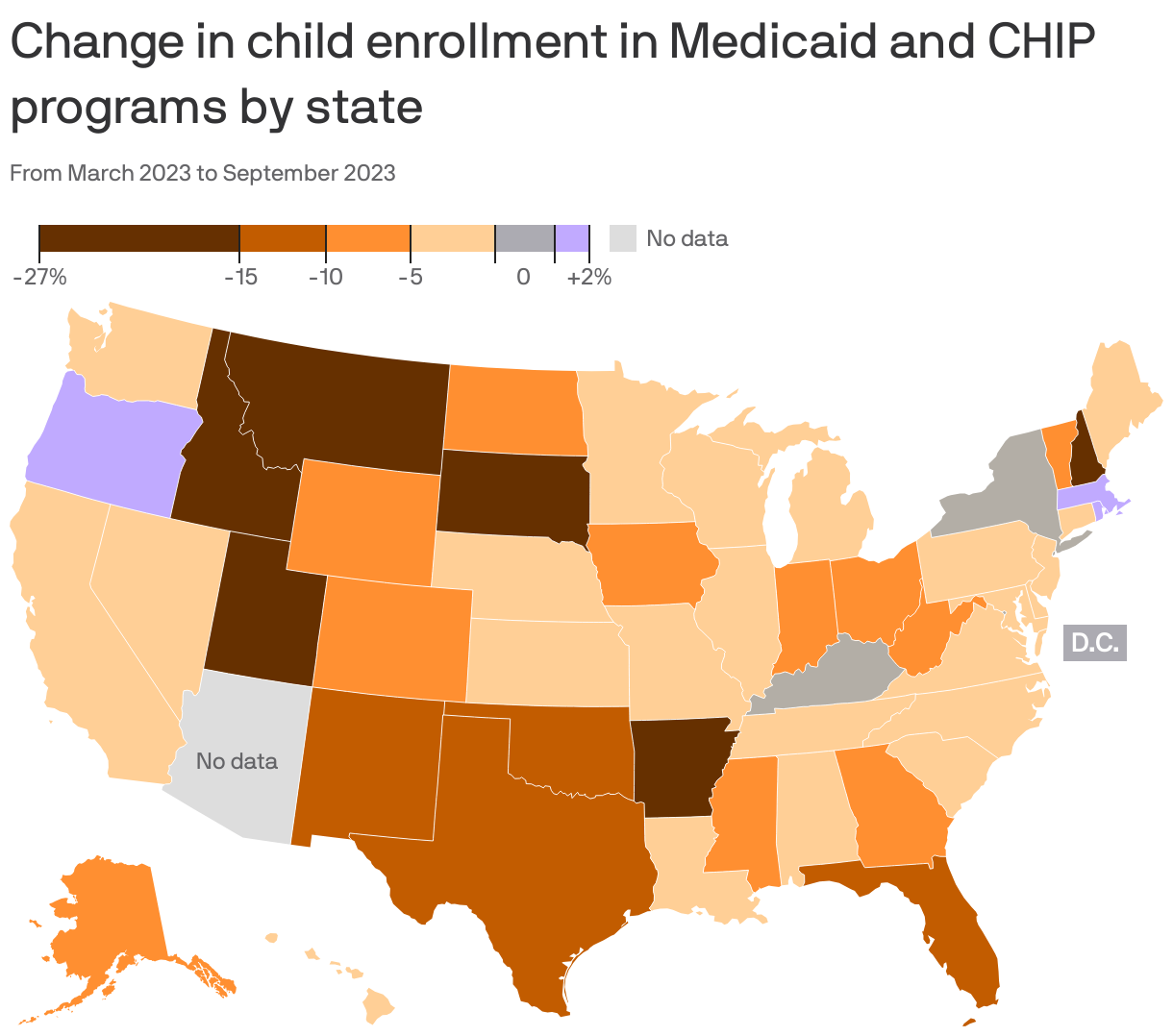
Data: Centers for Medicare and Medicaid Services; Map: Danielle Alberti/Axios
Sixty percent of kids who have lost Medicaid coverage this year came from just nine states, all of which are Republican-led, according to new data from the Biden administration.
Driving the news: And the 10 states refusing the Affordable Care Act's expansion of Medicaid to low-income adults have disenrolled more kids than all of the expansion states combined, the administration also reported.
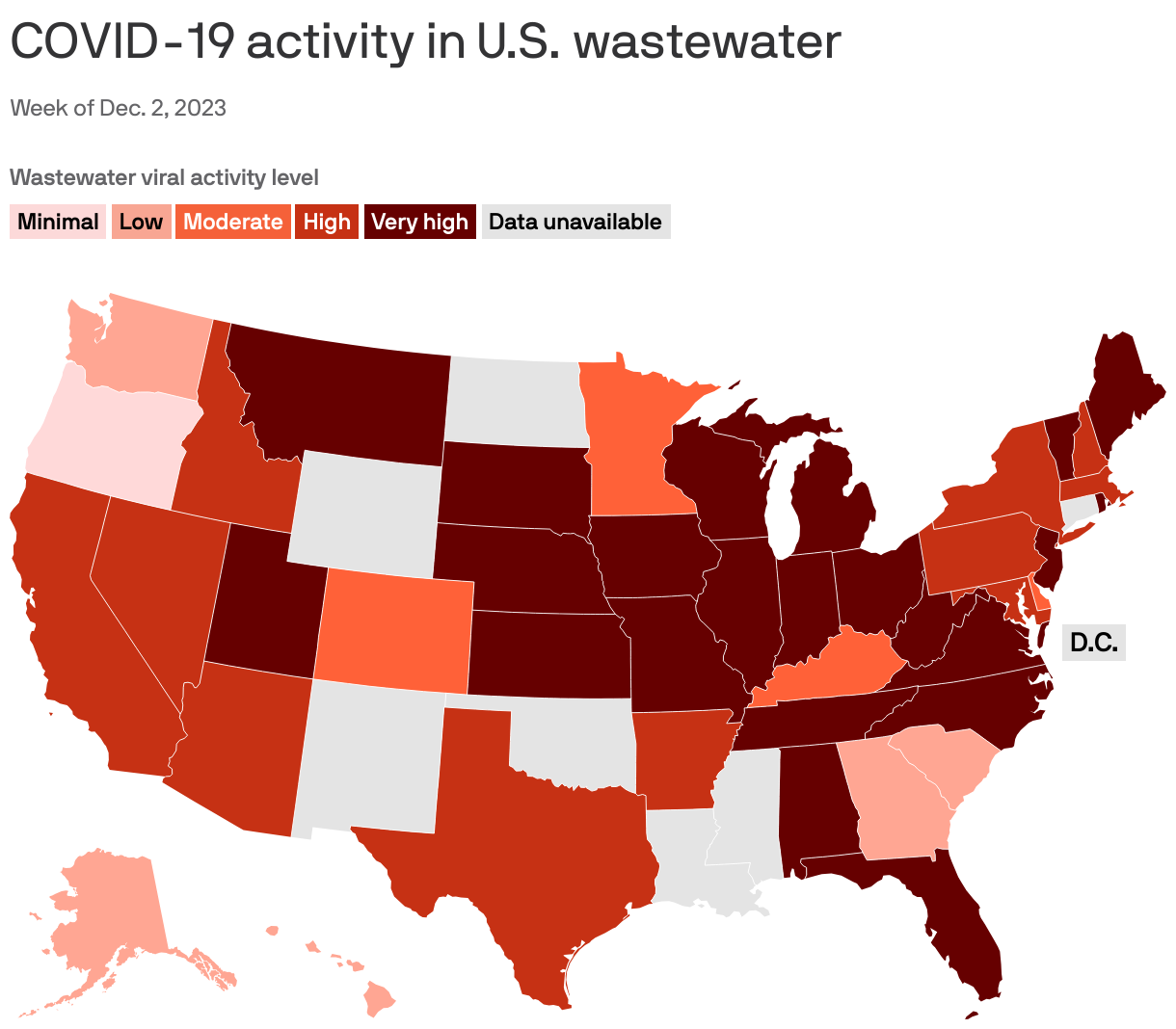
Wastewater analysis sites nationwide are showing high levels of COVID-19 as we head into the holiday travel season, per the latest CDC data.
Almost every state reporting such data is showing at least "high" levels compared to baseline trends, with many reporting "very high" levels, as defined by the CDC.
The new highly effective class of anti-obesity drugs has often been talked about as an alternative to bariatric surgery — but medications like Wegovy are increasingly being paired with the procedure.
Why it matters: While surgeons say the drugs can especially help people with severe obesity maintain weight loss after surgery, the combination presents a pricey scenario for insurers already grappling with the cost of the drugs alone.