When physicians use artificial intelligence tools with baked-in systemic bias to help figure out what's wrong with patients, it's perhaps little surprise they're apt to make less accurate diagnoses.
But a common safeguard against potential bias — transparency about how the AI came to form its predictions — doesn't help mitigate that problem, a new JAMA study finds.
Why it matters: With AI poised to play a greater role in diagnosis and treatment, there's growing emphasis on rooting out models developed with faulty assumptions.
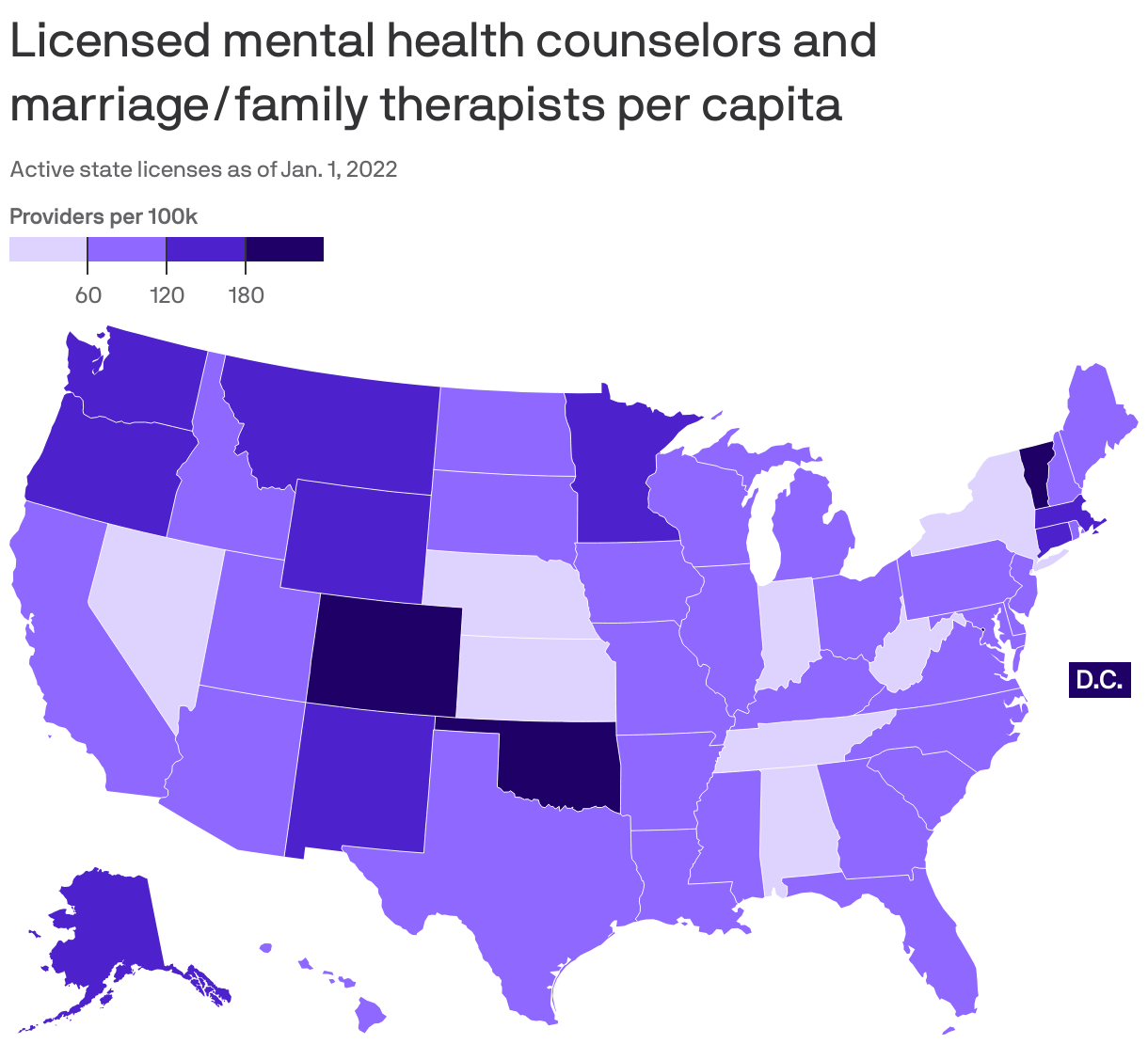
The largest expansion of Medicare's mental health services in a generation can provide a critical lifeline to America's seniors — if enough providers sign up.
Why it matters: Starting Jan. 1, some 400,000 marriage and family therapists and mental health counselors for the first time can accept Medicare payment, following years of advocacy and amid a mental health crisis that has weighed heavily on seniors.
Rite Aid will be banned from using AI-powered facial recognition technology for five years under a proposed settlement of Federal Trade Commission charges, the FTC announced Tuesday.
Why it matters: The FTC alleged in a complaint Tuesday that the pharmacy retail chain failed to implement reasonable procedures in hundreds of stores and prevent harm to consumers with what the agency called Rite Aid's "reckless" use of facial recognition technology that it said "disproportionately impacted people of color."