The Food and Drug Administration is poised to move forward with a long-awaited ban on menthol cigarettes, a move hailed by public health groups who say it will especially improve the health of Black communities and prevent young people from taking up smoking.
Why it matters: Menthol products account for more than a third of tobacco sales in the United States, and tobacco companies have been accused of heavily marketing them to Black communities — contributing to health disparities and making it harder for Black people to quit smoking, according to the CDC.
The former Florida lawmaker who sponsored the state's controversial "Don't Say Gay" bill was sentenced to four months in federal prison on Thursday.
Driving the news: Former state Rep. Joe Harding (R-Williston) pleaded guilty in March to wire fraud, money laundering and making false statements related to COVID-19 relief funds, according to the Department of Justice.
Gov. Sarah Huckabee Sanders signed an executive order Thursday banning the use of terms like "pregnant person" and "chestfeeding" in state government documents. The terms are to be replaced with "pregnant woman" and "breastfeeding."
The big picture: Legislatures in all but two states introduced more than 500 bills during the 2023 session targeting the LGBTQ+ community, according to the American Civil Liberties Union.
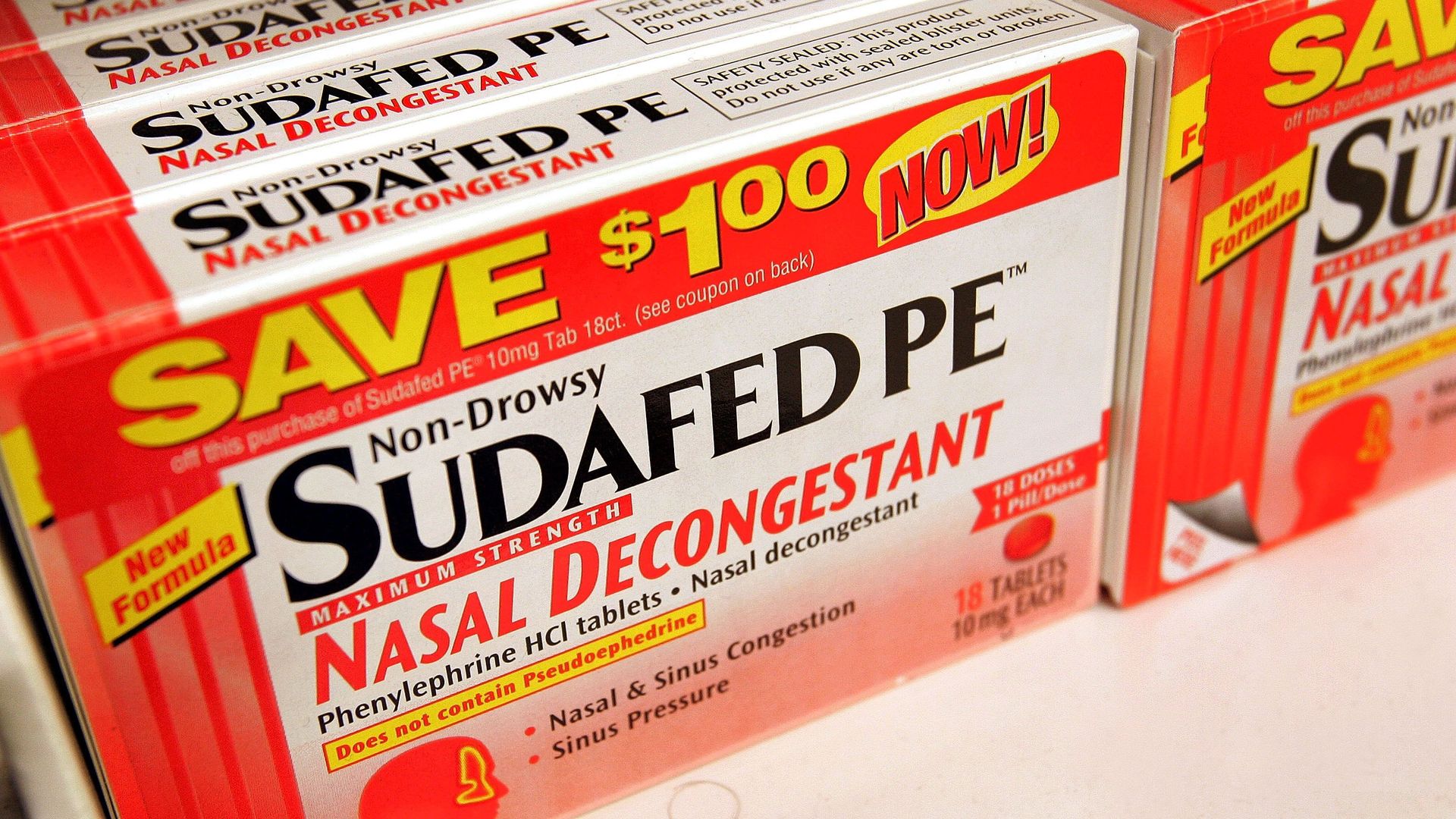
CVS Health will voluntarily remove from its shelvessome common decongestants that contain phenylephrine as the only active ingredient, one month after federal drug advisers concluded its oral formulations were ineffective.
The big picture: The decision by one of the nation's largest pharmacy chains is the first major sign of fallout from the recent FDA review of the ingredient.
Four big drug companies are joining with a historically Black medical school to build a database of genetic information from a half-million people of African ancestry that could help address health inequities.
Why it matters: African Americans have been historically underrepresented in scientific and medical research, and account for less than 2% of the known genetic information being studied today.
A Medicare proposal to help alleviate major shortages of cancer drugs and other essential medicines could disadvantage facilities serving vulnerable populations and instigate new supply issues, experts and hospital groups say.
Why it matters: Over 300 drugs have been in shortage this year, nearly the highest amount in a decade, and many health care providers report having to ration drugs or medical equipment in short supply. Despite heightened attention on the issue in Washington, there are few easy fixes.