Climate anxiety is an increasingly accepted phenomenon that many psychologists and therapists are tailoring their practices to treat.
The big picture: The symptoms are especially prevalent among young people, and while it's not treated as an official clinical diagnosis, it can be debilitating at times, mental health professionals tell Axios.
Climate change is scrambling the way we fight infectious diseases and adding a stealthy public health threat to the heat waves, droughts, wildfires and other physically observable hazards.
By the numbers: In a study of 375 infectious diseases, 58% have at some point been aggravated by climatic hazards, researchers wrote last month in the scientific journal Nature Climate Change.
The combination of extreme heat and air pollution is extremely lethal, and this noxious mix is likely to become more common as global warming worsens.
The big picture: It has long been known that particulate pollution emitted from car tailpipes, factories and power plants can aggravate chronic health problems and prove deadly. Add extreme heat, and the threat is especially dangerous.
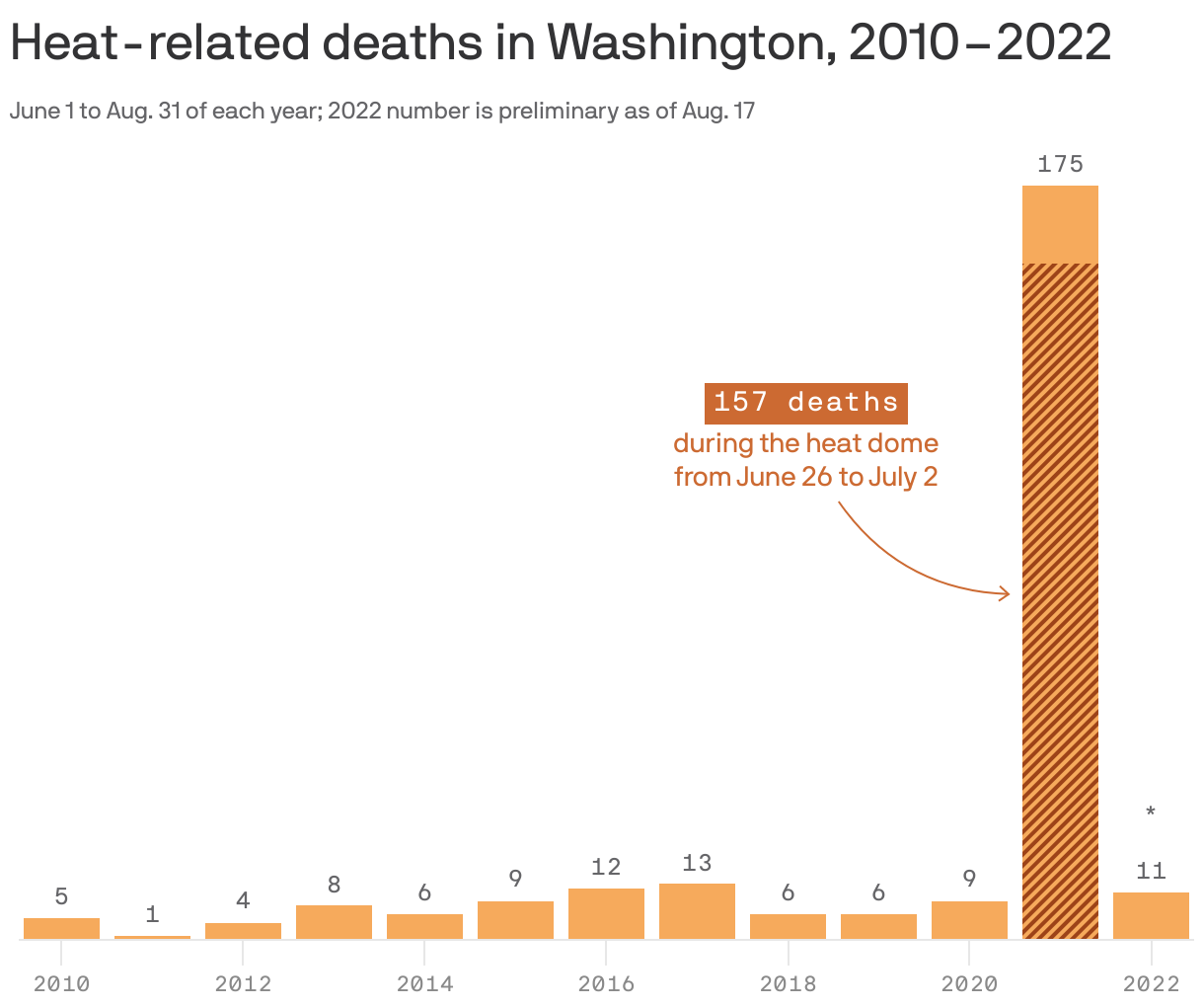
Data: Washington State Department of Health; Chart: Kavya Beheraj/Axios
A 2021 heat wave that killed at least 157 people in Washington state drove home why even regions accustomed to fresh air and moderate temperatures need to calibrate their public health efforts to confront extreme climate events.
Why it matters: The dual threats of extreme heat and smoke from wildfirescan be fatal in places where many households lack air conditioning, or they could worsen chronic heart and lung diseases.
The world is facing a climate change-fueled health crisis — from increased emergency department visits due to heatstroke, exacerbated asthma and even heart attacks to injuries and illness linked to severe storms.
Why it matters: The growing threats to human health only promise to get more complex and expensive, and health systems have to make major changes to how they prepare for those threats, experts say.
Good afternoon, and welcome to our Climate Truths Deep Dive series. Today we're exploring the health care impact of climate change, and how the health care industry and emergency management officials are responding.
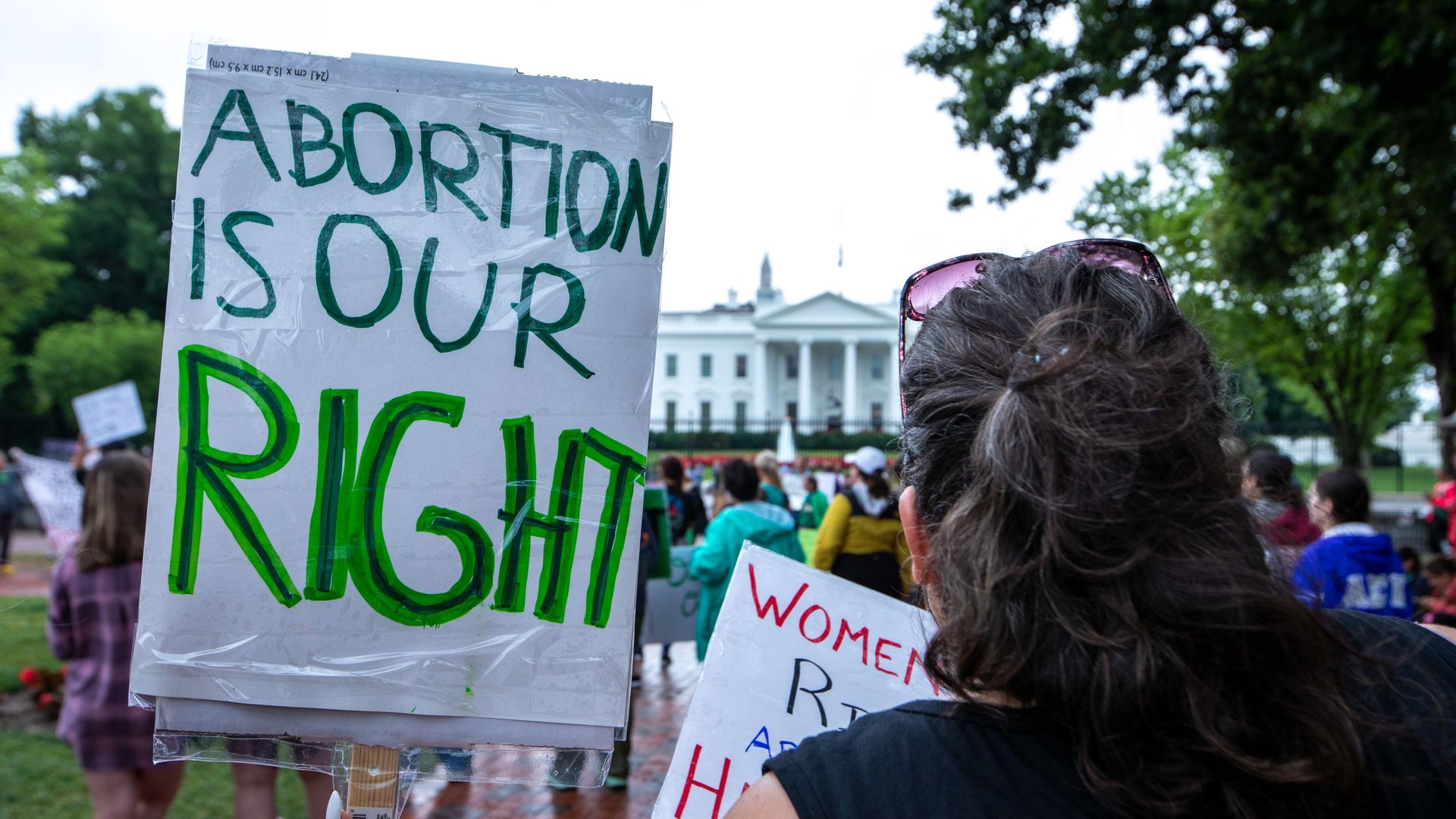
West Virginia Gov. Jim Justice (R) on Friday announced that he has signed into law a near-total abortion ban that is now enforceable in the state.
Driving the news: The law bans abortion except in cases of "medical emergency," or in cases of rape or incest, as long as the incident has been reported to law enforcement at least 48 hours before the procedure.
A House oversight committee is asking for a federal investigation of the largest U.S. hospital chain and its admissions practices amid allegations of widespread fraud.
Driving the news: Rep. Bill Pascrell (D-N.J.), chair of the House Ways and Means oversight subcommittee, this week asked the HHS to look into HCA Healthcare’s emergency department admissions.
The Centers for Disease Control and Prevention on Thursday launched a pilot program to set aside up to 50,000 doses of JYNNEOS monkeypox vaccine for groups disproportionately affected by the outbreak who've faced barriers accessing the shots.
The big picture: White men have received more than twice as many doses as either Hispanic or Black men who account for the majority of confirmed monkeypox cases.
As the pandemic winds down and people try to quit the drinking habits that may have crept up on them, the "soberversary" is emerging as a new holiday-esque milestone — complete with greeting cards, cheekily-worded coffee mugs and a growing social media presence.
Why it matters: Getting sober and staying sober are significant achievements that too many people feel compelled to hide because of the ongoing stigma of alcohol addiction.
America's epidemic of overdose deaths tied to fentanyl is posing a growing threat to teens — and as they return to school, officials warn they may more frequently encounter the drug disguised in unexpected forms.
Driving the news: A teenage girl died and three others were hospitalized this week after overdosing at their Hollywood high school from what they thought were Percocet pills, the L.A. Times reported.
A Montana state judge on Thursday blocked a 2021 state law that would have barred transgender people from changing the gender listed on their birth certificate unless they have undergone gender-affirming surgery.
Driving the news: The judge ordered the Montana Department of Health and Human Services to reinstate a 2017 rule that said that a person could modify their birth certificate by presenting an affidavit or a form indicating that a person had transitioned — no surgery required, per court documents.