Nearly half of all drugs launched in the last two years initially cost above $150,000 a year, according to new research that's landing as Congress renews discussions about drug price controls.
Why it matters: The "exponential" growth during the pandemic offers more stark evidence of how pharmaceutical companies raised costs in the face of lawmakers' vows to enact price controls and even add them to COVID relief packages.
After deadlocking on the issue earlier this year, the Federal Trade Commission is launching an inquiry into the business practices of pharmacy benefit managers (PBMs) and how they influence drug prices and the pharmacy business.
The big picture: The prescription drug middlemen have been an increasingly prominent target of finger-pointing as players up and down the drug supply chain try to pass off blame for rising drug costs.
Six months after a federal price transparency rule went into effect in 2021, adherence to the rule by hospitals was low, according to new research published in JAMA on Tuesday.
Zoom in: Starting Jan. 1, 2021, the rule required hospitals to disclose five types of standard charges for all services in an accessible file, and have a consumer-friendly display for at least 300 shoppable services.
Three Texas families have filed a lawsuit demanding that a court block state investigations against them for supporting their transgender kids with gender-affirming care.
Driving the news: The Texas Supreme Court said last month state agencies could, but were not required to, continue investigating parents for child abuse if they seek gender-affirming care for transgender kids, under a directive Gov. Greg Abbott (R) issued in February.
The World Health Organization said Wednesday it does not recommend mass vaccination against monkeypox, as global cases of the virus surpass 1,000.
Why it matters: Some countries have started to use smallpox vaccines to protect those exposed to monkeypox, and the U.S. has been shipping vaccines to multiple states to prevent the spread of the virus.
Health advocates say it's time to develop more preventative measures to curb the increasing rate of fatty liver disease among U.S. Latinos
Why it matters: The myth that cirrhosis is a disease related to alcoholism, and the associated stigma, have contributed to less research, advocates tell Axios.
Moderna said Wednesday that preliminary data show that its bivalent COVID-19 vaccine booster gives a "superior antibody" response against the Omicron variant.
Driving the news: The bivalent booster candidate generated an eight-fold increase in immunization against Omicron, Moderna said.
There's a growing effort to name and categorize heat waves the way we do hurricanes — to call attention to their significance, alert people to dangerous temperatures and prod public officials into action.
Why it matters: Heat waves are the deadliest type of weather emergency in the U.S. They're bigger killers than floods, tornadoes or hurricanes — and they're growing in frequency and intensity due to global warming.
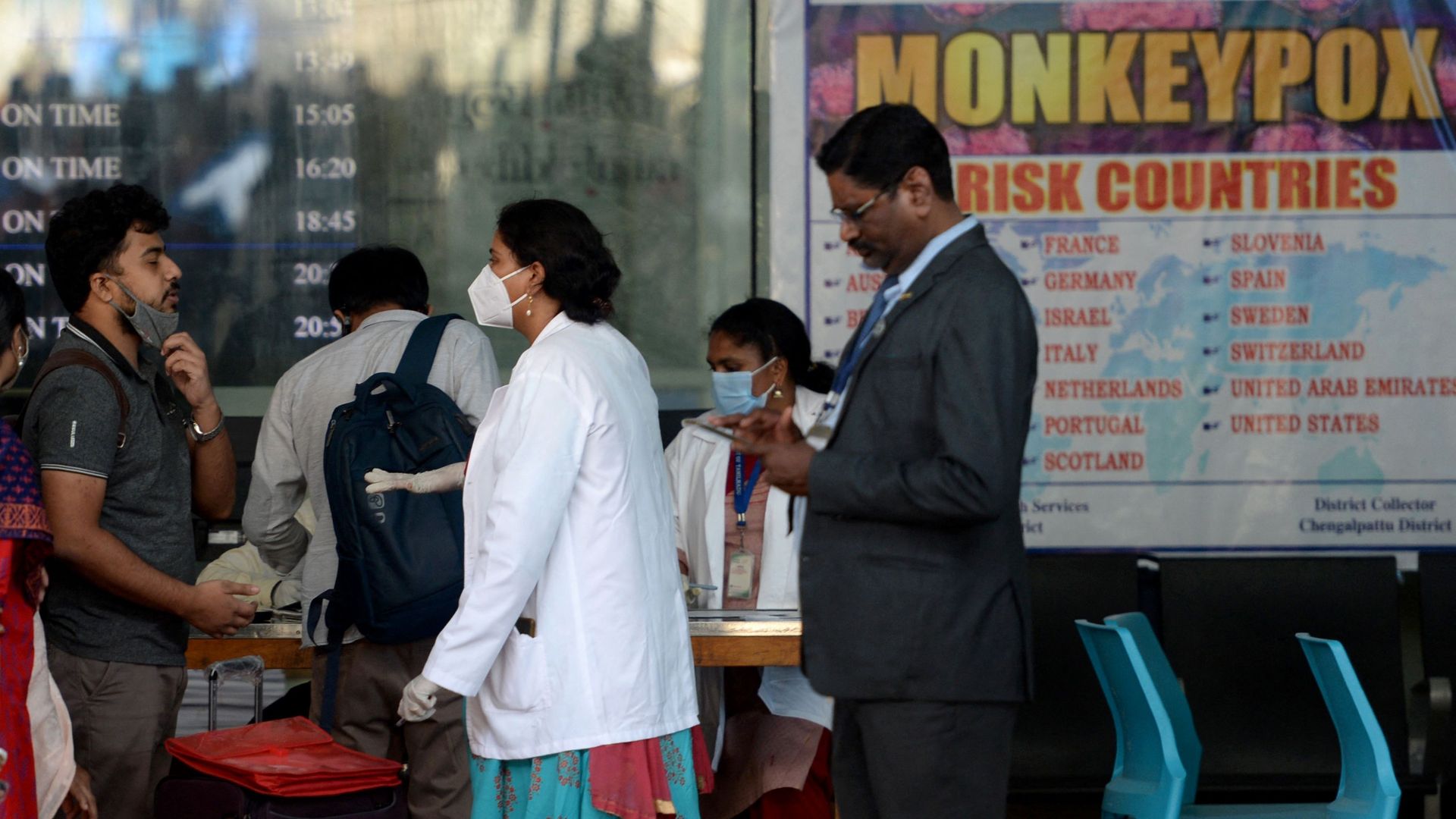
The Centers for Disease Control and Prevention's current monkeypox guidance stands at "level 2," suggesting travelers take enhanced precautions to stay safe as global cases surpass 1,000.
Why it matters: A "level 2" alert is the second-highest travel advisory alert level from the CDC. A "level 3" alert would caution travelers to "avoid nonessential travel" altogether.
A key FDA advisory panel on Tuesday recommended an emergency authorization of Novavax’s COVID vaccine for use in adults 18 and older, boosting prospects for one of America's first big bets under Operation Warp Speed.
Why it matters: The 21-0 vote with one abstention marks a win for the Maryland biotech, which is trying to position its shot as a booster for the vaccinated and an alternative first-line defense for people who've refused mRNA shots.
Consumer groups are pushing back against a Biden administration proposal that would block public access to key hospital safety data such as infection rates, falls and incidence of bed sores.
Driving the news: Medicare is accepting comments from the public through June 17 on the rule, saying it is proposing the data suppression "due to the impact of the COVID-19 [public health emergency.]"
Bicycle Health, a start up focused on virtual treatment for opioid addiction, raised a $50 million Series B round, founder and CEO Ankit Gupta tells Axios exclusively, bringing the company's total funding to $83 million.
Why it matters: New data suggest a 15% rise in opioid overdose deaths during the pandemic, and research shows the drugs meant to treat it aren't reaching those most in need. Enter Boston-based Bicycle Health, whose purely virtual offering affords patients a key benefit that in-person options can't: Anonymity.
"Over and over what comes up [among patients] is the shame — people don't want to talk to their primary care provider, they don't want to talk to their partner," says Gupta.
Context: The vast majority of people with an opioid use disorder are not receiving medication-assisted treatment, which significantly curbs overdose risk.
Details: InterAlpen Partners led the round, and insiders Questa Capital, Frist Cressey Ventures and City Light Capital also participated.
How it works: Bicycle enters into value-based contracts with health plans and offers a $199 per month direct-to-consumer option.
After a free consultation, Bicycle members are matched with a provider who builds a personalized treatment plan and, if appropriate, prescribes medication.
Bicycle also offers online group support and measures patients' progress with assessments including standard depression and anxiety questionnaires.
What they're saying: Because it's entirely digital, Bicycle may help people avoid the stigma linked with getting treated for opioid use disorder, academics and investors tell Axios.
"Virtual treatment affords patients anonymity and can lower cost of treatment," says Shivan Bhavnani, founder of the Global Institute of Mental and Brain Health Investment.
"Telehealth facilitates care for many patients who have difficulty attending in-person appointments due to logistical and psychological barriers," write researchers in a 2021 study in the Harm Reduction Journal.
The other side: There are challenges linked with treating addiction virtually, from reaching people in areas without stable internet to ensuring people are receiving full wraparound care.
"There is skepticism among traditional addiction specialists regarding the long-term efficacy of the fully virtual model," says Bhavnani.
The bottom line: While it remains unclear whether a hybrid or fully-virtual model is best for addiction treatment, one thing is clear: More options are sorely needed.
"We’re building a network effect, a movement," says Gupta.
Physicians are trying to sink a bill due to be taken up on the House floor on Tuesday that would allow federal employees to get work-related injuries diagnosed and treated by nurse practitioners and physician assistants.
The big picture: So-called scope of practice fights have intensified during the pandemic as emergency powers let medical providers who were not doctors provide more services.
With31 monkeypox cases confirmed in12states and the District of Columbia and growing concern about community spread, federal and state public health officials are turning to a frayed page in the pandemic playbook: Using contact tracing to track exposure risk.
Why it matters: Contact tracing proved an ineffective tool for an airborne virus like COVID-19 with a short incubation period, but monkeypox is different.
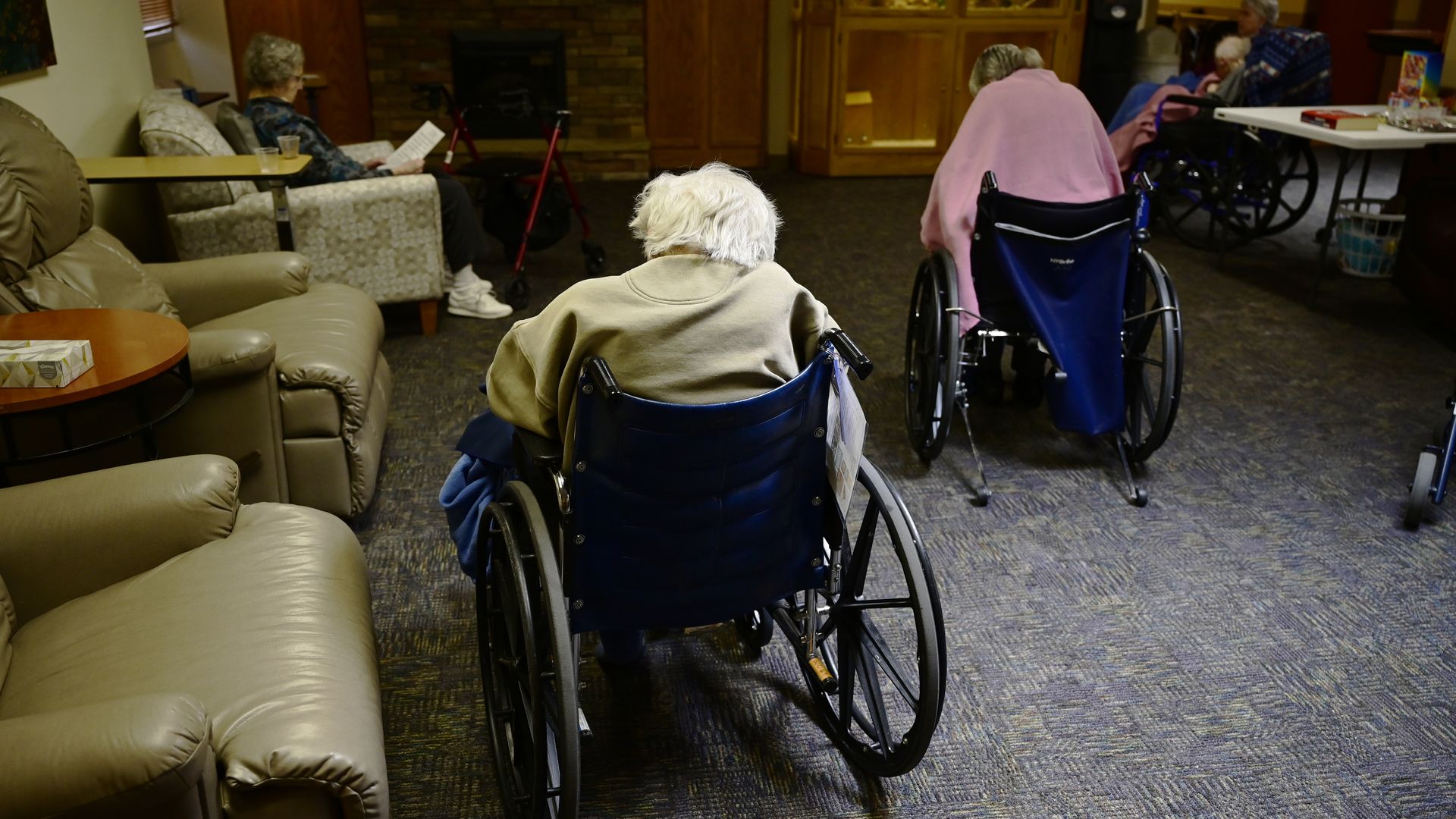
Nursing homes across the U.S. are facing closure risks amid staff shortages and higher operating costs as the country emerges from the pandemic, according to a survey by the American Health Care Association released Monday.
Why it matters: Nearly 60% of nursing homes in the U.S. are operating at a financial loss and nearly three-quarters are concerned about possible closures due to staffing shortages, per the survey.