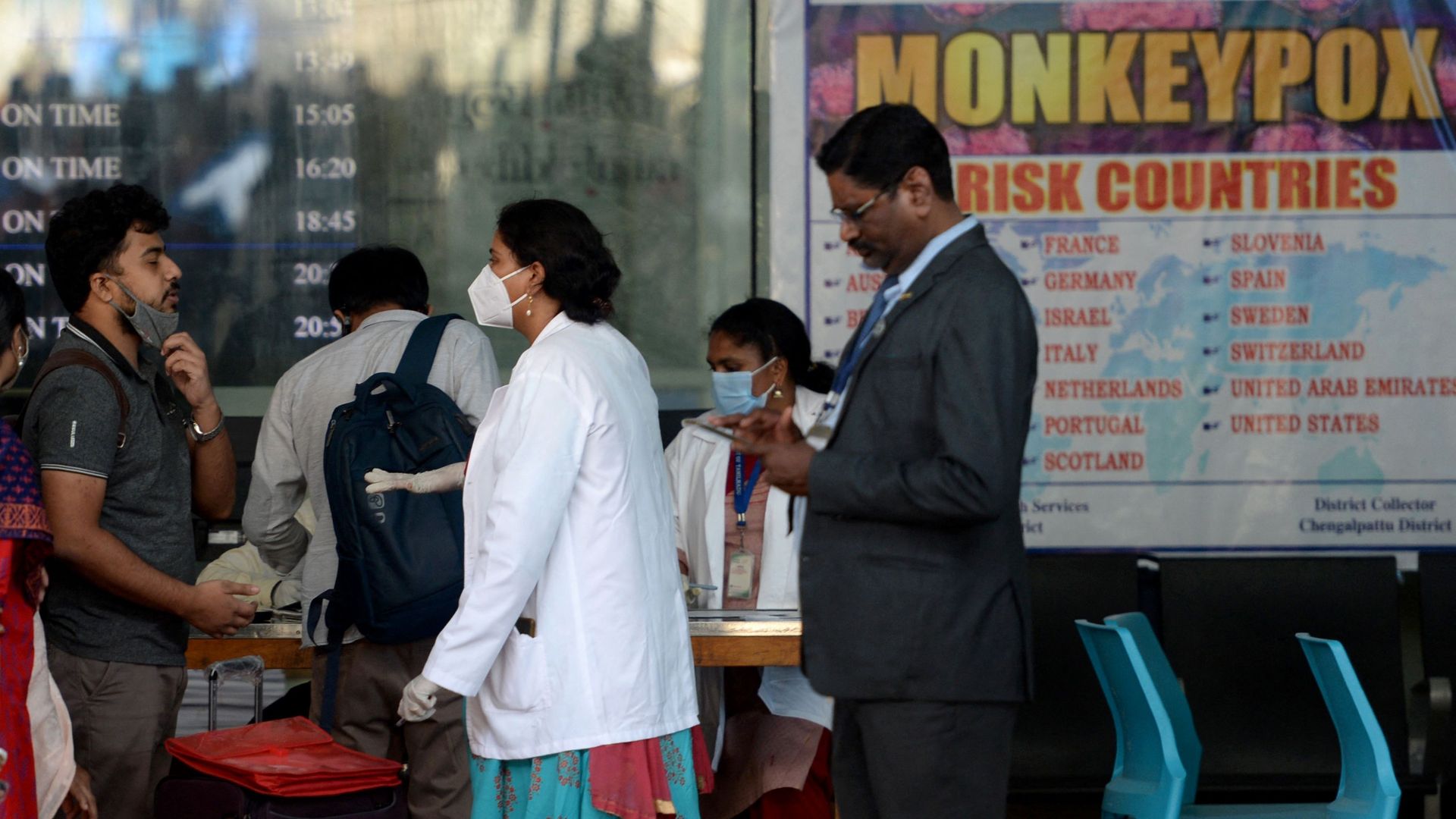
The Centers for Disease Control and Prevention's current monkeypox guidance stands at "level 2," suggesting travelers take enhanced precautions to stay safe as global cases surpass 1,000.
Why it matters: A "level 2" alert is the second-highest travel advisory alert level from the CDC. A "level 3" alert would caution travelers to "avoid nonessential travel" altogether.
A key FDA advisory panel on Tuesday recommended an emergency authorization of Novavax’s COVID vaccine for use in adults 18 and older, boosting prospects for one of America's first big bets under Operation Warp Speed.
Why it matters: The 21-0 vote with one abstention marks a win for the Maryland biotech, which is trying to position its shot as a booster for the vaccinated and an alternative first-line defense for people who've refused mRNA shots.
Consumer groups are pushing back against a Biden administration proposal that would block public access to key hospital safety data such as infection rates, falls and incidence of bed sores.
Driving the news: Medicare is accepting comments from the public through June 17 on the rule, saying it is proposing the data suppression "due to the impact of the COVID-19 [public health emergency.]"
Bicycle Health, a start up focused on virtual treatment for opioid addiction, raised a $50 million Series B round, founder and CEO Ankit Gupta tells Axios exclusively, bringing the company's total funding to $83 million.
Why it matters: New data suggest a 15% rise in opioid overdose deaths during the pandemic, and research shows the drugs meant to treat it aren't reaching those most in need. Enter Boston-based Bicycle Health, whose purely virtual offering affords patients a key benefit that in-person options can't: Anonymity.
"Over and over what comes up [among patients] is the shame — people don't want to talk to their primary care provider, they don't want to talk to their partner," says Gupta.
Context: The vast majority of people with an opioid use disorder are not receiving medication-assisted treatment, which significantly curbs overdose risk.
Details: InterAlpen Partners led the round, and insiders Questa Capital, Frist Cressey Ventures and City Light Capital also participated.
How it works: Bicycle enters into value-based contracts with health plans and offers a $199 per month direct-to-consumer option.
After a free consultation, Bicycle members are matched with a provider who builds a personalized treatment plan and, if appropriate, prescribes medication.
Bicycle also offers online group support and measures patients' progress with assessments including standard depression and anxiety questionnaires.
What they're saying: Because it's entirely digital, Bicycle may help people avoid the stigma linked with getting treated for opioid use disorder, academics and investors tell Axios.
"Virtual treatment affords patients anonymity and can lower cost of treatment," says Shivan Bhavnani, founder of the Global Institute of Mental and Brain Health Investment.
"Telehealth facilitates care for many patients who have difficulty attending in-person appointments due to logistical and psychological barriers," write researchers in a 2021 study in the Harm Reduction Journal.
The other side: There are challenges linked with treating addiction virtually, from reaching people in areas without stable internet to ensuring people are receiving full wraparound care.
"There is skepticism among traditional addiction specialists regarding the long-term efficacy of the fully virtual model," says Bhavnani.
The bottom line: While it remains unclear whether a hybrid or fully-virtual model is best for addiction treatment, one thing is clear: More options are sorely needed.
"We’re building a network effect, a movement," says Gupta.
Physicians are trying to sink a bill due to be taken up on the House floor on Tuesday that would allow federal employees to get work-related injuries diagnosed and treated by nurse practitioners and physician assistants.
The big picture: So-called scope of practice fights have intensified during the pandemic as emergency powers let medical providers who were not doctors provide more services.
With31 monkeypox cases confirmed in12states and the District of Columbia and growing concern about community spread, federal and state public health officials are turning to a frayed page in the pandemic playbook: Using contact tracing to track exposure risk.
Why it matters: Contact tracing proved an ineffective tool for an airborne virus like COVID-19 with a short incubation period, but monkeypox is different.
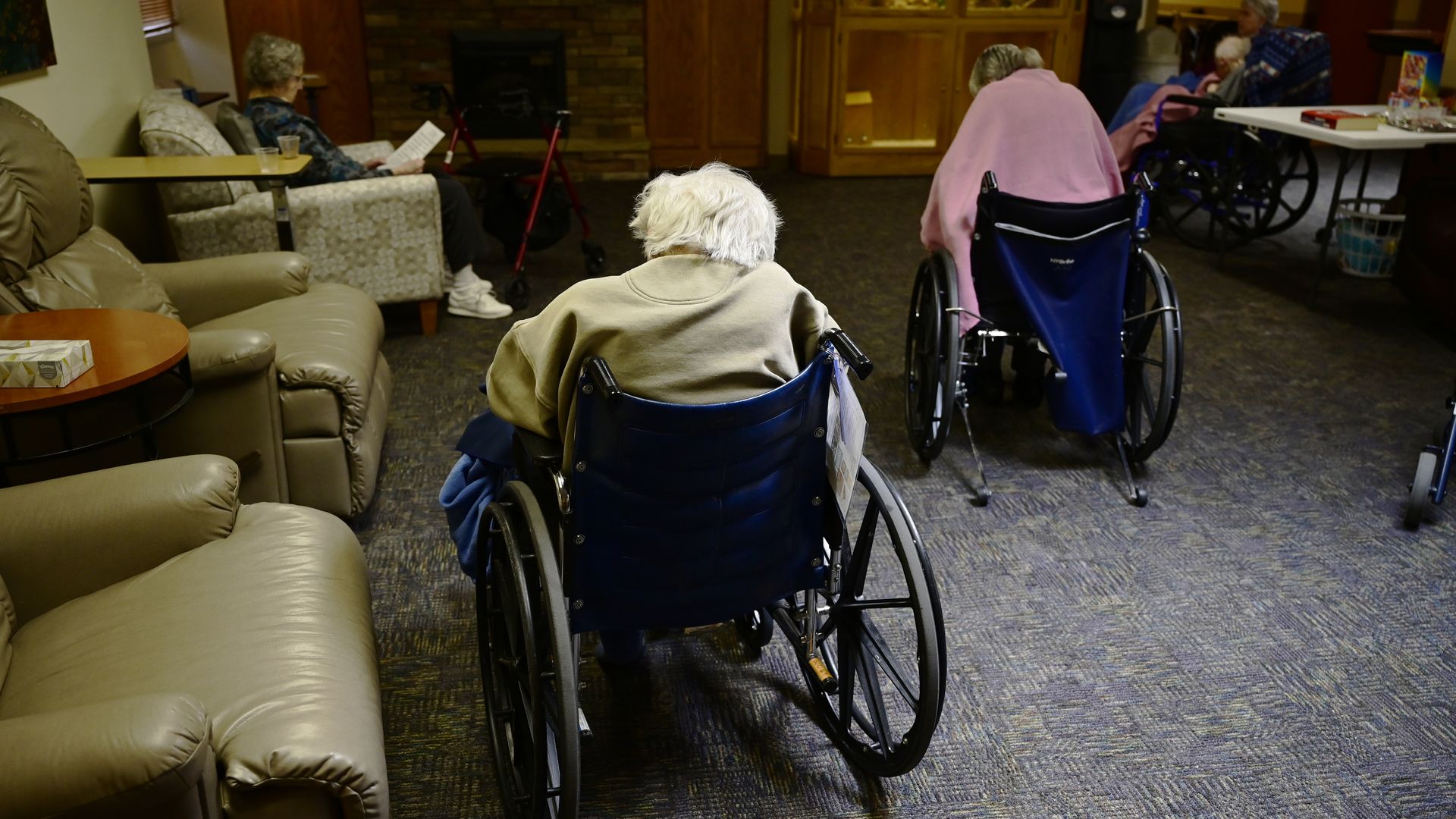
Nursing homes across the U.S. are facing closure risks amid staff shortages and higher operating costs as the country emerges from the pandemic, according to a survey by the American Health Care Association released Monday.
Why it matters: Nearly 60% of nursing homes in the U.S. are operating at a financial loss and nearly three-quarters are concerned about possible closures due to staffing shortages, per the survey.
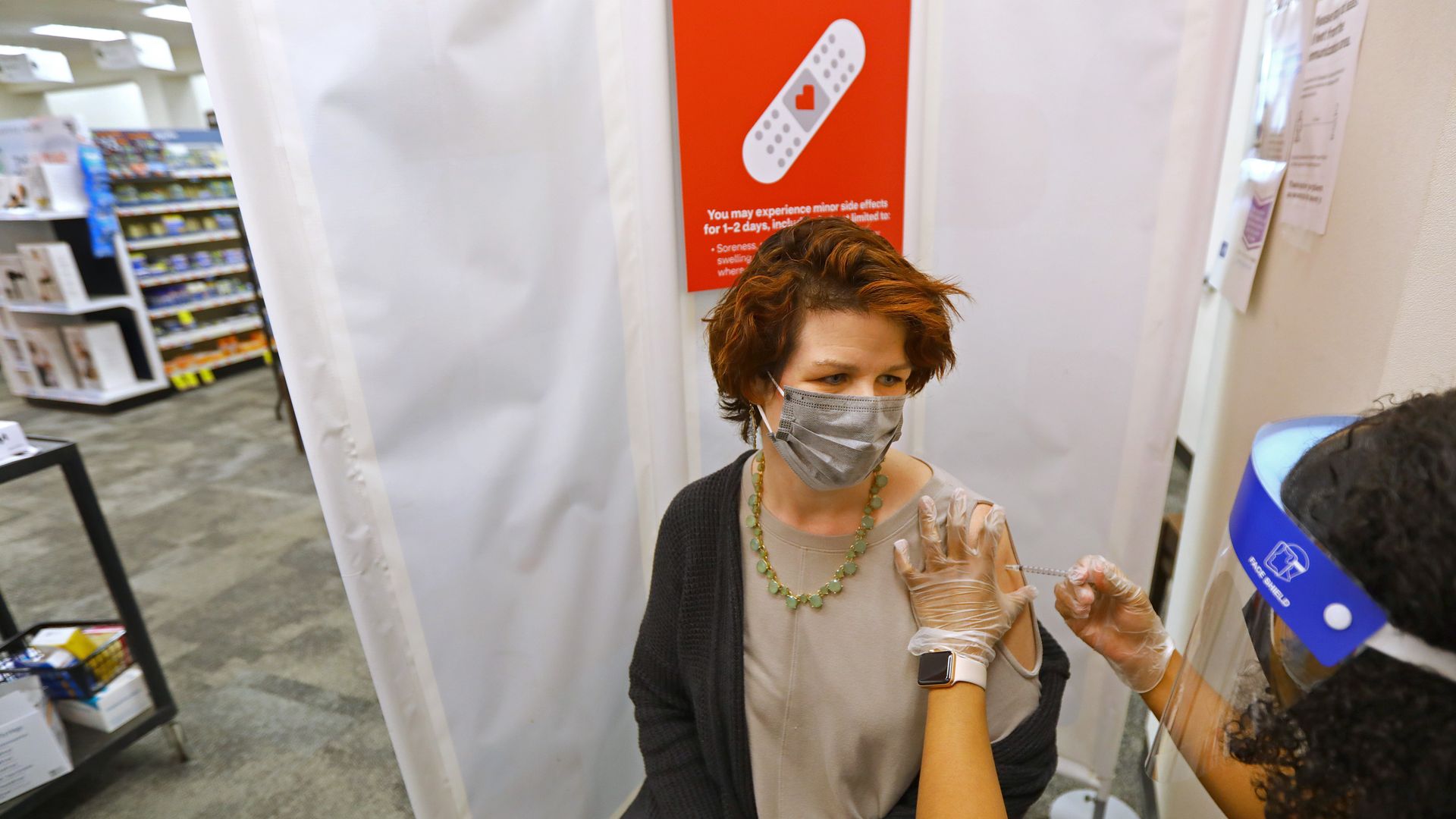
Over 82 million doses of COVID-19 vaccines distributed across the country have gone to waste since the start of the pandemic, according to data from the Centers for Disease Control and Prevention.
Why it matters: Vaccine waste has been an ongoing concern during the pandemic that has highlighted worries about the efficacy of the vaccine rollout.
A small cancer immunotherapy drug trial in patients with rectal cancer recently had an "unheard of" result: Every single patient treated achieved complete remission.
Why it matters: Based on just 12 patients, the trial was published Sunday in the New England Journal of Medicine and needs to be replicated in a much bigger study. But seeing complete remission in 100% of patients tested is a very promising early signal, researchers said.
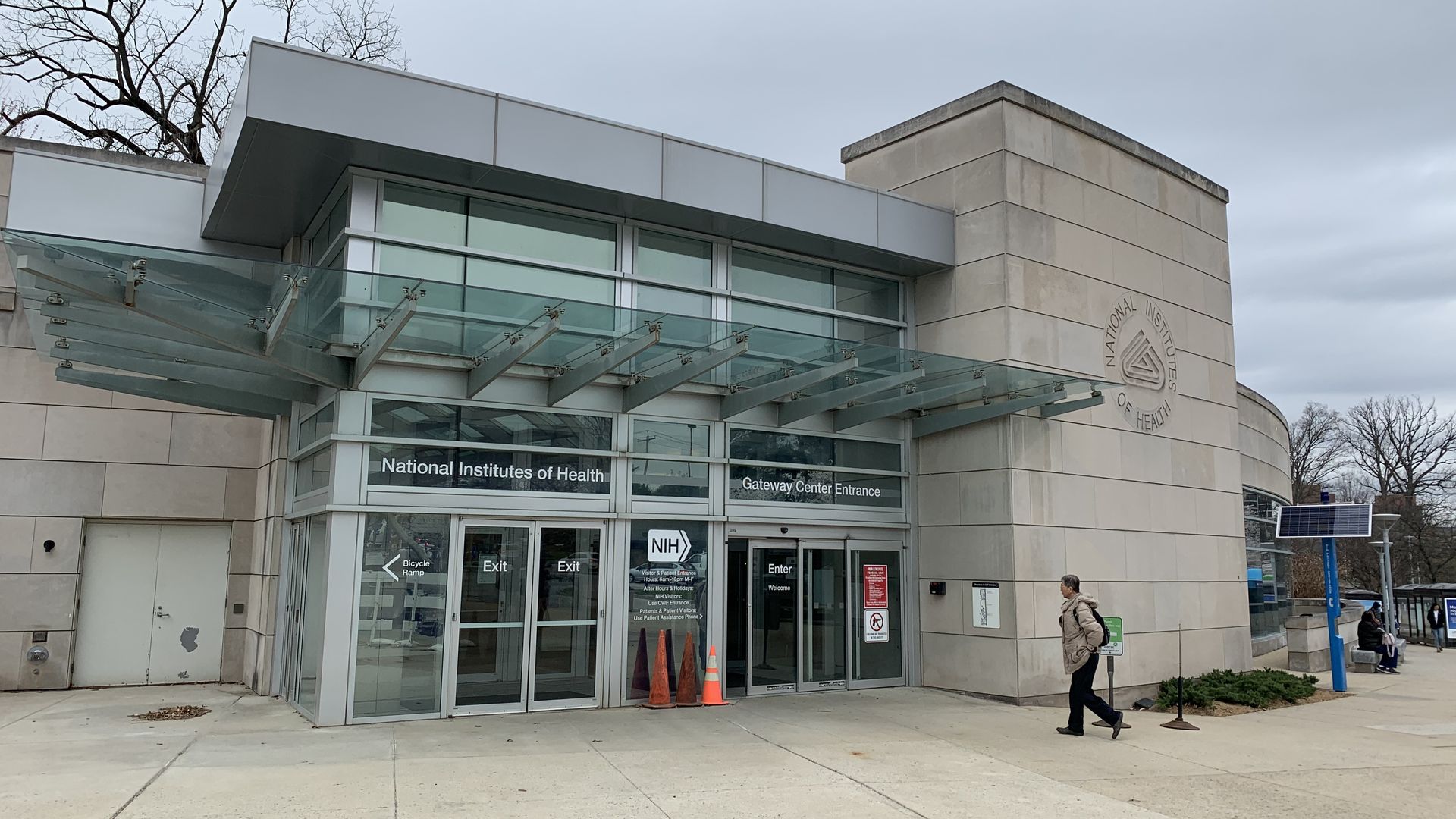
The CDC and FDA have caught plenty of flak for bureaucratic and cultural issues that slowed America's pandemic response, but the National Institutes of Health needs a critical look, too, health policy experts write in The Atlantic.
What they're saying: "America's research enterprise has become sclerotic, cautious, focused on doing what it has always done and withdrawing from clinical research," according to the piece co-authored by Ezekiel Emanuel, vice provost of the University of Pennsylvania who served on then-President-elect Biden's COVID-19 task force.
Bristol Myers Squibb agreed to buy Turning Point Therapeutics, a San Diego-based precision oncology company whose lead candidate focuses on lung cancer, for $4.1 billion in cash.
Why it matters: This reflects the biotech industry's stock slump, as incumbents look to restock their portfolios with newer drugs. Turning Point shareholders will get a 122% premium to Thursday's closing price, but a discount to the stock's September 2021 peak.
The argument for "red flag" laws is built on researchers and government agencies' finding that most mass shootings are preventable if citizens, health professionals and courts can act on signs of troubling behavior in time.
Why it matters: Although mass shootings only account for a fraction of firearm deaths in the U.S., advocates are pushing for a preventative approach to keeping guns out of the hands of people believed at greatest risk of committing violence. Red flag laws may also be a rare point of bipartisan consensus as the nation grapples with a surge of mass shootings.