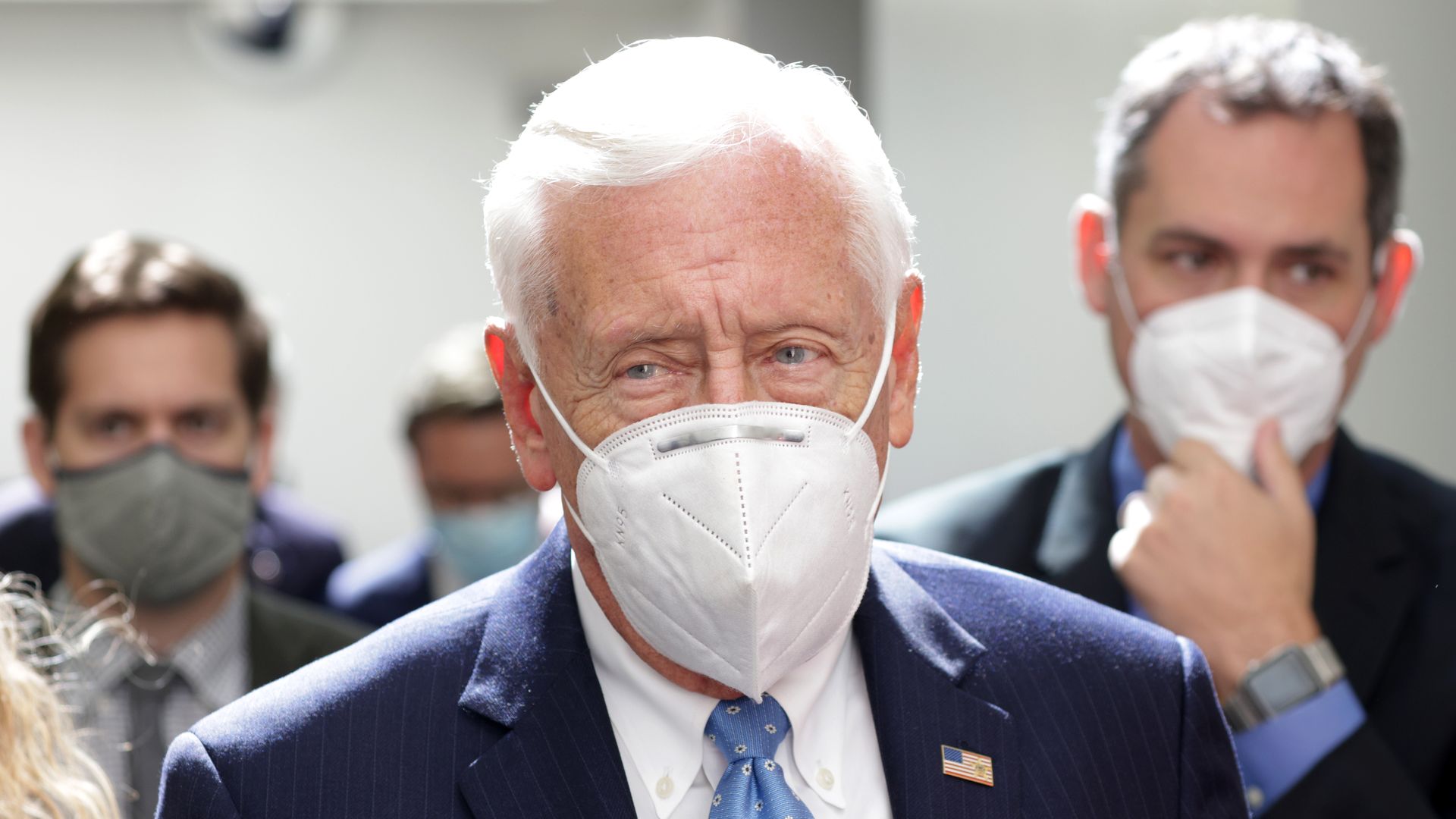
House Majority Leader Steny Hoyer (D-Md.) has tested positive for the coronavirus.
Driving the news: The 82-year-old, who is fully vaccinated and has gotten his booster, said in a statement Tuesday that he is experiencing mild symptoms and plans to work from home this week while he isolates.
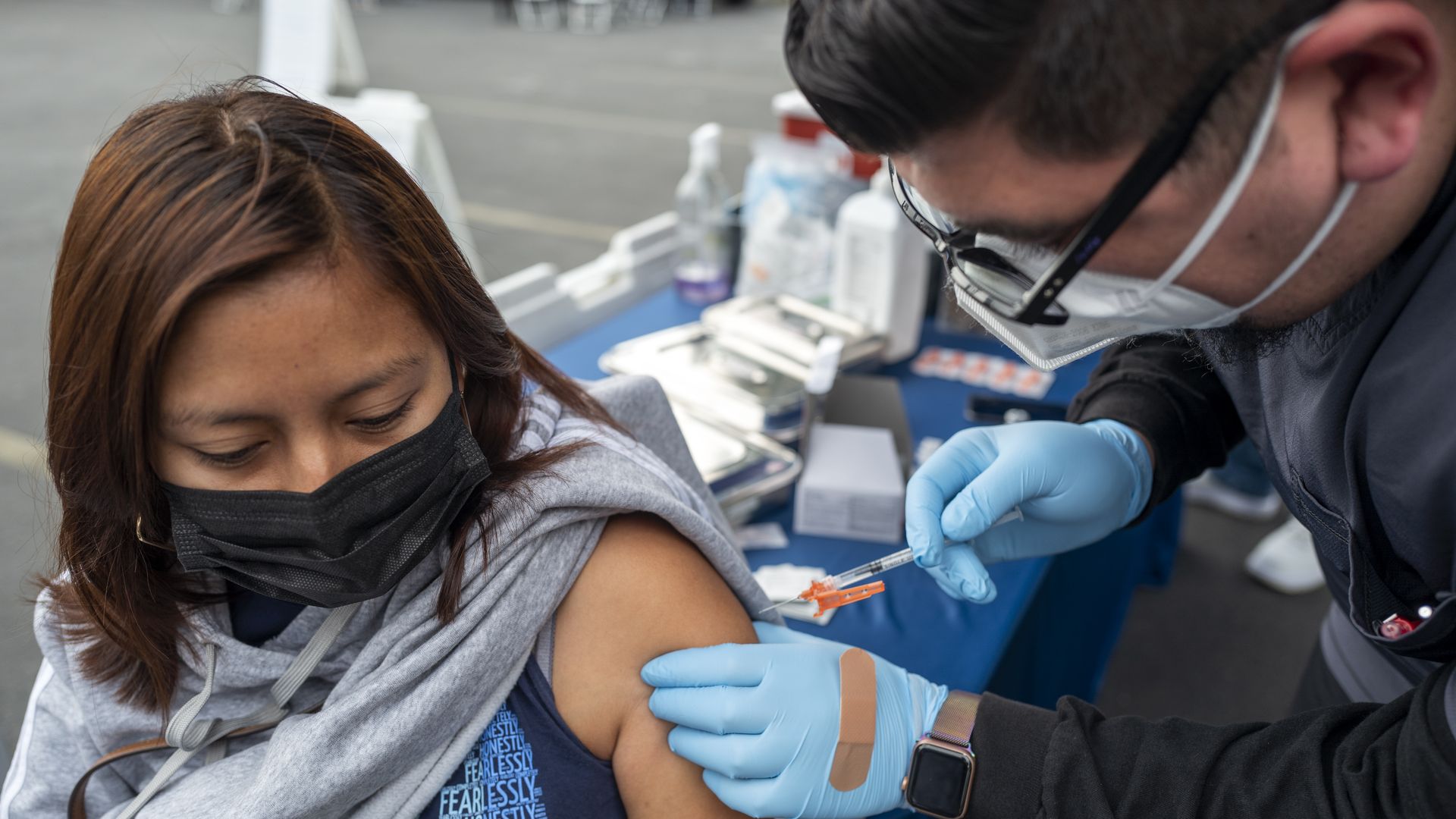
Unvaccinated people, who contracted coronavirus during the Omicron wave, were 23 times more likely to be hospitalized, according to a study conducted by the Centers for Disease Control and Prevention (CDC).
Why it matters: The study, which examined data from Los Angeles County, found that incidence and hospitalization rates during the Omicron wave were "consistently highest" for unvaccinated people.
Marigold Health, a behavioral health company with a unique approach to substance use disorder, received $6 million in fresh financing led by KdT Ventures and Felicis Ventures, sources tell Axios.
Why it matters: Behavioral health startups are seeing a spike in investor interest as issues like pandemic-era burnout and job loss contribute to a rise in anxiety and depression, and Marigold is the latest example.
The process of dying has become over-medicalized, resulting in increased suffering, loss of dignity and inefficient use of resources at the end of life, according to a report released Monday by a new Lancet Commission.
The big picture: Technological and medical advances fueled the idea that science can defeat death, increasing the over-reliance on medical interventions, the authors say.
Danish officials lifted most of the country's pandemic-related restrictions on Tuesday, as the country no longer considers COVID-19 to be a "socially critical disease," AP reports.
Why it matters: The move highlights the divergent approaches European countries are taking as the Omicron variant continues to drive caseloads upward for many.
Defense Secretary Lloyd Austin sent letters to seven governors reasserting the need to have National Guard members vaccinated against COVID-19.
What he's saying: Austin said in the nearly identical letters that the coronavirus "takes our service members out of the fight, temporarily or permanently, and jeopardizes our ability to meet mission requirements."
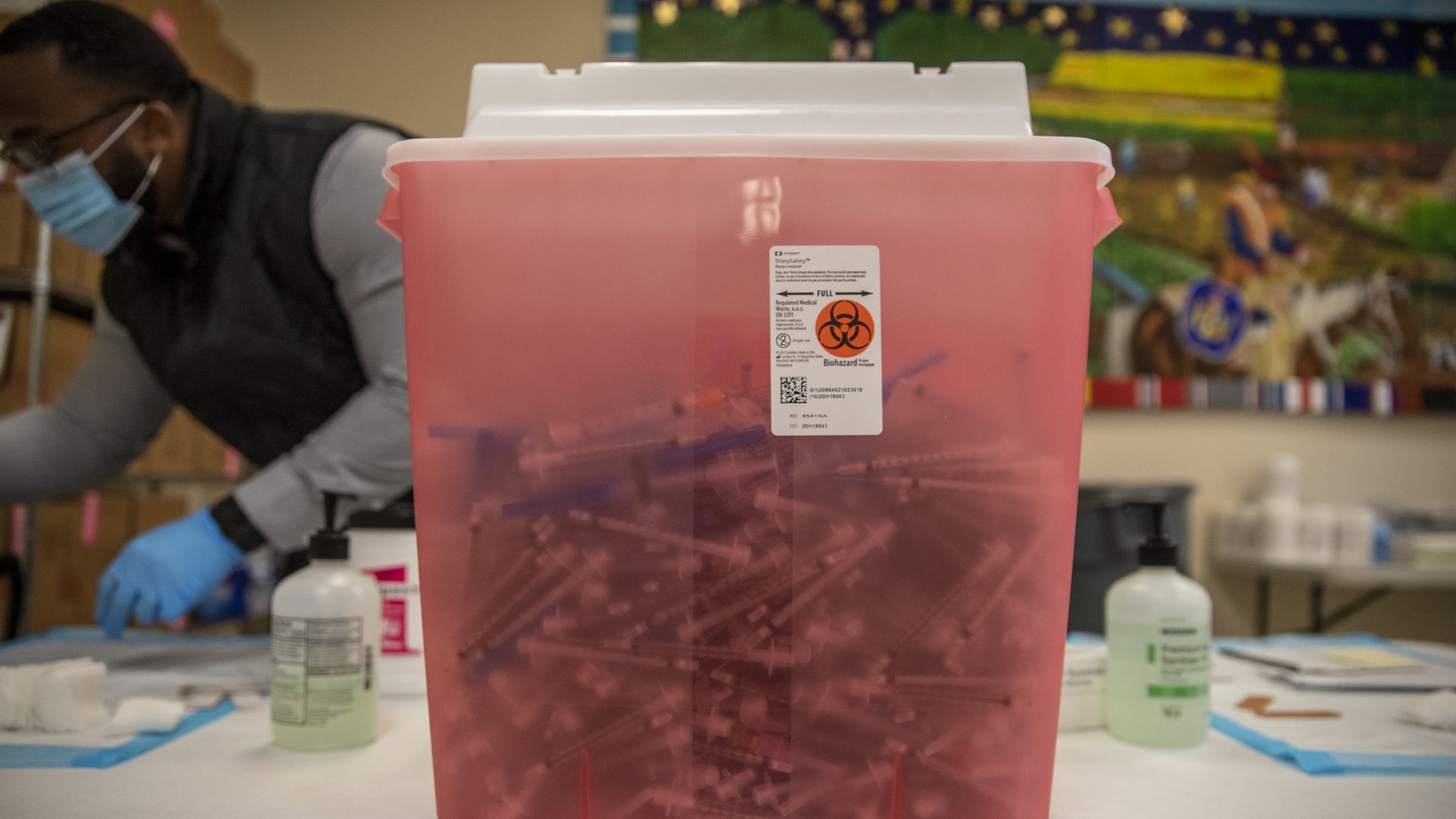
The World Health Organization warned in a report Monday that the coronavirus pandemic has led to "large increases" in health care waste in the form of personal protection and other equipment, including masks, gloves and vaccination syringes.
Why it matters: The WHOsaid the glut of waste is further burdening disposal systems that were already strained before the pandemic, contributing to pollution and increasing the likelihood of injury to health care workers through needles, burns and pathogenic microorganisms.
Health care professionals and scientists no longer feel that they can rely on media and tech companies to effectively combat misinformation, so they're hitting the airwaves themselves.
Why it matters: The tension between the health and science industries and media and tech has been building for years, but now it's "on steroids," said Celine Gounder, an infectious disease specialist and clinical professor at NYU.
As COVID-19 dials up demand on health systems large and small, startups offering to unload some of the burden with digital devices are raking in the cash.
The big picture: Most recently, Athelas, a remote patient monitoring company, raised $132 million in two back-to-back rounds led by General Catalyst (GC) and Tribe Capital, respectively, GC managing director Hemant Taneja tells Axios.
Ottawa Police are launching a hate crime hotline Tuesday for reporting offenses committed during pandemic demonstrations following reports of violence, racist abuse, harassment and the displaying of Nazi imagery at the protests in Canada's capital.
Driving the news: Ottawa Police Chief Peter Sloly told a Monday briefing that intelligence and investigative officers were being deployed in response to unruly behavior at the protests, which began as a rally last week against a U.S. vaccine requirement for cross-border truck drivers.
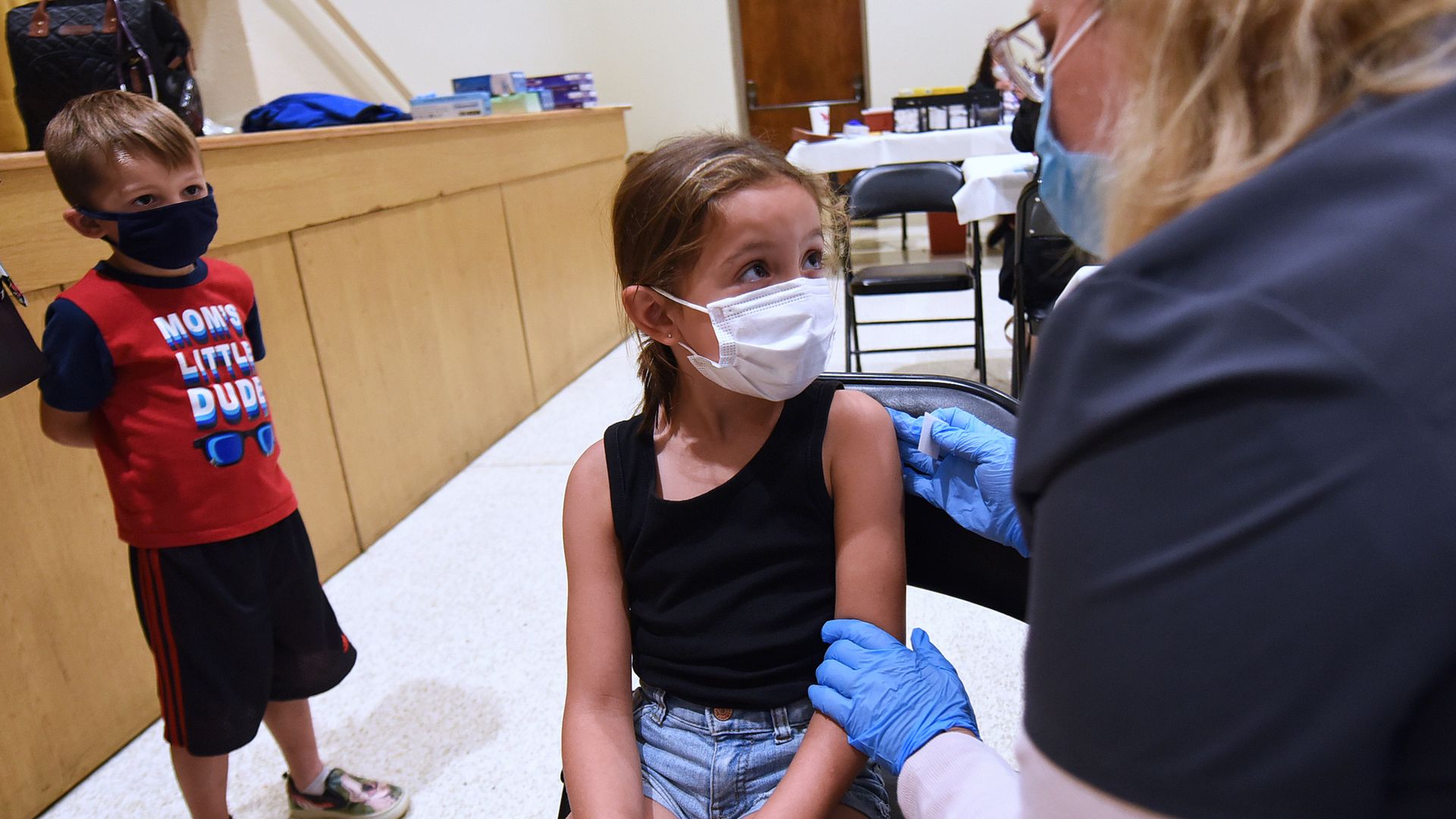
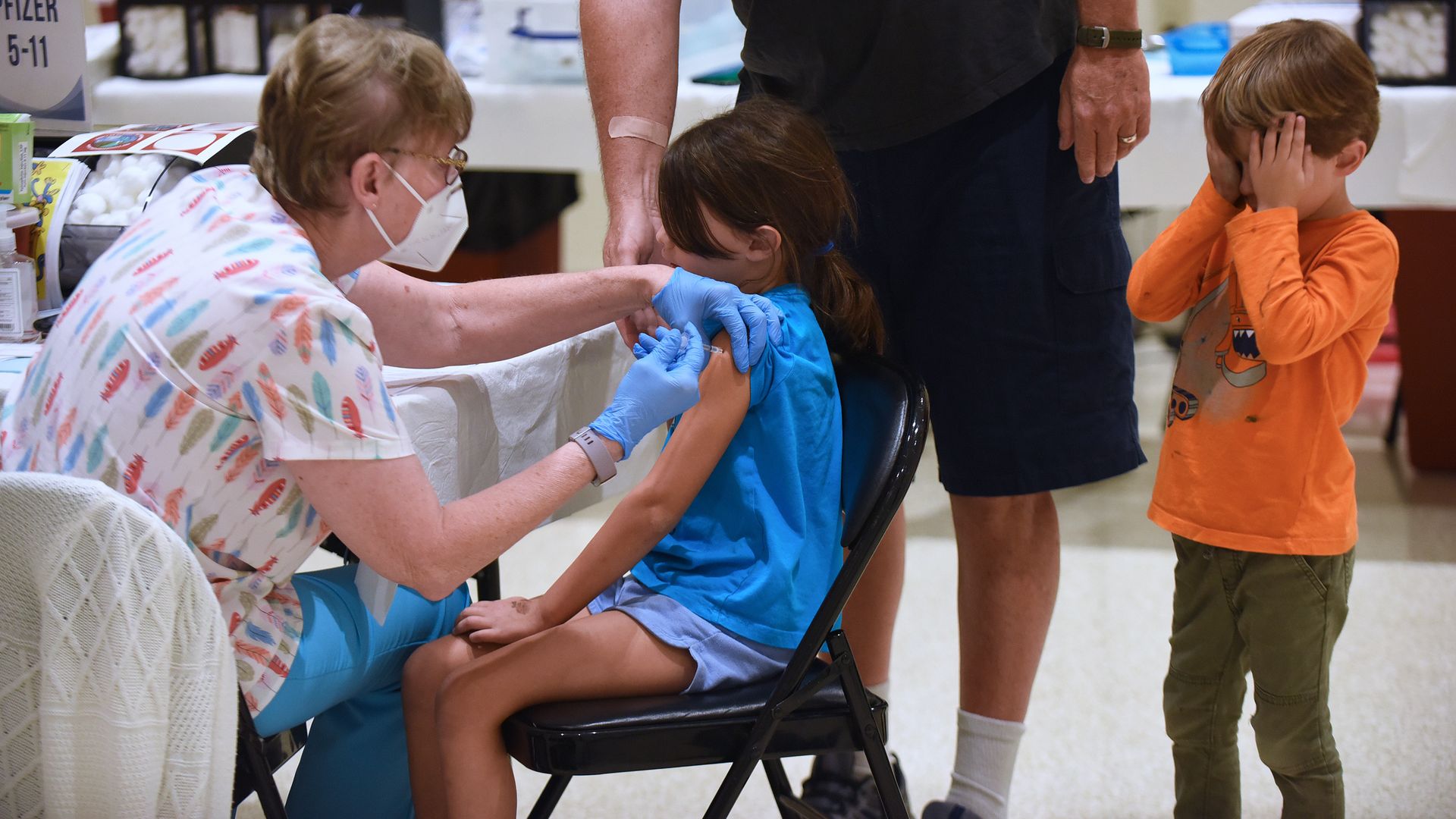
COVID-19 vaccines could become available for children younger than 5 by the end of February, the Washington Post first reported and a source familiar with the situation confirmed to Axios on Monday.
Between the lines: Pfizer's vaccine would initially be available as a two-dose regimen under this plan. But recent data has shown that two doses do not provide a strong enough immune response in all age groups — meaning a major goal of the plan would be to begin the multi-week vaccination process while data is gathered on a third dose.













/2022/01/30/1643570584609.gif?w=3840)