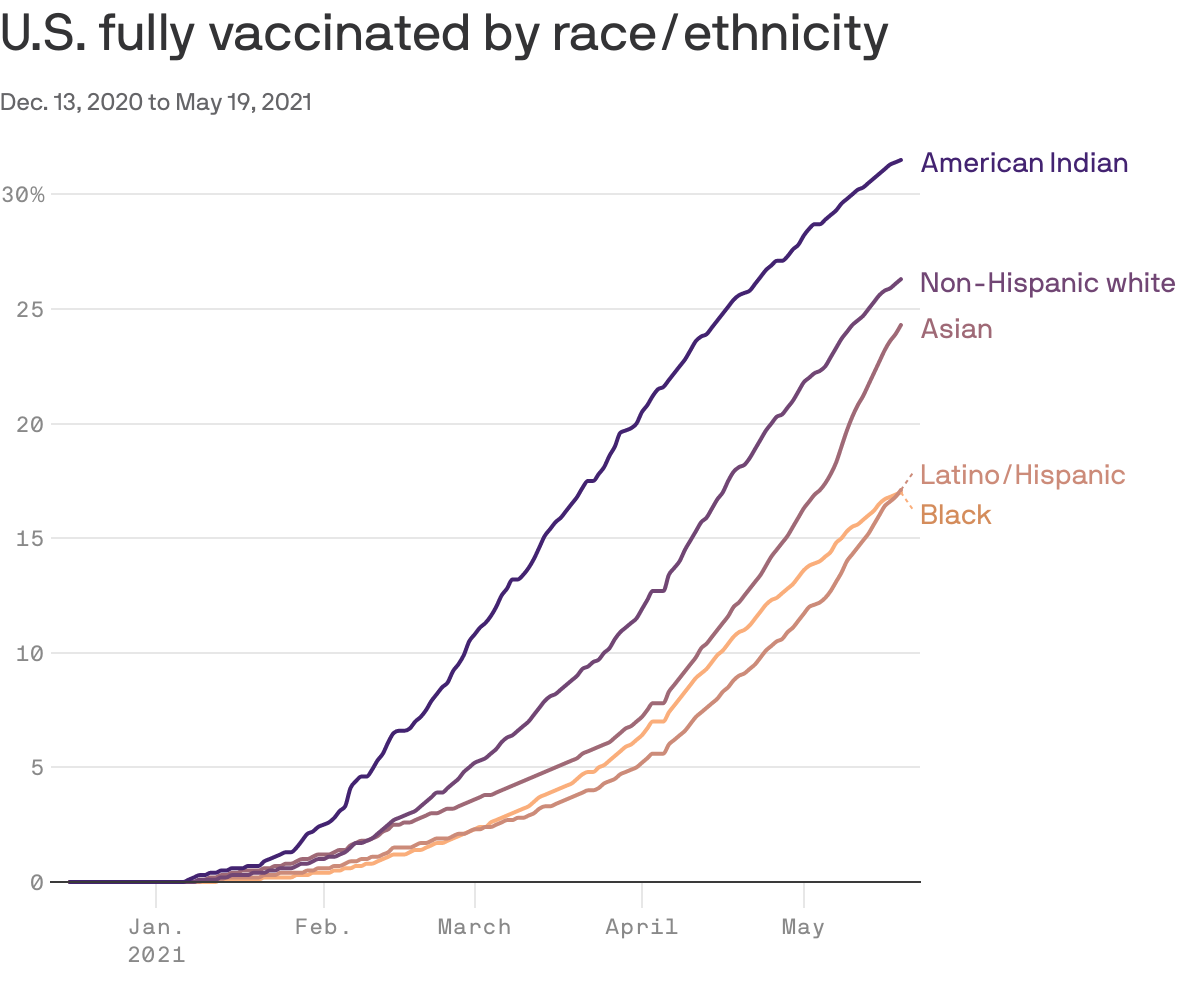
The number of vaccinated U.S. Latinosis increasing after months of unequal access, but hurdles remain for this especially hard-hitgroup to get COVID-19 vaccines at the same rate as others.
Why it matters: President Biden wants 70% of U.S. adults vaccinated by July 4.
COVID-19 and the digital divide have taken a severe toll on Latino students' education, from the U.S. to Patagonia.
The state of play: In the U.S., Latinos students have fallen considerably behind during the last year, while in Latin America dropout rates are rising.
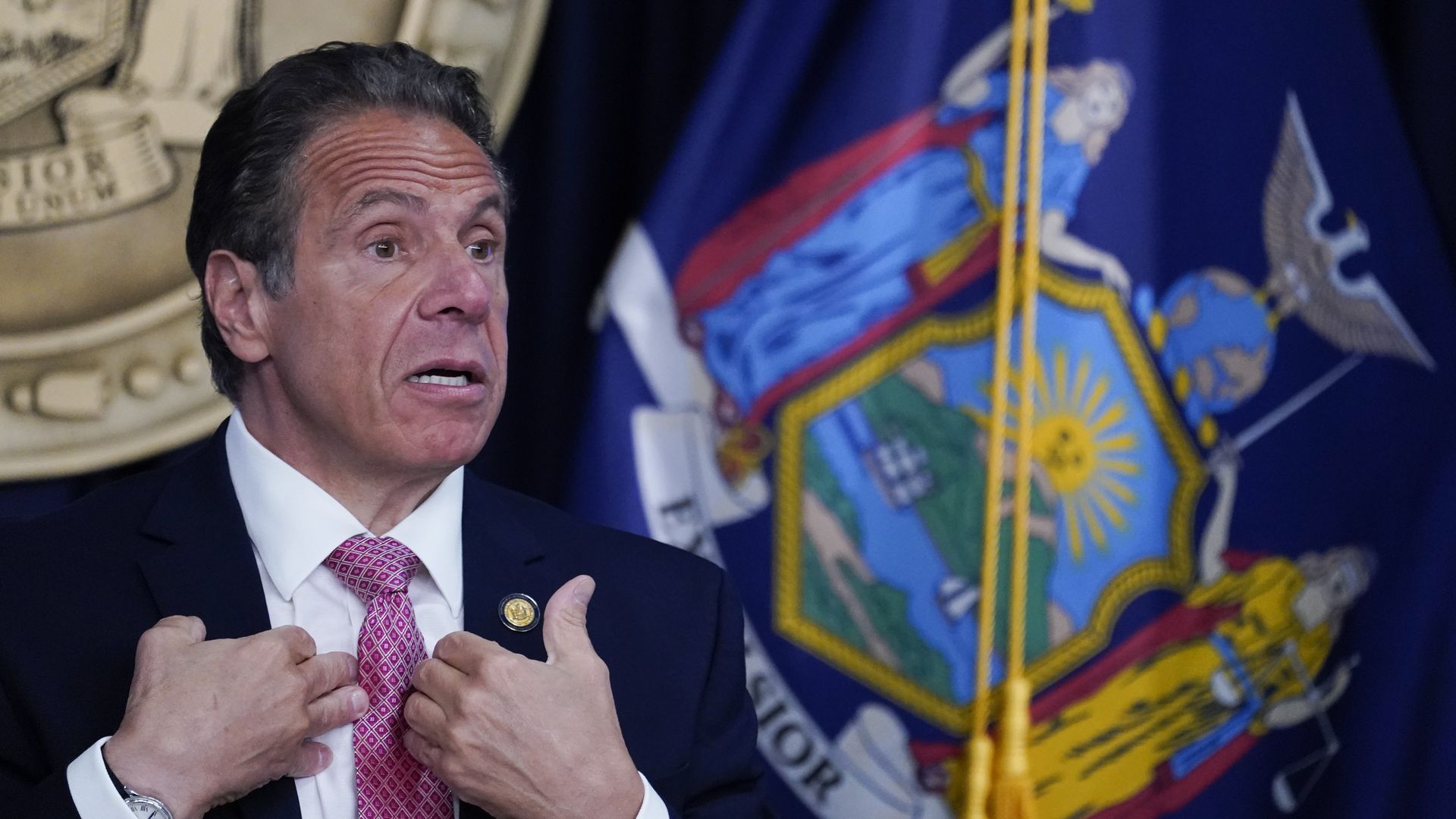
New York Gov. Andrew Cuomo announced on Thursday that anyone who gets vaccinated in one of the 10 state vaccination sites next week will receive a free lottery scratch ticket for the chance to win a grand prize of $5 million.
Why it matters: Cuomo said New York has inoculated approximately 43% of its population, but that vaccination numbers are "slowing dramatically."
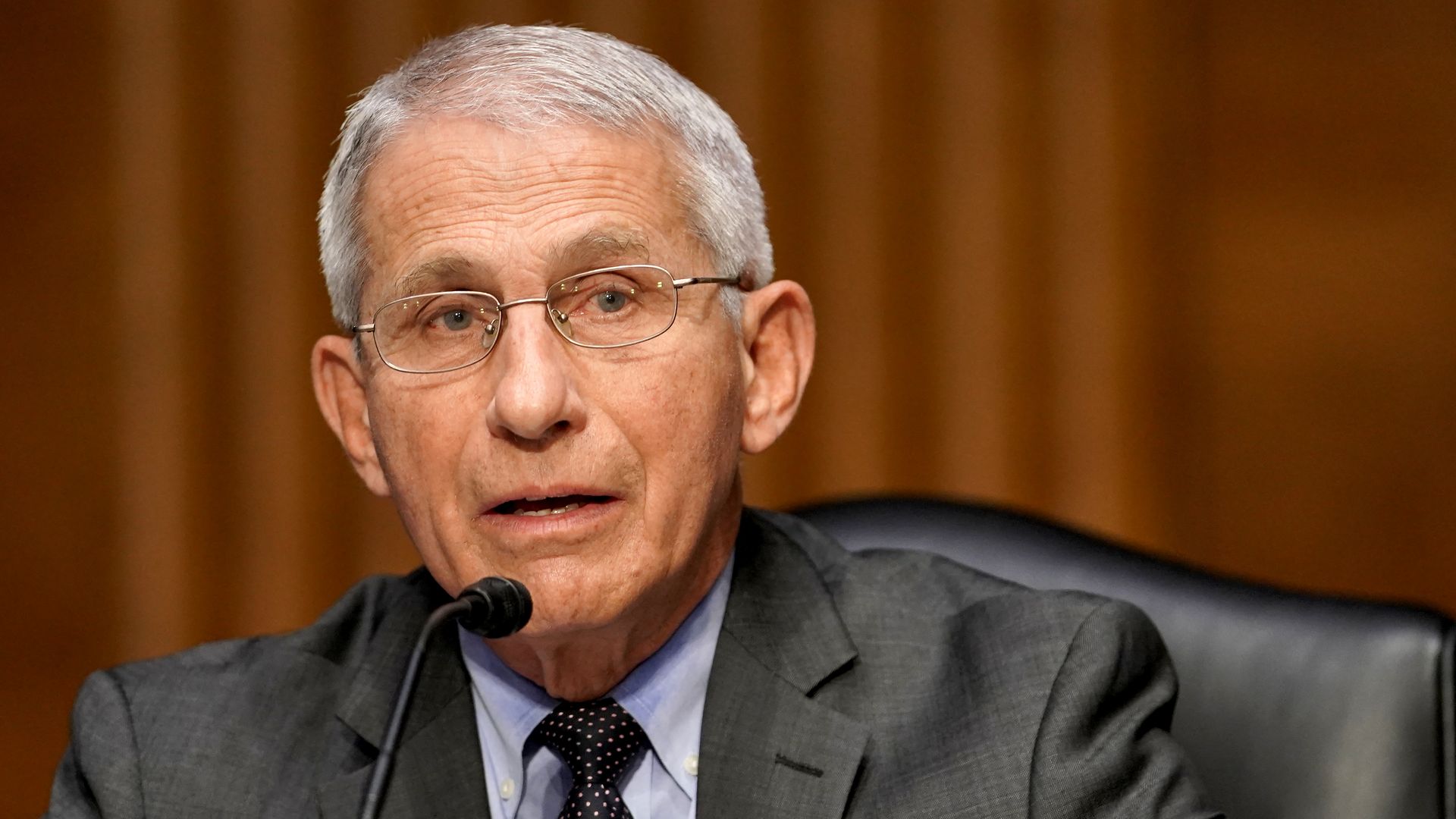
NIAID director Anthony Fauci told the Washington Post leadership summit Thursday that if 70% of Americans get at least one dose of the coronavirus vaccine by July 4, the U.S. could avoid a case surge later in the year.
Why it matters: Fauci called the COVID-19 vaccine a "positive wild card" that wasn't present in the previous case upticks, but urged the U.S. to continue aggressively vaccinating its population.
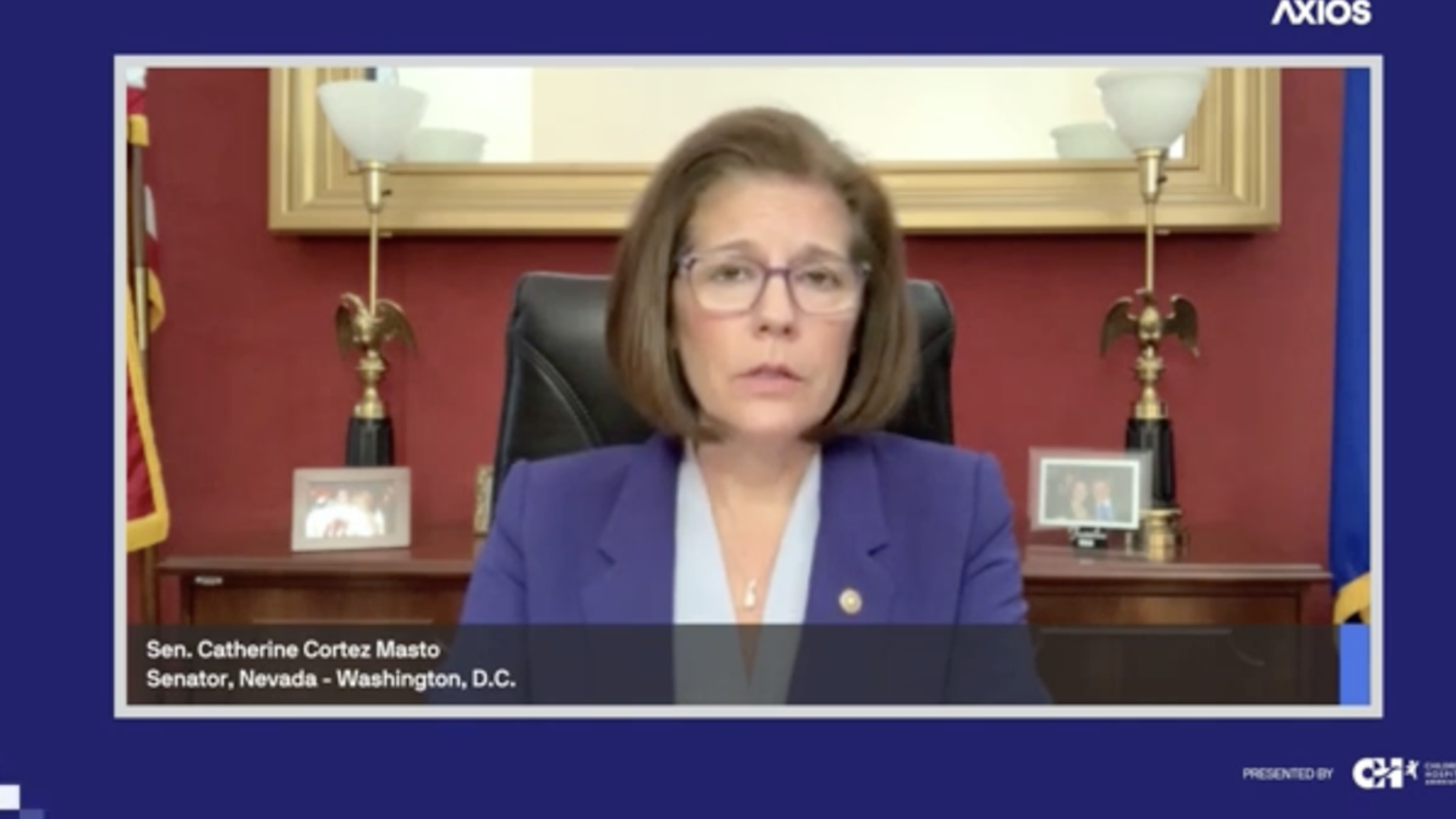
Funding schools, and specifically hiring additional counselors, can help address children's mental health concerns, Sen. Catherine Cortez Masto (D-Nev.) said at an Axios Event on Thursday.
Why it matters: Demand for mental health services for teens has skyrocketed amid the coronavirus pandemic, though Cortez Masto said the country didn't have a strong grasp on the issue even before the virus started forcing schools to cease in-person classes.
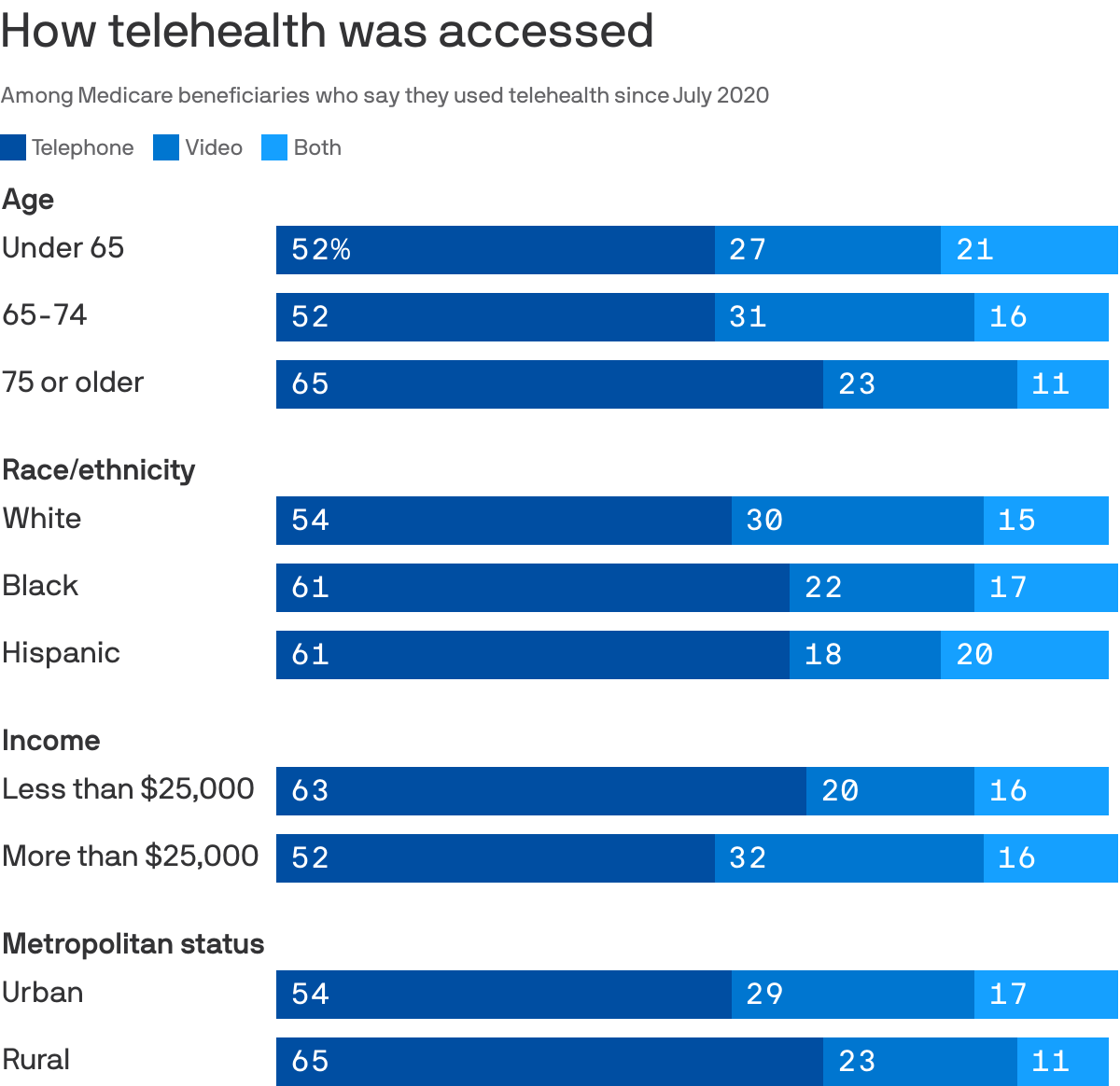
More than a quarterof all Medicare beneficiaries had a telehealth visit between the summer and fall of 2020 and, for more than half of them, that visit took place over an actual telephone, a KFF Analysis found.
Why it matters: "Telehealth" usually conjures the idea of video visits from a computer or a smartphone. However, for many seniors, the telephone was a key connection to care made available during the pandemic.
The first Americans to be vaccinated against the coronavirus could require a third "booster" shot as early as September, the CEOs of Pfizer and Moderna told Axios.
Driving the news: "The data that I see coming, they are supporting the notion that likely there will be a need for a booster somewhere between eight and 12 months," Pfizer CEO Albert Bourla said yesterday during an Axios event.
An organizing committee working to get Medicaid expansion on the ballot in Mississippi called “Yes on 76" suspended its campaign Wednesday.
The big picture: The decision to drop efforts comes after the Mississippi Supreme Court ruled last Friday the state's entire ballot initiative process is “unworkable and inoperative” due to outdated language in the state's constitution.
Why it matters: Ballot initiatives have been an effective tool in getting Medicaid expansion passed in conservative states that are traditionally against the measure.
Six states have expanded Medicaid through ballot initiatives.
By the numbers: About 25% of Mississippi's population receives health benefits under Medicaid or CHIP, a 2020 annual report shows.
Supporters of Initiative 76 estimated the expansion would extend coverage to about 200,000 more people.
The federal government currently pays about 82% of Medicaid expenses in Mississippi.
What they're saying: The 'Yes on 76' coalition will continue to "urge elected leaders in Mississippi to expand Medicaid to deliver healthcare, help keep our rural hospitals open and bring our tax dollars home from Washington," per a statement.
"We’ve witnessed unprecedented support for Medicaid expansion in recent weeks, and we are committed to keeping up the momentum that our campaign has created."
The other side: While Medicaid expansion was a top issue during the 2019 gubernatorial election, Mississippi's Governor Tate Reeves (R) opposes expansion, "making it unlikely that the state will take up expansion through legislation," the Kaiser Family Foundation notes.
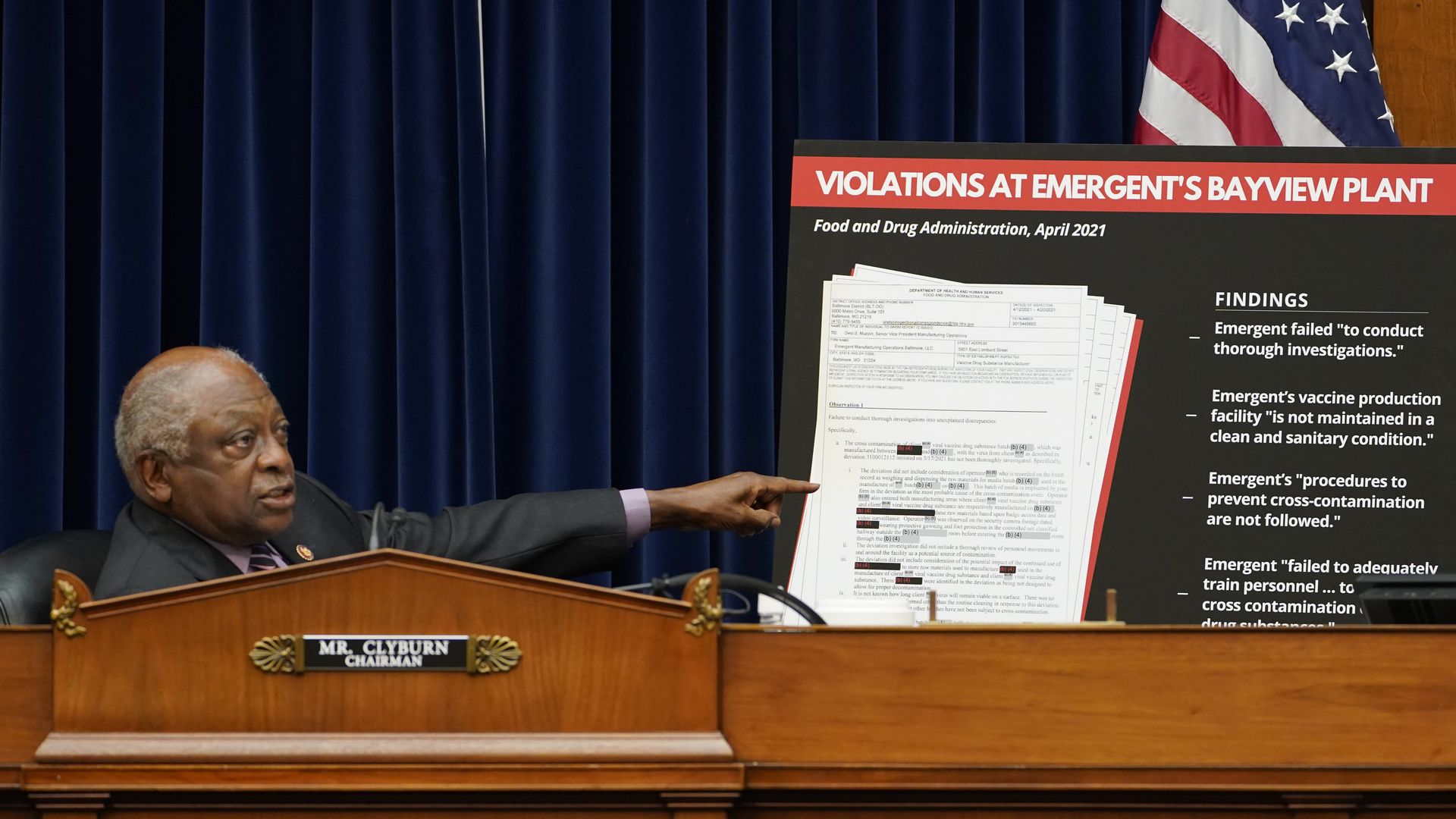
Driving the news: Emergent BioSolutions’ executives faced questions from lawmakers during a House Select Subcommittee on the Coronavirus Crisis hearing on Wednesday as part of an investigation into the plant's failures.
The federal government paid the company $271 million as a reservation for its manufacturing capacity, documents posted Wednesday by two House committees show. Yet, to date, U.S. regulators have not cleared any doses for use from its manufacturing plant in Baltimore.
Coronavirus infections continue to plummet across the U.S.
Why it matters: Experts have warned many times over the past year that it wouldn’t be safe to rush back into pre-pandemic life without containing the virus. Now, though, the U.S. is finally containing the virus.
Colombian lawmakers voted against a bill to overhaul health care system after protesters opposed it because it would increase privatization, AP reports.
Why it matters: Massive anti-government protests began several weeks ago against a now-shelved tax reform, but quickly expanded to demand an end to police brutality, economic inequality, and "the withdrawal of the health measure," per AP.