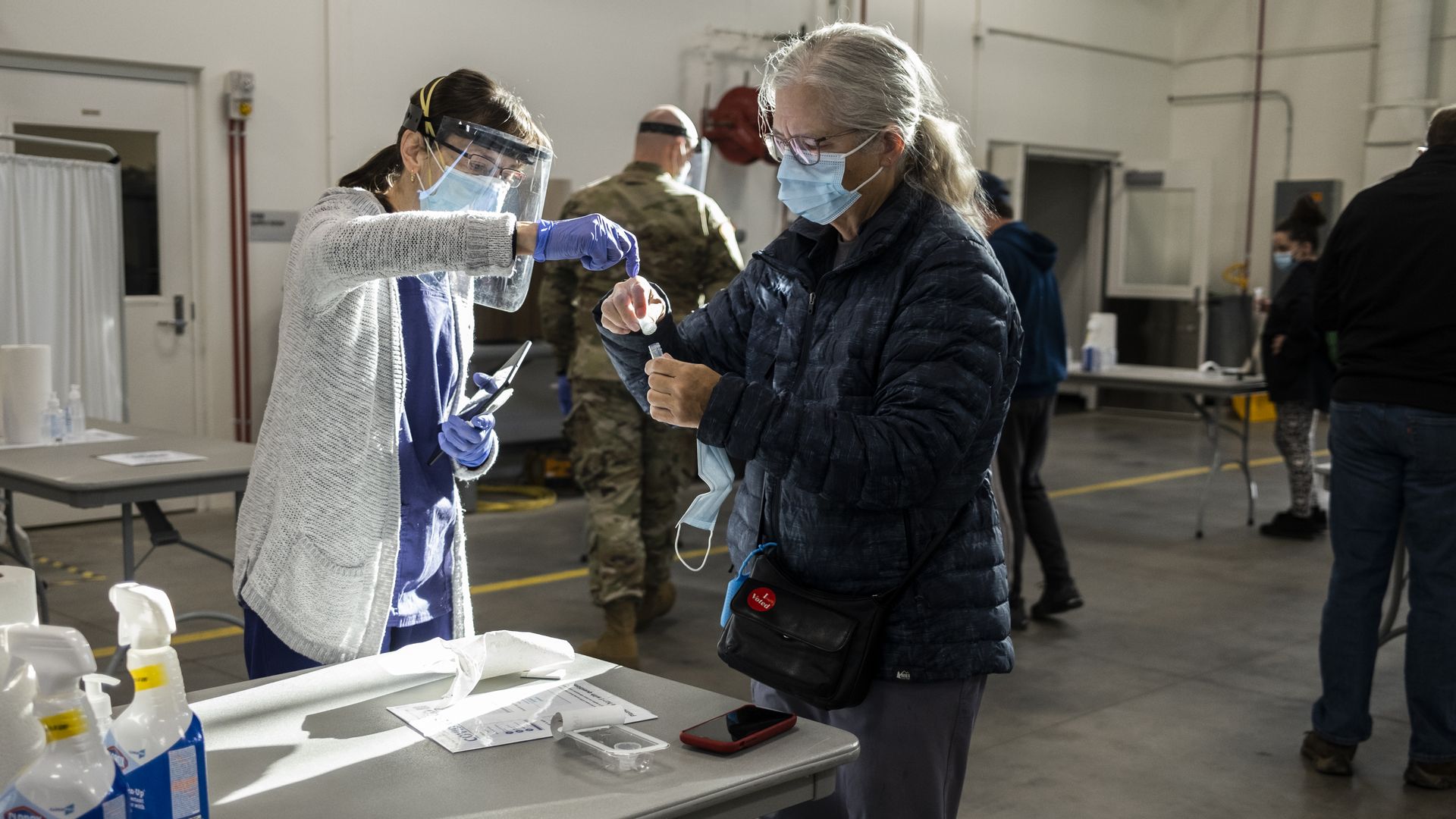
The first case of a coronavirus variant that originated in Brazil has reached the U.S. and was found in Minnesota, state officials announced Monday.
Why it matters: The P.1 variant is one of three spreading rapidly around the world, raising questions about the efficacy of vaccines on different COVID variants and the possibilities of new outbreaks.
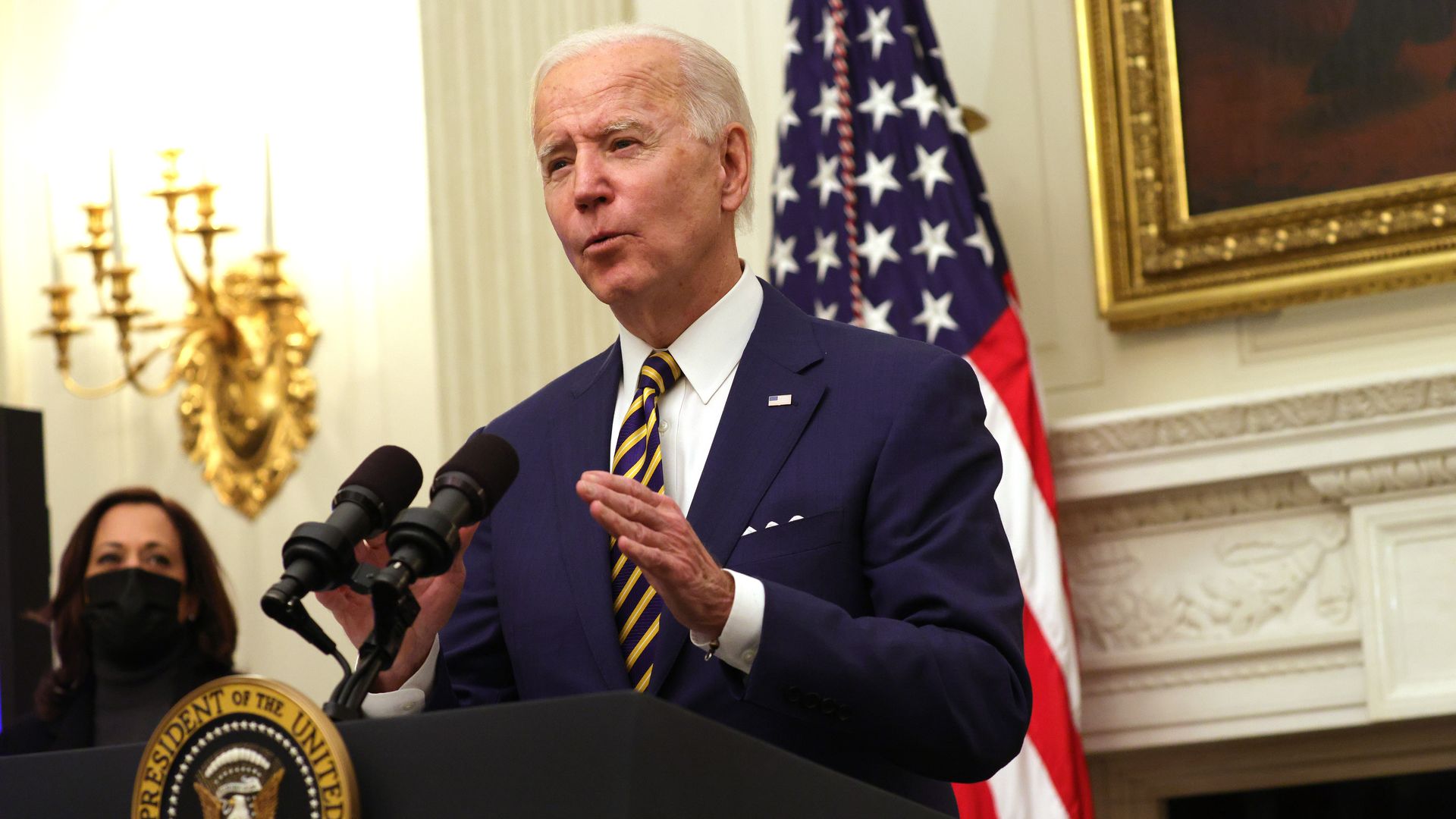
President Biden said on Monday that he believes America will be on track for 1 million vaccinations a day within the next three weeks, with the possibility of soon upping that number to 1.5 million vaccinations a day.
Why it matters: The president said on Monday that he thinks any American who wants a vaccine can expect to receive one by spring. He added, "I feel confident that by summer we're gonna be well on our way to heading toward herd immunity."
Google on Monday became the latest Big Tech company to get involved with COVID-19 vaccinations. Not just by doing things like incorporating vaccination sites into its maps, but by helping to turn some of its offices and parking lots into vaccination sites.
Axios Re:Cap goes deeper into what Google is doing, and why now, with Dr. Karen DeSalvo, Google's chief health officer who previously worked at HHS and as health commissioner for New Orleans.
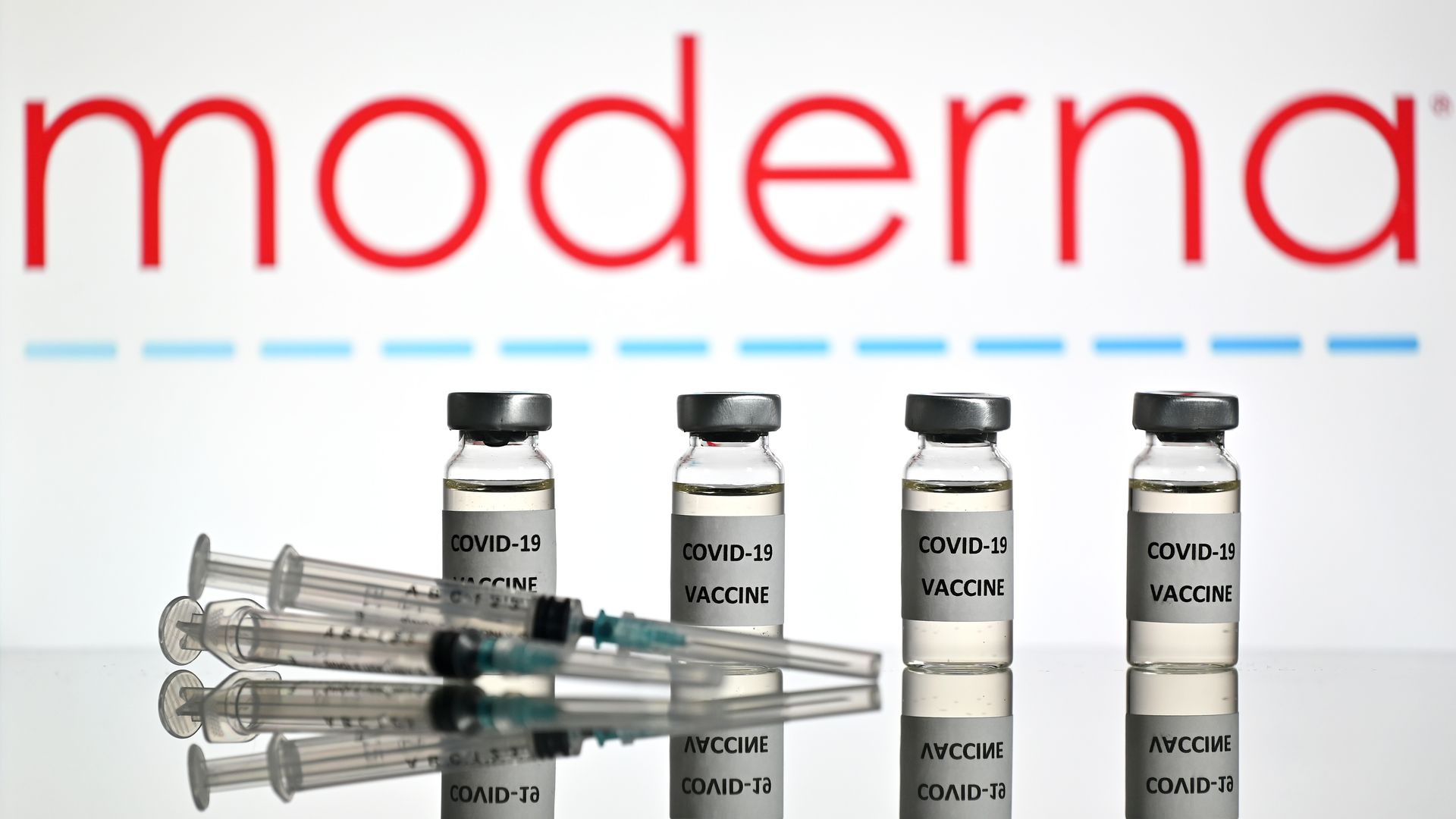
Moderna's COVID-19 vaccine is effective against new variants of the virus that first appeared in the U.K. and in South Africa, the company announced on Monday.
Yes, but: The vaccine was as effective against the strain from U.K., but saw a six-fold reduction in antibodies against the South Africa variant. Even still, the neutralizing antibodies generated by the vaccine "remain above levels that are expected to be protective," according to the company.
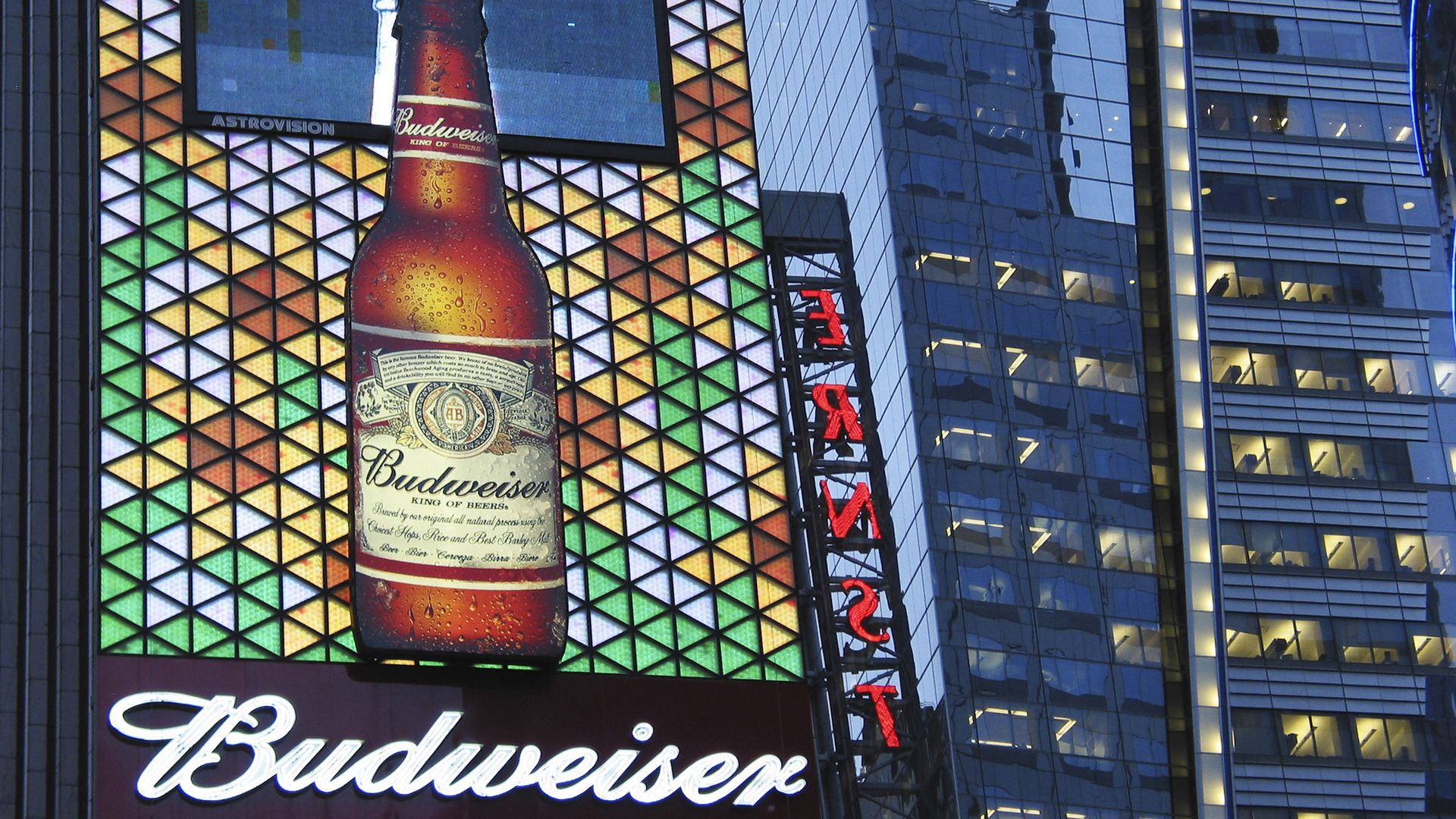
Budweiser said Monday it's giving up its iconic in-game Super Bowl airtime for the first time in 37 years, and will instead donate $1 million to the Ad Council and COVID Collaborative’s Vaccine Education Initiative.
Why it matters: The move is one of many fan-favorite traditions that will be lost at this year's game because of the pandemic.
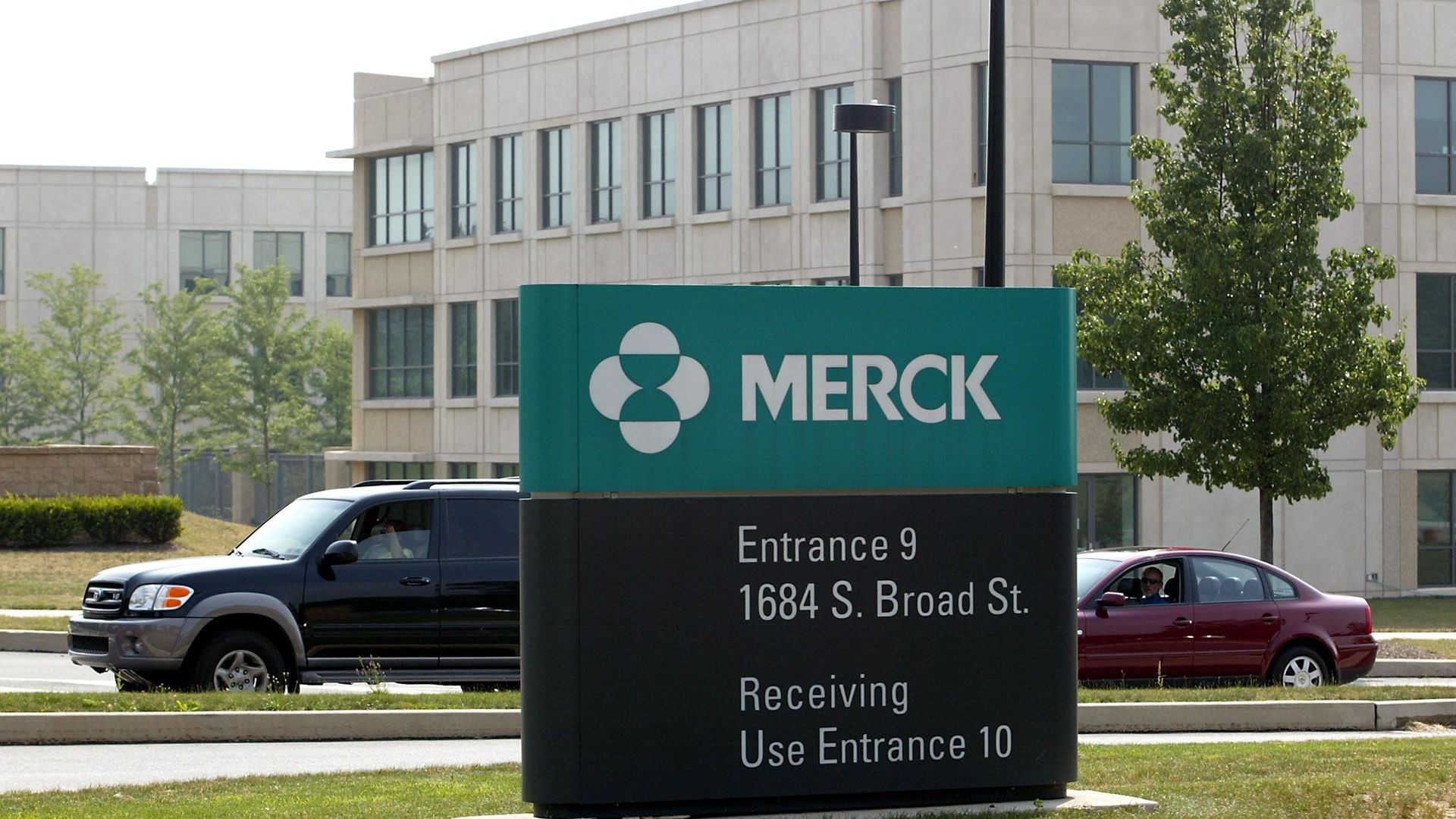
Merck & Co. is ending development of its two experimental COVID-19 vaccines, after early data showed they could not produce immune responses to the virus, the company announced Monday.
Why it matters: The news leaves one of the top pharmaceutical companies out of the running for producing a vaccine, as demand for the inoculation is outstripping supply.
The 10-month long school closures and the coronavirus pandemic are expected to have a big impact on childhood obesity rates.
Why it matters: About one in five children are obese in the U.S. — an all-time high — with worsening obesity rates across income and racial and ethnic groups, data from the National Health and Nutrition Examination Survey show.
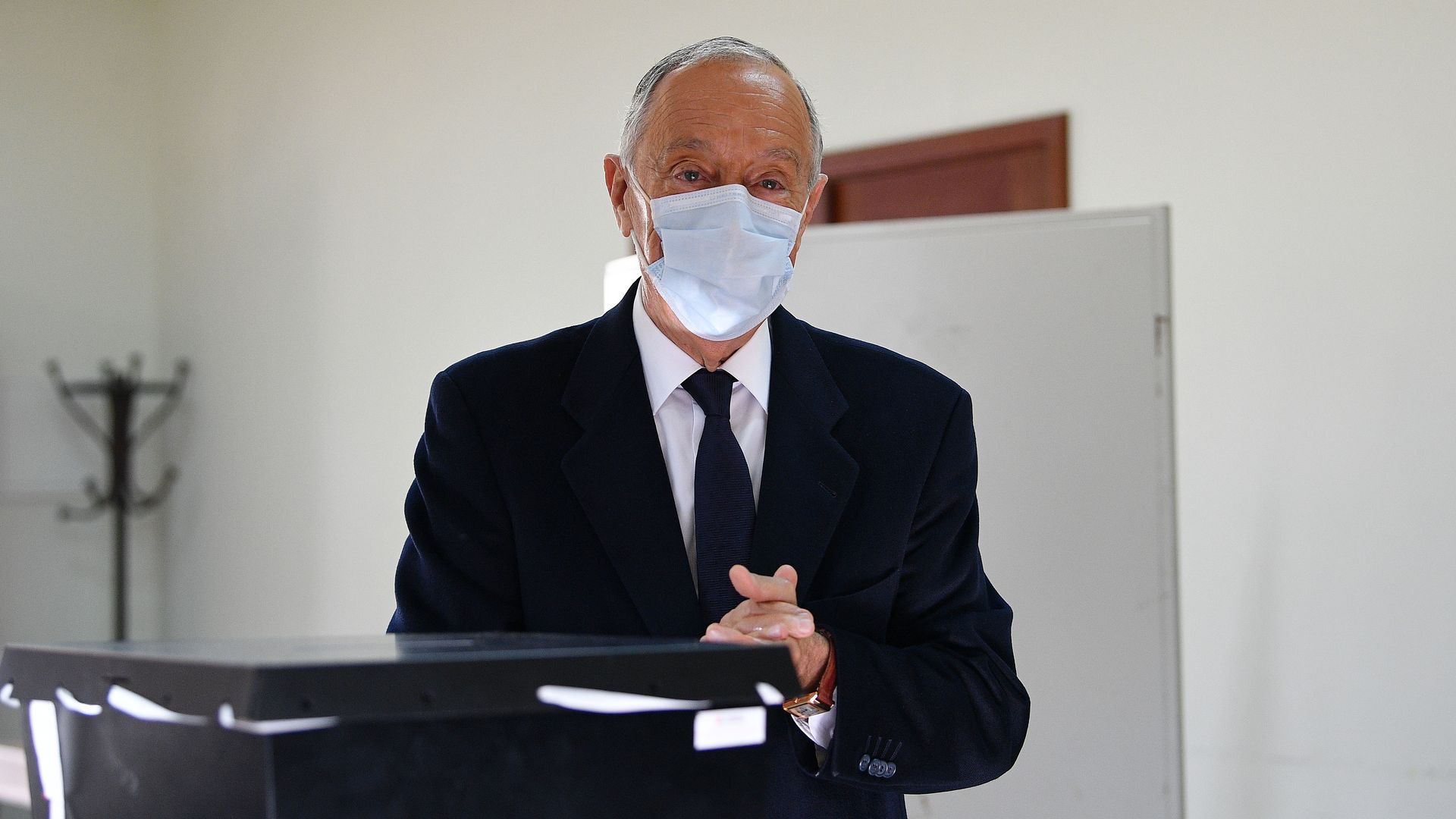
Portugal's center-right President Marcelo Rebelo de Sousa said after being re-elected with 61% of the vote for a second term Sunday his priority will be to "combat the pandemic," per Reuters.
Why it matters: Portugal is currently on lockdown with the highest seven-day COVID-19 average per 100,000 and some of the highest death rates in the world, according to Johns Hopkins.
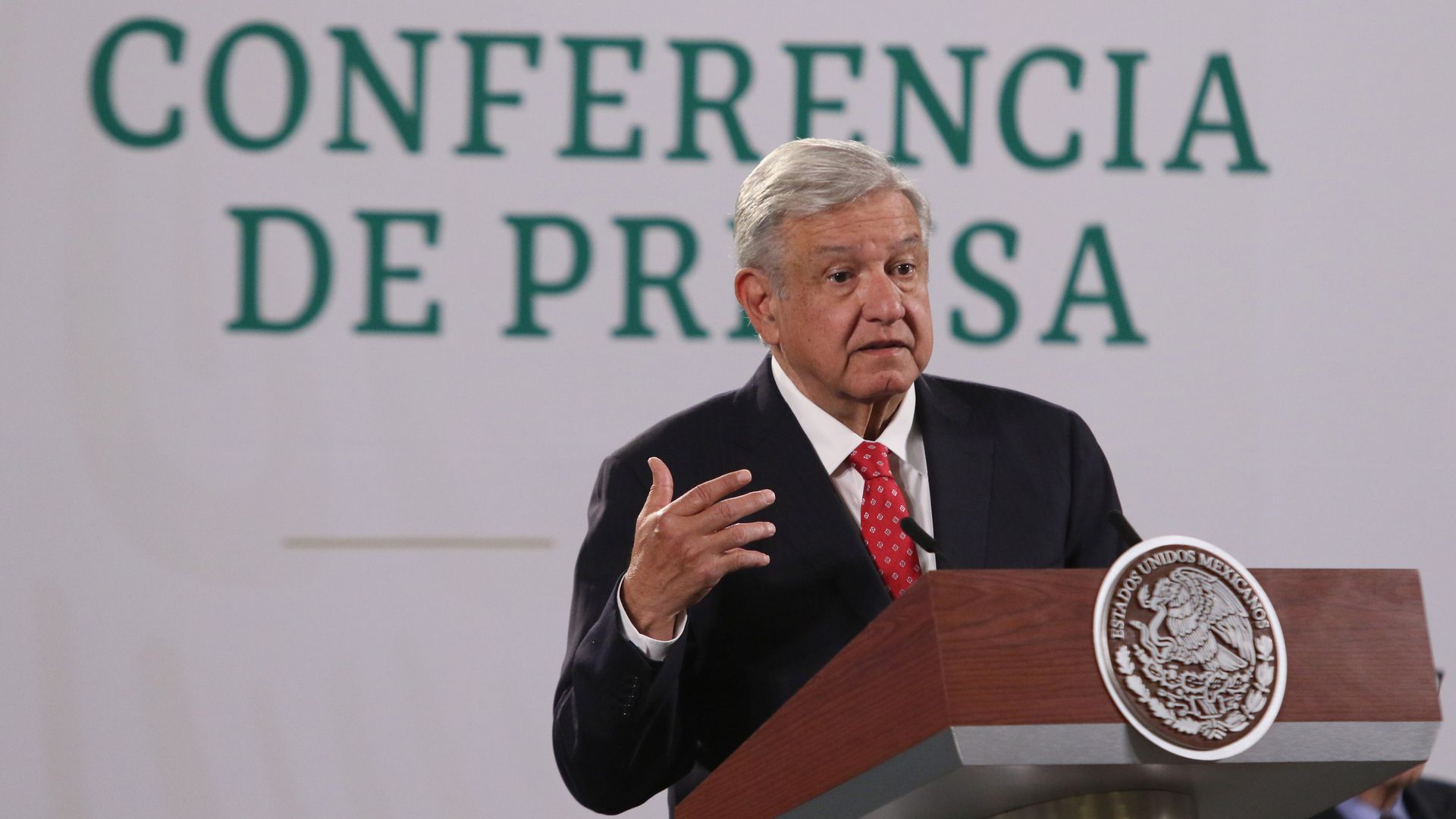
Mexican President Andrés Manuel López Obrador announced Sunday evening that he's tested positive for COVID-19.
Driving the news: López Obrador tweeted that he has mild symptoms and is receiving medical treatment. "As always, I am optimistic," he added. "We will all move forward."
History will likely remember the pandemic as the "first time since records began that inequality rose in virtually every country on earth at the same time." That's the verdict from Oxfam's inequality report covering the year 2020 — a terrible year that hit the poorest, hardest across the planet.
Why it matters: The world's poorest were already in a race against time, facing down an existential risk in the form of global climate change. The coronavirus pandemic could set global poverty reduction back as much as a full decade, according to the World Bank.