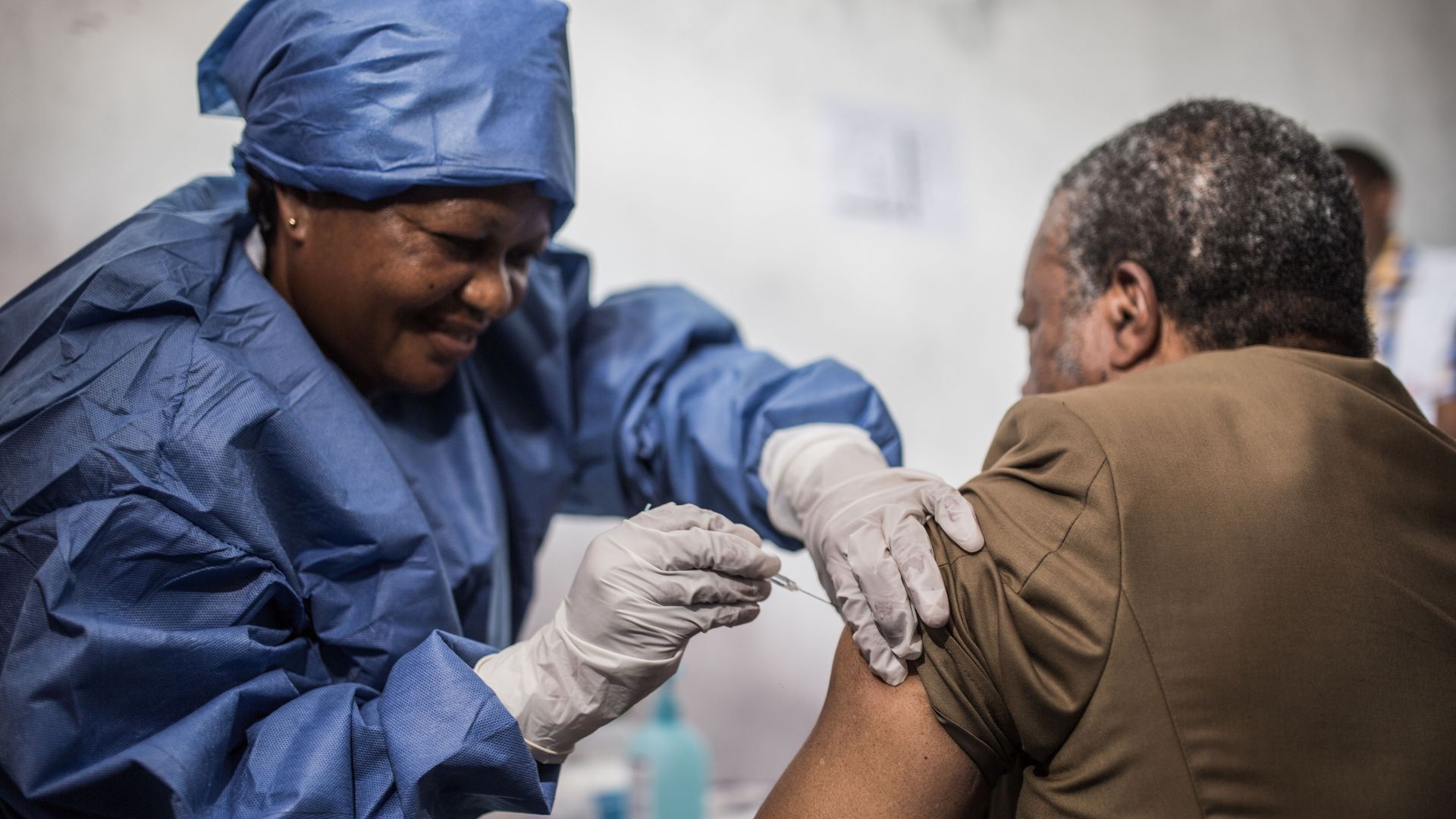
Why it matters: The approval comes after the World Health Organization announced in June that the world’s second-largest Ebola outbreak had been eradicated in the Democratic Republic of the Congo. There were over 3,400 cases and over 2,200 deaths, according to data from WHO.
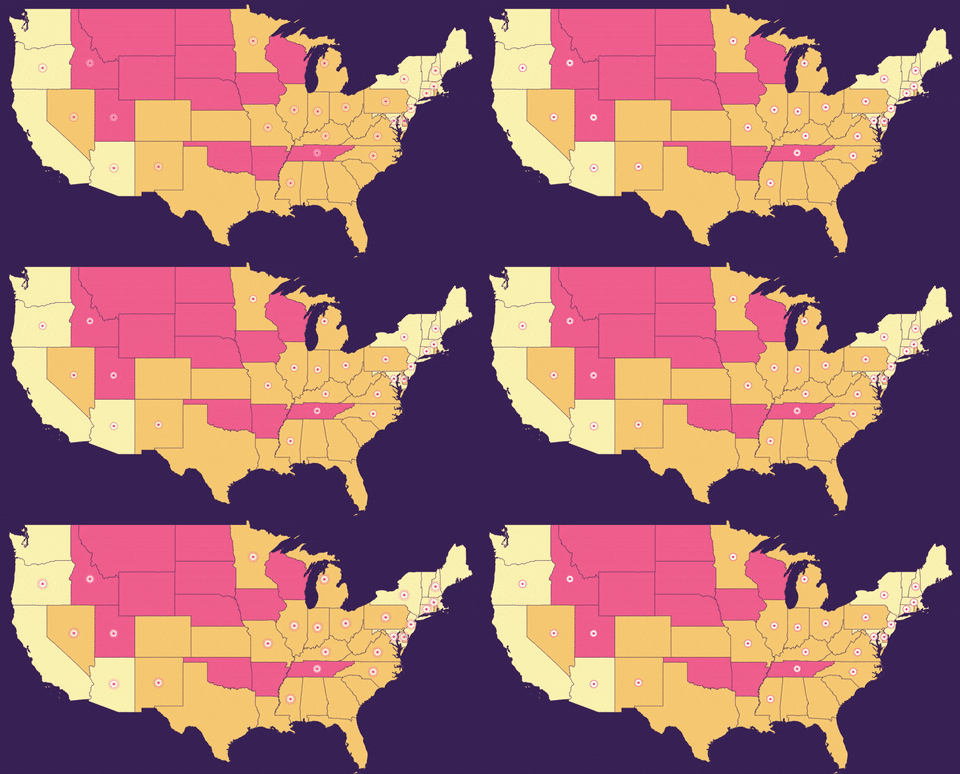
A company that makes internet-connected thermometers has shown success in predicting likely COVID-19 hot spots days or even weeks before case counts rise.
Why it matters: Even as the U.S. has ramped up coronavirus testing, too often we're still behind the pace of the virus. But connected, at-home diagnostics could give advance warning of when COVID-19 — or the next new virus — is about to strike.
First lady Melania Trump disclosed on Wednesday that her 14-year-old son, Barron Trump, also tested positive for COVID-19 in a statement detailing her experiences with the virus. Barron exhibited no symptoms and has since tested negative.
The big picture: President Trump revealed that he and the first lady tested positive for the coronavirus on Oct. 1. The president was admitted to Walter Reed Medical Center the following day.
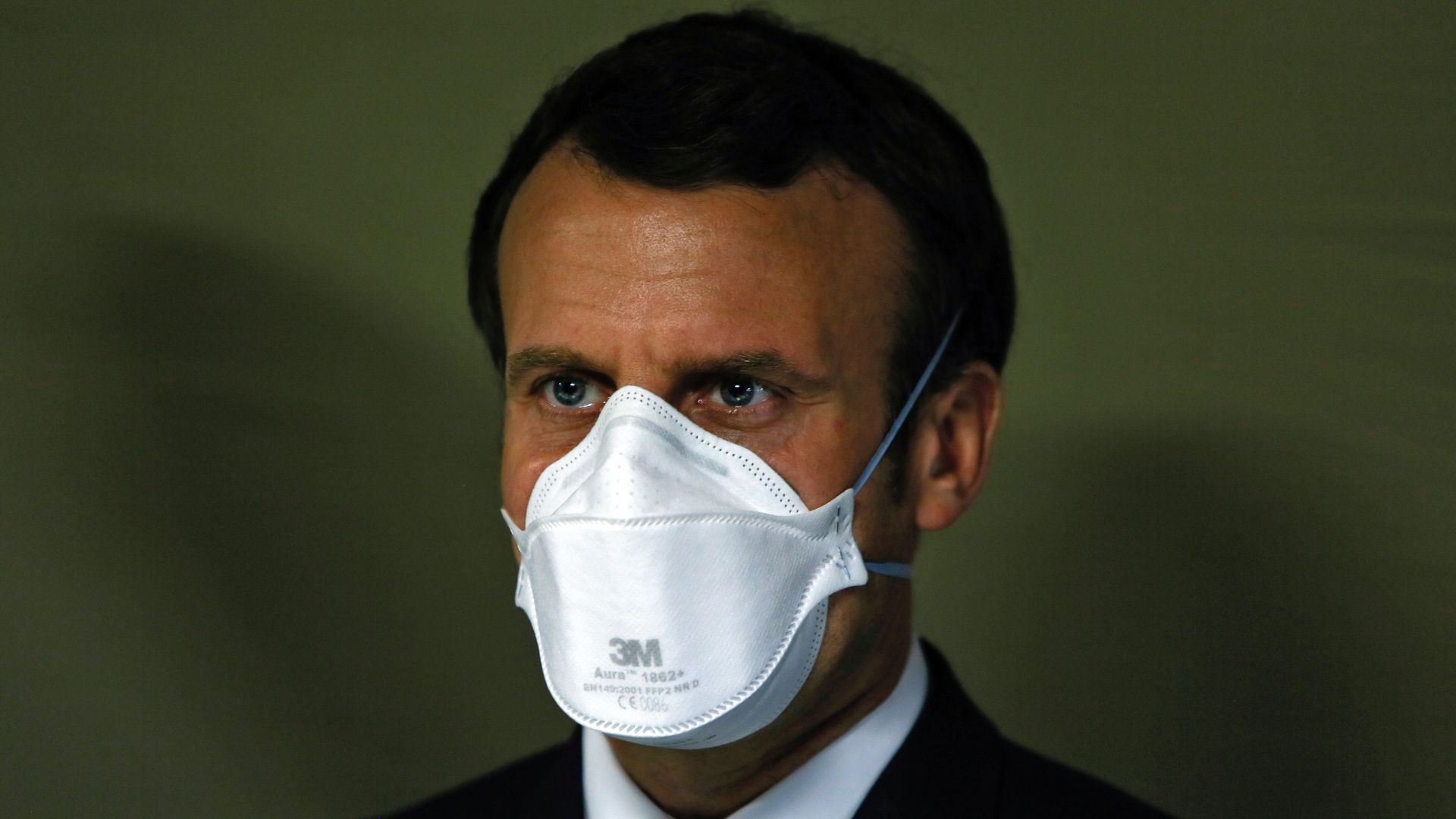
French President Emmanuel Macron on Wednesday declared a state of health emergency and instated a curfew on some of the regions that have been hardest hit by the coronavirus, France 24 reports.
Why it matters: A number of European countries have reimposed lockdown measures, as an uptick in COVID-19 cases has eroded the continent's earlier progress in containing the virus. Macron described the situation as a "second wave."
Italy on Wednesday reported 7,332 new positive COVID-19 tests — breaking its previous record for most infections added in a single day — while the U.K. reported nearly 20,000 new cases.
Why it matters: Italy was one of the world's first major coronavirus hotspots, locking down the entire country in March as hospitals threatened to be overwhelmed, and the U.K. has Europe's highest death toll. After successfully suppressing the virus over the summer, many European countries are facing a potentially devastating second wave.
Air ambulances owned by private equity firms charge the highest rates — more than seven times what Medicare pays, according to a new analysis by the USC-Brookings Schaeffer Initiative for Health Policy.
Why it matters: Air ambulances are frequent sources of surprise medical bills, and even when they're covered by insurance, we all pay for these expensive prices through our premiums.
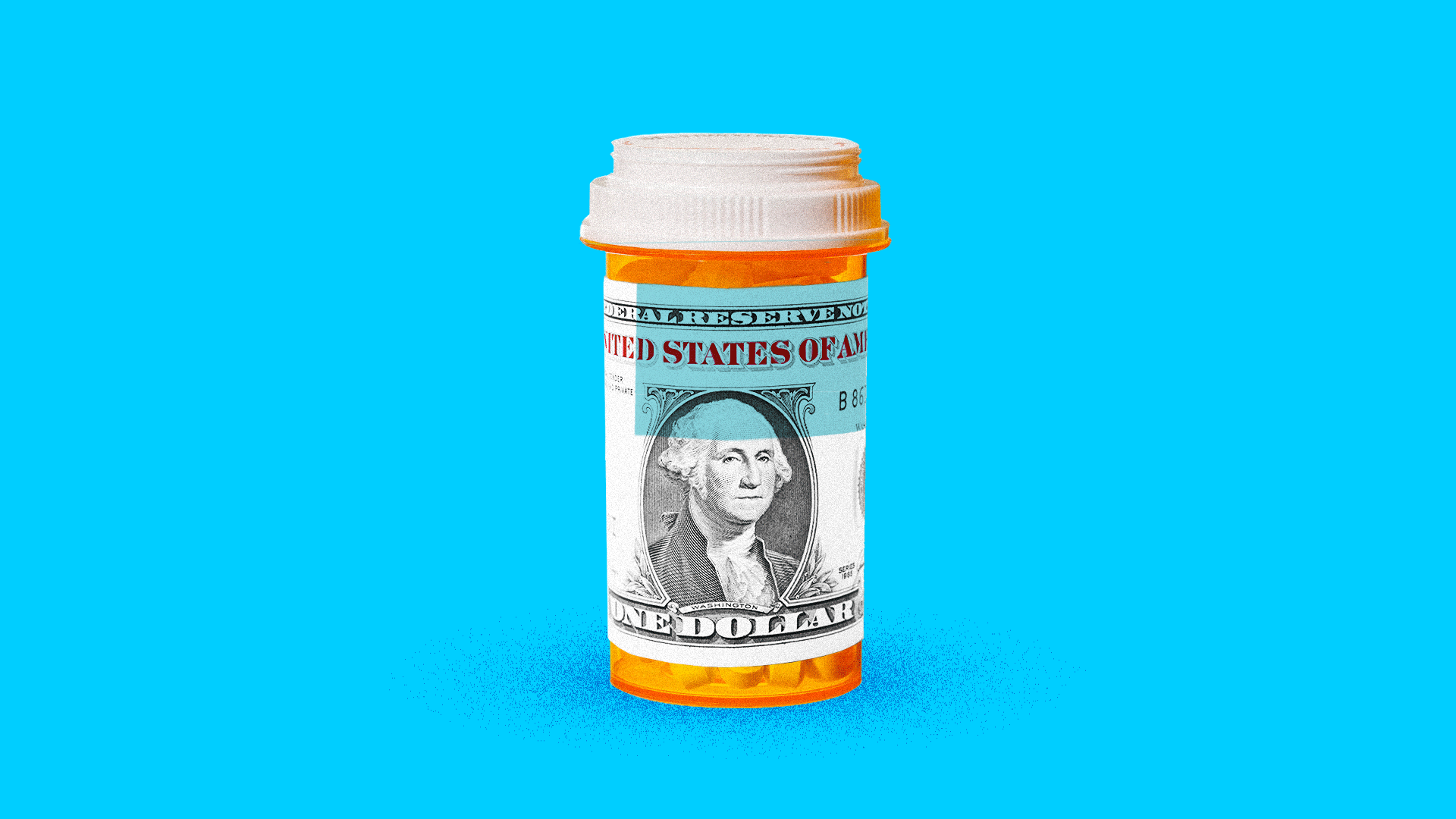
The $200 prescription drug discount cards the Trump administration promised to Medicare recipients won't likely reach households by the Nov. 3 goal, the Wall Street Journal reports.
Why it matters: The cards, which Trump announced in late September with little detail, target voters over 65, a group that is crucial to the president's reelection bid.
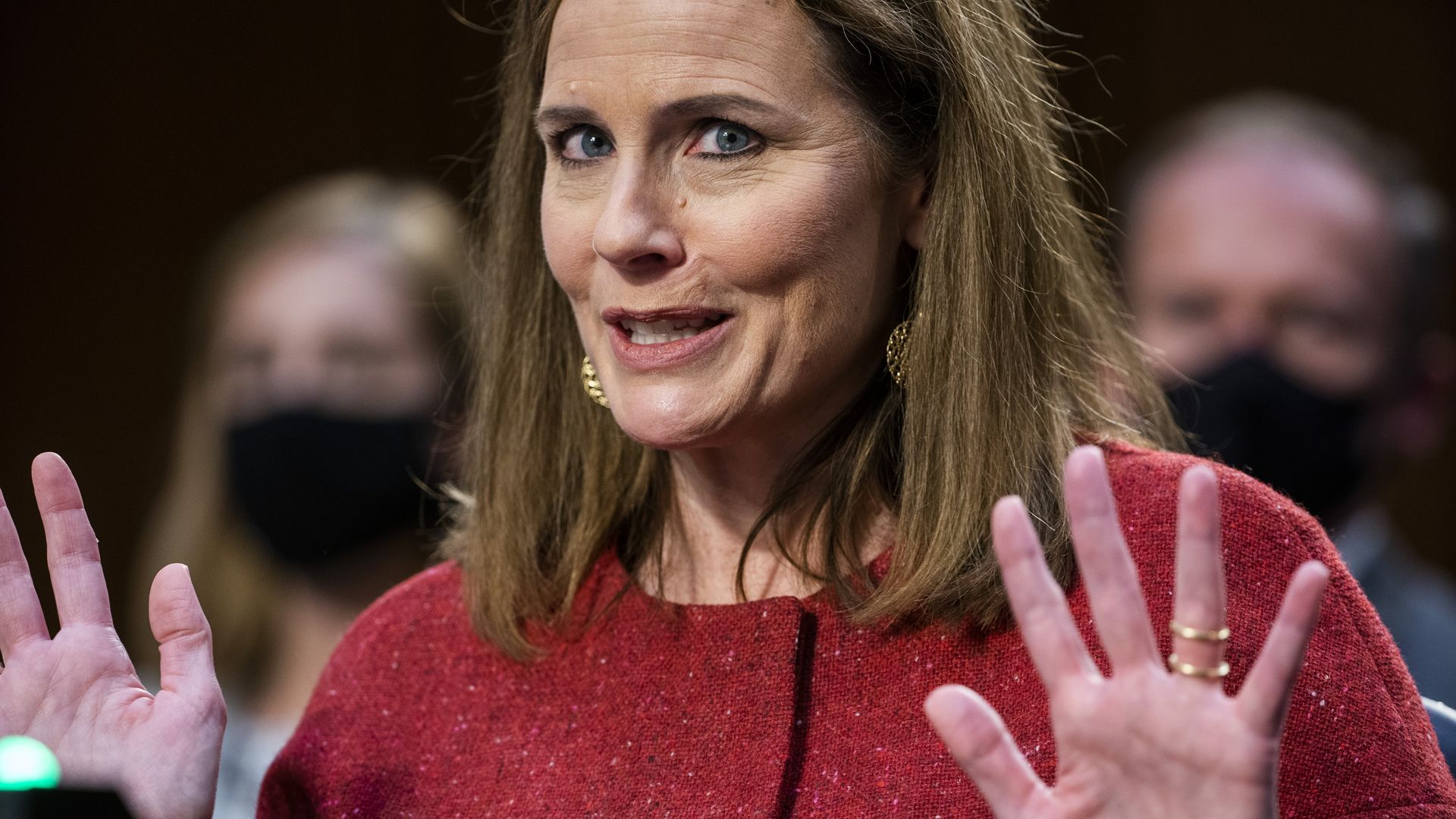
Health care was by far the dominant issue in the Senate Judiciary Committee’s confirmation hearing yesterday for Judge Amy Coney Barrett.
The big picture: After promising for 10 years to get rid of the Affordable Care Act, and with a lawsuit pending at the Supreme Court that could do exactly that, Republicans are making a new argument: c’mon, nobody’s getting rid of the Affordable Care Act.
Strikingly large shares of Black Americans say they would be reluctant to get a coronavirus vaccine — even if it was free and had been deemed safe by scientists, according to a new nationwide survey from KFF and The Undefeated.
Why it matters: The findings reflect well-founded distrust of government and health care institutions, and they underscore the need for credible outreach efforts when a vaccine is distributed. Otherwise, distribution could fail to effectively reach the Black community, which has been disproportionately affected by coronavirus.