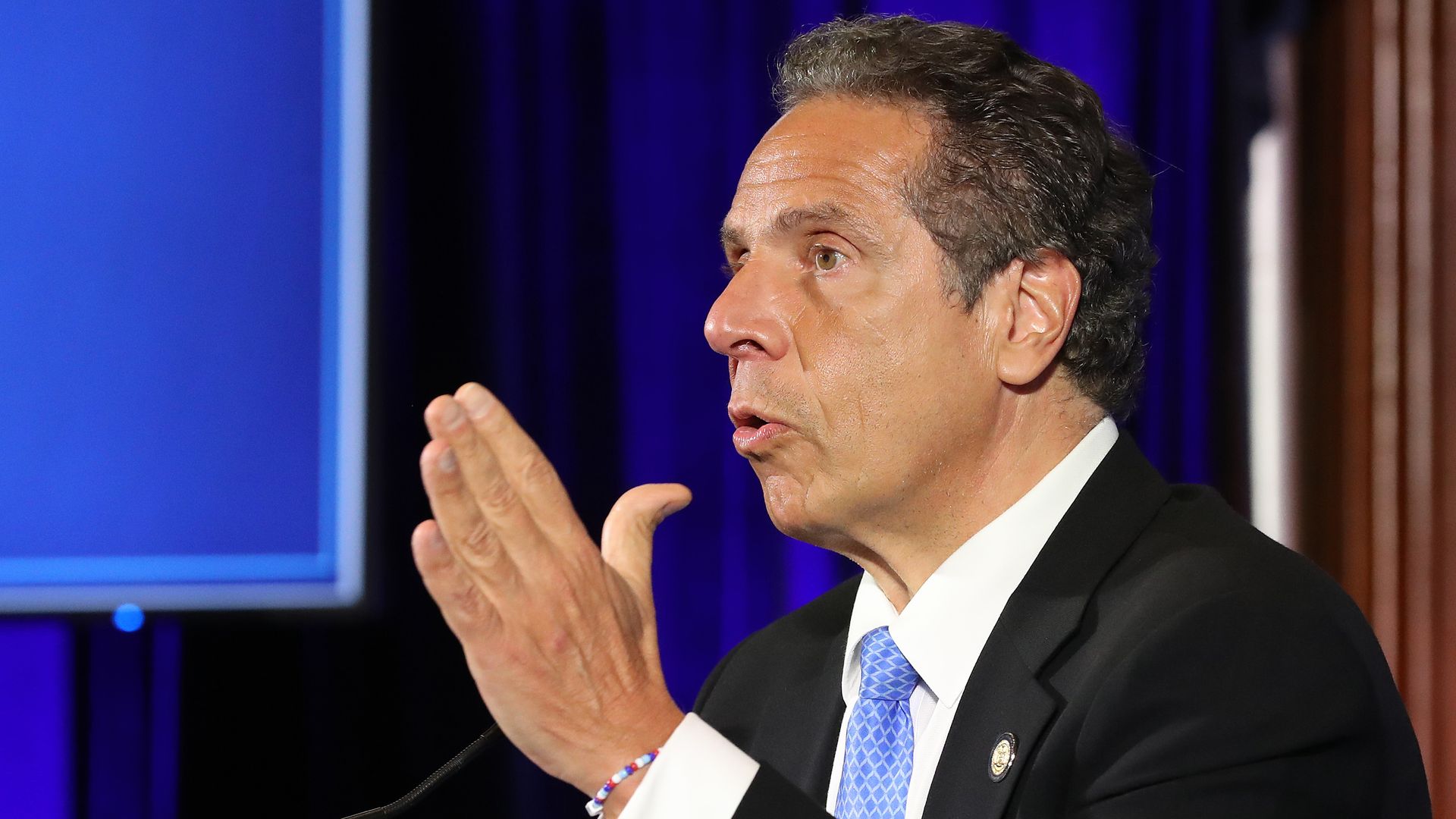
New York on Friday reported more than 1,000 new coronavirus cases for the first since June.
Why it matters: The New York City metropolitan area was seen as the epicenter of the COVID-19 pandemic throughout the spring. But strict social distancing and mask mandates helped quell the virus' spread, allowing the state to gradually reopen.
Why it matters: It was the highest single-day increase since August 14, when the country reported 64,350 new cases over a 24-hour span, and suggests that the U.S. has yet to contain the spread of the virus.
New data shows the mortality rate for children under 5 is continuing to fall, as improvements in nutrition and health reduce the earliest and most tragic deaths.
Why it matters: The continued decline in the youngest deaths is one of humanity's greatest victories, but the COVID-19 pandemic puts some of that progress in danger.
Less than 10% of the United States population has coronavirus antibodies, a study published in The Lancet on Friday found.
Why it matters: The findings suggest that the U.S. is far from herd immunity without a vaccine. Herd immunity — wherein widespread outbreaks are prevented because enough people in a community are immune to a disease — is one tactic public health experts are hoping could help squash the virus for good.
A less visible but still massive trauma caused by the coronavirus is becoming clear: our mental health is suffering with potentially long-lasting consequences.
Why it matters: Mental health disorders that range from schizophrenia to depression and anxiety exert a severe cost on personal health and the economy. Addressing that challenge may require out-of-the-box solutions.
Japan's newly elected Prime Minister Yoshihide Suga says he is committed to hosting the 2020 Olympics in Tokyo come summer 2021, per the AP.
Catch up quick: The Games were postponed due the coronavirus pandemic, but the competitions are rescheduled for next summer. Officials have not shared plans nor procedures to protect athletes, staff and guests from the virus and it remains to be seen whether a vaccine will be widely available by then.
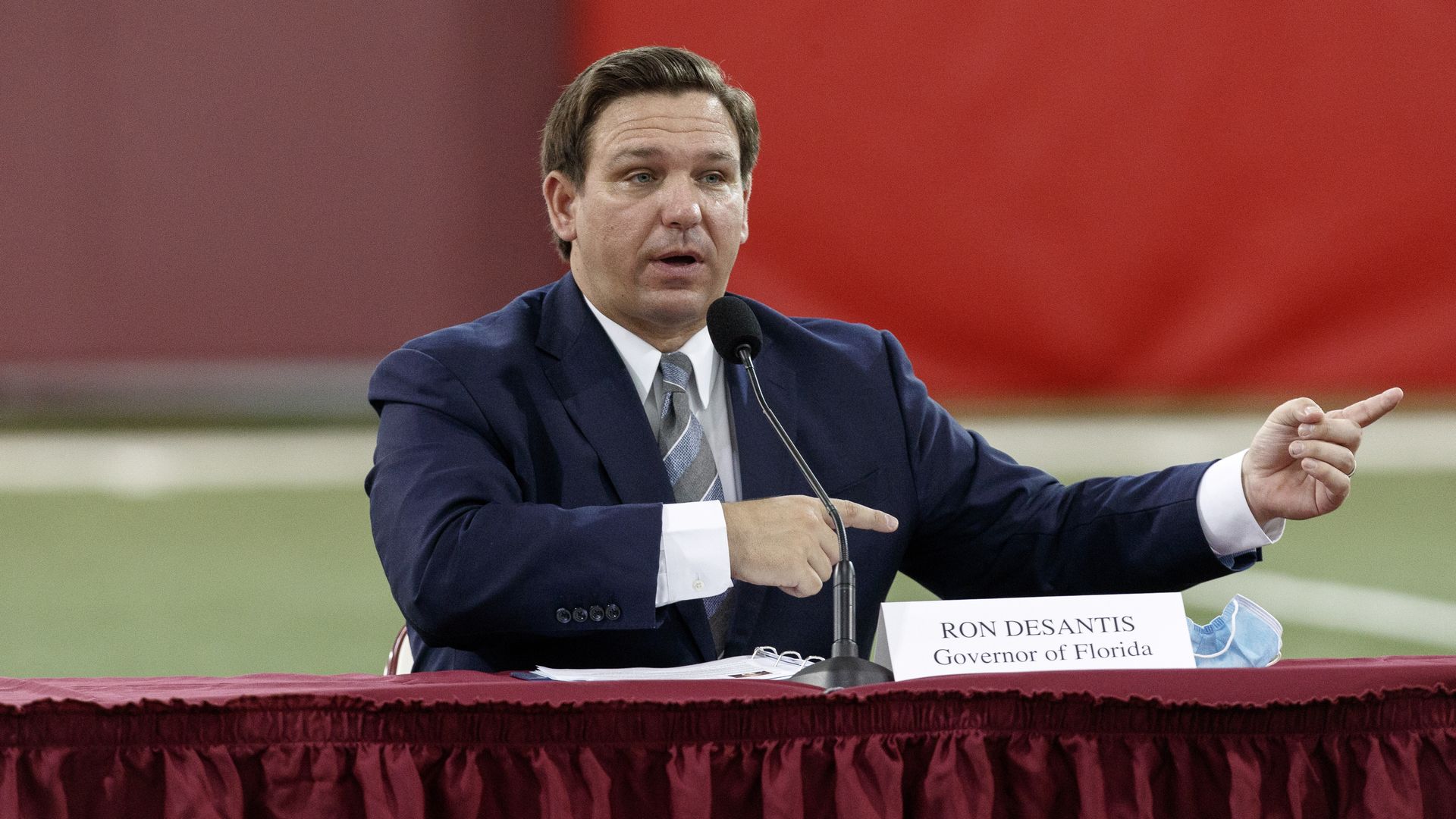
Florida Gov. Ron DeSantis (R) announced Friday the state will completely reopen its economy, allowing restaurants to operate at full capacity and barring localities from ordering businesses to close.
Airlines could soon have another tool to help disinfect their airplanes and protect passengers from the coronavirus.
Why it matters: Air travel remains severely depressed since the beginning of the coronavirus pandemic. The industry won't recover until passengers feel confident they won't be infected in flight by fellow travelers.
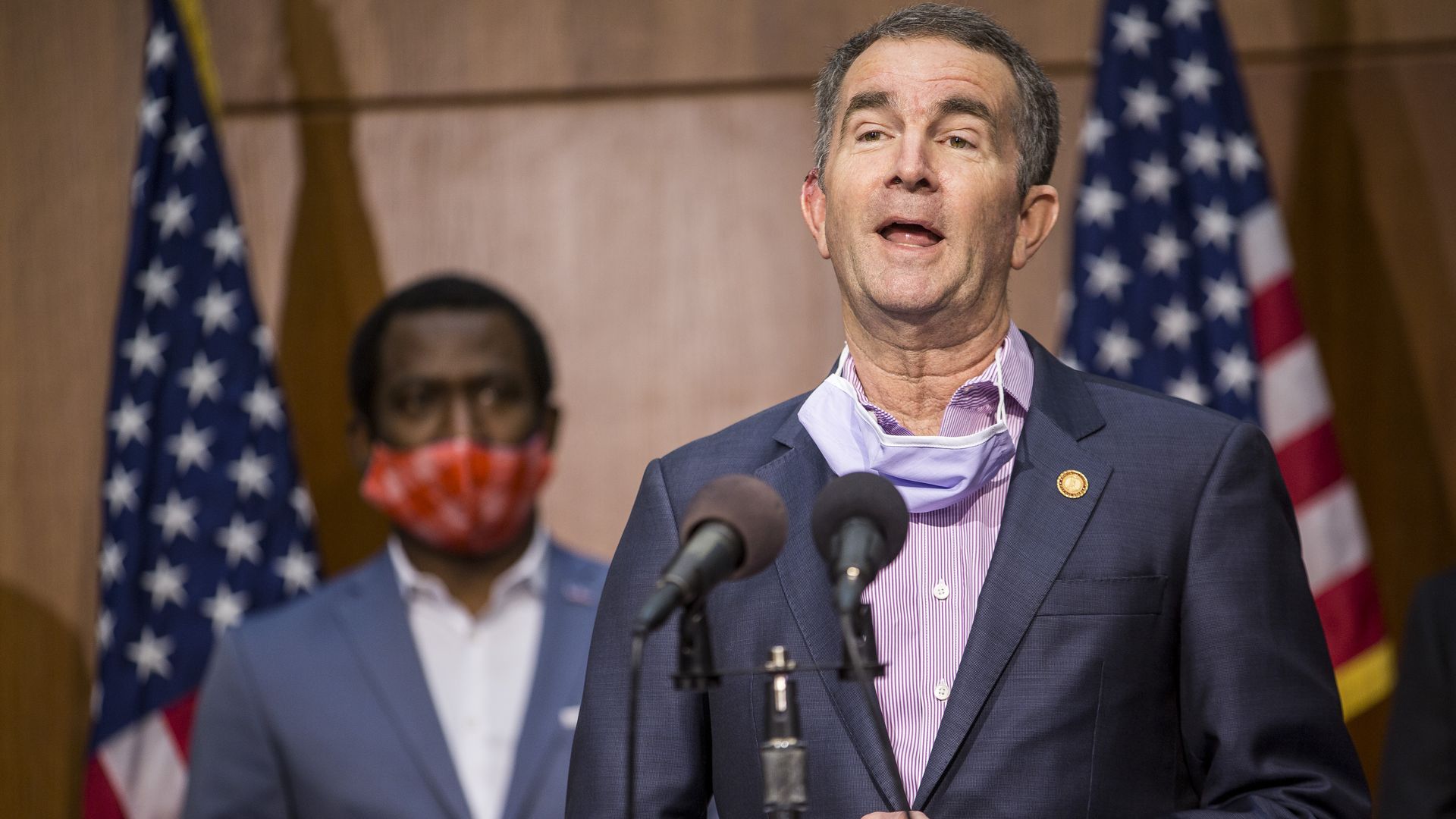
Virginia Gov. Ralph Northam (D) and his wife, Pamela, both tested positive for coronavirus, his office announced on Friday.
The state of play: The Northams were tested after one of their staff "who works closely within the couple's living quarters" tested positive. The governor is asymptomatic, while his wife is "experiencing mild symptoms." They plan to isolate at home for 10 days.
President Trump issued an executive order on Thursday pledging to protect Americans with preexisting conditions — which is not only toothless but also is only necessary if a Trump-backed lawsuit successfully dismantles the Affordable Care Act.
Why it matters: The presidential election is a month and a half away, and Republicans learned the hard way in 2018 that threatening the ACA's preexisting conditions protections is politically perilous.
People in their 20s accounted for more than 20% of all COVID-19 cases between June and August, analysis from the Centers for Disease Control and Prevention shows, bringing the median age of coronavirus patients to 37, down from 46 in the spring.
Why it matters: Young people are less vulnerable to serious illness, but they contributed to community spread over the summer, the analysis says — meaning they likely infected older, higher-risk people, especially in the South.
Schools in Southern and Midwestern states are most at risk of coronavirus transmission, according to an analysis by Coders Against COVID that uses risk indicators developed by the Centers for Disease Control and Prevention.
The big picture: Thankfully, schools have not yet become coronavirus hotspots, the Washington Post reported this week, and rates of infection are lower than in the surrounding communities. But that doesn't mean schools are in the clear, especially heading into winter.
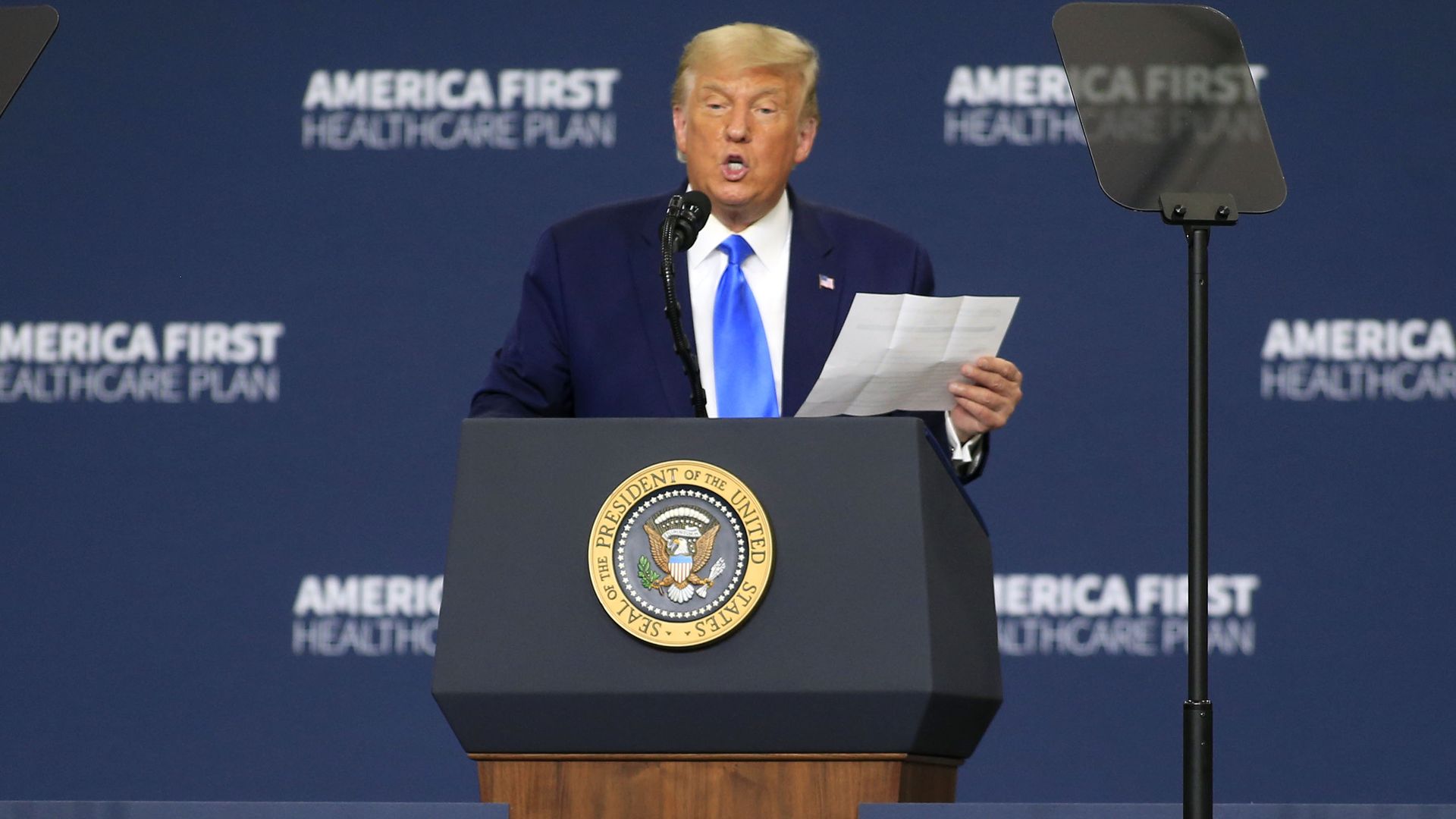
President Trump outlined his ambitions for health care policy in a North Carolina speech Thursday, promising "the highest standard of care anywhere in the world," before signing an executive order guaranteeing protections for pre-existing conditions and then pledging to ban surprise medical bills.
Reality check: The only reason that pre-existing conditions protections, which are guaranteed under the Affordable Care Act, are at risk is because a Trump-backed lawsuit against the law is pending before the Supreme Court. Trump's executive order offers few details, and executive orders in and of themselves don't change policy. The order "simply declares it's national policy to protect coverage of people with preexisting conditions," Politico writes.