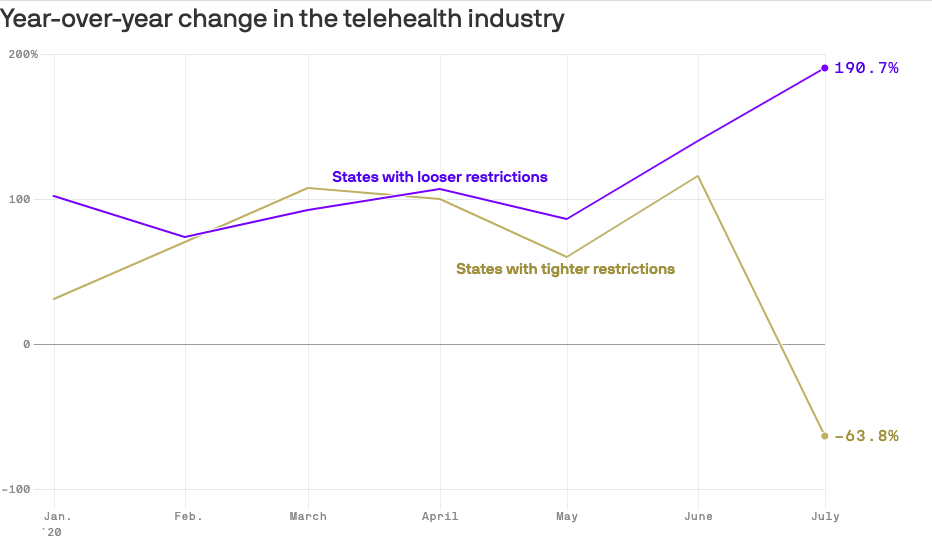
Note: States with looser restrictions defined as CO, FL, GA, MS, MT, SC. States with tighter restrictions defined as CA, CT, NJ, NY, VT, WA. Data: Second Measure; Chart: Axios Visuals
Data shows that while telemedicine has boomed during the pandemic, its growth has varied depending on different states' lockdown policies.
Why it matters: As the pandemic begins to come under control, how lasting the telemedicine boom will be depends ultimately on whether the services can truly replace doctors.
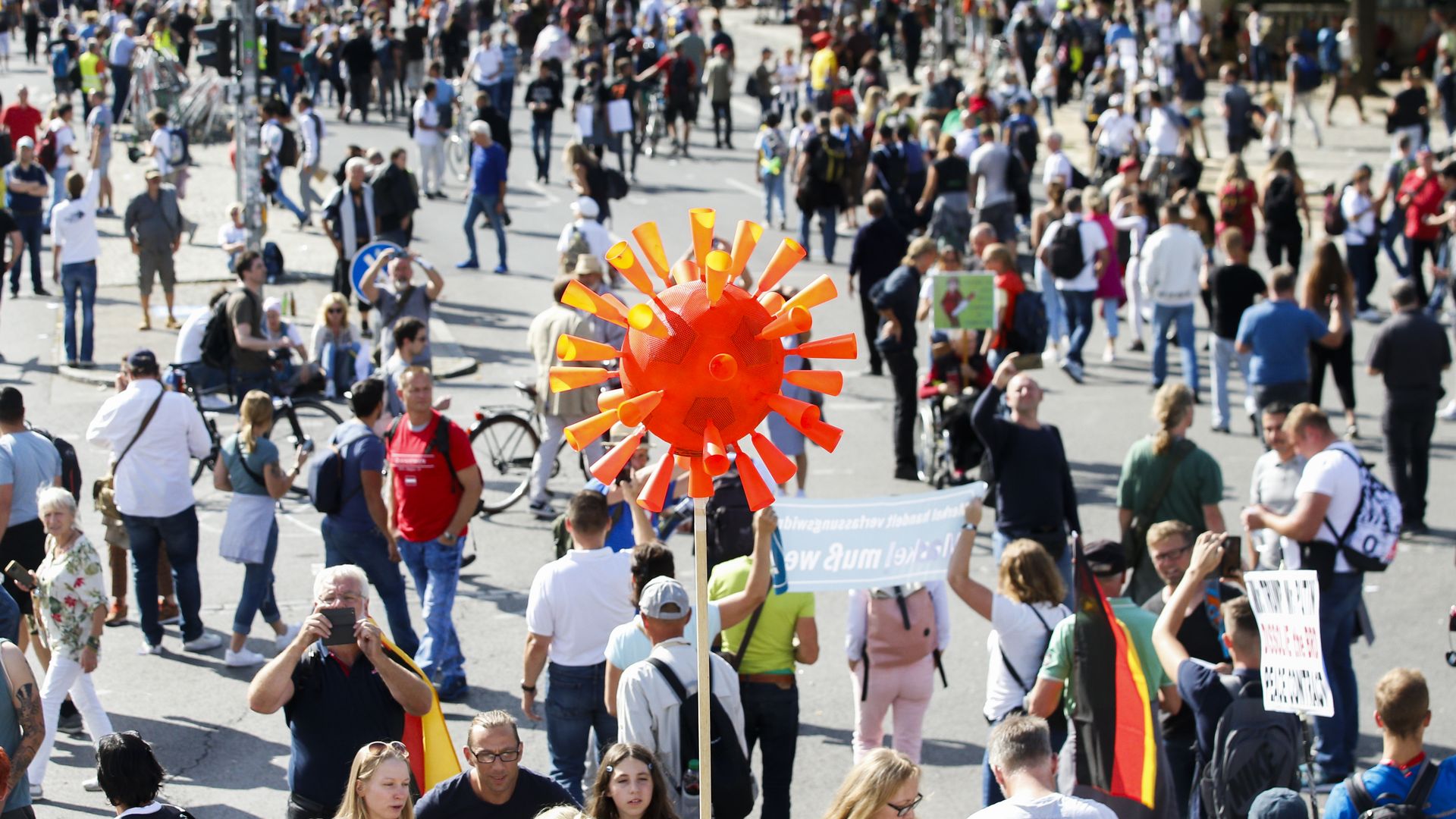
Several European countries have reported a jump in new coronavirus cases in recent weeks after a drop in cases over June and July, according to Johns Hopkins University data.
Why it matters: The surge could indicate that Europe is on the verge of a second wave, though currently fewer people are dying from the virus and new cases have needed less medical treatment than those who got it in the spring, according to the Washington Post.
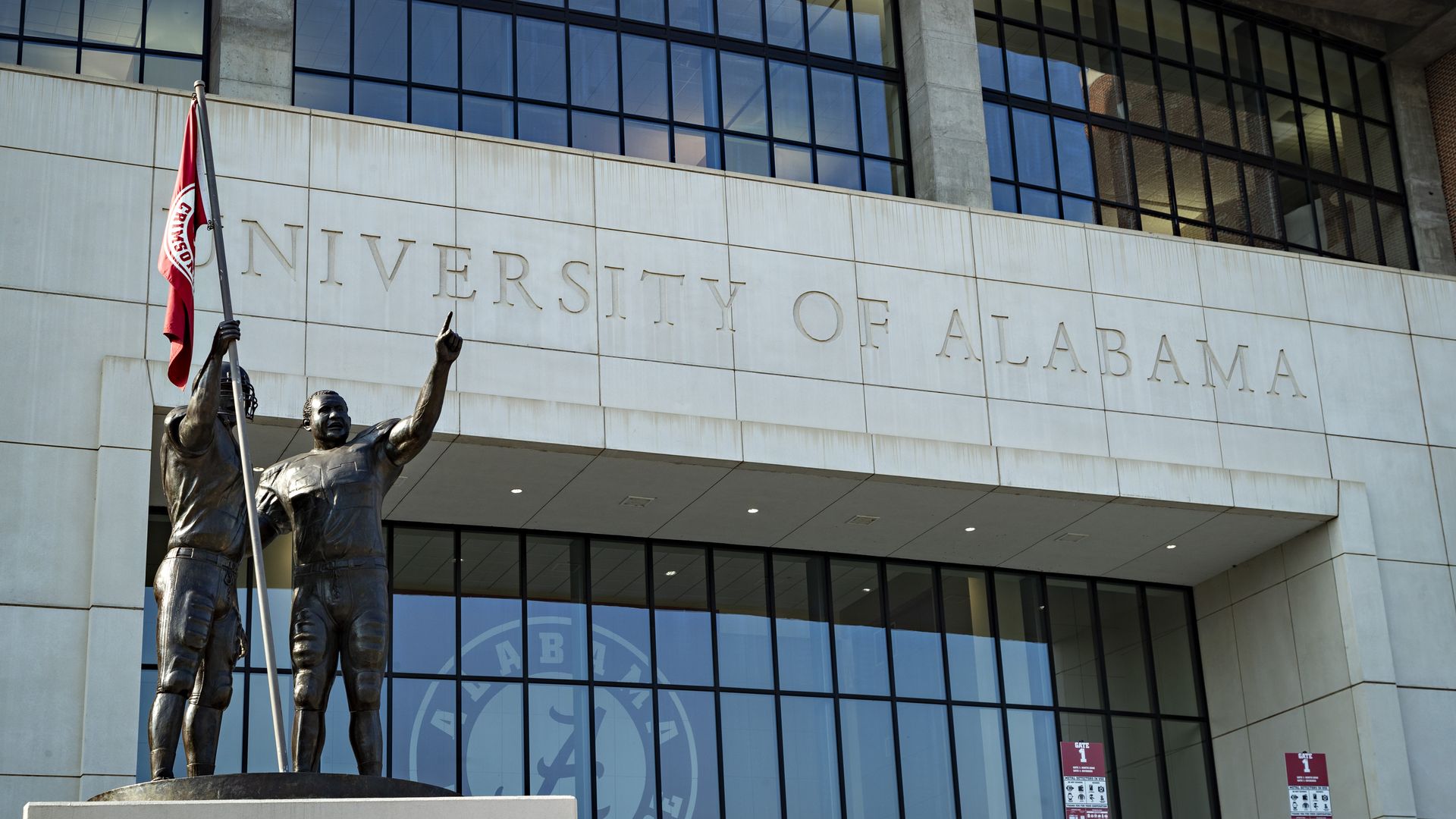
The University of Alabama on Friday reported an additional 485 confirmed cases of COVID-19 among students, faculty and staff since in-person classes resumed on Aug. 19, bringing the total number cases up to 1,052, according to the university's coronavirus dashboard.
Why it matters: The outbreak underscores concerns from public health experts that in-person classes could cause community spread within school populations. The total reported on Friday does not include the 381 positive tests caught when students, faculty and staff first re-entered campus.
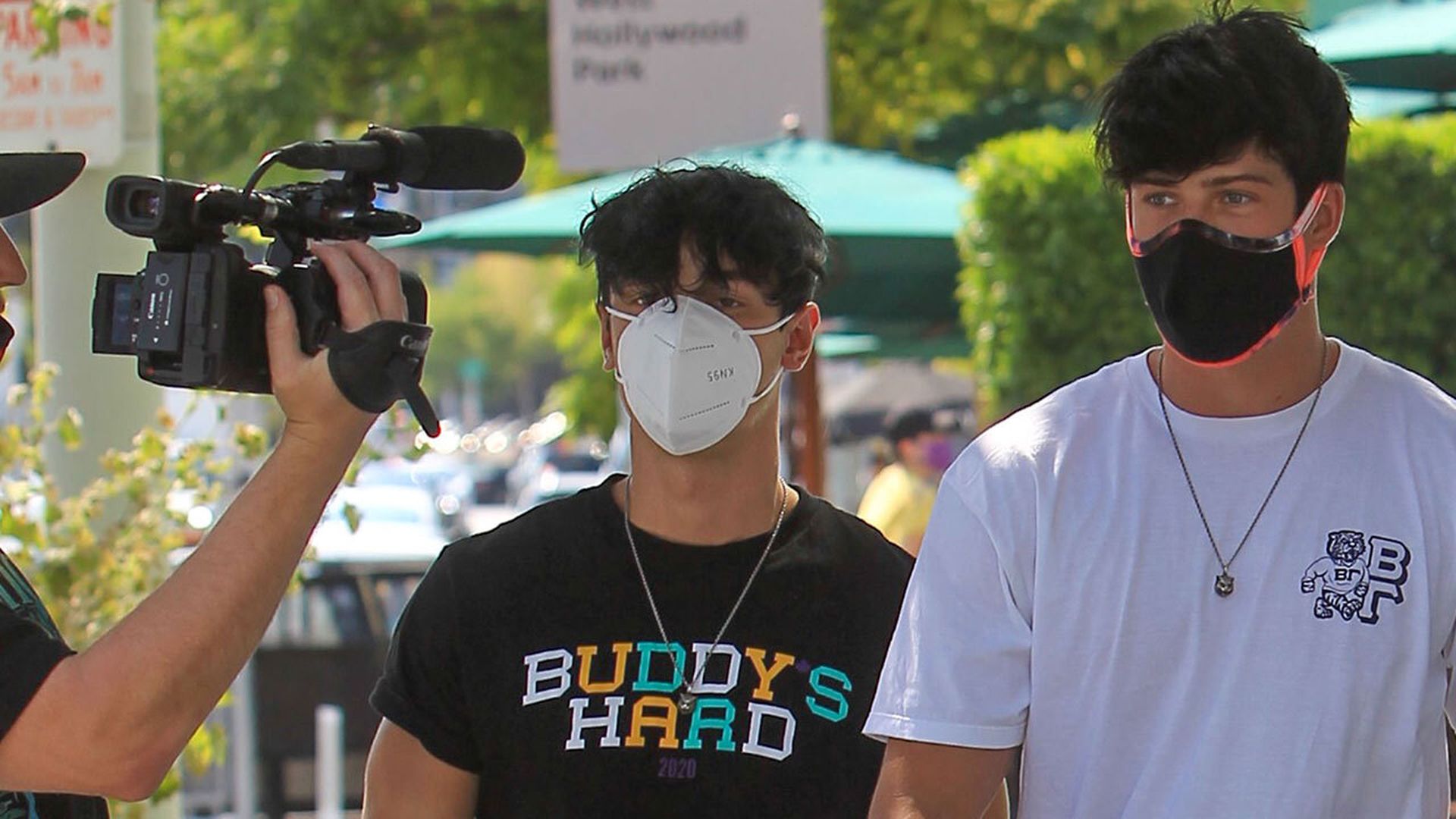
TikTok influencers Blake Gray and Bryce Hall face criminal charges for hosting "mega-parties" in the Hollywood Hills despite a city ban on large gatherings due to the coronavirus pandemic, authorities announced on Friday.
Why it matters: Los Angeles City Attorney Mike Feuer described the charges as a part of a "crackdown" on house parties that pose a risk to public health.
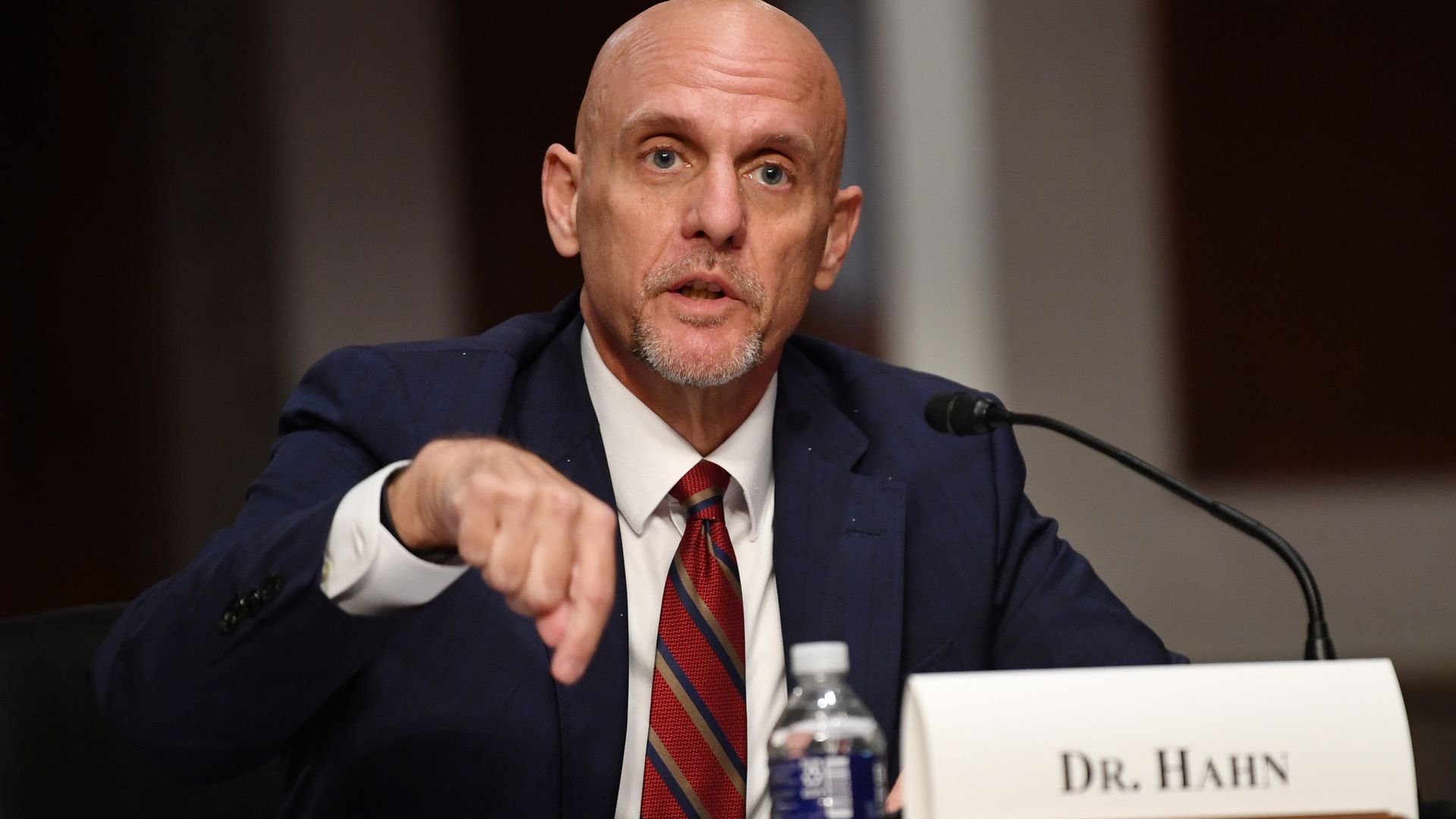
The Food and Drug Administration on Friday ousted its top spokesperson, Emily Miller, after less than two weeks on the job, reports the New York Times.
Why it matters: Miller's removal comes amid disagreements over the FDA's communication strategy and controversy surrounding its emergency use authorization of convalescent blood plasma as a coronavirus treatment.
Most people across 14 wealthy countries surveyed by Pew tend to think their country has handled the pandemic well — and in Denmark and Australia that view is near-universal.
The flipside: There are two exceptions to the generally positive outlook: the U.S. and U.K. Americans were also by far the most likely to say the pandemic has divided their country (77%), rather than uniting it (18%).
CNN chief medical correspondent Sanjay Gupta said Friday that some attendees at President Trump's acceptance speech at the Republican National Convention are likely to contract the coronavirus due to the event's lack of social distancing.
The state of play: The event on the White House's South Lawn saw more than 1,000 attendees in close proximity. Most did not wear masks and were seated inches apart.
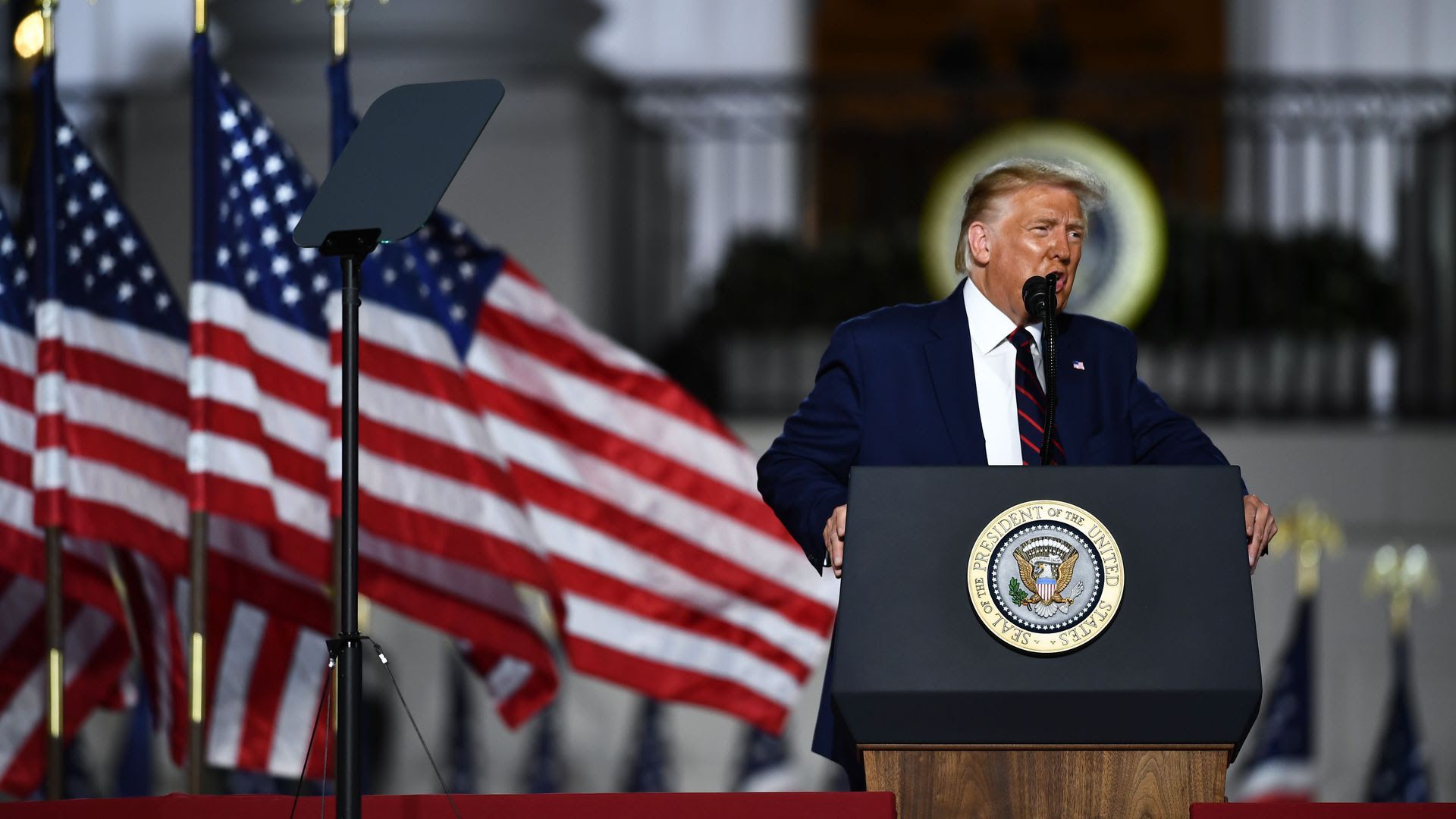
President Trump's convention speech last night did not frame the coronavirus as a thing that's over, the way some of the other programming during the convention had.
What happened: He acknowledged the 180,000 Americans who have died, and the toll on their families, and used the present and future tenses to describe a response that is still ongoing, but he painted a rosier picture of the U.S. response, and made bolder predictions, than the facts fully support.
Programs at community colleges and technical schools that require hands-on learning — like welding or auto repair — have a unique challenge as they try to stay open while keeping students safe.
Why it matters: One-third of higher education students enrolled last spring were from a community college. And their student bodies are often higher-risk than traditional colleges', with more students who work, come from communities hit hard by the virus, or are older.