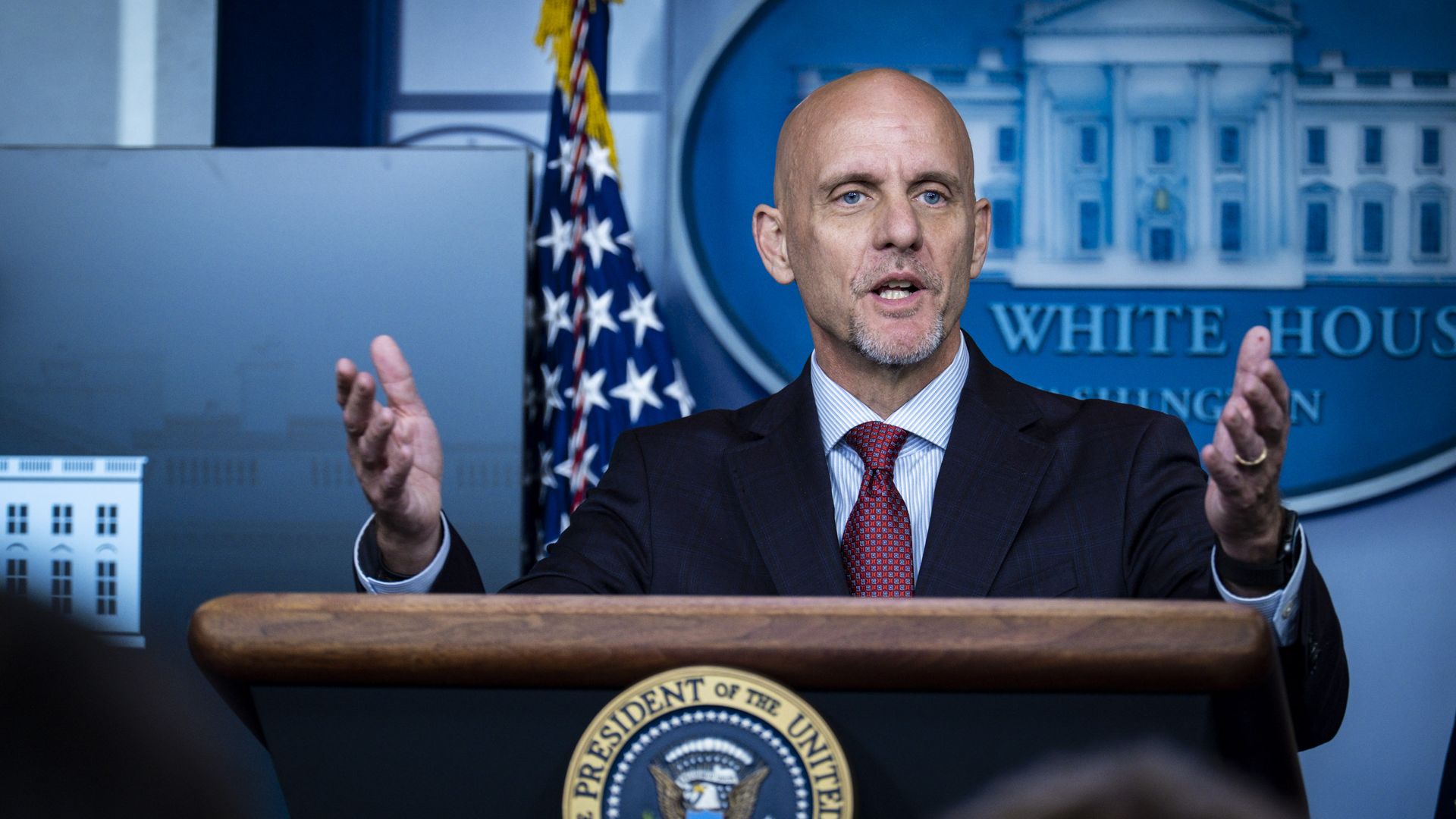
Food and Drug Administration Commissioner Stephen Hahn told the Financial Times he would be willing to fast-track the coronavirus vaccine process with an emergency use authorization before phase 3 trials are over, but insisted he would not do so for political reasons.
Why it matters: Health experts believe a vaccine — coupled with recommended public health measures — will be the path back to societal normalcy. The decision of when to green-light the vaccine will "likely to be one of the most important and sensitive in US public health history," writes the FT's Kiran Stacey.
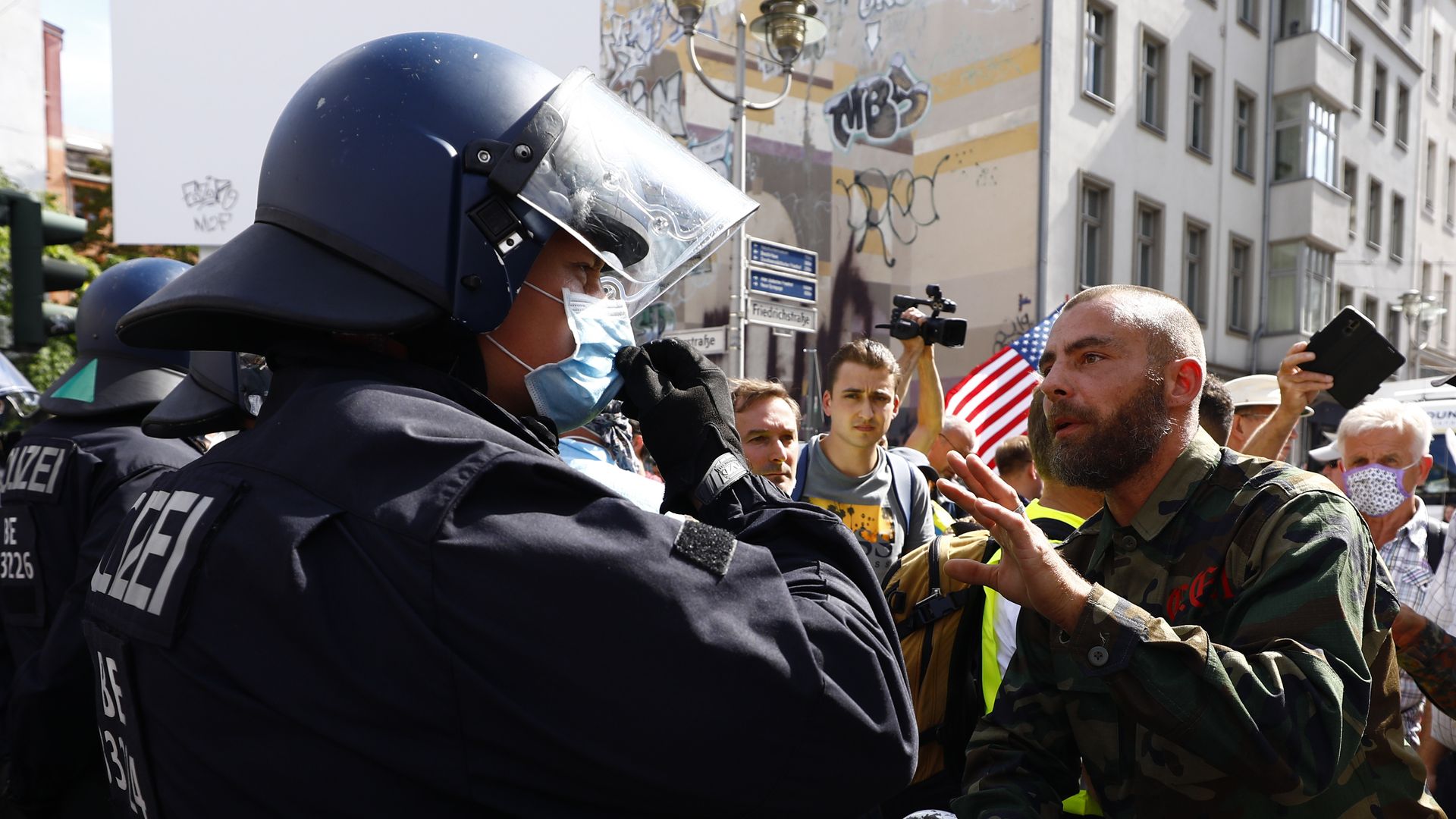
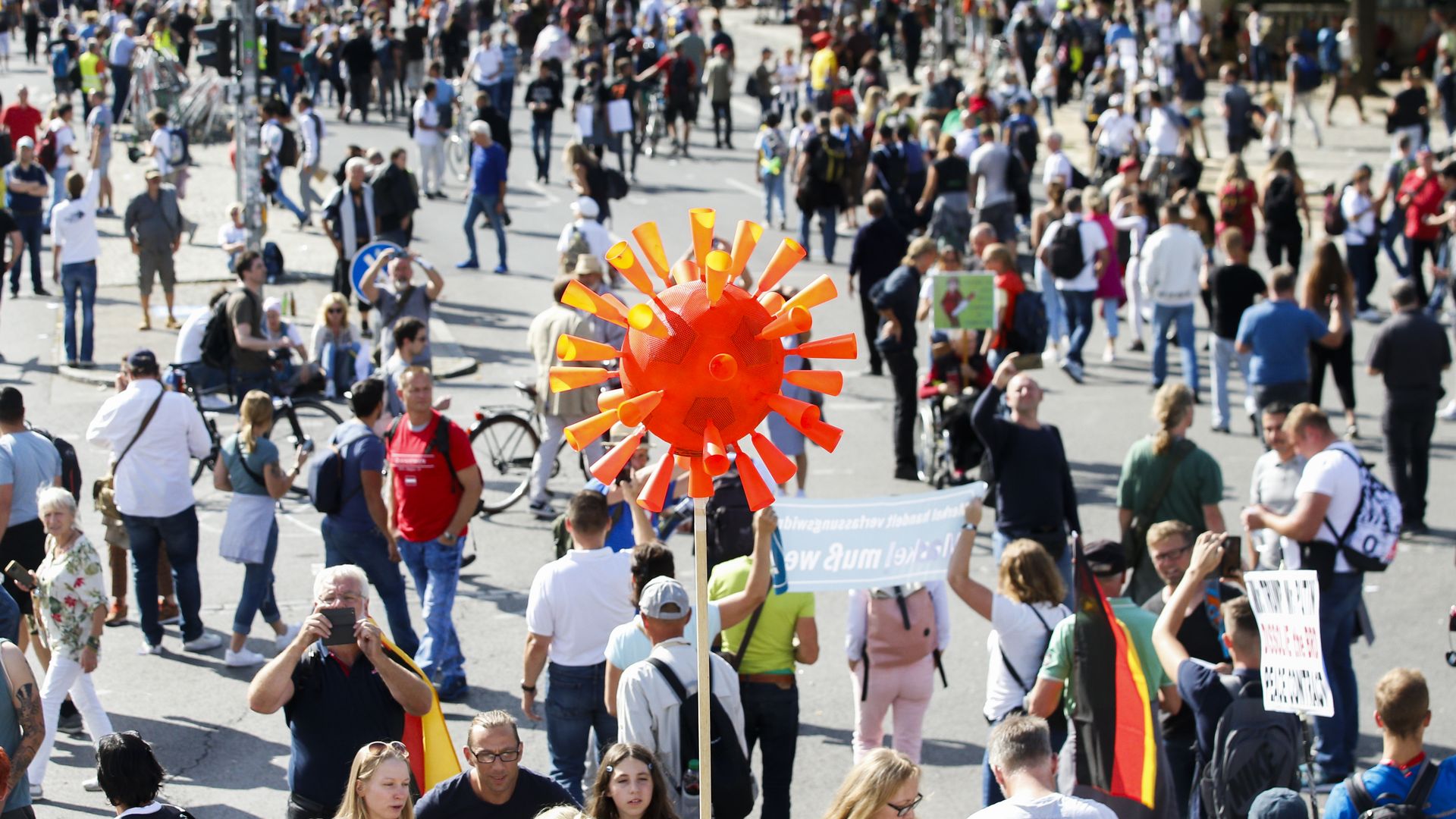
Berlin police arrested 300 demonstrators after disbanding a protest Saturday over Germany's coronavirus restrictions as tens of thousands of participants refused to maintain social distancing, per the BBC.
Why it matters: Berlin's regional government tried to ban the protest earlier this week, citing concern for public health. Protesters successfully appealed the decision on Friday, though a court required demonstrators to observe social distancing.
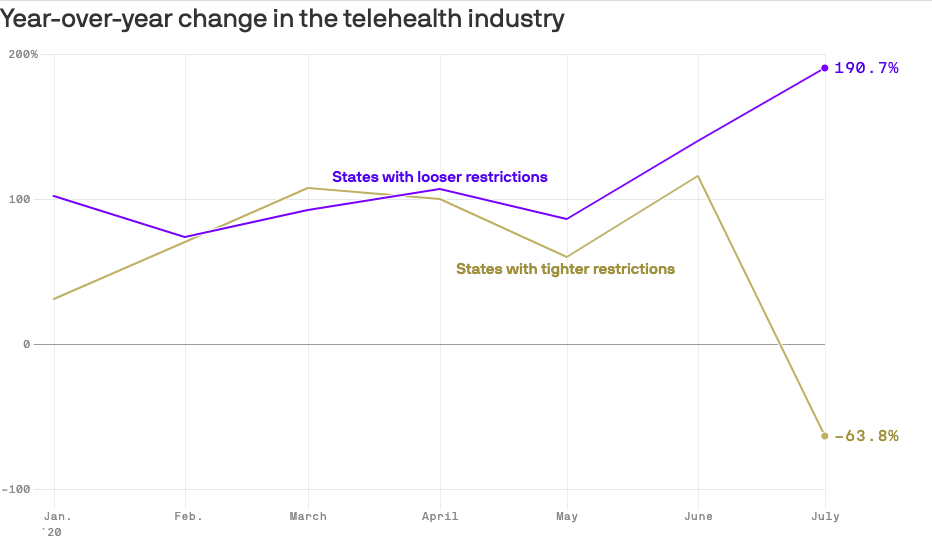
Note: States with looser restrictions defined as CO, FL, GA, MS, MT, SC. States with tighter restrictions defined as CA, CT, NJ, NY, VT, WA. Data: Second Measure; Chart: Axios Visuals
Data shows that while telemedicine has boomed during the pandemic, its growth has varied depending on different states' lockdown policies.
Why it matters: As the pandemic begins to come under control, how lasting the telemedicine boom will be depends ultimately on whether the services can truly replace doctors.
Several European countries have reported a jump in new coronavirus cases in recent weeks after a drop in cases over June and July, according to Johns Hopkins University data.
Why it matters: The surge could indicate that Europe is on the verge of a second wave, though currently fewer people are dying from the virus and new cases have needed less medical treatment than those who got it in the spring, according to the Washington Post.
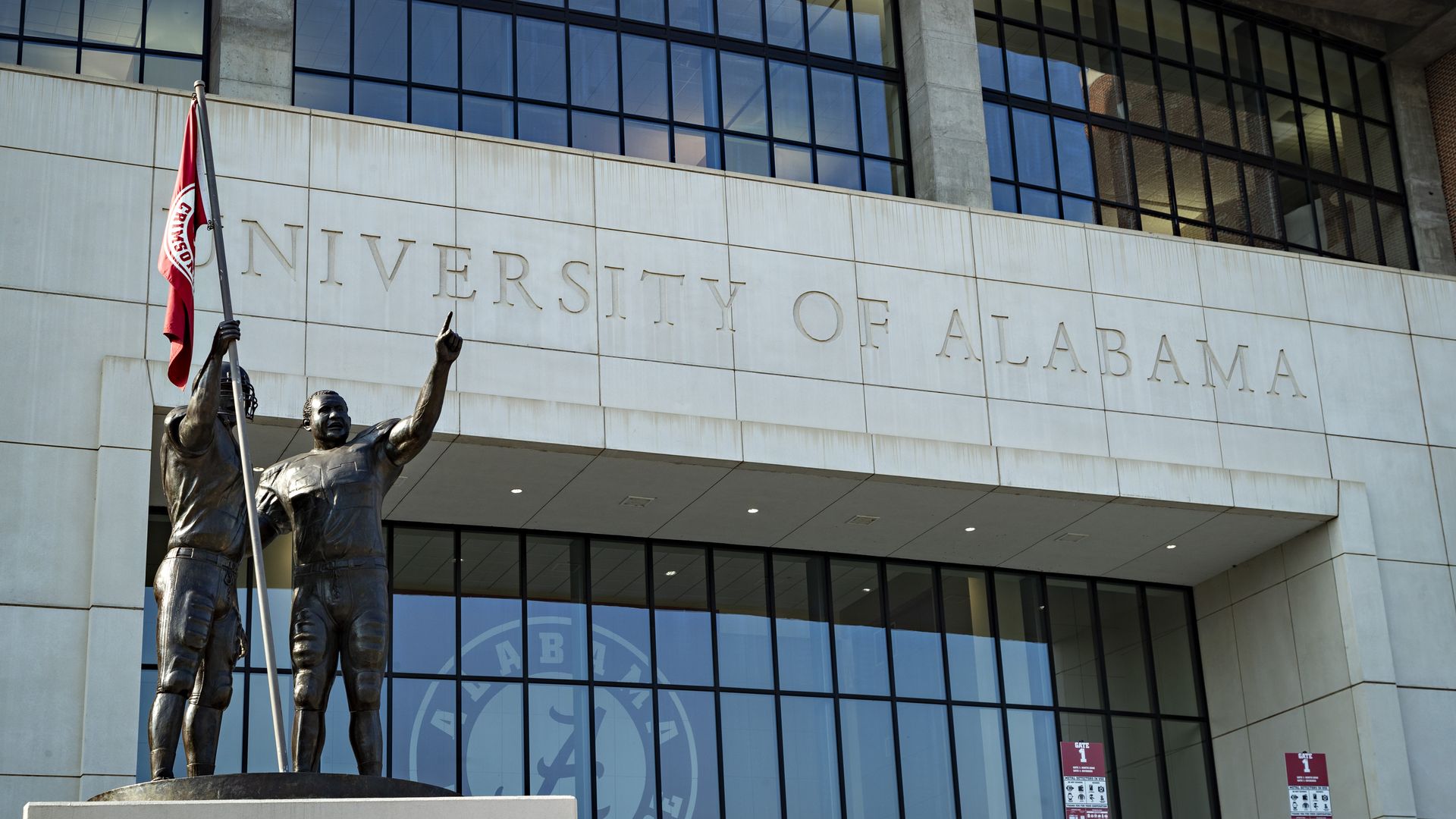
The University of Alabama on Friday reported an additional 485 confirmed cases of COVID-19 among students, faculty and staff since in-person classes resumed on Aug. 19, bringing the total number cases up to 1,052, according to the university's coronavirus dashboard.
Why it matters: The outbreak underscores concerns from public health experts that in-person classes could cause community spread within school populations. The total reported on Friday does not include the 381 positive tests caught when students, faculty and staff first re-entered campus.