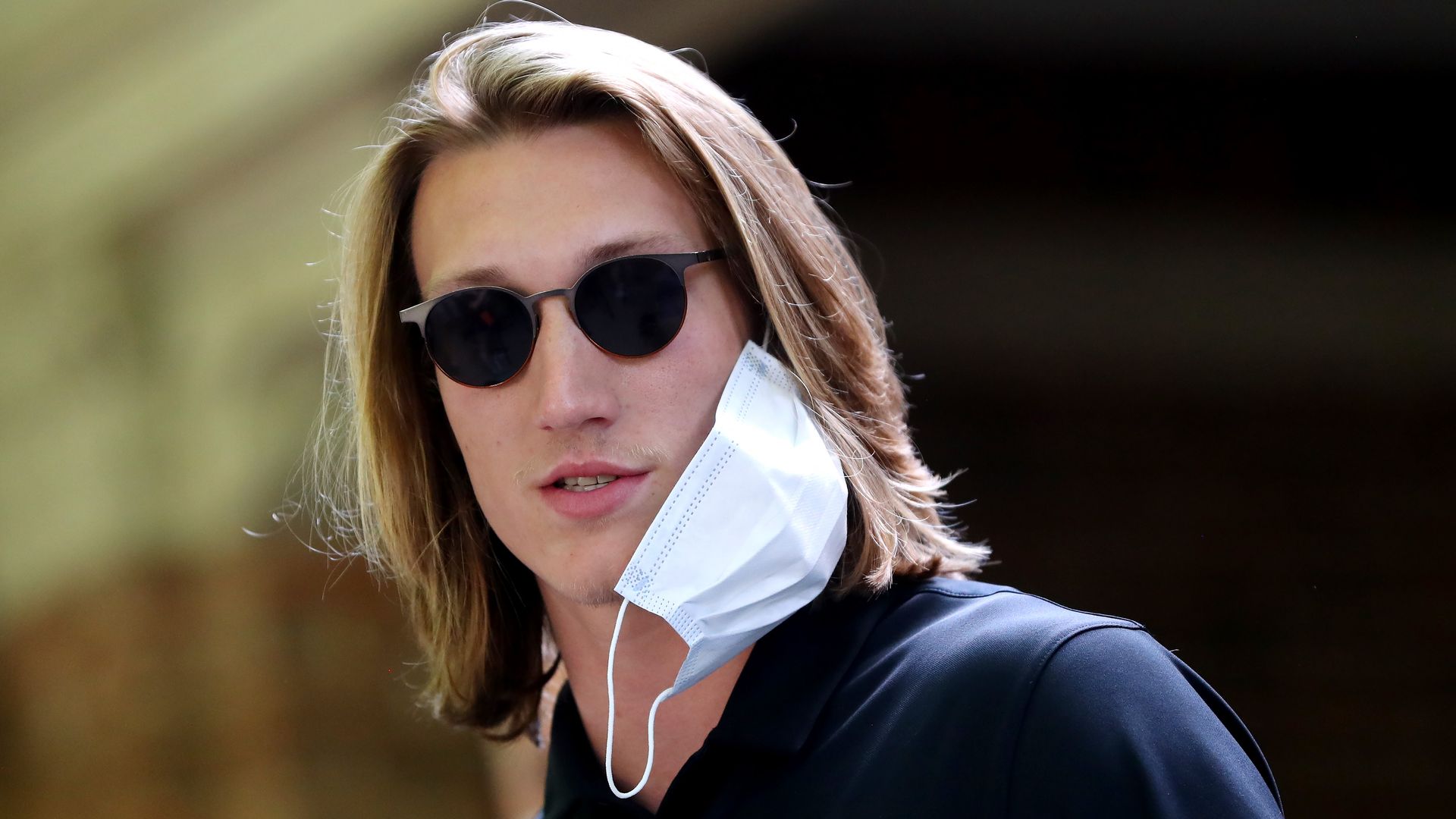
President Trump told reporters at a Saturday press conference that Clemson star quarterback Trevor Lawrence called him about the upcoming college football season.
What they're saying: “...I want college football to come back. These are strong, healthy, incredible people. These are people that want to play football very badly," Trump said Saturday evening. "A great, great talented quarterback Trevor Lawrence called me two days ago; I spoke to him a couple times."
A school district near Phoenix, Arizona, said it will not reopen on Aug. 17 as planned because too many teachers have refused to show up over health and safety concerns.
By the numbers: More than 100 of the approximately 250 teachers who work for the district said they would be absent on Monday, a district spokesperson told AZCentral on Friday.
American students are facing a shortage of laptops, particularly low-cost Chromebooks popular in K-8 schools, at the same time that many districts are choosing full-remote or hybrid reopening models.
Pandemic learning pods — also called microschools or co-ops — are popular options for parents looking to fill in the academic and social gaps for children who will be learning virtually come fall.
How it works: Across the country, groups of parents are pooling resources to hire a teacher, tutor or child care professional to preside over a small cohort of students, direct their studies and provide general supervision so parents can work.
Parents expect to rely on family members to help babysit, tutor or tend to their children's needs in the fall as they try to juggle competing demands and uncertainty, according to a flash poll of 310 U.S. parents who are part of an Ipsos-run community panel conducted Aug. 10-12.
The big picture: Parents are facing another semester of tackling the superhuman task of managing virtual education from home while also working.
The pandemic's disruption of in-person instruction is especially difficult for the seven million U.S. students with disabilities and other special needs and their families.
The big picture: The sudden and sustained switch to online learning is straining already under-resourced special education providers — and could lead to even steeper learning loss among a vulnerable student population, experts say.
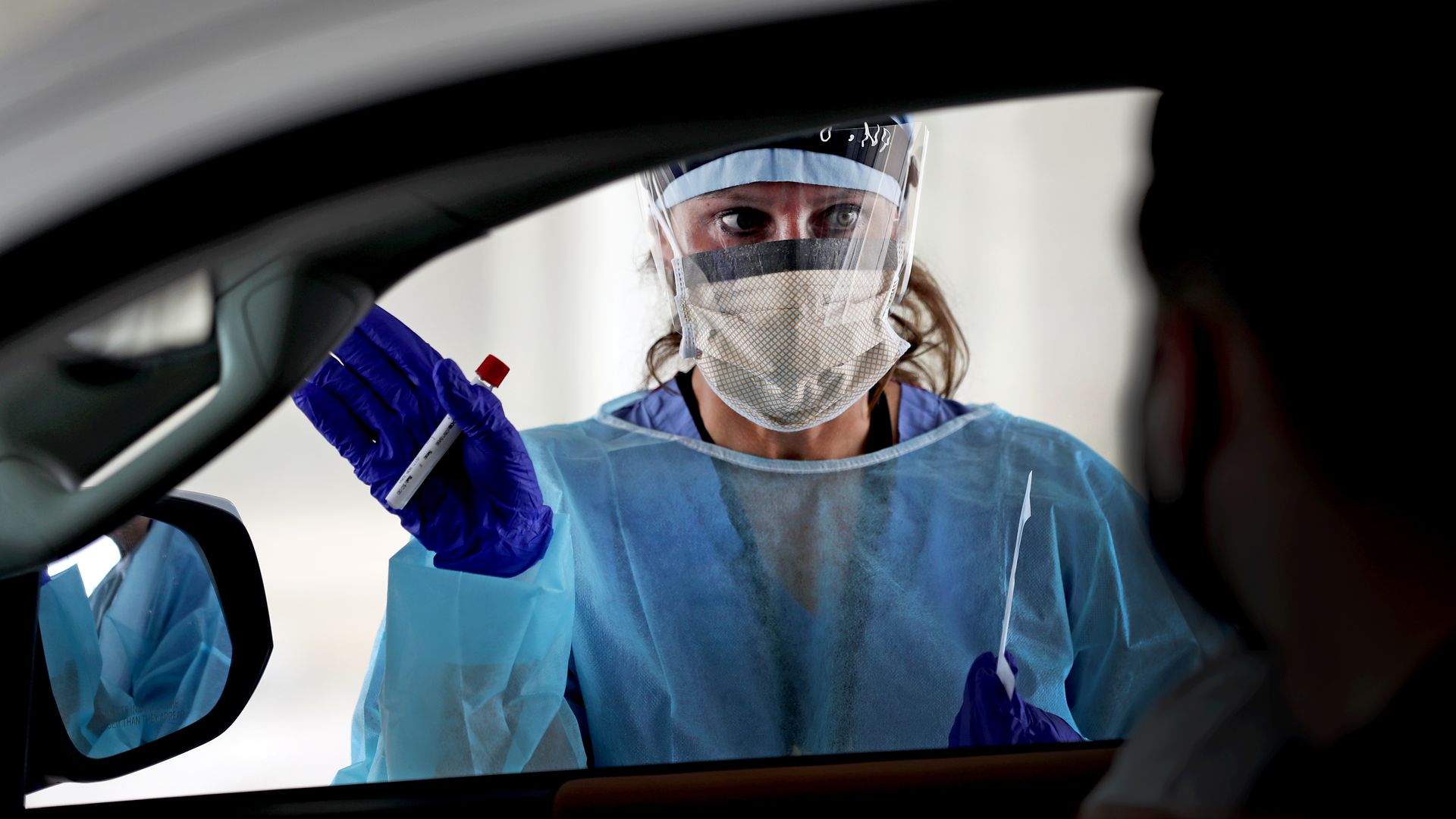
The Food and Drug Administration issued an emergency use authorization to Yale School of Public Health for its SalivaDirect COVID-19 diagnostic test on Saturday.
Why it matters: The test uses a new method of rapidly processing saliva samples when testing for the virus and "is yet another testing innovation game changer that will reduce the demand for scarce testing resources,” said Assistant Secretary for Health and COVID-19 Testing Coordinator Admiral Brett Giroir.
This weekend we're posting four mini-episodes of the Axios Re:Cap podcast, focused on the unique challenges of back-to-school in 2020. This one digs into learning loss, and its long-term implications for students, schools, and the economy.
This weekend we're posting four mini-episodes of the Axios Re:Cap podcast, focused on the unique challenges of back-to-school in 2020. This one digs into the strains on special education.
This weekend we're posting four mini-episodes of the Axios Re:Cap podcast, focused on the unique challenges of back-to-school in 2020. This one digs into learning pods, including what they are, how schools are reacting, and the inequities they may exacerbate.
Americans are more willing in the wake of the coronavirus to share their medical data in order to take advantage of the benefits of telemedicine.
Why it matters: For telemedicine to succeed, patients have to be open to sharing possibly sensitive personal health information online — and the demands of the COVID-19 pandemic seem to have helped lower that bar.
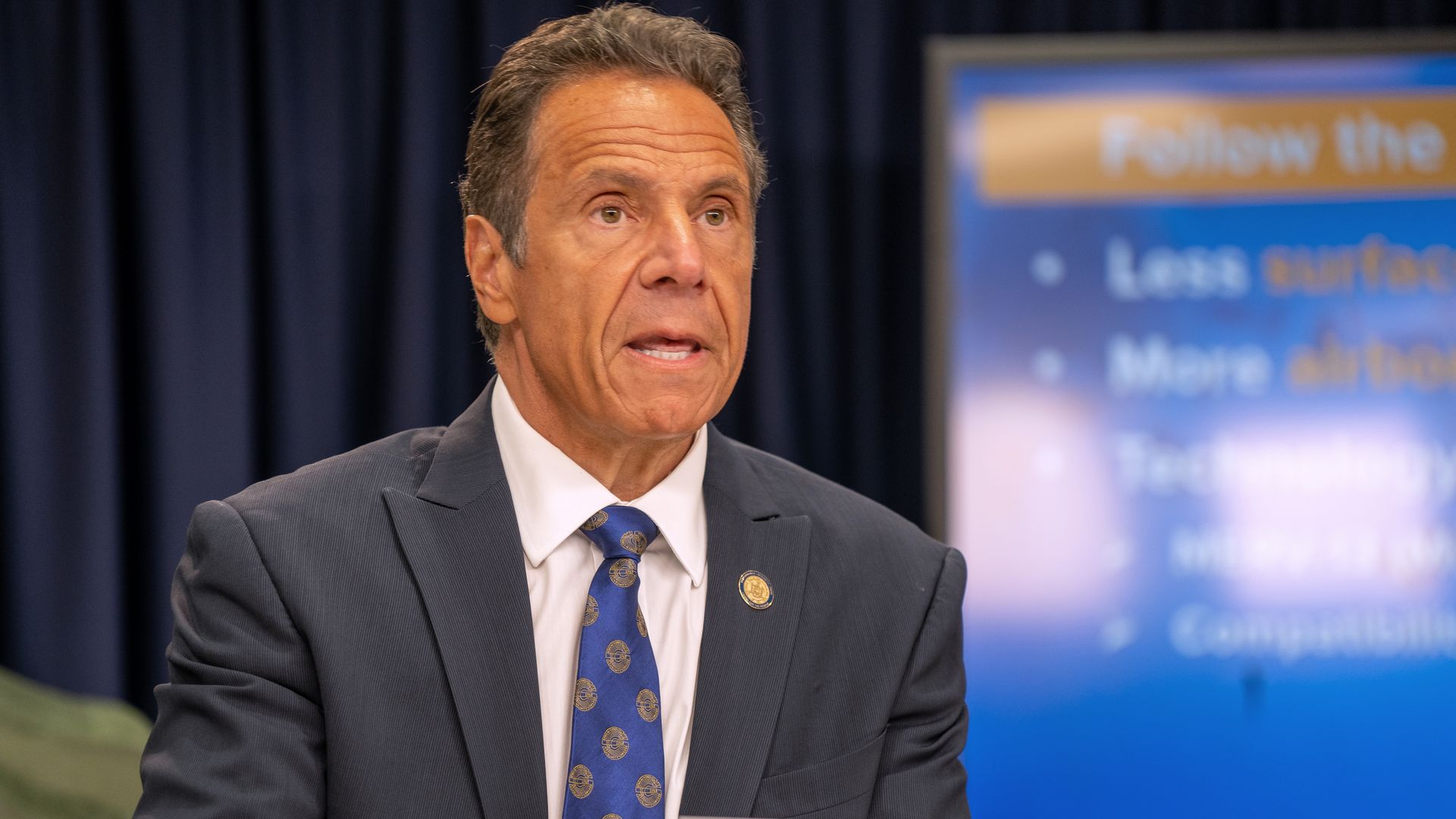
New York will allow museums, gyms and bowling alleys across the state to reopen with capacity restrictions, mandated face coverings and social distancing requirements starting August 24, Gov. Andrew Cuomo announced.
Why it matters: The decision marks a significant turning point for the state, which was seen as the epicenter of the COVID-19 pandemic throughout the spring. Since, case levels have steadily declined following intense social distancing and lockdown measures.
Cardiologists are increasingly concerned that coronavirus infections could cause heart complications that lead to sudden cardiac death in athletes.
Why it matters: Even if just a tiny percentage of COVID-19 cases lead to major cardiac conditions, the sheer scope of the pandemic raises the risk for those who regularly conduct the toughest physical activity — including amateurs who might be less aware of the danger.
The Food and Drug Administration on Friday released its first-ever list of medical devices needed to respond to the coronavirus that are in short supply.
Why it matters: The list includes surgical gowns, gloves, masks, certain ventilators and testing supplies that medical workers require to effectively respond to the pandemic, which has infected more than 5.3 million people in the U.S. to date, according to Johns Hopkins University.