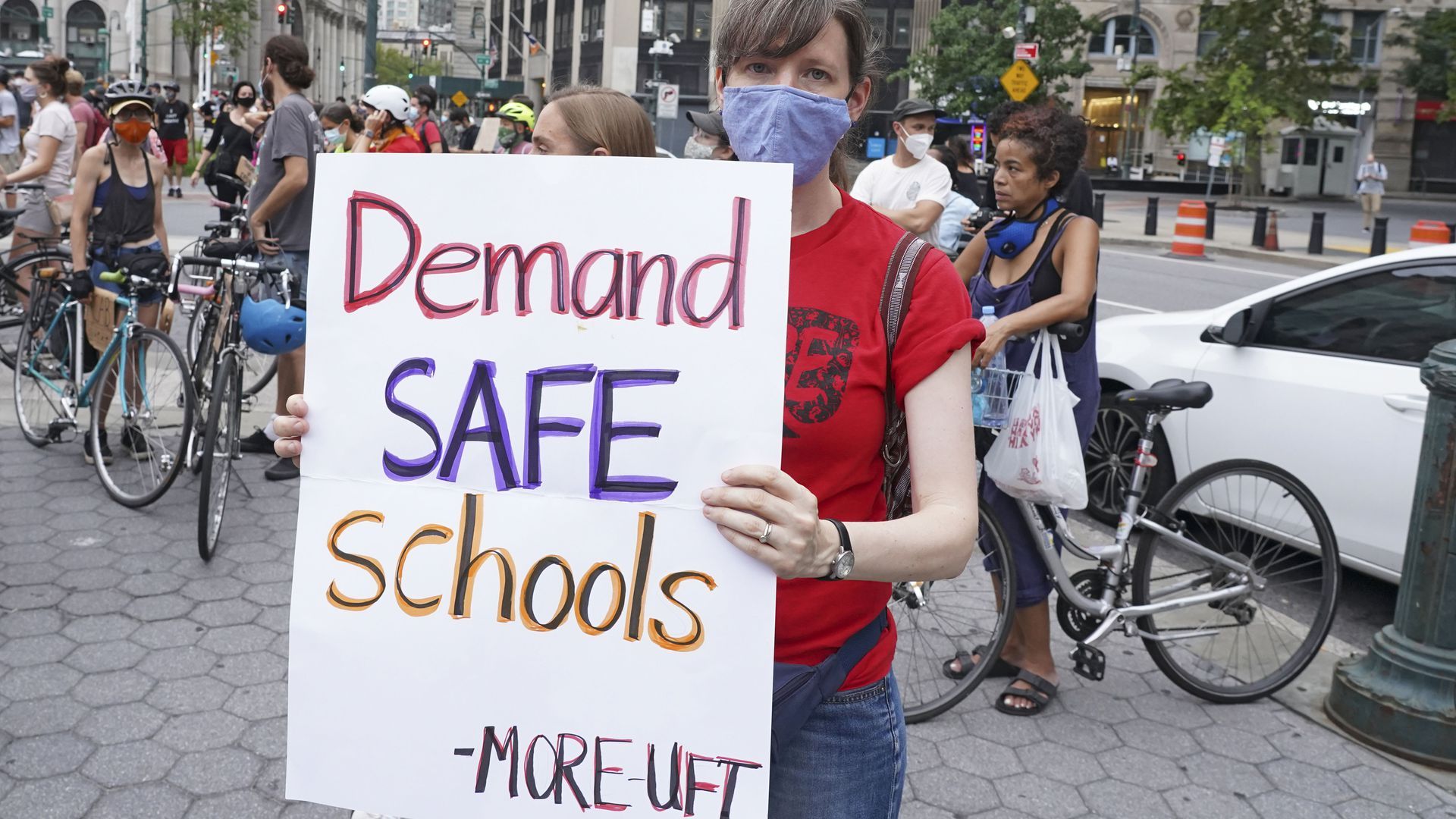
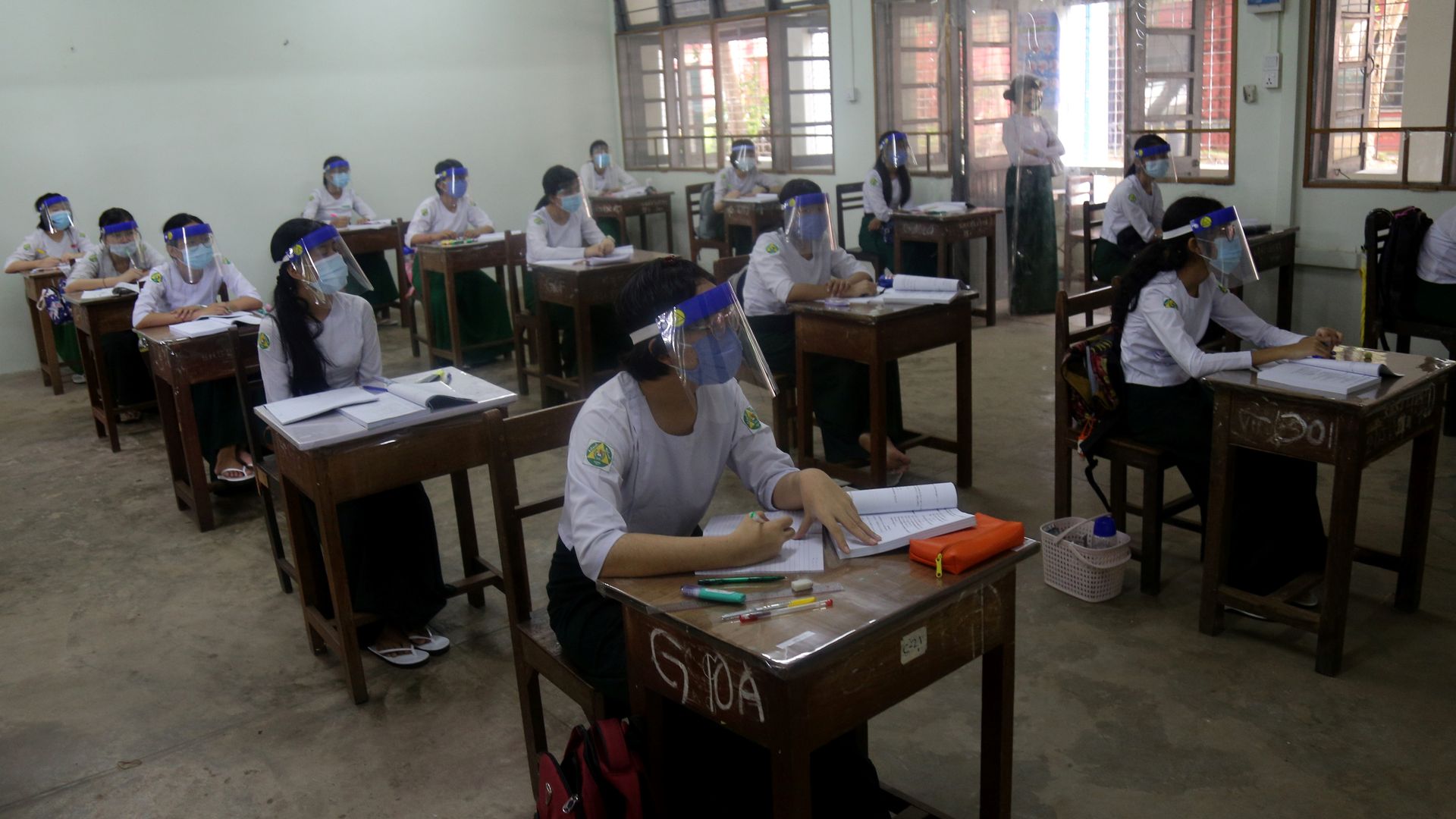
The next big coronavirus battleground will be over who has the final say on whether schools can stay open.
Why it matters: This involves the safety of young children and their parents, not to mention older educators and staff, and comes at the same time as many of the parents are out of work.
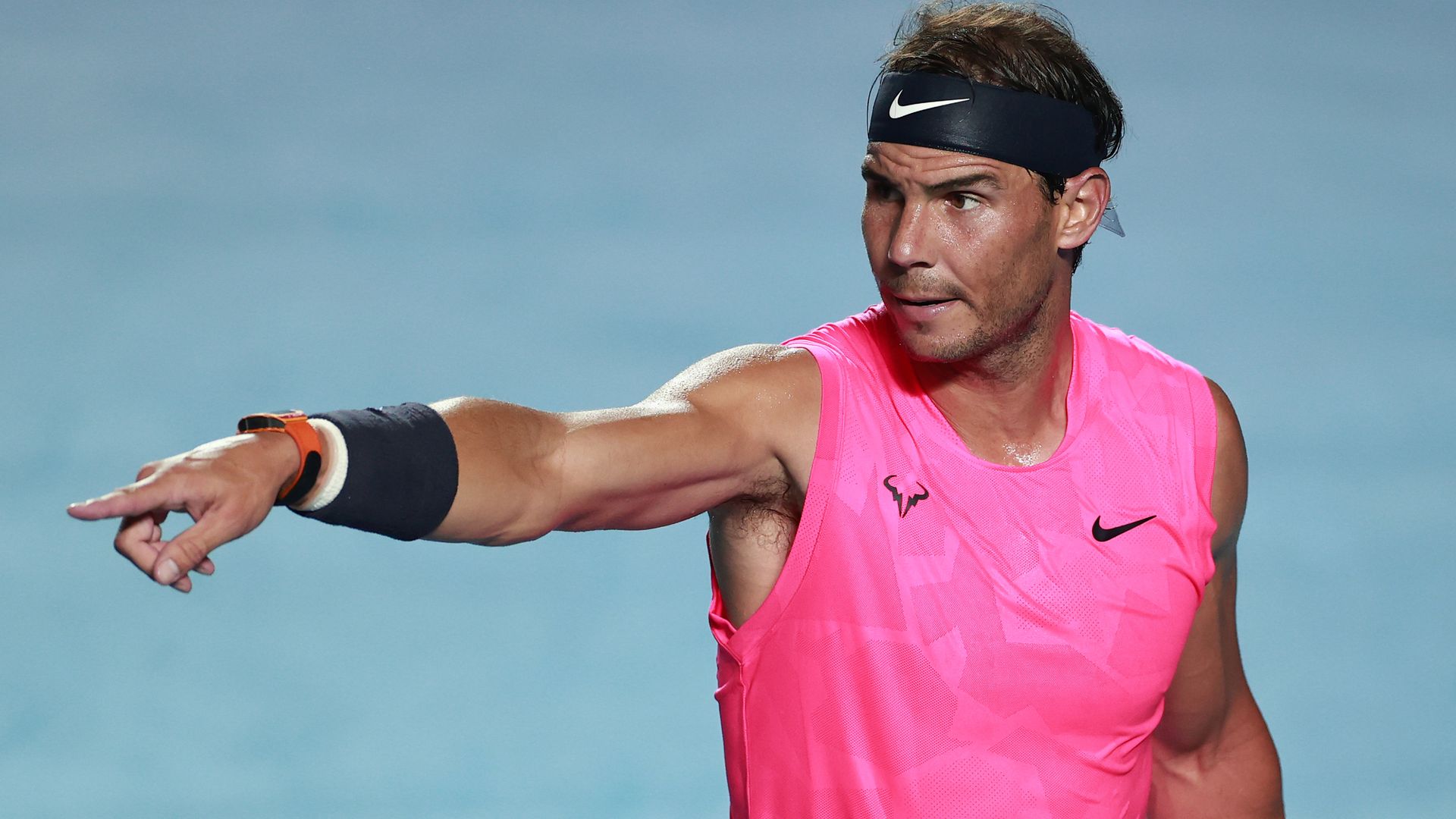
Defending champion Rafael Nadal tweeted Tuesday that he will not attend the 2020 U.S. Open due to rising coronavirus infections, noting that "it looks like we still don’t have control of it."
The big picture: The tournament was rescheduled over the summer to be held in August and September without spectators. Nadal's absence puts his bid to equal Roger Federer’s record for men's Grand Slam titles on pause.
The CDC on Tuesday warned of an expected uptick in cases of acute flaccid myelitis (AFM), a rare polio-like illness that can disable and sometimes kill children.
Why it matters: The agency cautioned parents to overcome any reluctance driven by the coronavirus pandemic and urgently bring their kids to the hospital should they suspect a case — especially if they exhibit a telltale symptom like limb weakness.
Over half of Americans surveyed in a new NPR/Ipsos poll support a mandatory, nationwide order to shelter at home for two weeks to slow the spread of the coronavirus.
Why it matters: COVID-19 deaths and hospitalizations are rising across the U.S., which saw dramatic surges in new infections this summer. More than 155,000 Americans have died, per Johns Hopkins.
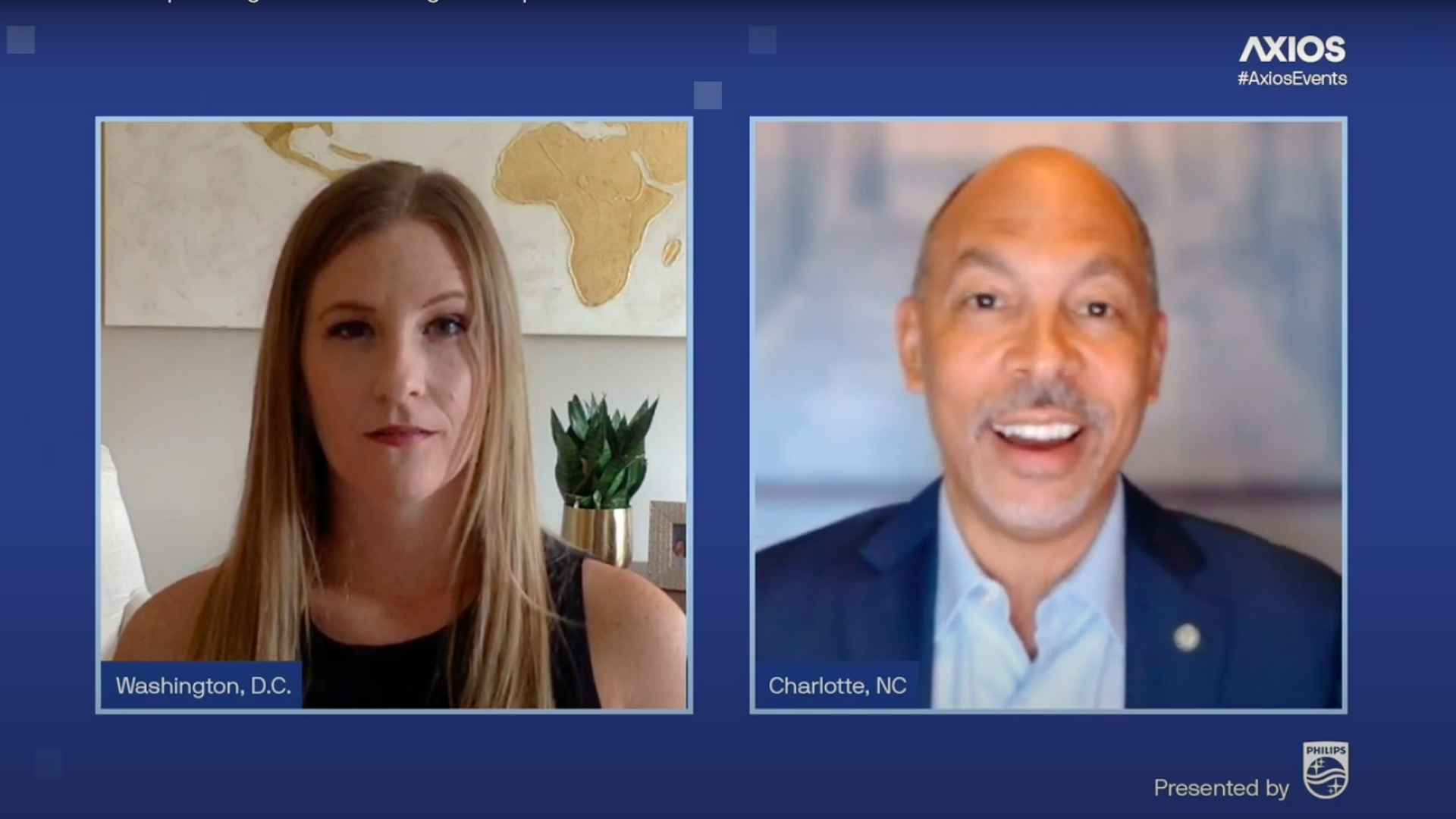
Dara Kass, an emergency medicine physician and professor at Columbia University Medical Center, said at an Axios virtual event Tuesday that the coronavirus outbreak in New York should be a lesson to governors and federal leadership that there are ways to effectively flatten the curve from crisis levels.
Why it matters: New York was once the epicenter of the global pandemic, peaking at as many as 11,000 new cases and over 900 deaths per day in April. Today, thanks to a stringent lockdown, the state is consistently reporting fewer than 1,000 cases and 10 deaths per day.
Atrium Health President and CEO Eugene Woods said at an Axios virtual event Tuesday that the company's "virtual hospital" system helped treat 13,000 coronavirus patients from their homes.
Why it matters: Woods believes that the telemedicine approach could outlive the pandemic and be a core part of "how we deliver care differently in the future."
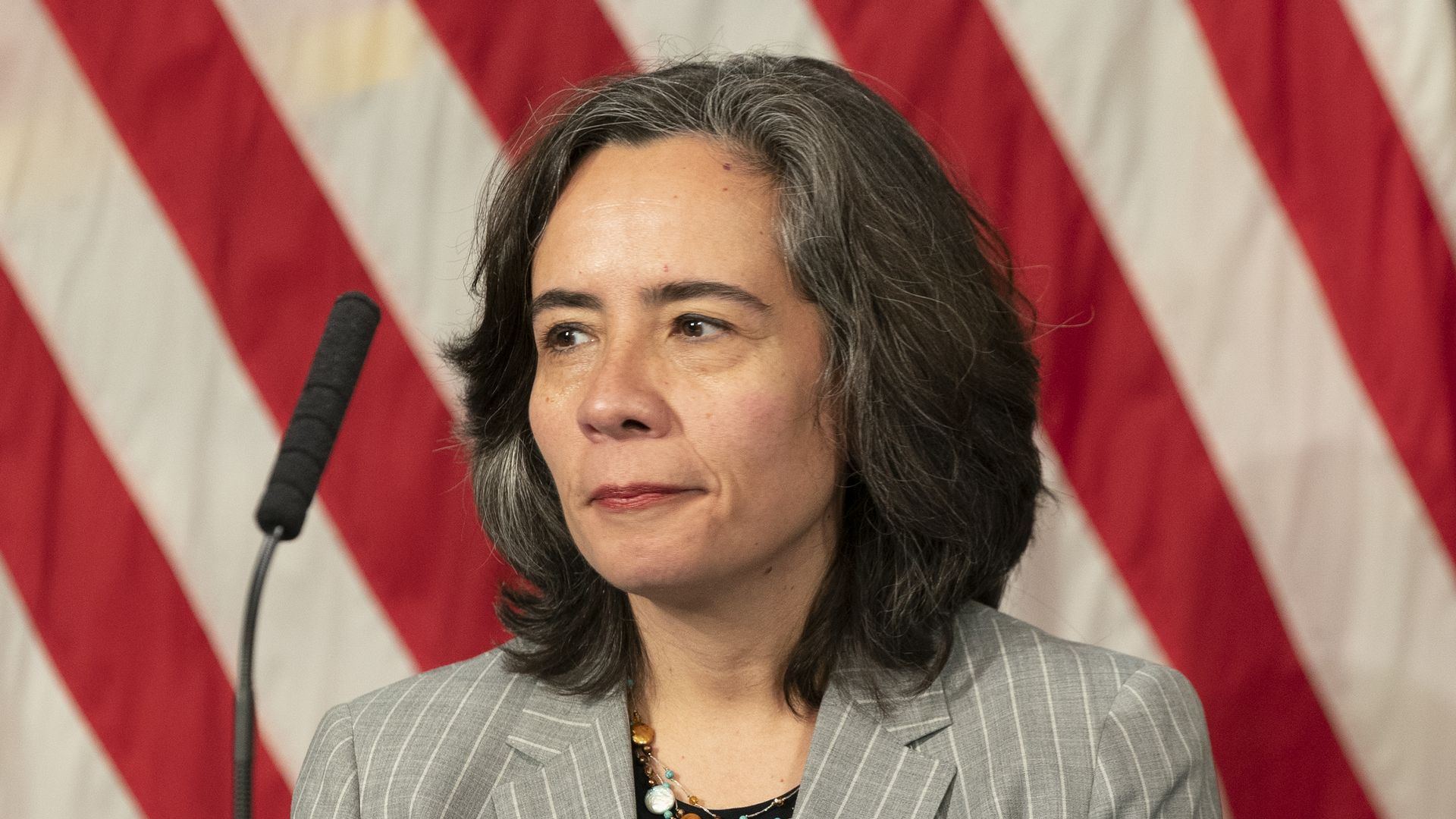
New York City health commissioner Oxiris Barbot resigned Tuesday, citing "deep disappointment" that Mayor Bill de Blasio did not use the full extent of available disease control expertise to handle the pandemic, the New York Times reports.
Context: De Blasio has faced criticism from health officials for handing control of the city's army of coronavirus contract tracers to the public hospital system, rather than the health department, according to the Times. The health department conducted contact tracing at the start of the outbreak and has decades of experience doing the same for diseases like tuberculosis, HIV and Ebola.
Thirty-four state and territory attorneys general sent a letter today to federal health agencies asking the federal government to exercise march-in drug rights for remdesivir as a way "to help increase the supply of this drug and lower the price so it is accessible to our state residents."
The big picture: March-in rights — which would allow a patented drug developed with federal dollars to be licensed out to third parties — have never been exercised before. Gilead Sciences, the manufacturer and patent holder of remdesivir, did not immediately respond to requests for comment.
The coronavirus pandemic has caused the largest disruption of education in history, UN Secretary-General Antonio Guterres said Tuesday, AP reports.
Why it matters: Over 1 billion students were affected by closures in more than 160 countries in mid-July. Guterres warned the situation could lead to "a generational catastrophe that could waste untold human potential, undermine decades of progress, and exacerbate entrenched inequalities."
Roughly 40% of Americans have postponed getting medical care due to the coronavirus outbreak. That number has stayed around 40% in all 12 weeks of the Census Bureau's Household Pulse Survey.
Why it matters: Hospitals and doctors started rescheduling surgeries and other appointments as early as mid-May, and many patient volumes are mostly back to pre-pandemic numbers. But this data suggests there is still a major backlog of Americans who need care — a phenomenon that existed well before the pandemic.
Democrats are twice as likely as Republicans to worry about in-person voting — with nearly two in three seeing it as a large or moderate risk to their health — according to this week's installment of the Axios-Ipsos Coronavirus Index.
Why it matters: This could pose a significant disadvantage for Joe Biden and other Democratic candidates in November if the pattern holds — especially in states where high infection rates persist, or where there are significant hurdles to mail-in, absentee or early voting.
President Trump said in an interview with “Axios on HBO” that he thinks the coronavirus is as well-controlled in the U.S. as it can be, despite dramatic surges in new infections over the course of the summer and more than 150,000 American deaths.
“They are dying, that's true. And you have — it is what it is. But that doesn't mean we aren't doing everything we can. It's under control as much as you can control it. This is a horrible plague,” he told Axios' Jonathan Swan.
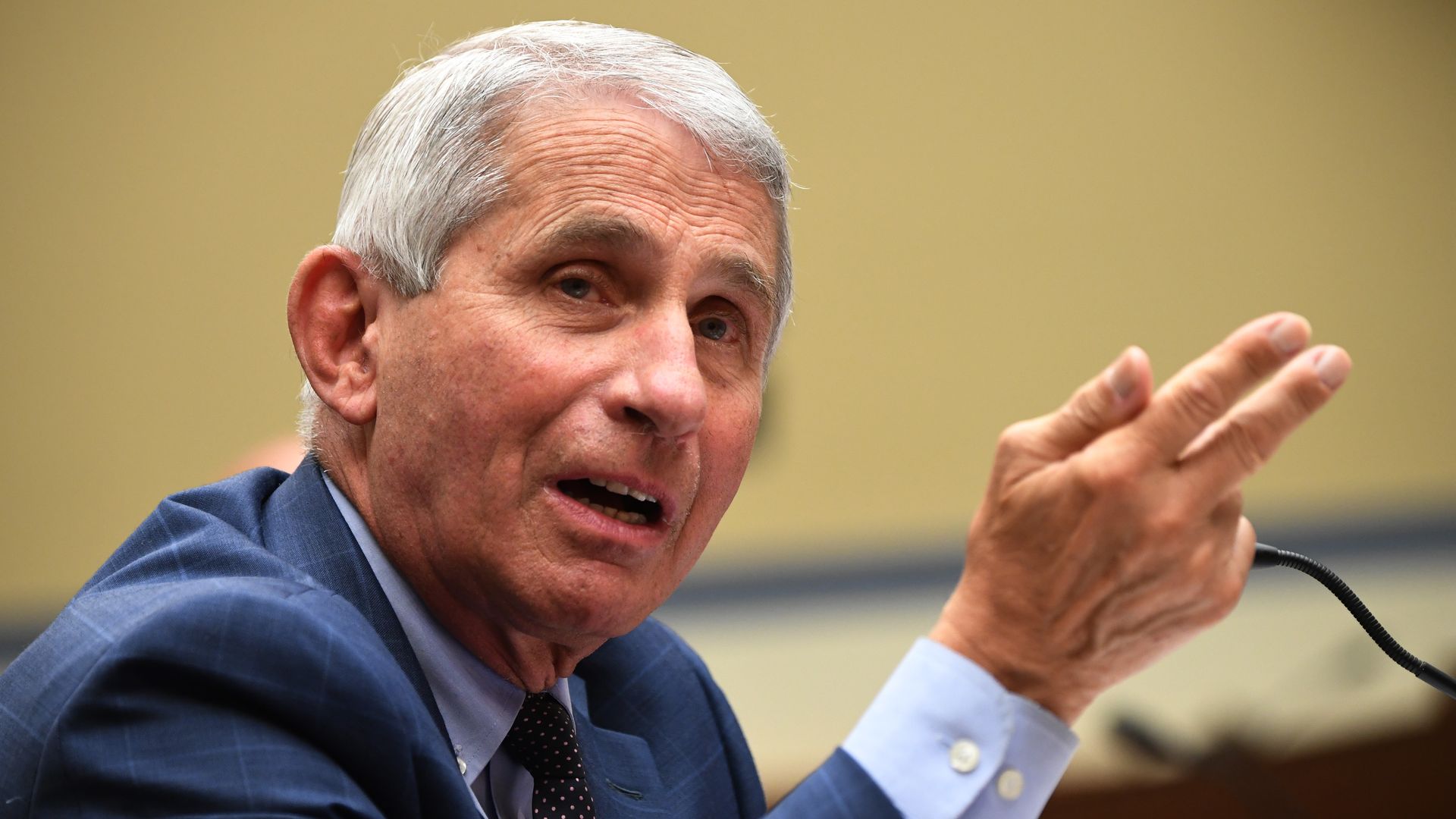
NIAID director Anthony Fauci said Monday schools and colleges should be able to reopen for in-person classes, but they must take precautions to ensure the safety of students and teachers during the pandemic, per CNN.
Of note: Students benefit psychologically from being in a classroom, Fauci said. The American Academy of Pediatrics has advocated for in-person classes resuming, noting in a statement the mental health benefits of doing so. "[T]here is already evidence of the negative impacts on children because of school closures in the spring of 2020."
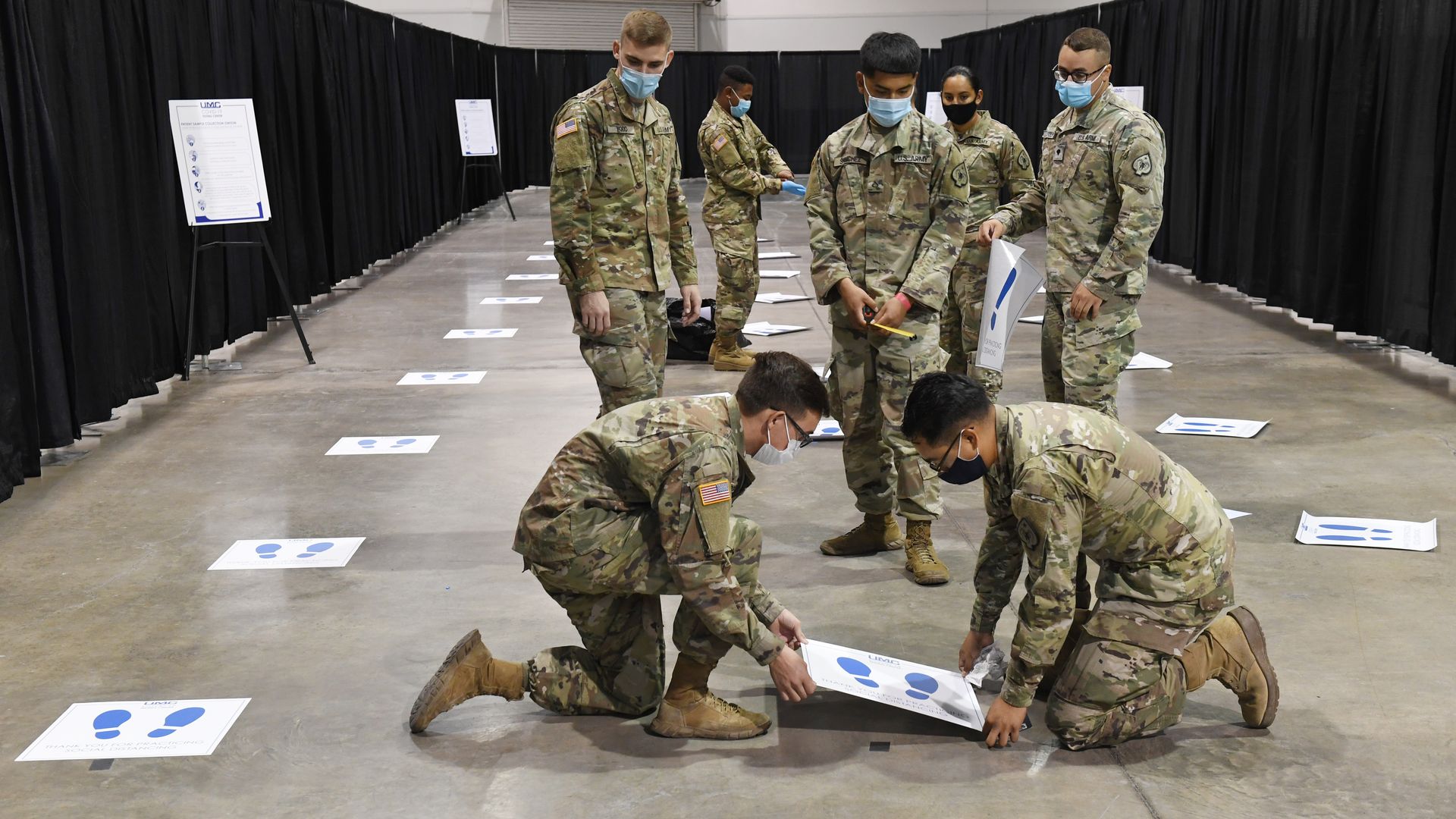
President Trump issued a memo Monday announcing he's reauthorized funding for the National Guard to assist states with their response to the coronavirus pandemic until the end of 2020.
The big picture: Trump's memo to the secretaries of Homeland Security and Defense outlines that the federal government won't fully cover states for National Guard use when the current authorization expires on Aug. 21.