Massachusetts lawmakers passed the toughest ban on flavored tobacco and vaping products in the country on Thursday, proposing a 75% excise tax on vaping products and requiring the state's Medicaid program to cover tobacco cessation counseling, AP reports.
The big picture: Massachusetts now awaits Gov. Charlie Baker’s decision whether to sign the bill.Several states introduced bans and filed lawsuits to address the high rate of lung injuries and dozens of deaths due to vaping. A nationwide ban on flavored e-cigarette products, which was ready to be rolled out by the Trump administration, has been stalled, the Washington Post reports.
The FDA has approved the drug Givlaari, made by Alnylam Pharmaceuticals, for adults who have acute hepatic porphyria, a genetic disorder that leads to severe abdominal pain and affects just 1 in 25,000 people.
The big picture: Alnylam set Givlaari's net price, after discounts to insurers, at $442,000 per year, or about $39,000 per vial. It's a lofty price tag, but those prices are common among drugs that use new scientific techniques to treat very rare diseases.
As suicide and overdose rates have increased, mental health and substance abuse insurance coverage has gotten worse, according to a new Milliman report commissioned by the Mental Health Treatment and Research Institute.
Why it matters: Behavioral health treatment often isn't covered by insurance, and it's often unaffordable — including for patients for whom treatment is a matter of life and death.
The FDA has approved the drug Givlaari, made by Alnylam Pharmaceuticals, for adults who have acute hepatic porphyria, a genetic disorder that leads to severe abdominal pain and affects just one in 25,000 people.
The big picture: Alnylam set Givlaari's net price, after discounts to insurers, at $442,000 per year, or about $39,000 per vial. It's a lofty price tag, but those prices are common among drugs that use new scientific techniques and that treat very rare diseases.
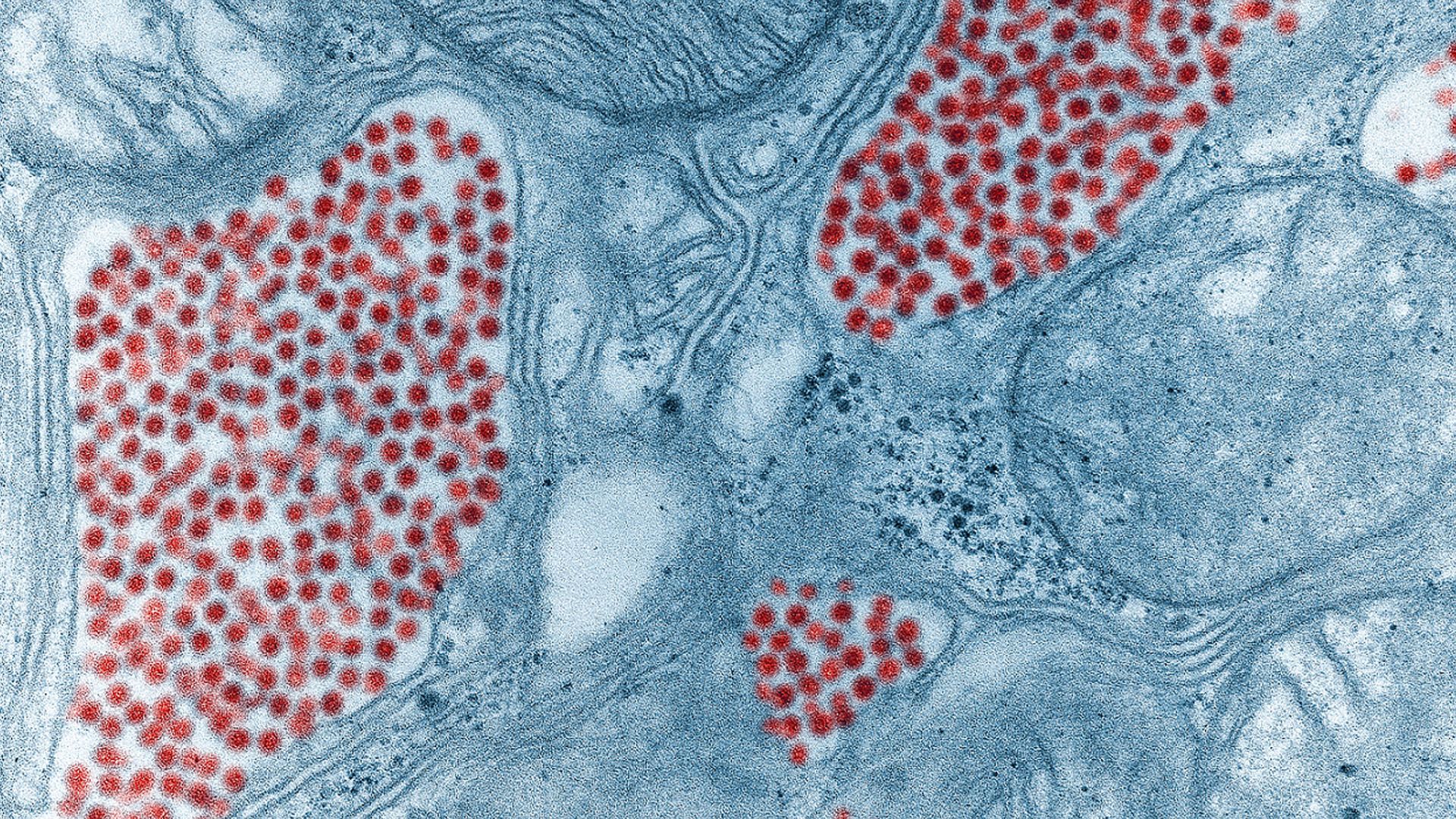
Public health officials on Wednesday declared the mosquito-borne eastern equine encephalitis (EEE) virus to be an "emergent threat" in the U.S. after an unusually high number of cases have occurred so far this year.
Why it matters: While EEE remains rare, there are no vaccines or specific viral treatments available. The virus can attack the brain and sometimes cause death.
Some of the researchers who helped develop a new heart-failure drug are criticizing its high price, Bloomberg reports.
The intrigue: Pfizer, which makes the drug, says that it's targeted at a small population, justifying the high price. But critics say that the condition isn't that rare, setting up Pfizer to reap in a fortune from the medication.
The American Medical Association called Tuesday for a ban on e-cigarettes and vaping devices and announced that it will lobby for state and federal laws, regulations and legal action to do so, per the AP.
Why it matters: The doctors' group said the action was prompted by a surge in underage teen vaping and the recent U.S. outbreak of lung illnesses linked to vaping that has killed at least 42 people and affected more than 2,000.
Even the most ambitious Democratic-controlled states have ended up with new health plans that are much more moderate than anything being proposed by Democratic presidential candidates — or even what was initially proposed in their states.
Why it matters: States are significantly more limited in their authority than the federal government, but the efforts of Colorado, Washington and California show just how hard massive health care disruption is.