The FDA has approved the drug Givlaari, made by Alnylam Pharmaceuticals, for adults who have acute hepatic porphyria, a genetic disorder that leads to severe abdominal pain and affects just one in 25,000 people.
The big picture: Alnylam set Givlaari's net price, after discounts to insurers, at $442,000 per year, or about $39,000 per vial. It's a lofty price tag, but those prices are common among drugs that use new scientific techniques and that treat very rare diseases.
Public health officials on Wednesday declared the mosquito-borne eastern equine encephalitis (EEE) virus to be an "emergent threat" in the U.S. after an unusually high number of cases have occurred so far this year.
Why it matters: While EEE remains rare, there are no vaccines or specific viral treatments available. The virus can attack the brain and sometimes cause death.
Some of the researchers who helped develop a new heart-failure drug are criticizing its high price, Bloomberg reports.
The intrigue: Pfizer, which makes the drug, says that it's targeted at a small population, justifying the high price. But critics say that the condition isn't that rare, setting up Pfizer to reap in a fortune from the medication.
The American Medical Association called Tuesday for a ban on e-cigarettes and vaping devices and announced that it will lobby for state and federal laws, regulations and legal action to do so, per the AP.
Why it matters: The doctors' group said the action was prompted by a surge in underage teen vaping and the recent U.S. outbreak of lung illnesses linked to vaping that has killed at least 42 people and affected more than 2,000.
Even the most ambitious Democratic-controlled states have ended up with new health plans that are much more moderate than anything being proposed by Democratic presidential candidates — or even what was initially proposed in their states.
Why it matters: States are significantly more limited in their authority than the federal government, but the efforts of Colorado, Washington and California show just how hard massive health care disruption is.
New York Attorney General Letitia James filed a suit on Tuesday against Juul Labs for allegedly preying on and misleading teenagers with its ads, and for failing to warn consumers about potential health risks associated with using its products.
The big picture: The lawsuit filed in New York County Supreme Court came just one day after California filed a similar suit against Juul for suggesting its e-cigarettes are a safer option than traditional cigarettes. In the past year, Juul has gone from exceeding its 2018 projections and becoming a venture capital fundraising machine to being regulators' favorite punching bag.
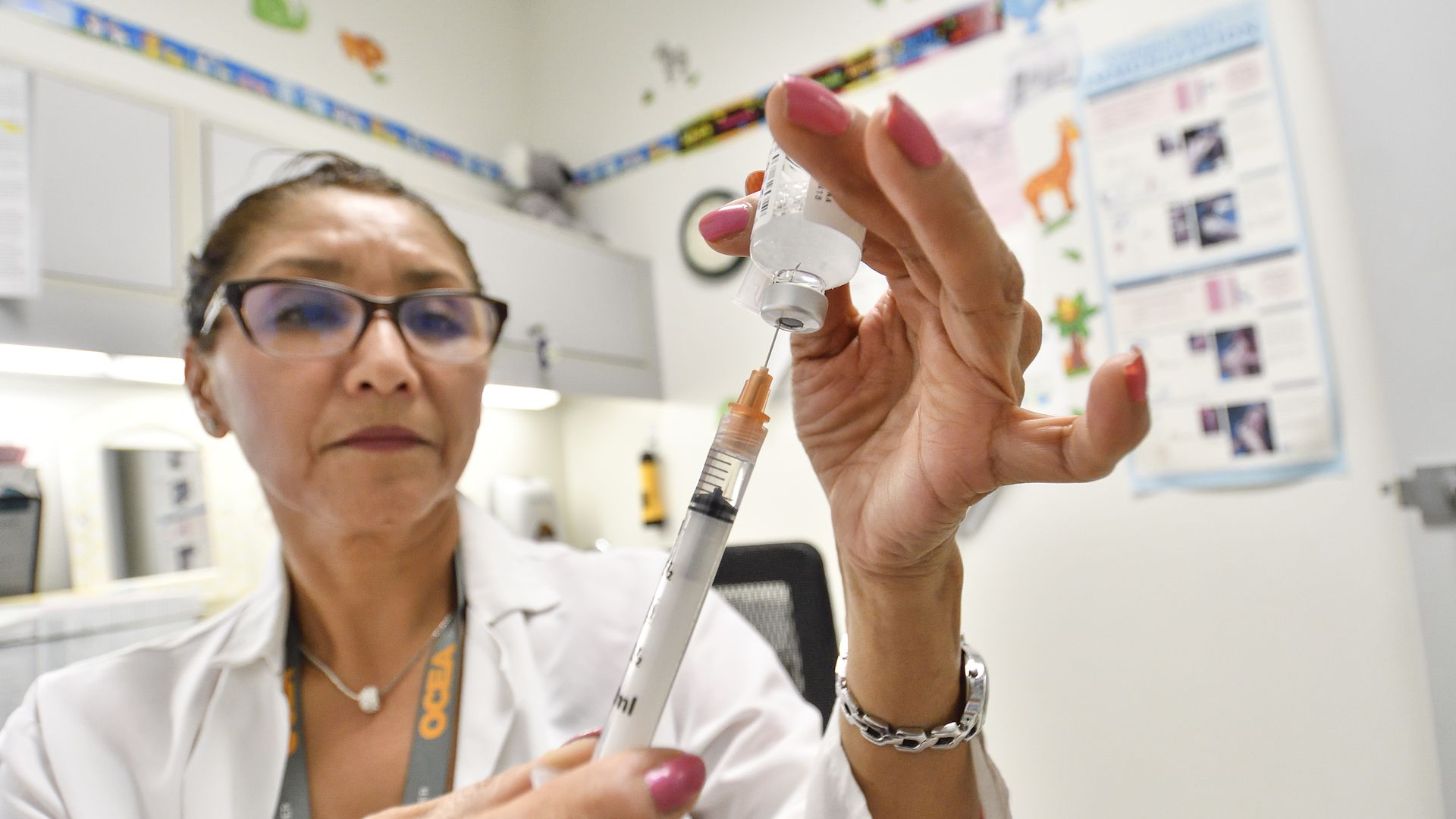
Insured patients don't directly pay anything for flu shots, but they can be expensive — and these costs vary widely, California Healthline reports with Kaiser Health News.
Why it matters: It's well-documented that the prices of health care services vary widely by location, but the price discrepancy among flu shots — which are cheap — drives home how inconsistent and arbitrary the system can be.
New polling from the Kaiser Family Foundation and the Cook Political Report confirms that while Democratic voters like the idea of “Medicare for All,” it would be a risk in a general election.
Between the lines: This poll was conducted in the formerly “blue wall” states of Pennsylvania, Minnesota, Michigan, and Wisconsin.
A new federal study said stents and bypass surgery are no more effective than drugs for treating blocked arteries, but the health care industry and its investors aren't banking on major changes to heart care as a result.
The big picture: Placing stents and performing bypasses are two of the most common operating room procedures. Science continues to say we don't need to be doing them so often, but overhauling that standard of care isn't easy — in part because hospitals and device makers make a lot of money from them.