California Attorney General Xavier Becerra announced on Monday that the state is suing Juul Labs Inc. for allegedly targeting teenagers with ads for its e-cigarettes and for failing to warn consumers about the potential health risks associated with using its products, according to the San Francisco Chronicle.
Why it matters: The lawsuit comes just days after Juul announced a $1 billion "recovery plan" that includes cuts to its marketing and government affairs branches, as the company suffers one of its worst years on record.
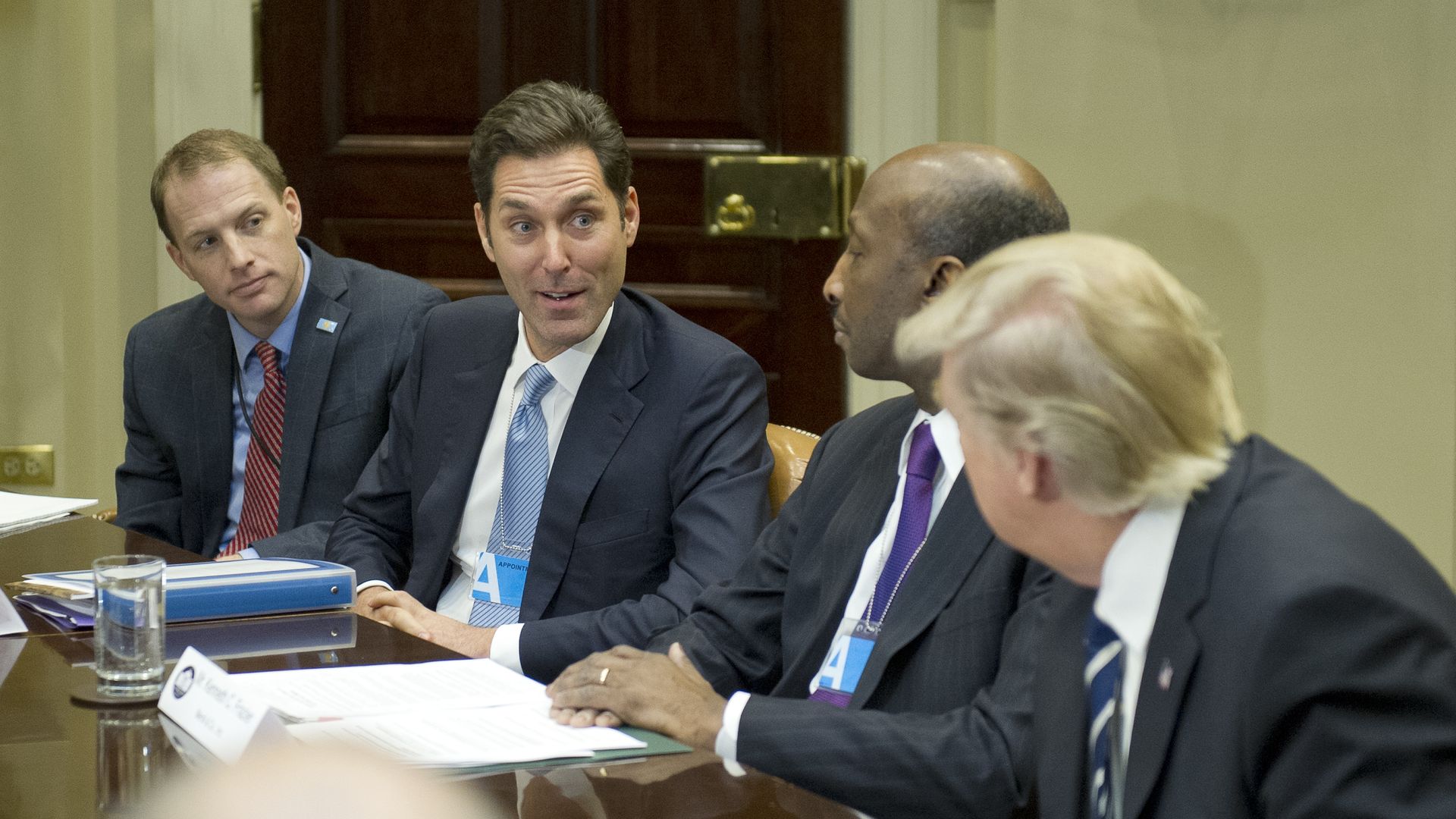
Hospitals immediately promised to sue the Trump administration after it released two new price transparency regulations on Friday, threatening the future of one of the president's most ambitious health policies.
Why it matters: Politically, the Trump administration could use a win: Most of its other signature health reforms either didn't come to fruition or are tied up in court.
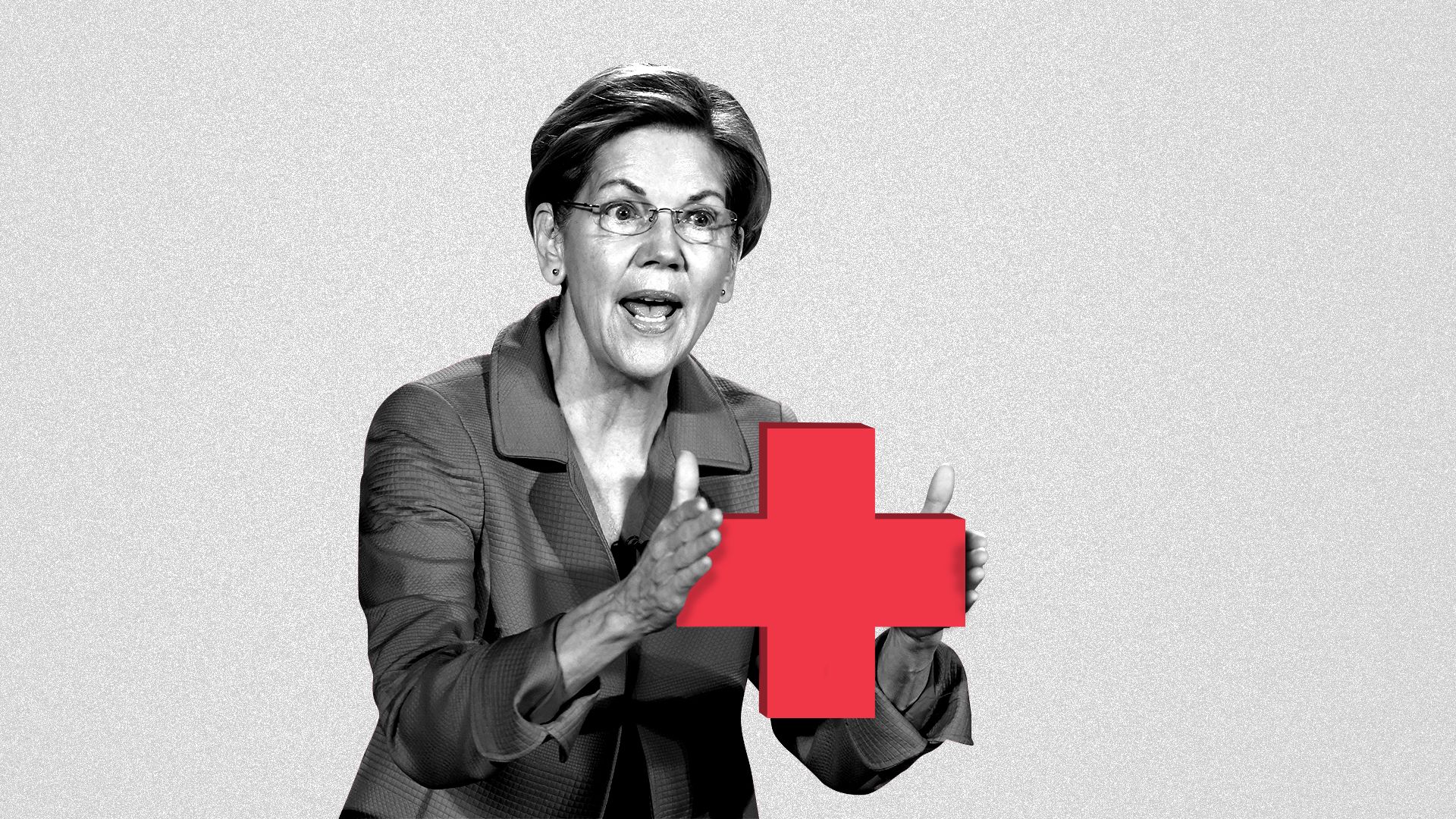
Sen. Elizabeth Warren's two-part plan to pass a public option as a transition into Medicare for All — and then full-blown Medicare for All a few years later — has revealed the difficulty of appealing to both the pragmatic and progressive wings of the party.
The big picture: Warren's already being criticized by progressives for not being a Medicare for All purist, and because of the realities of governing, they may have a point: Passing two major health reforms in one term is unheard of.
The drug industrylobbying group PhRMA registered $460 million of revenue in 2018, a shade more than 2017, according to its latest tax returns obtained by the Center for Responsive Politics.
The bottom line: PhRMA's influence continues to touch almost every corner of state and federal politics, especially conservative groups, and is a big reason why the country's high drug prices have not changed.
President Trump has backed away from plans to ban most flavored e-cigarettes, the Washington Post first reported Sunday.
Why it matters: It's the latest "chaotic" policy reversal following a dramatic declaration by the president to the contrary, per WashPost, which notes he's made differing statements on gun control, leaving troops in Syria and replacing the Affordable Care Act.
The Centers for Disease Control and Prevention in 2018 analyzed suicide deaths among working-age Americans in 17 states to understand how different types of work influence a person's risk of killing oneself.
Why it matters:The CDC found that the suicide rate for people ages 16–64 years old rose 34% between 2000 and 2016, from 12.9 to 17.3 suicides per 100,000 workers. The federal agency also reported that suicide rates varied widely across occupational groups and that people involved in certain types of work, such as construction and extraction or production jobs, may be at a higher risk of suicide than other workers.



/2019/11/18/1574042711962.gif?w=3840)