Retirement in America is growing less secure, physically and financially, given the omnipresent threat and cost of serious illness or disease.
Why it matters: Qualifying for Medicare does not guarantee that older adults will skirt potentially ruinous medical bills. Millions of seniors have also come to rely on the taxpayer-funded program for lower income people — Medicaid — and there's no indication that will slow down.
Johnson & Johnson will only have to pay $465 million for its role in the state's opioid crisis as of Friday, instead of the original $572 million judgment, after the Oklahoma judge overseeing the case admitted he made a math error in the abatement plan.
The big picture: Oklahoma maintained its verdict that J&J created a public nuisance by falsely promoting its opioids as safe and necessary, and J&J still plans on appealing the decision, despite the lower amount.
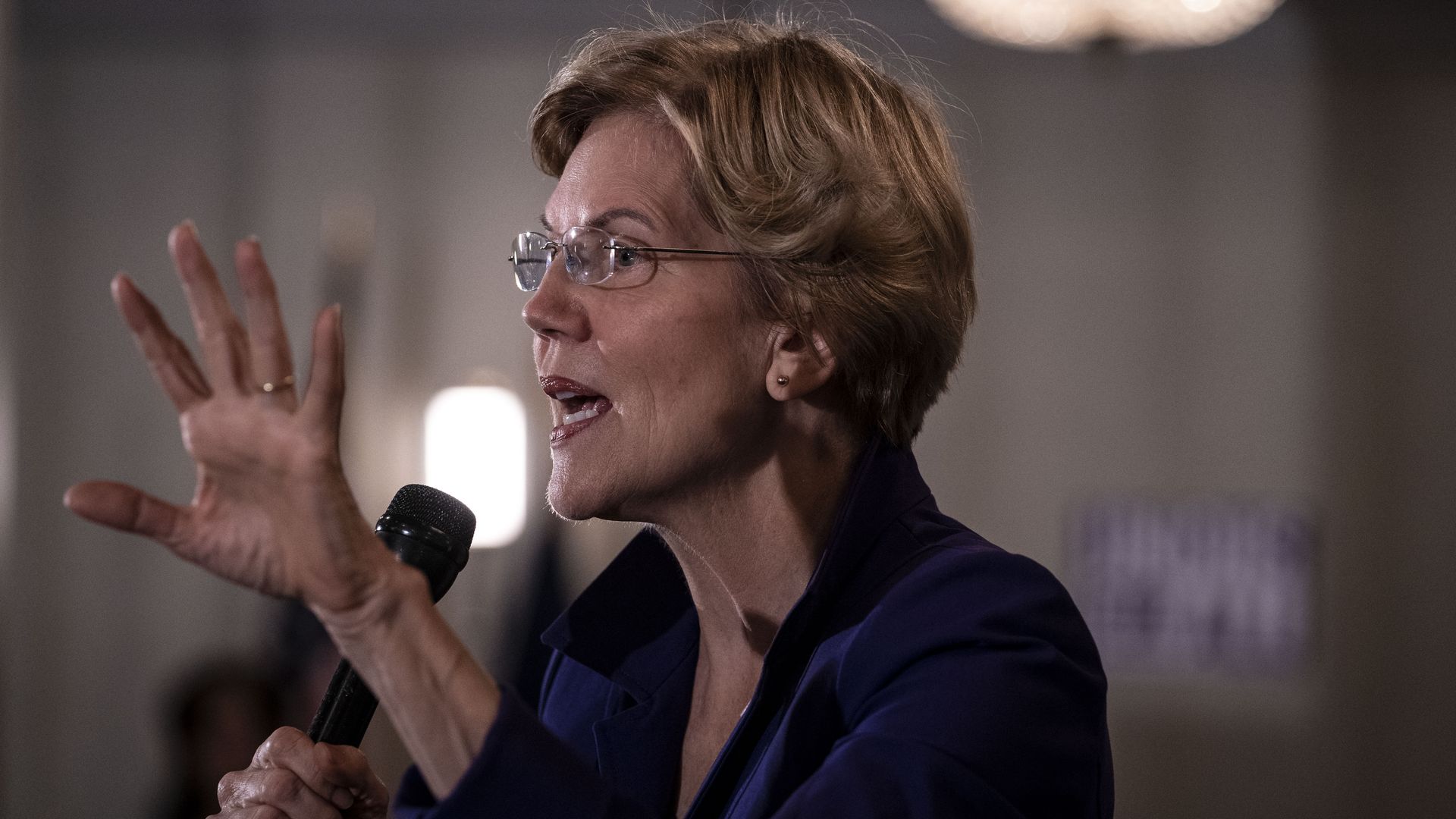
Sen. Elizabeth Warren's presidential campaign on Friday unveiled what would be her roadmap for overhauling the country's health care system if elected, carving out an initial public option with the promise of implementing 'Medicare for All' within her first three years in office.
Why it matters: The plan gives Warren a defense against criticism that she would abruptly strip away Americans' ability to choose their care and force them off private insurance.
The Trump administration has released two new rules requiring hospitals and insurers to make their negotiated prices public, giving patients the ability to shop around for care based on price.
The big picture: The rules — one final and one proposed — could have a huge impact on the health care system, and will surely be fought by the industry — including in court.
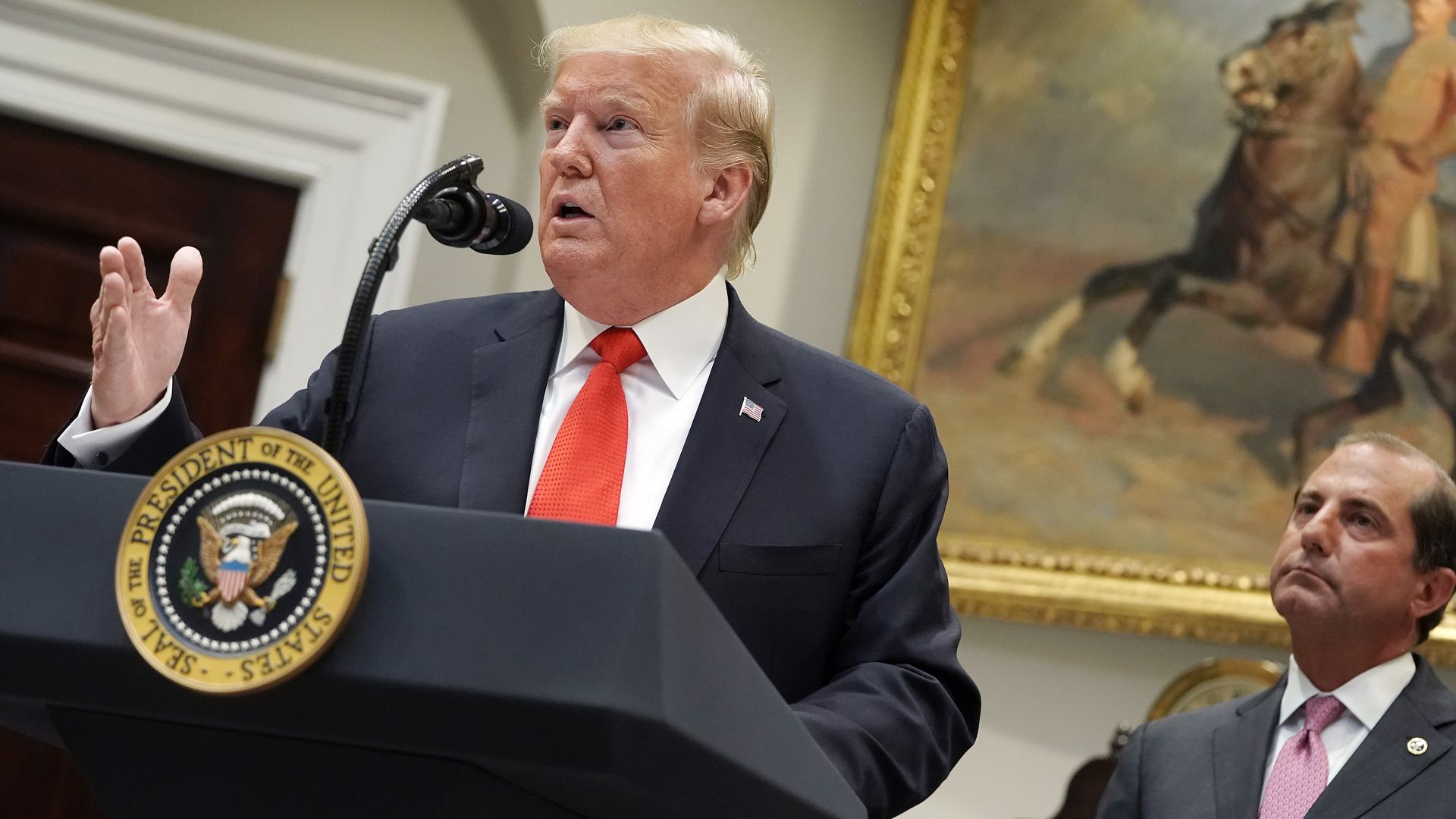
President Trump plans to announce his transparency rules for hospitals and insurers Friday in a Roosevelt Room event, Politico reports.
Why it matters: Advocates of requiring hospitals and insurers to disclose negotiated rates say that it'll help patients shop for health care, which could in turn lower prices through enhanced competition.
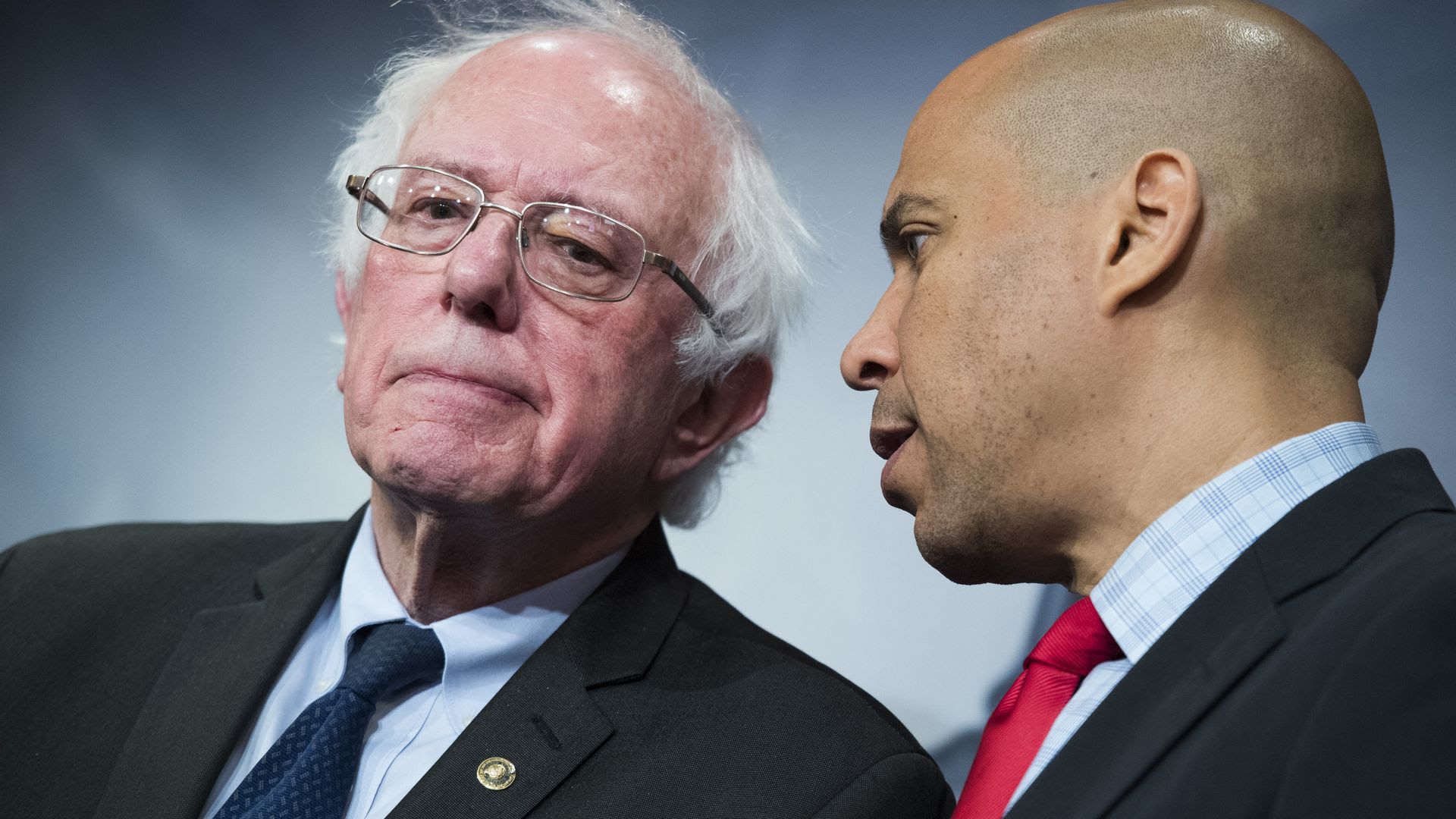
Sens. Cory Booker, Bernie Sanders and Kamala Harris — who are all running for president in 2020 — are announcing legislation Friday that would create an independent agency to determine list prices of prescription drugs.
Why it matters: This is further mainstreaming of Democrats' leftward shift on drug prices.
Drug pricing regulations would not decimate the pharmaceutical industry, according to an analysis from health policy researchers at West Health and Johns Hopkins.
Why it matters: This throws some cold water on Big Pharma's claims that new drug research and investments would evaporate if the federal government limits what they can charge for medications — the proposal du jour in Congress and the White House.