The Drug Enforcement Agency authorized manufacturers to continue producing substantial amounts of the narcotic painkiller oxycodone between 2002 and 2013, despite the dramatic increase in deaths from opioid overdoses, according to a report by the Justice Department's inspector general released Tuesday.
Why it matters: Drug companies have been the target of blame for the drastic climb in opioid overdose deaths in the U.S. over the past 2 decades, and they're now facing thousands of lawsuits from cities and other communities. The companies' defense in many of these lawsuits is that they were producing pills at a level permissible by the DEA.
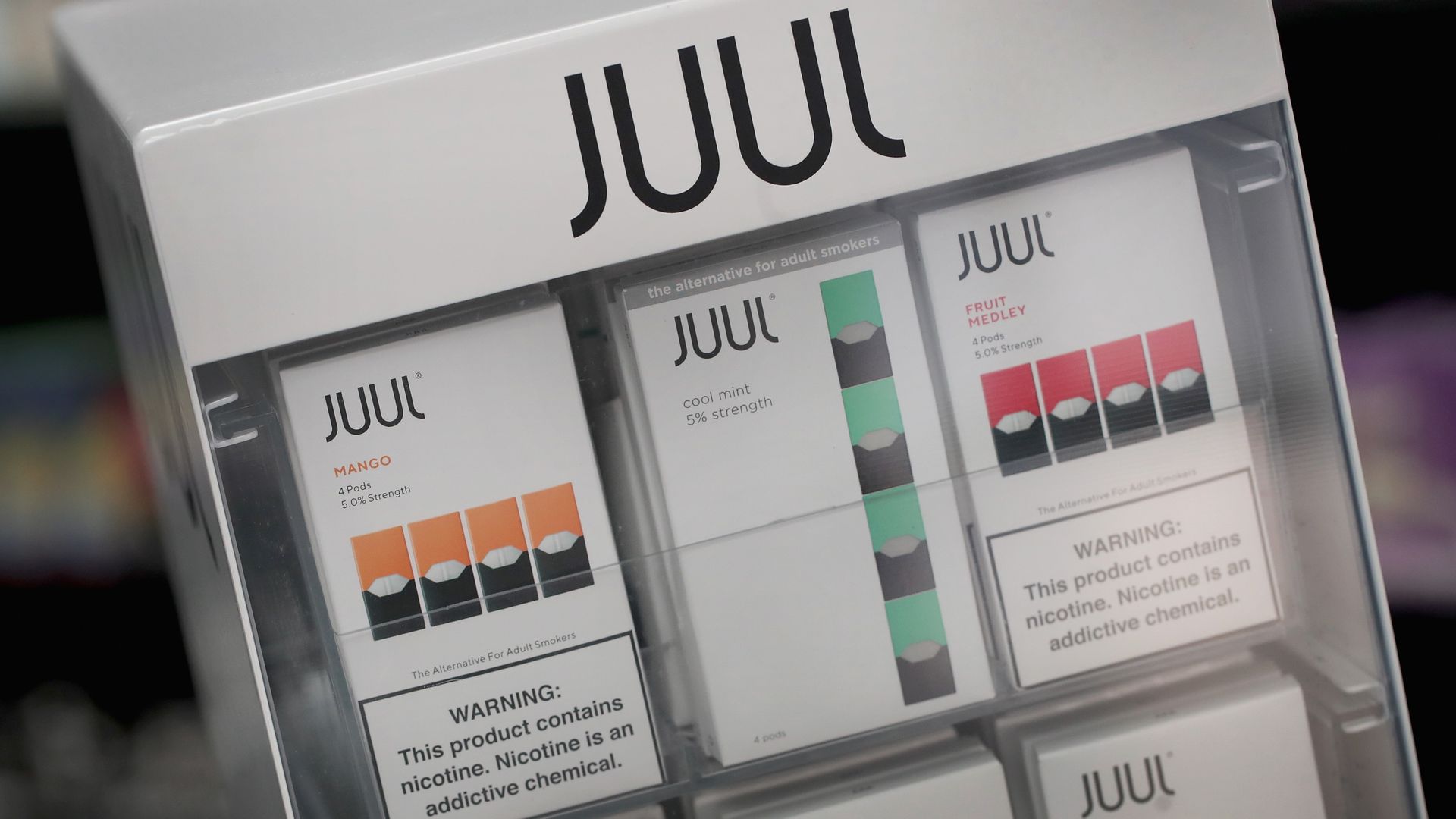
Juul, the nation's largest producer of e-cigarettes, said Monday that it is ending its support for Proposition C, a ballot measure in San Francisco that would overturn an anti-vaping law in the city, per the AP.
Why it matters: Because Juul was virtually the only financial backer of the measure, its decision effectively killed the proposition's campaign after spending nearly $19 million to fund it.
Patients are getting blindsided by "facility fees" in their hospital bills, a controversial charge that some medical facilities defend as necessary for additional income.
The state of play: Hospitals argue that facility fees help with overhead costs so that care can be provided to sick patients 24/7, all year-round.
Wellness programs that reward people for exercising or stopping smoking are common in employer plans, and soon they will be an option in individual health plan marketplaces, the Trump administration said in a bulletin yesterday.
The big picture: 10 states will get to experiment with wellness programs in their Affordable Care Act markets, and they generally have to comply with federal rules for employer wellness programs.
Sheriffs across Alabama are relying on what's known as "medical bond" to avoid paying for inmates' hospital bills, ProPublica reports.
How it works: Jails release the inmates from custody when they need medical care. This includes treatment that is only necessary because an inmate didn't receive adequate care while incarcerated. After they're treated, some inmates are quickly rearrested and head back to jail.
Drug companies facing expansive litigation over their role in the opioid crisis are exploring settling the cases by participating in Purdue Pharma's bankruptcy, the Wall Street Journal reports.
Why it matters: If successful, this would either end or shrink the massive federal case pending in Ohio, but it would require a lot of buy-in, including from state attorneys general. The companies — Endo, Johnson & Johnson, Teva, Allergan and Mallinckrodt — want to contribute money to a trust while being released from all liability.
Comments on the Trump administration's proposed rule requiring the disclosure of negotiated hospital prices reveal the ongoing battle between the hospital industry and patient advocates, Wall Street Journal reports.
Between the lines: The industry is fiercely protective of negotiated rates and adamantly opposes the administration's proposal.
Do a quick search for health insurance, and you'll find plenty of ads for "Trumpcare" plans that cost $59 or less per month. But there's a catch: Trumpcare doesn't exist, and many of these advertised plans offer bare-bones coverage.
Why it matters: For people who buy health insurance on their own instead of receiving it through an employer, searching for a plan is already challenging. And deceptive marketing only makes it harder, especially when these plans will leave consumers on the hook for potentially ruinous medical bills.