A federal judge on Friday denied a temporary restraining order that would have prevented a former employee of Optum, which is part of UnitedHealth Group, from joining the new health venture started by Amazon, Berkshire Hathaway and JPMorgan Chase.
The bottom line: It's still unclear what the so-called ABC company will do. But UnitedHealth does not want the ex-employee, David Smith, to work for it because UnitedHealth views the company as a competitor, and it believes Smith could divulge trade secrets. The next step is arbitration.
Purdue Pharma intentionally decided not to correct doctors' misperceptions about the strength of OxyContin, according to a deposition obtained by ProPublica.
Why it matters: There's a mountain of evidence piling up, even in public, that suggests the Sackler family knew its product was highly addictive, but blew past any concerns about that fact in search of higher and higher profits, helping to create the opioid epidemic.
Anti-vaccination content that has long appeared in search results and on social media is getting renewed attention after the U.S. government attributed recent measles outbreaks in part to reduced vaccination levels in some areas.
Why it matters: The renewed spotlight on the issue has prompted members of Congress to demand answers from platforms about how they intend to handle conspiracy theories that could impact public safety.
A nonprofit company in Michigan filed a lawsuit this week against Blue Cross Blue Shield of Michigan, alleging the health insurance company "illegally skimmed" extra money from the company in the form of "hidden fees."
Why it matters: Most employers are self-insured, including the one in this lawsuit, which means they pay workers' medical claims and hire insurers to do back-end work. But hiring insurers also leads to other various fees for employers, some of which may go unnoticed.
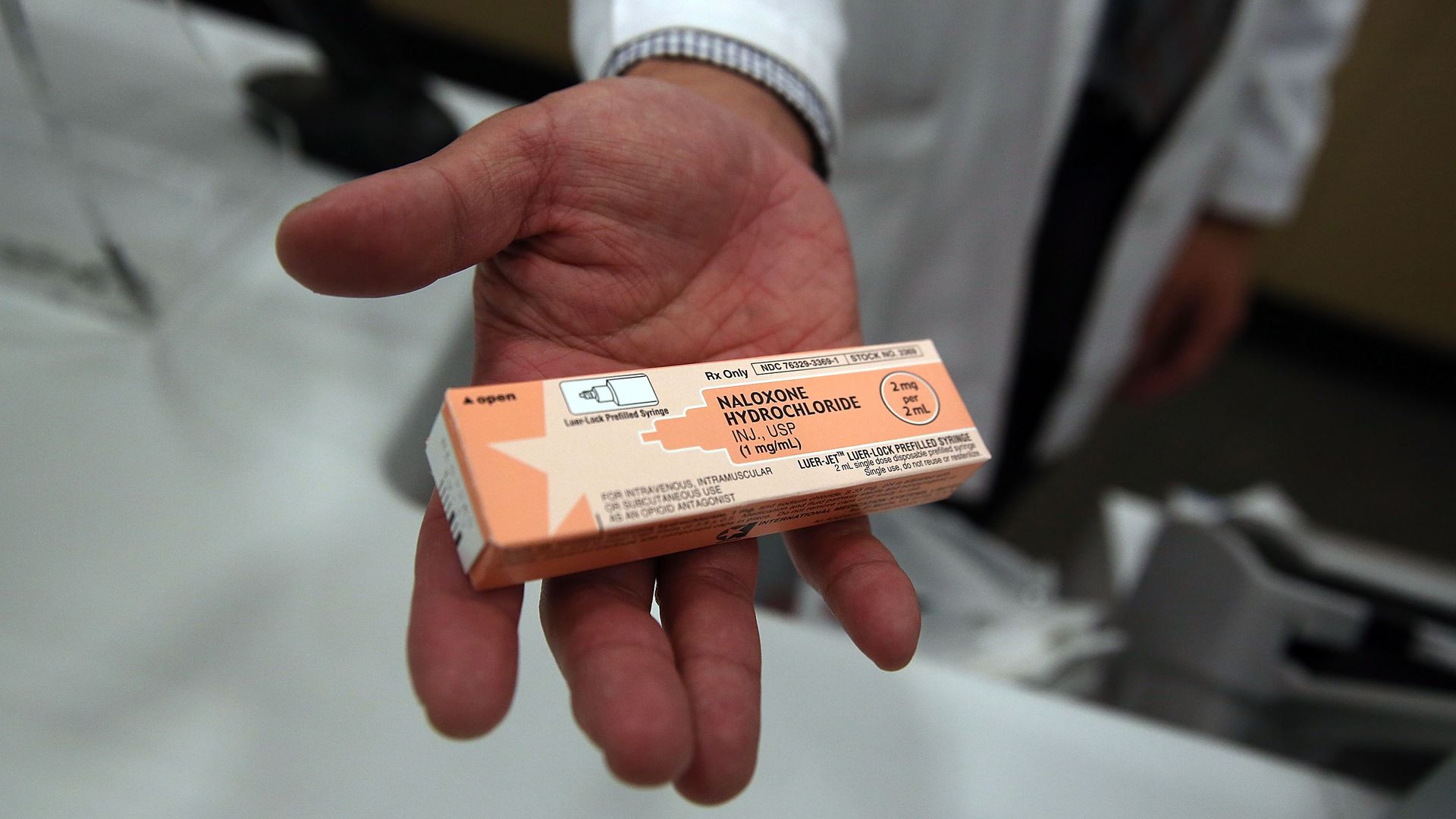
Richard Sackler, the former president of Purdue Pharma, agreed with his head of sales and marketing in 1997 not to alert doctors that OxyContin is a stronger painkiller than morphine, according to secret court documents obtained by David Armstrong of ProPublica and Stat News.
Why it matters: The deception around OxyContin, a drug that many say has fueled the country's opioid crisis, appears to have gone all the way to the top to include the billionaire family that founded Purdue.
Expect America's most prominent hate-hate relationship to get even nastier as President Trump and California clash in the lead-up to 2020.
Quick take: Hillary Clinton walloped Trump there by 30 percentage points in 2016 and the Democratic "blue wave" in 2018 swept loads of California Republicans from the House. And it's not just elections: Trump has turned the power of the federal government on California, while the Golden State has taken the lead in seeing him in court, Politico Mag's Michael Grunwald reports.
Employers often turn to brokers to help them find the right health care plan for their workers. But there's a catch: Brokers have several layers of incentives to steer companies toward plans with higher premiums.
How it works: For starters, brokers' commission is a percentage of the plan's total annual premium. Higher premium, higher commission. But there's more, as ProPublica reports.
A new Brookings Institution paper outlines ways to prevent patients from receiving surprise medical bills — particularly the patients who are unlikely to know their doctor is out-of-network.
The big picture: The paper argues that any solution must take into account that health care settings often are not normal markets.
Americans spent $3.65 trillion on health care in 2018, according to new preliminary estimates from independent federal actuaries. That total is about the same size as Spain and Canada's entire economies — combined.
Why it matters: U.S. health spending last year was 4.4% higher than in 2017, a rate that is still growing faster than the broader economy — which means more money is being taken out of people's paychecks to pay for a system that continues to worry and frustrate patients.





/2019/02/21/1550786815825.gif?w=3840)