In any given year, one in six families will make an "extraordinary health care payment," according to a new study in Health Affairs.
Details: An "extraordinary" payment is defined as a payment of at least $400 and 1% of annual income, as well as being significantly above the family's average monthly health care spending.
The law firm Akin Gump is arguing that inmates are being wrongly denied treatment for opioid addiction, and that there’s a strong case for lawsuits to force the criminal justice system to treat them (first spotted by Joshua Sharfstein), per a memo written by Akin Gump for Bloomberg American Health Initiative.
Why it matters: If people don’t get treatment in jail or prison, they’re at extreme risk of overdosing when they get out, according to the memo. That’s because inmates aren’t using opioids while incarcerated, so their tolerance goes way down.
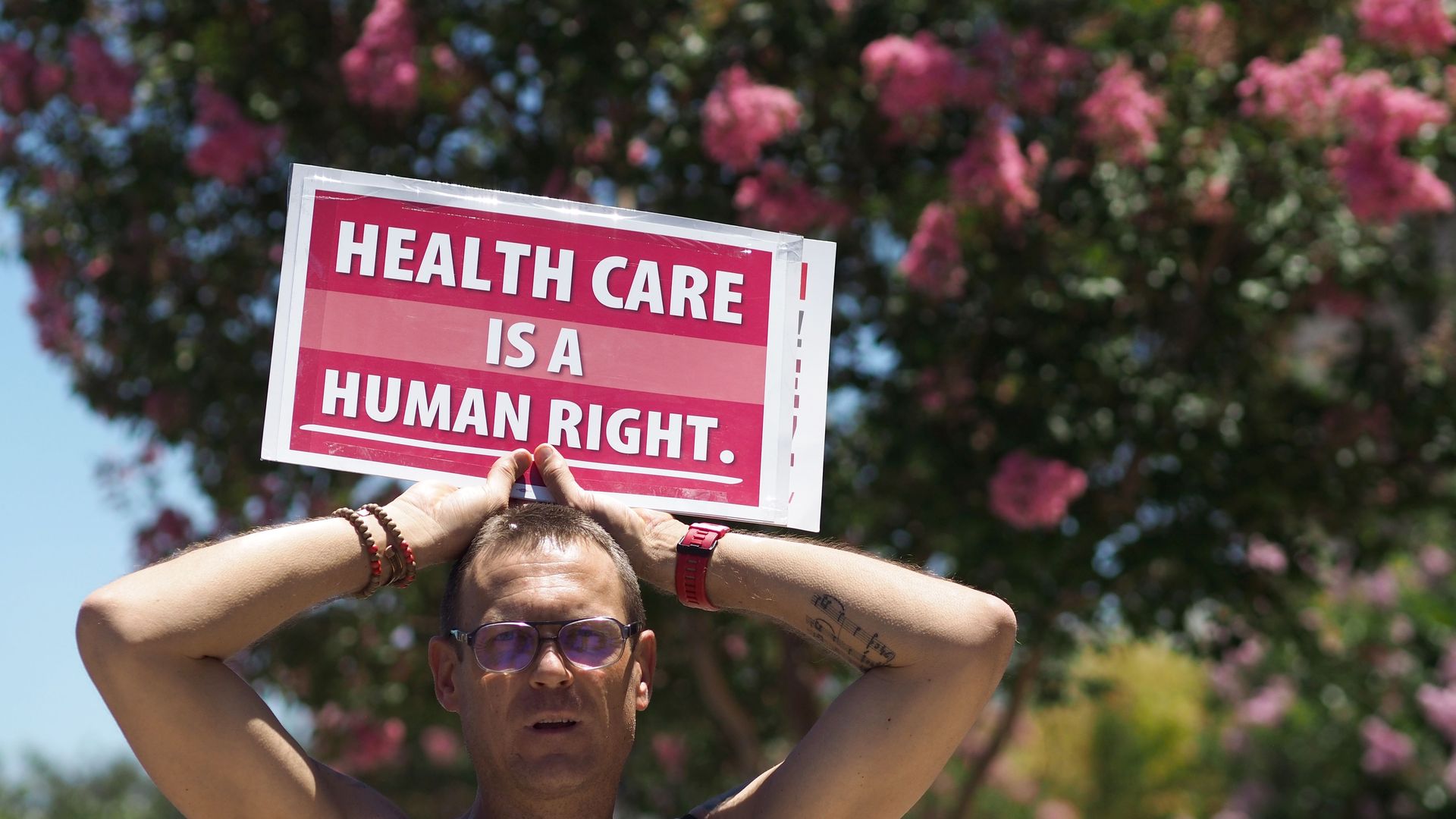
The Affordable Care Act is limping toward the end of what will likely be the worst enrollment season in its history. That's partly because of the Trump administration's policies, but there are also other reasons, and they may matter just as much.
Where it stands: The window to purchase ACA coverage for 2019 closes on Saturday. So far, the number of people signing up through HealthCare.gov, the main enrollment portal, is down about 12% from the same time last year — and last year was down slightly from the year before that.
Public and private health officials are dedicating a good chunk of resources toward investigating acute flaccid myelitis (AFM), the rare polio-like illness that mainly strikes young children, not only because it's devastating but also due to concerns it could develop into something affecting larger numbers of people, an expert at Children's National Health System tells Axios.
Why it matters: While AFM reached a record high this year, the illness remains rare and some question the public resources dedicated to it. But "there's some concern that it could evolve to something larger" due to its similarity to polio, says Roberta DeBiasi, CNHS chief of the division of pediatric infectious diseases. "It's better not to start when there's a large number of patients."
Brand-name pharmaceutical companies occasionally send checks to commercially insured patients with the goal of getting those people to keep taking their high-priced drugs, Kaiser Health News reports.
Why it matters: The industry says this is simply a direct form of "patient assistance," which also includes things like copay coupons. However, critics see these practices as a form of kickback, and they're outlawed in Medicare and Medicaid because they induce people to stay on drugs that have seen staggering price increases.
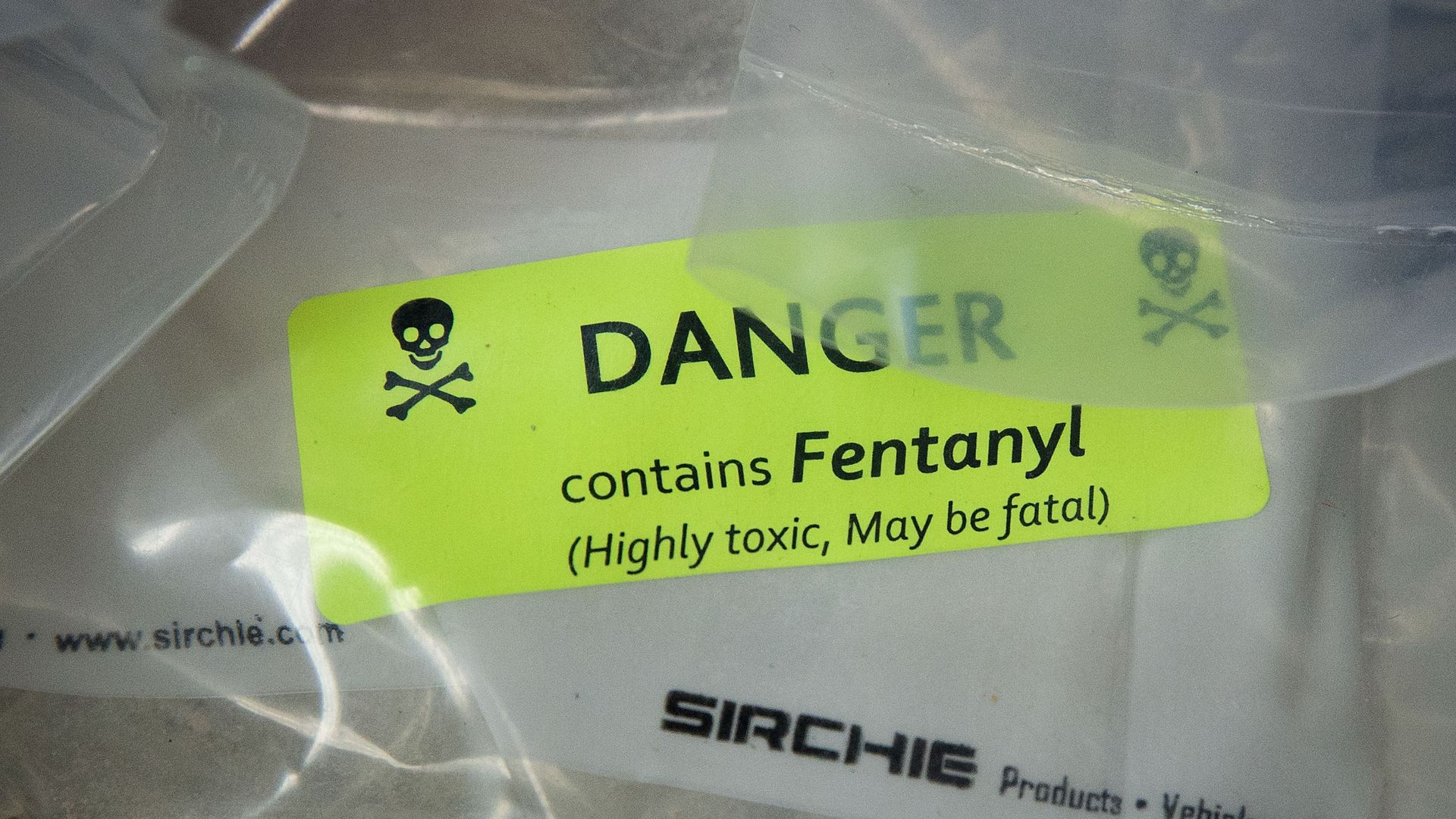
New data from the Centers for Disease Control and Prevention yesterday confirmed what experts have been warning: Fentanyl is not only deadly on its own, but is also contributing to other drugs' high death rates.
The big picture: As the nation's addiction crisis has unfolded, the No. 1 cause of overdose deaths has shifted from prescription drugs to heroin to fentanyl. And now cocaine — a stimulant, making it the odd man out — is also seeing a spike.