Envision Healthcare and UnitedHealthcare have reached a new contract, effective Jan. 1, 2019, that will ensure UnitedHealthcare members get in-network hospital care from Envision's doctors.
Why it matters: The contract renewal ends a bitter, months-long feud between one of the country's largest health insurers and a major physician staffing firm, with each side lobbing scathinglawsuits at the other. But we have no idea whether patients got a good deal — financial terms were not disclosed, and both companies declined to comment beyond their press releases.
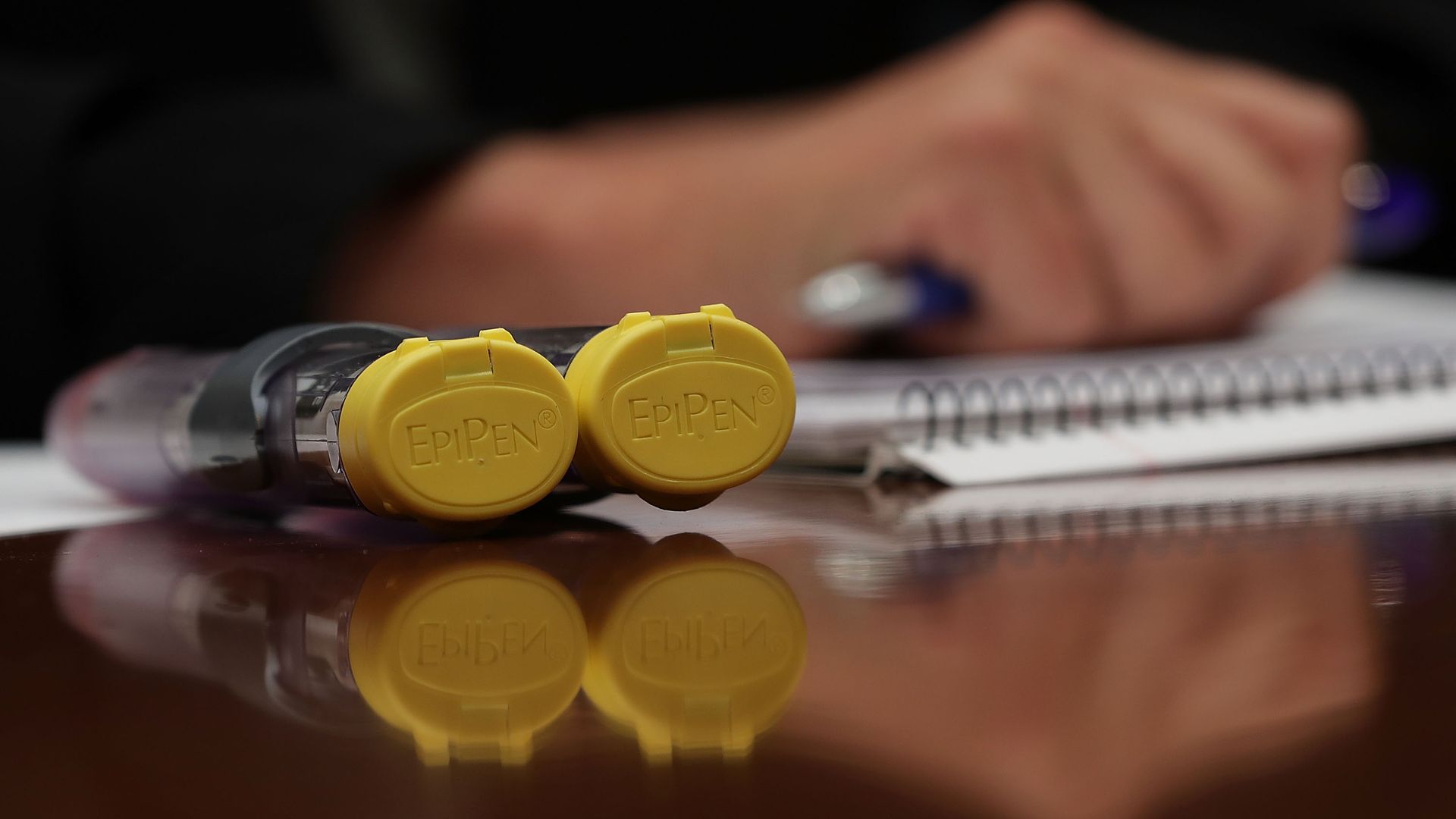
The House yesterday overwhelmingly passed a bill cracking down on some of the tactics Mylan used to pay lower Medicaid rebates for the EpiPen. The Senate is hoping to pass the bill this year.
The big picture: EpiPen was misclassified as a generic drug within Medicaid, which resulted in Mylan paying less in rebates and causing taxpayers to overpay as much as $1.27 billion over 10 years, according to one government estimate.
Roughly 4.2 million people, or 27% of uninsured Americans, could get ACA coverage with a $0 premium, the Kaiser Family Foundation said yesterday. The poorest consumers are eligible for subsidies that would be big enough to cover the entire premium for a lower-tier “bronze” plan.
Yes, but: Bronze plans have high deductibles — more than $6,200 per year, on average, according to Kaiser.
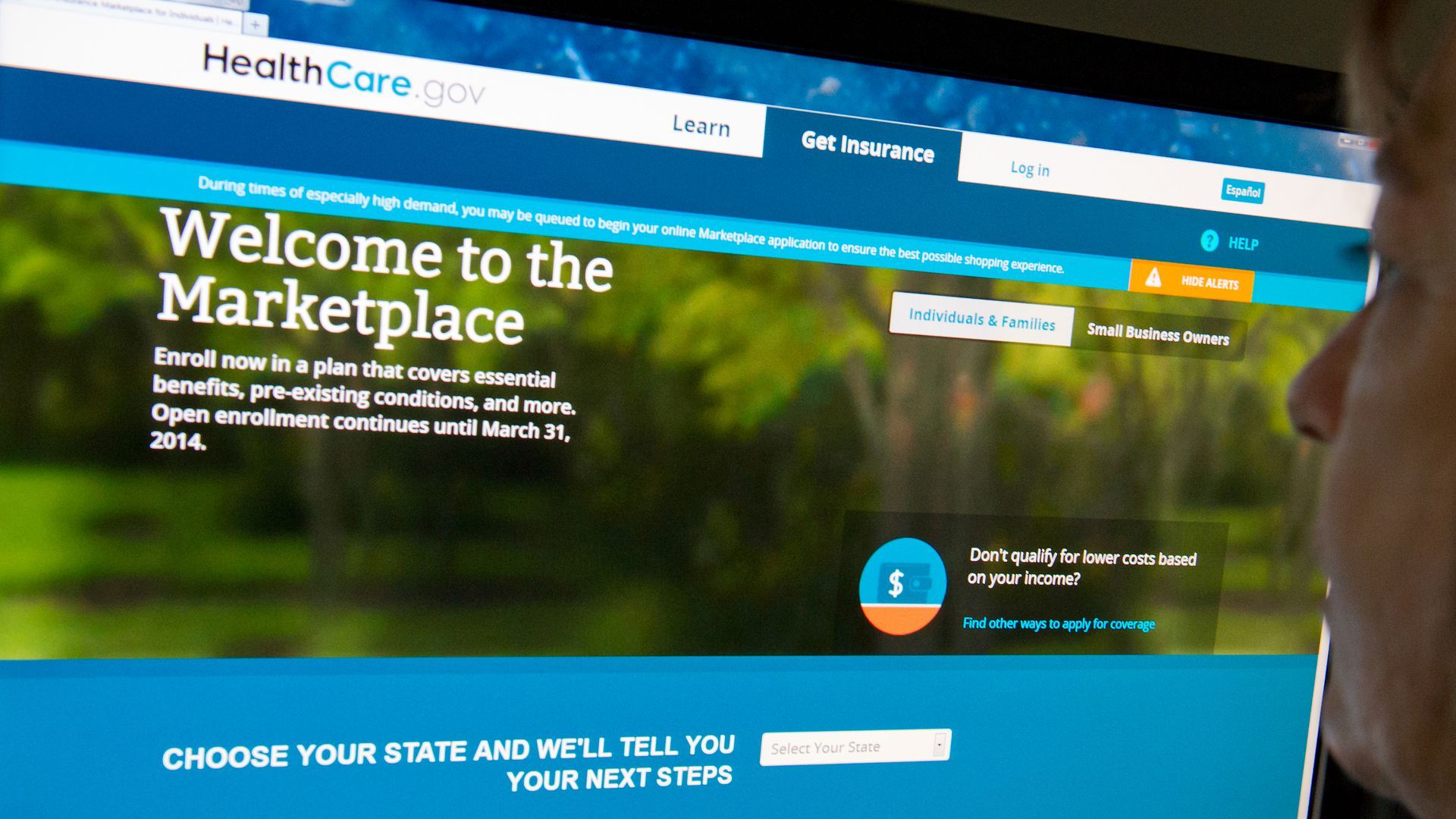
The Health and Human Services Department edited HealthCare.gov in a way that seems to subtly steer people toward other, private enrollment options, according to a review by the Sunlight Foundation.
Details: The edits, which were made roughly two weeks into the six-week enrollment period, affect the “How to Apply & Enroll” page on HealthCare.gov.
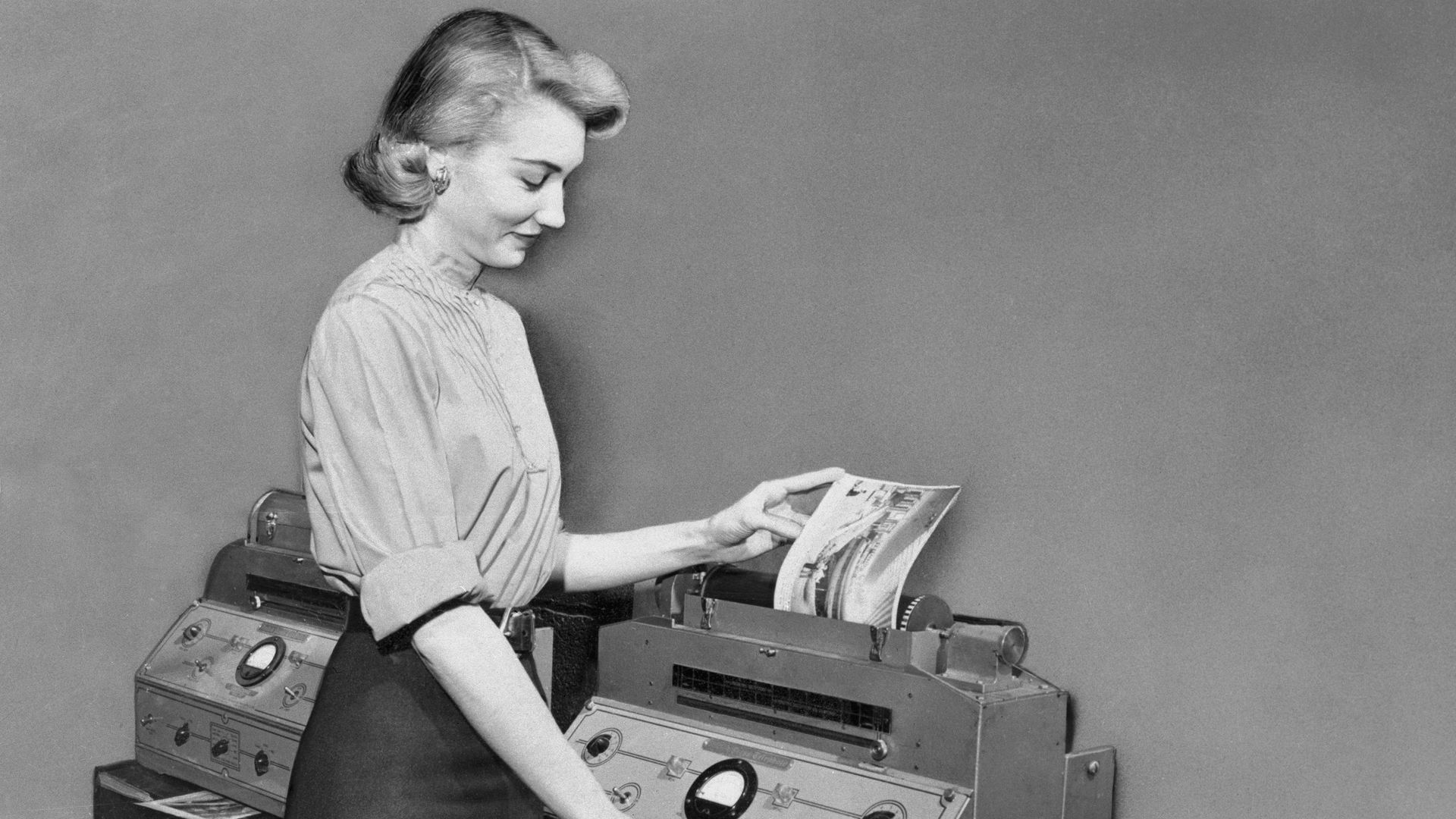
Britain’s National Health Service does many things that would be unthinkable in the U.S., but this one may take the cake: It’s banning fax machines.
The big picture: NHS’ leadership has banned the purchase of new fax machines at NHS facilities, and wants to phase them out entirely by the spring of 2020, according to The Guardian. The country’s Royal College of Surgeons says there are about 8,000 fax machines still in use within the British health care system, a number it called “absurd.” Faxes still account for as much as 75% of all medical communication in the U.S., Vox reported earlier this year.
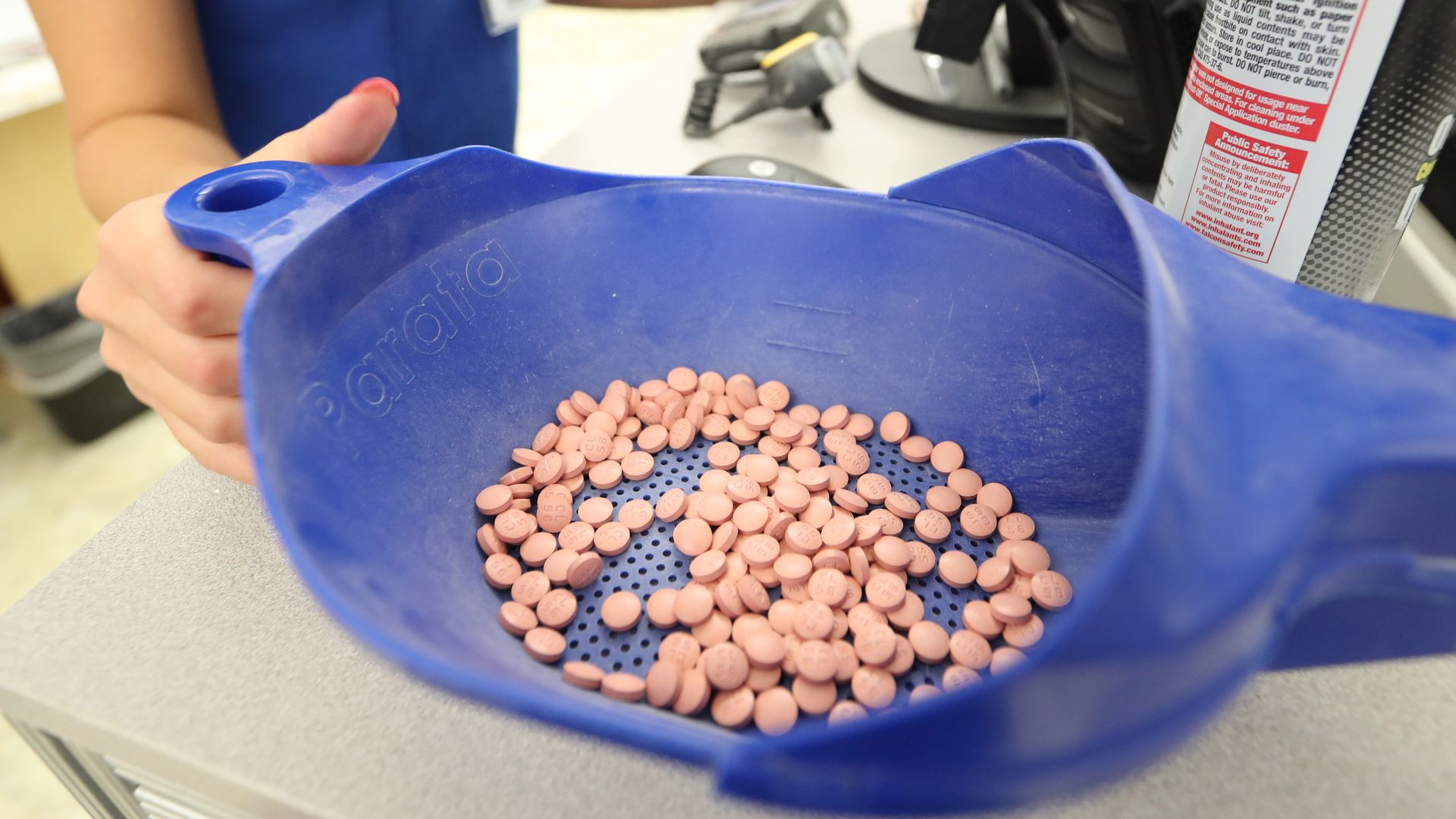
Last year, we knew the multi-state lawsuit against generic drug manufacturers — alleging anticompetitive behavior like price-fixing and squashing generic competitors — involved at least a dozen companies and 15 drugs.
That has since exploded to include at least 16 companies and 300 drugs, the Washington Post reports. “This is most likely the largest cartel in the history of the United States,” Joseph Nielsen, Connecticut’s assistant attorney general, told the Post. The companies say the lawsuit has no merit.
Americans pay more than other countries do for prescription drugs,and see quicker drug approvals — but not necessarily better health outcomes, according to several studies.
Why it matters: As Washington debates the administration’s new Medicare drug pricing proposal,the pharmaceutical industry says high U.S. drug prices are justified because we have better access to new drugs. But if the difference isn't meaningful, or if people can't afford these new drugs, it raises the question of why we pay so much more.