Public and private health officials are dedicating a good chunk of resources toward investigating acute flaccid myelitis (AFM), the rare polio-like illness that mainly strikes young children, not only because it's devastating but also due to concerns it could develop into something affecting larger numbers of people, an expert at Children's National Health System tells Axios.
Why it matters: While AFM reached a record high this year, the illness remains rare and some question the public resources dedicated to it. But "there's some concern that it could evolve to something larger" due to its similarity to polio, says Roberta DeBiasi, CNHS chief of the division of pediatric infectious diseases. "It's better not to start when there's a large number of patients."
Brand-name pharmaceutical companies occasionally send checks to commercially insured patients with the goal of getting those people to keep taking their high-priced drugs, Kaiser Health News reports.
Why it matters: The industry says this is simply a direct form of "patient assistance," which also includes things like copay coupons. However, critics see these practices as a form of kickback, and they're outlawed in Medicare and Medicaid because they induce people to stay on drugs that have seen staggering price increases.
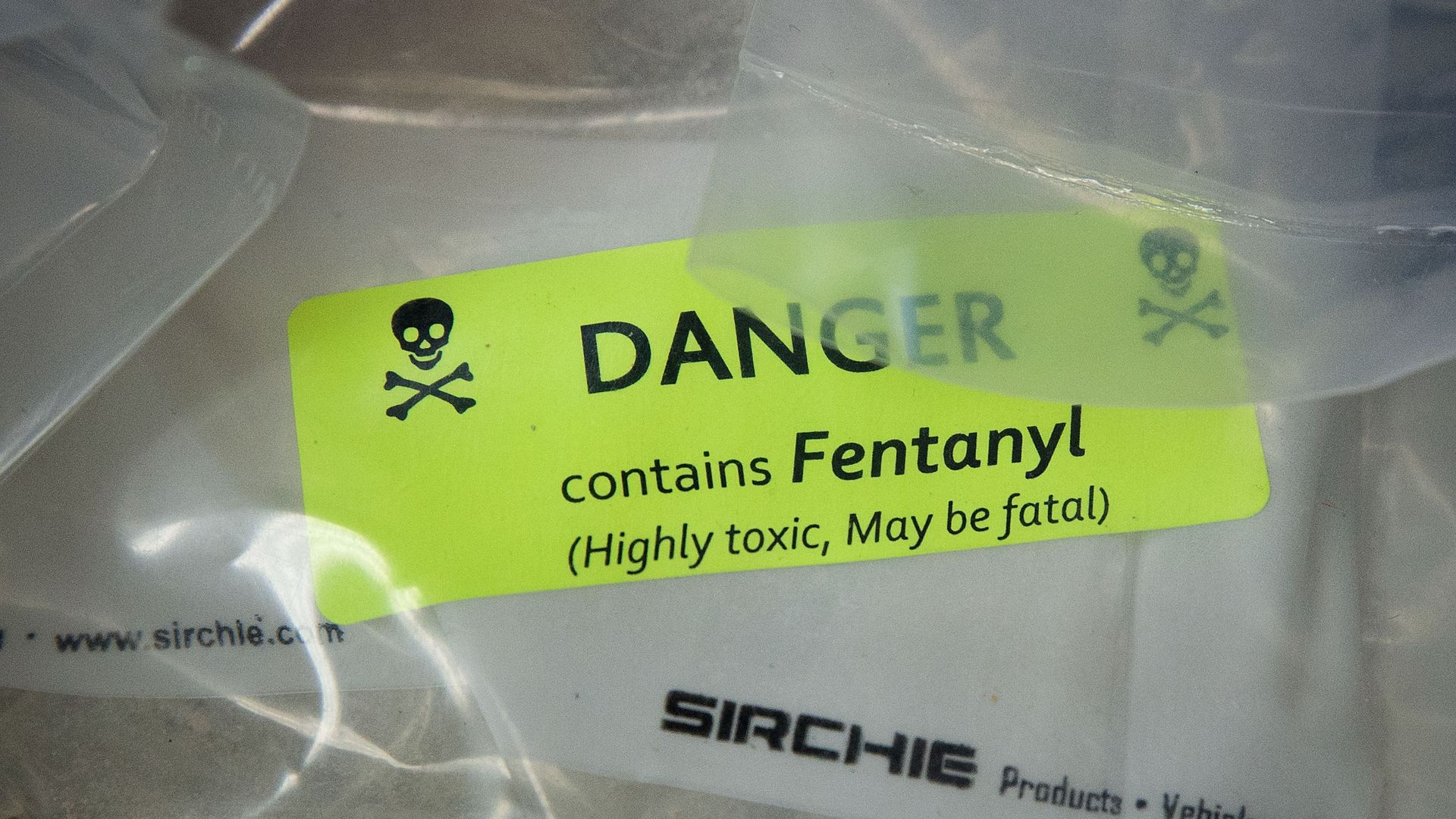
New data from the Centers for Disease Control and Prevention yesterday confirmed what experts have been warning: Fentanyl is not only deadly on its own, but is also contributing to other drugs' high death rates.
The big picture: As the nation's addiction crisis has unfolded, the No. 1 cause of overdose deaths has shifted from prescription drugs to heroin to fentanyl. And now cocaine — a stimulant, making it the odd man out — is also seeing a spike.
Envision Healthcare and UnitedHealthcare have reached a new contract, effective Jan. 1, 2019, that will ensure UnitedHealthcare members get in-network hospital care from Envision's doctors.
Why it matters: The contract renewal ends a bitter, months-long feud between one of the country's largest health insurers and a major physician staffing firm, with each side lobbing scathinglawsuits at the other. But we have no idea whether patients got a good deal — financial terms were not disclosed, and both companies declined to comment beyond their press releases.
The House yesterday overwhelmingly passed a bill cracking down on some of the tactics Mylan used to pay lower Medicaid rebates for the EpiPen. The Senate is hoping to pass the bill this year.
The big picture: EpiPen was misclassified as a generic drug within Medicaid, which resulted in Mylan paying less in rebates and causing taxpayers to overpay as much as $1.27 billion over 10 years, according to one government estimate.
Roughly 4.2 million people, or 27% of uninsured Americans, could get ACA coverage with a $0 premium, the Kaiser Family Foundation said yesterday. The poorest consumers are eligible for subsidies that would be big enough to cover the entire premium for a lower-tier “bronze” plan.
Yes, but: Bronze plans have high deductibles — more than $6,200 per year, on average, according to Kaiser.
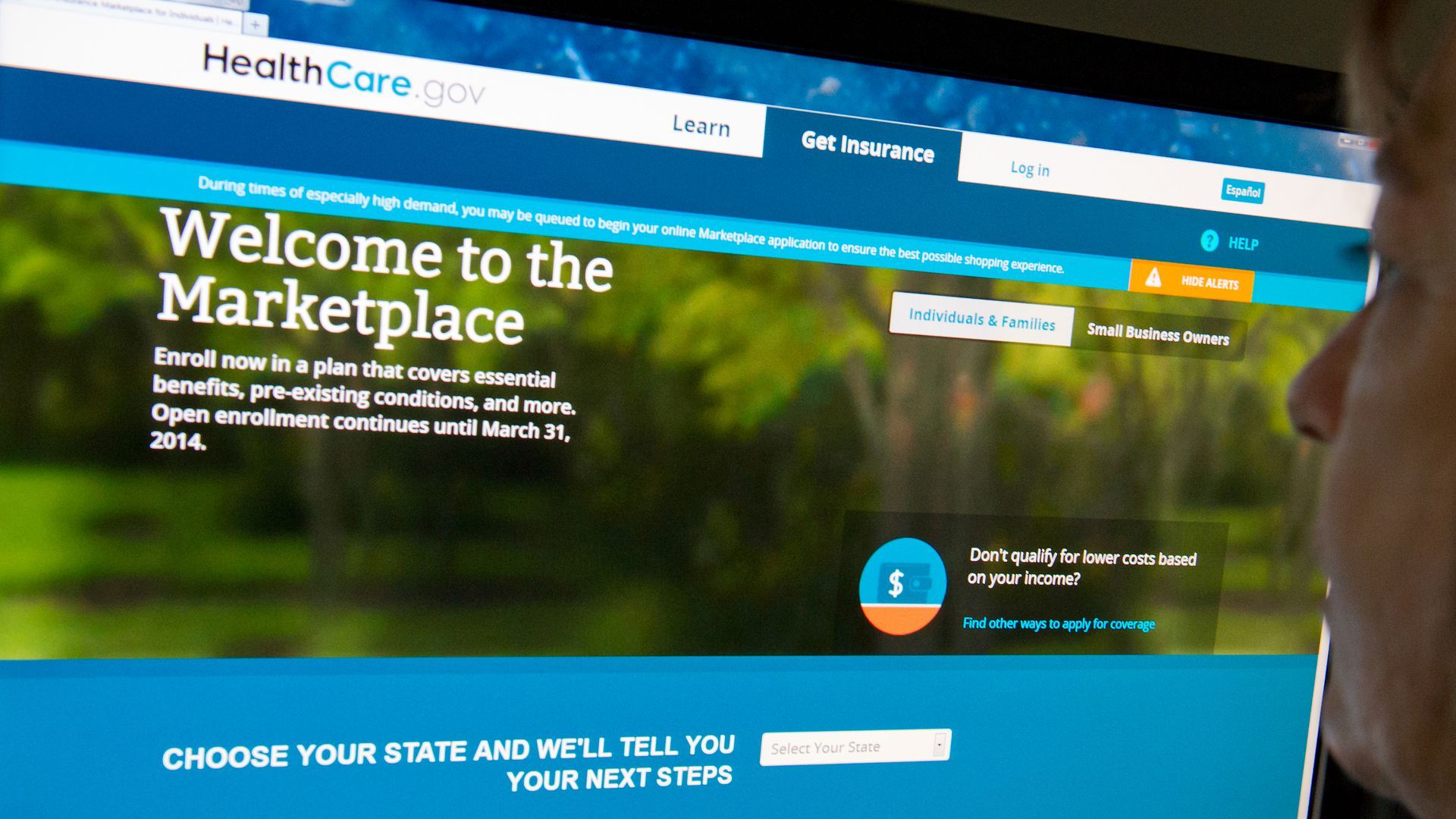
The Health and Human Services Department edited HealthCare.gov in a way that seems to subtly steer people toward other, private enrollment options, according to a review by the Sunlight Foundation.
Details: The edits, which were made roughly two weeks into the six-week enrollment period, affect the “How to Apply & Enroll” page on HealthCare.gov.