U.S. health officials may soon start trials in the Democratic Republic of the Congo to test the efficacy of different Ebola treatments if they get the necessary approvals, Anthony Fauci, head of the National Institute of Allergy and Infectious Diseases, tells Axios.
Why it matters: The combination of violence against health care workers and the deadly virus caused the head of the Centers for Disease Control to issue a warning earlier this week that Ebola could become "endemic" to Congo. The only potential bright spot to a such a devastating outbreak would be testing experimental treatments to help indicate which ones actually work best, Fauci says.
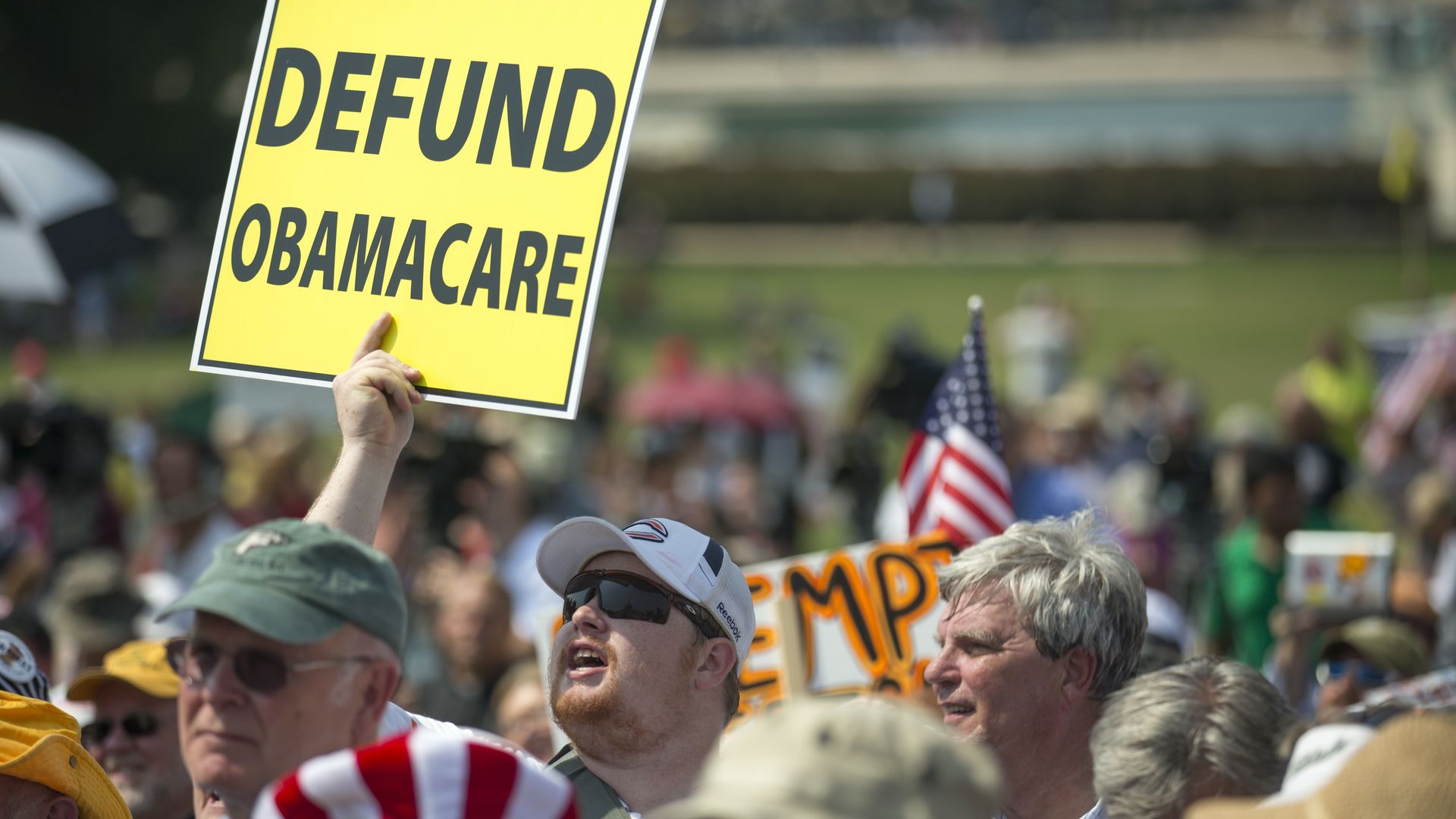
Critics of the Affordable Care Act have argued that the law would force insurers to drop coverage or cut workers’ hours — but that hasn’t happened, according to a new analysis from the Urban Institute.
The details: Employer-based health coverage has held steady since 2010, as the overall number of insured people rose. Researchers found no relationship between the number of people in a given field who had insurance and the overall changes in employment levels, hours worked or earnings. However, everything isn’t worry-free in the world of employer-sponsored insurance. Deductibles and other out-of-pocket costs have been steadily rising, as health care costs go up and employers shift more of those increases onto their workers.
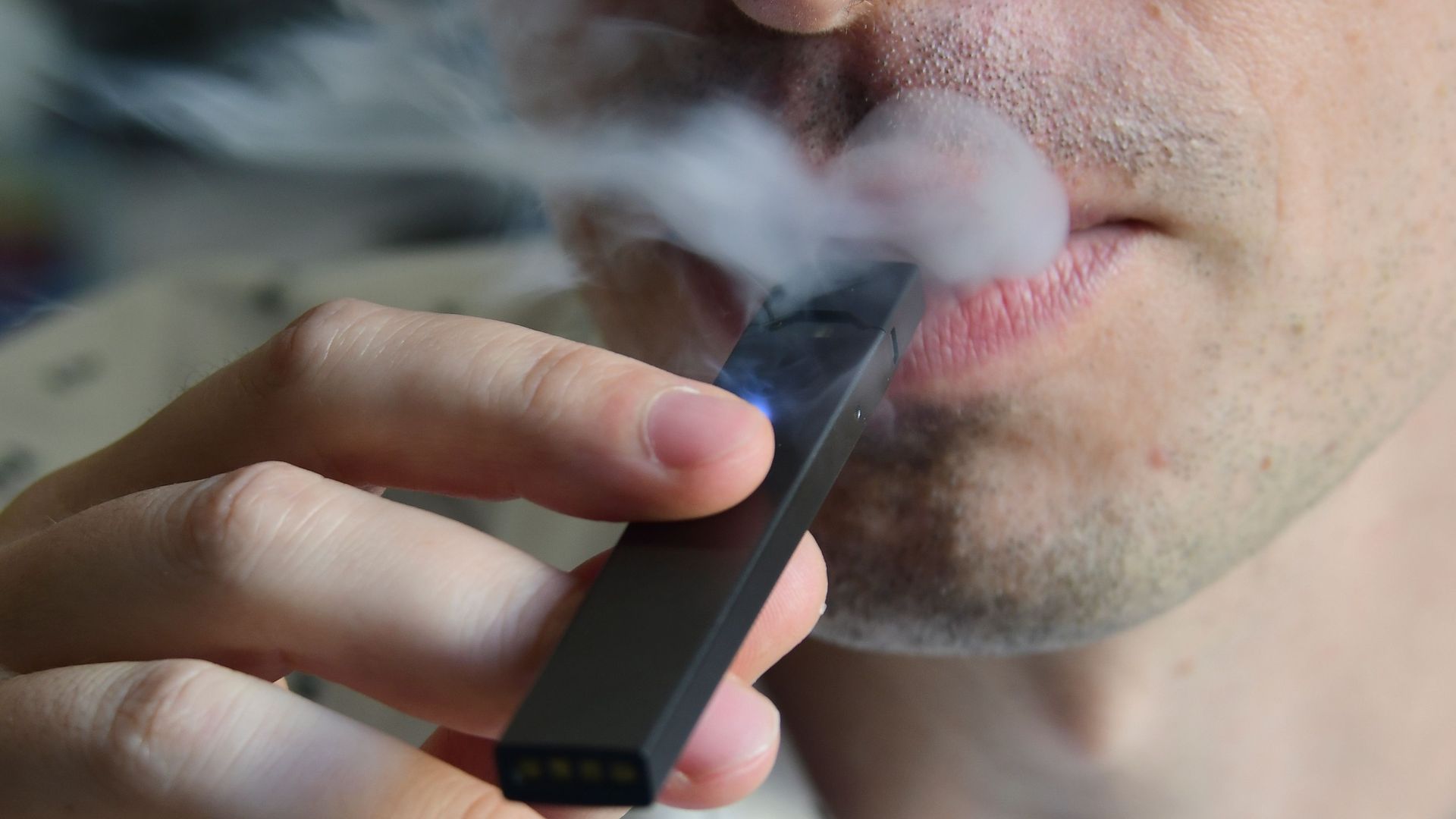
Food and Drug Administration commissioner Scott Gottlieb will announce "severe restrictions" on the sale of flavored e-cigarettes some time next week, The Washington Post reports.
Why it matters: The FDA in September called the use of e-cigarettes among minors an epidemic — preliminary government data shows 77% of high schoolers have used e-cigarettes. Many e-cigarette users are likely to get addicted to nicotine or use regular cigarettes, the Centers for Disease Control and Prevention reports.
Only 14% of adults in the U.S. reported smoking a cigarette every day or some days — the lowest share in history — according to new data from the Centers for Disease Control and Prevention."
The big picture: American adults who smokedhas been on the decline — down 15.5% from last year and down 67% since 1965. But about 47 million Americans are still using some type of tobacco product, like e-cigarettes or smokeless tobacco.
Another significant change in HHS' program integrity rule: The department wants insurers to send consumers separate bills for medical coverage and whatever coverage they might provide for abortion.
How it works: Federal law says federal funding — including premium subsidies under the ACA — can't be used to cover abortion, and requires insurers to segregate the money they use to provide coverage for abortion services.
With a Democratic House, a Republican Senate, and President Trump in the White House, get ready for two years of maneuvering but little progress on health care — unless you look beyond Washington.
What to watch: No new health legislation of any significance will pass in this Congress. Democrats in the House will try to come together on a health agenda for the party while their presidential candidates pursue their own platforms. Democratic oversight of the administration’s actions in the House will be unremitting and in the news. And most of the real action affecting people will be in the states.