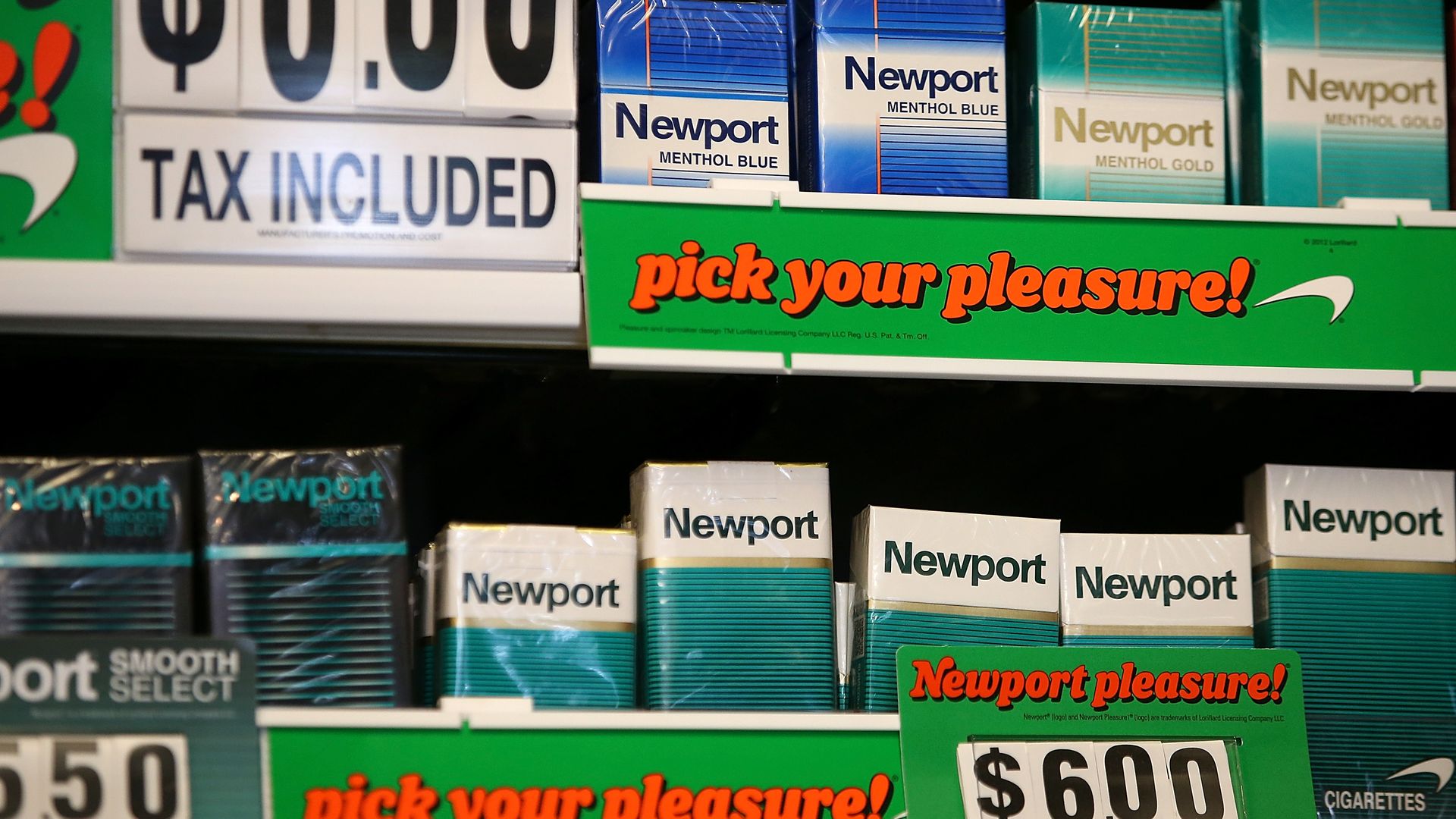
The Food and Drug Administration is planning a ban on menthol cigarettes, adding to the crackdown on tobacco and nicotine products regulated by the administration, the Wall Street Journal reports.
The details:Nearly 20 million people in the U.S. smoke menthol cigarettes. The plan would not take effect immediately, however, as it could take the agency a year or more for a ruling to be finalized, plus an additional year for it to be enforced. Earlier this week, it was reported the FDA may also put restrictions on the sale of flavored e-cigarette products.
U.S. health officials may soon start trials in the Democratic Republic of the Congo to test the efficacy of different Ebola treatments if they get the necessary approvals, Anthony Fauci, head of the National Institute of Allergy and Infectious Diseases, tells Axios.
Why it matters: The combination of violence against health care workers and the deadly virus caused the head of the Centers for Disease Control to issue a warning earlier this week that Ebola could become "endemic" to Congo. The only potential bright spot to a such a devastating outbreak would be testing experimental treatments to help indicate which ones actually work best, Fauci says.
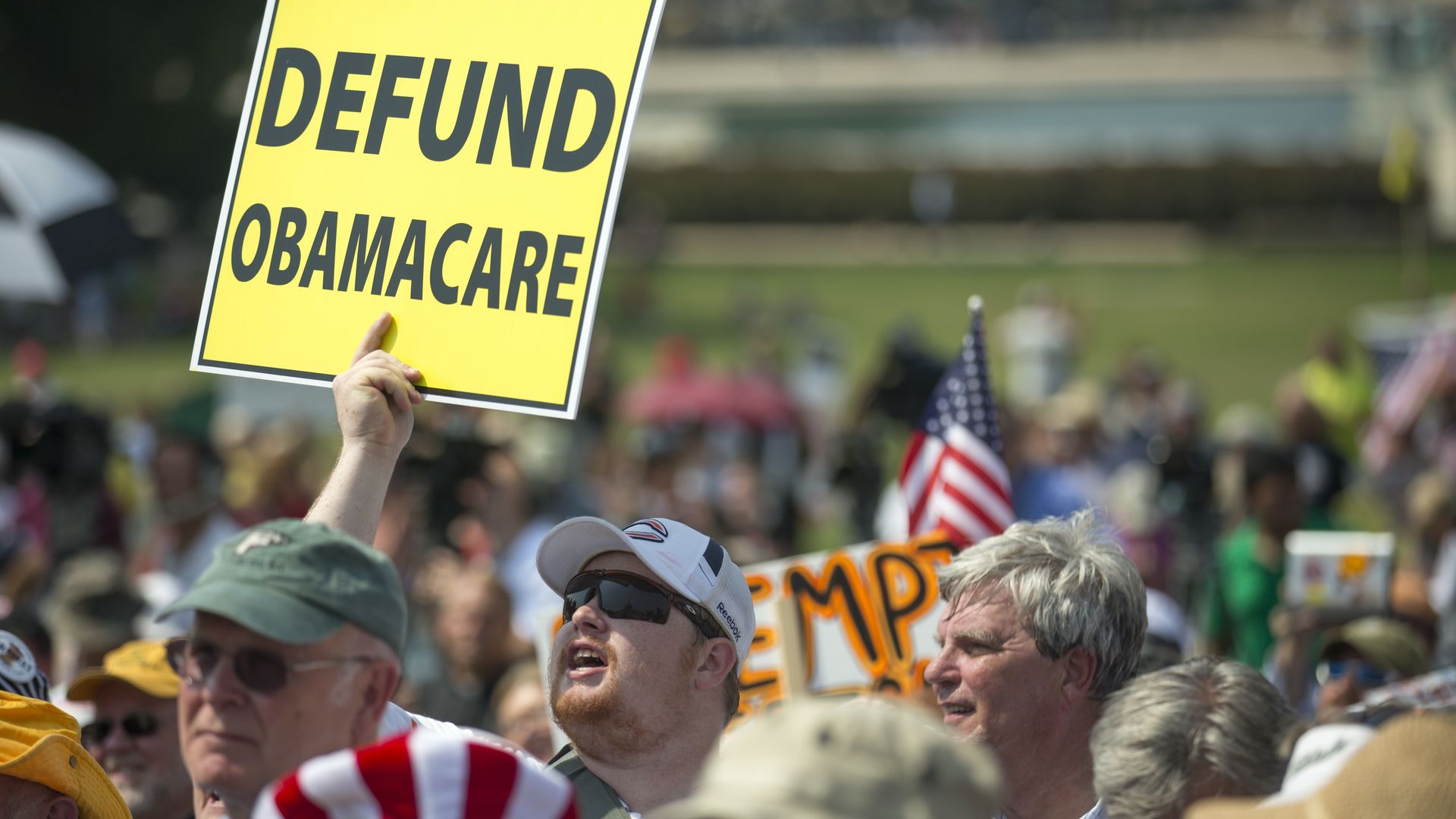
Critics of the Affordable Care Act have argued that the law would force insurers to drop coverage or cut workers’ hours — but that hasn’t happened, according to a new analysis from the Urban Institute.
The details: Employer-based health coverage has held steady since 2010, as the overall number of insured people rose. Researchers found no relationship between the number of people in a given field who had insurance and the overall changes in employment levels, hours worked or earnings. However, everything isn’t worry-free in the world of employer-sponsored insurance. Deductibles and other out-of-pocket costs have been steadily rising, as health care costs go up and employers shift more of those increases onto their workers.