Food and Drug Administration commissioner Scott Gottlieb will announce "severe restrictions" on the sale of flavored e-cigarettes some time next week, The Washington Post reports.
Why it matters: The FDA in September called the use of e-cigarettes among minors an epidemic — preliminary government data shows 77% of high schoolers have used e-cigarettes. Many e-cigarette users are likely to get addicted to nicotine or use regular cigarettes, the Centers for Disease Control and Prevention reports.
Only 14% of adults in the U.S. reported smoking a cigarette every day or some days — the lowest share in history — according to new data from the Centers for Disease Control and Prevention."
The big picture: American adults who smokedhas been on the decline — down 15.5% from last year and down 67% since 1965. But about 47 million Americans are still using some type of tobacco product, like e-cigarettes or smokeless tobacco.
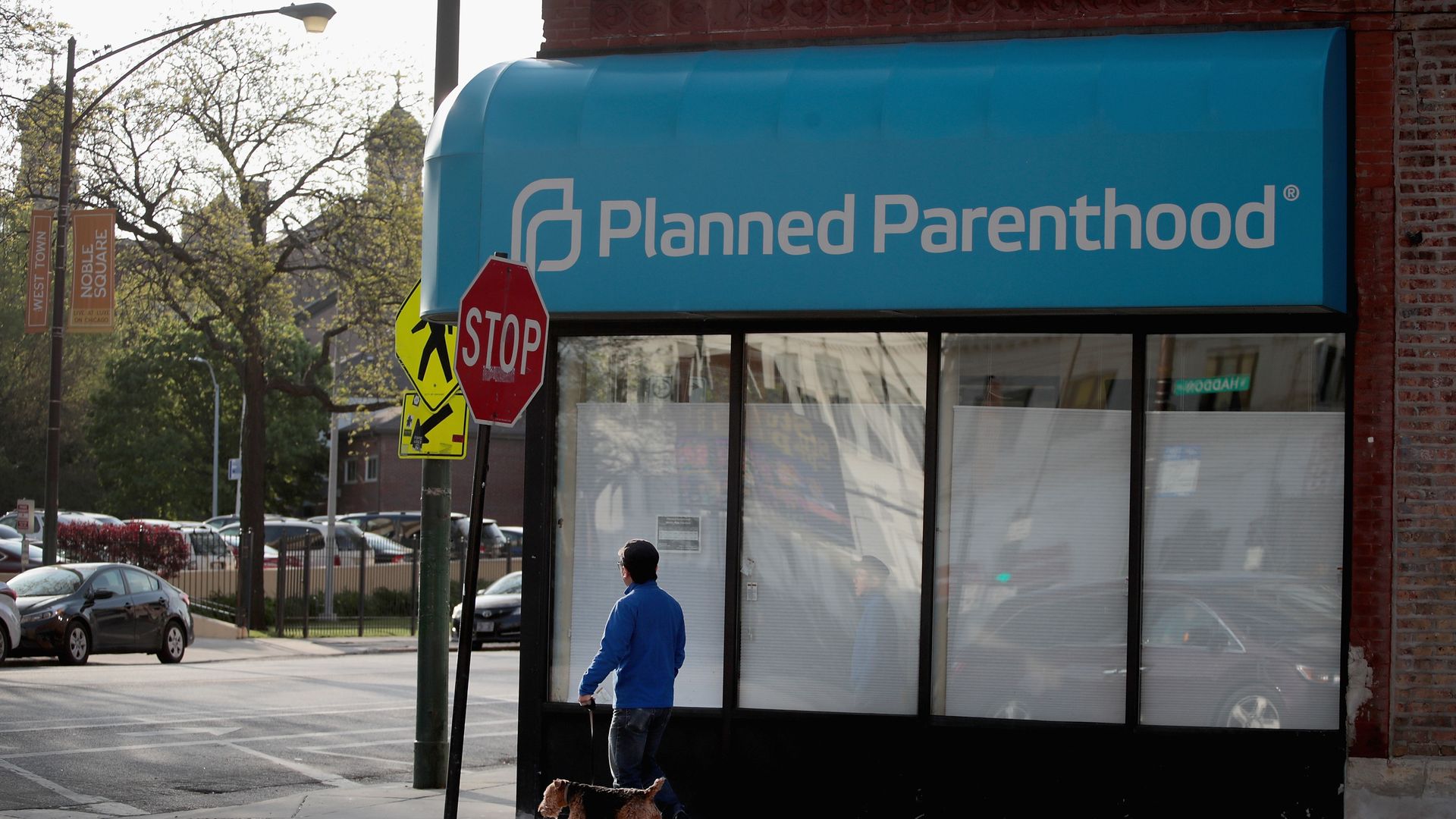
Another significant change in HHS' program integrity rule: The department wants insurers to send consumers separate bills for medical coverage and whatever coverage they might provide for abortion.
How it works: Federal law says federal funding — including premium subsidies under the ACA — can't be used to cover abortion, and requires insurers to segregate the money they use to provide coverage for abortion services.
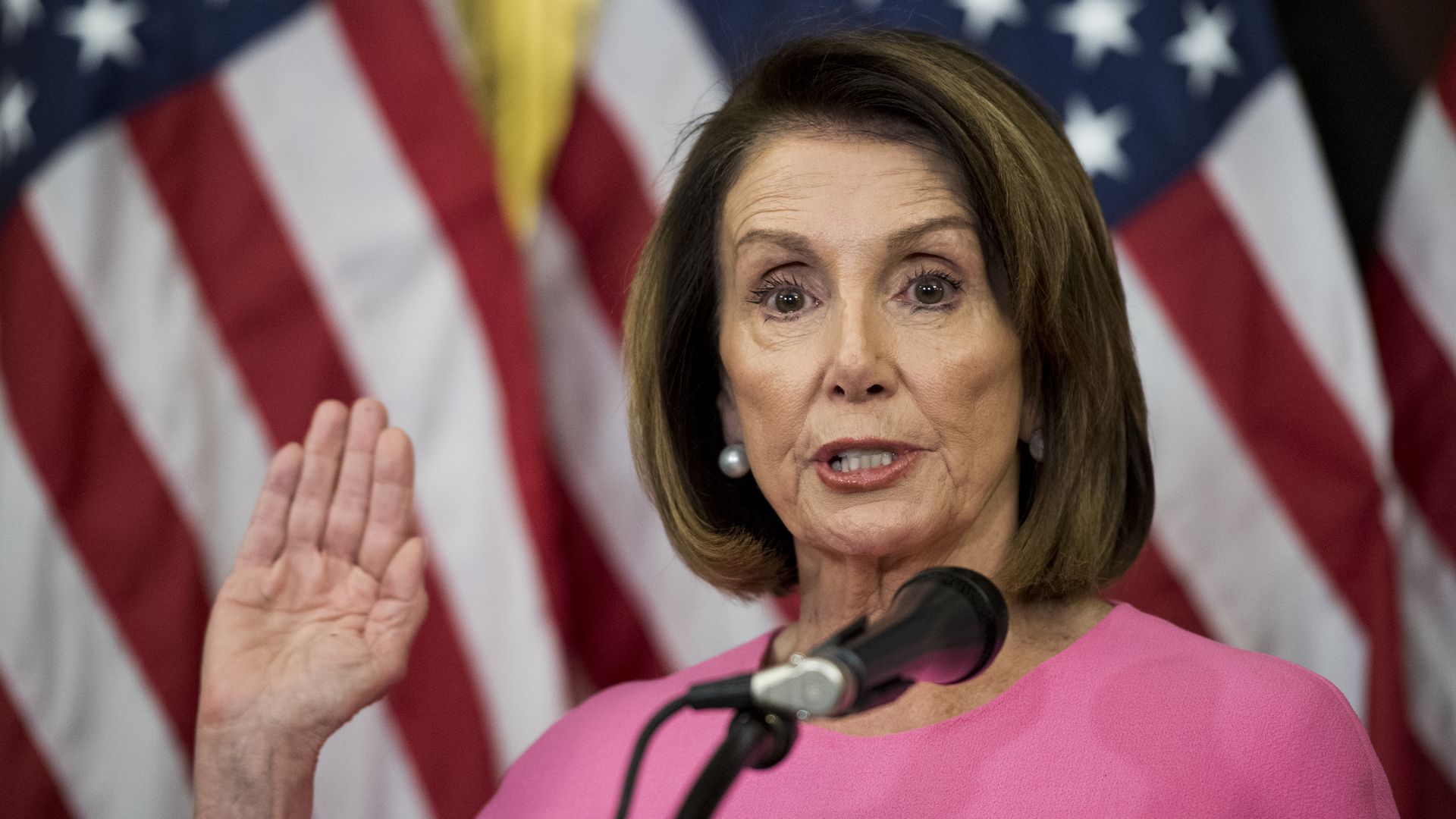
With a Democratic House, a Republican Senate, and President Trump in the White House, get ready for two years of maneuvering but little progress on health care — unless you look beyond Washington.
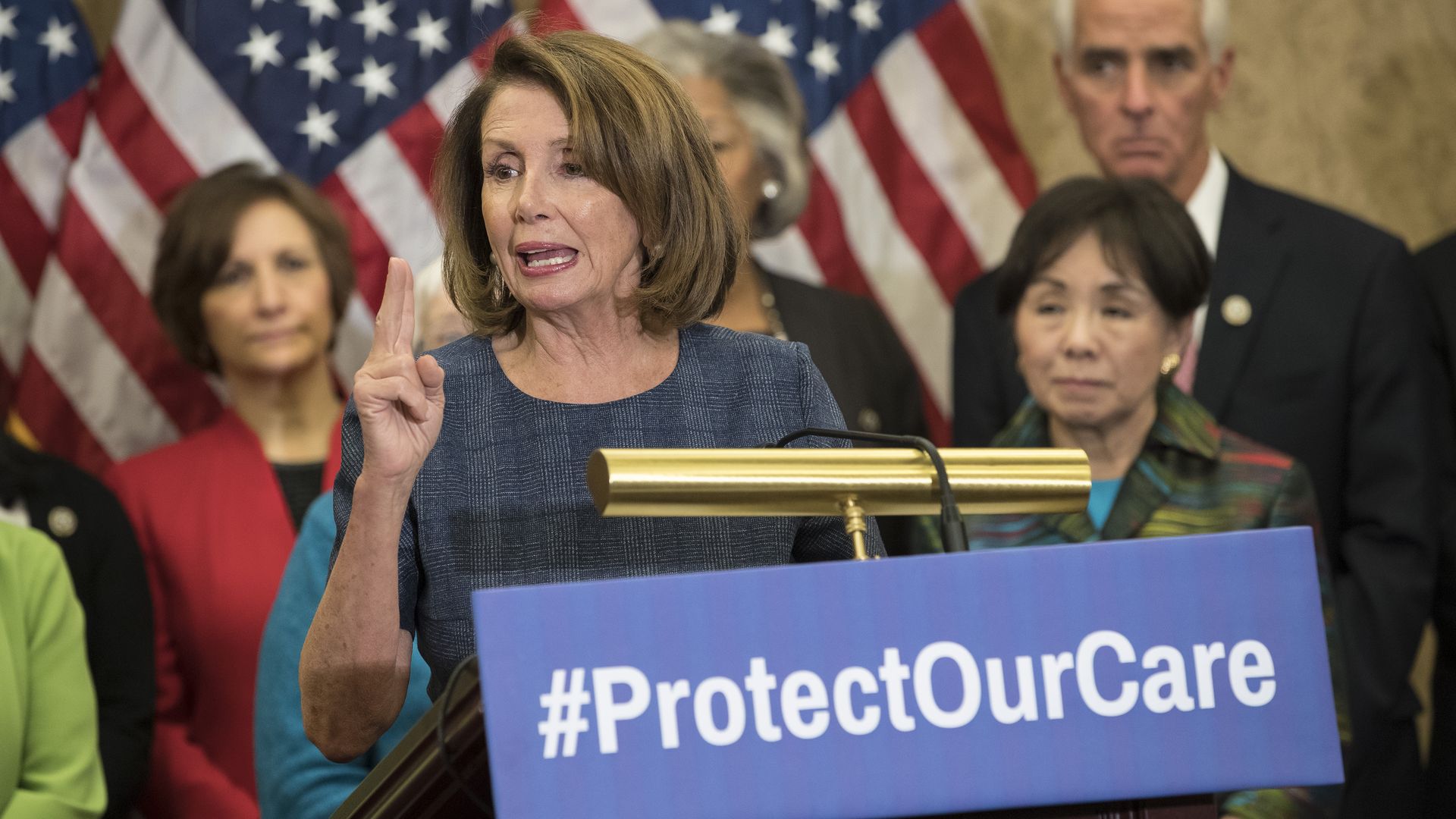
What to watch: No new health legislation of any significance will pass in this Congress. Democrats in the House will try to come together on a health agenda for the party while their presidential candidates pursue their own platforms. Democratic oversight of the administration’s actions in the House will be unremitting and in the news. And most of the real action affecting people will be in the states.
The stock prices of health care companies soared Wednesday morning, as Wall Street analysts predict a Democratic House and Republican Senate will keep the profitable status quo humming for at least two more years.
The big picture: Health care companies have thrived in the Affordable Care Act era, and they don't want large-scale changes to the law or the industry at large.
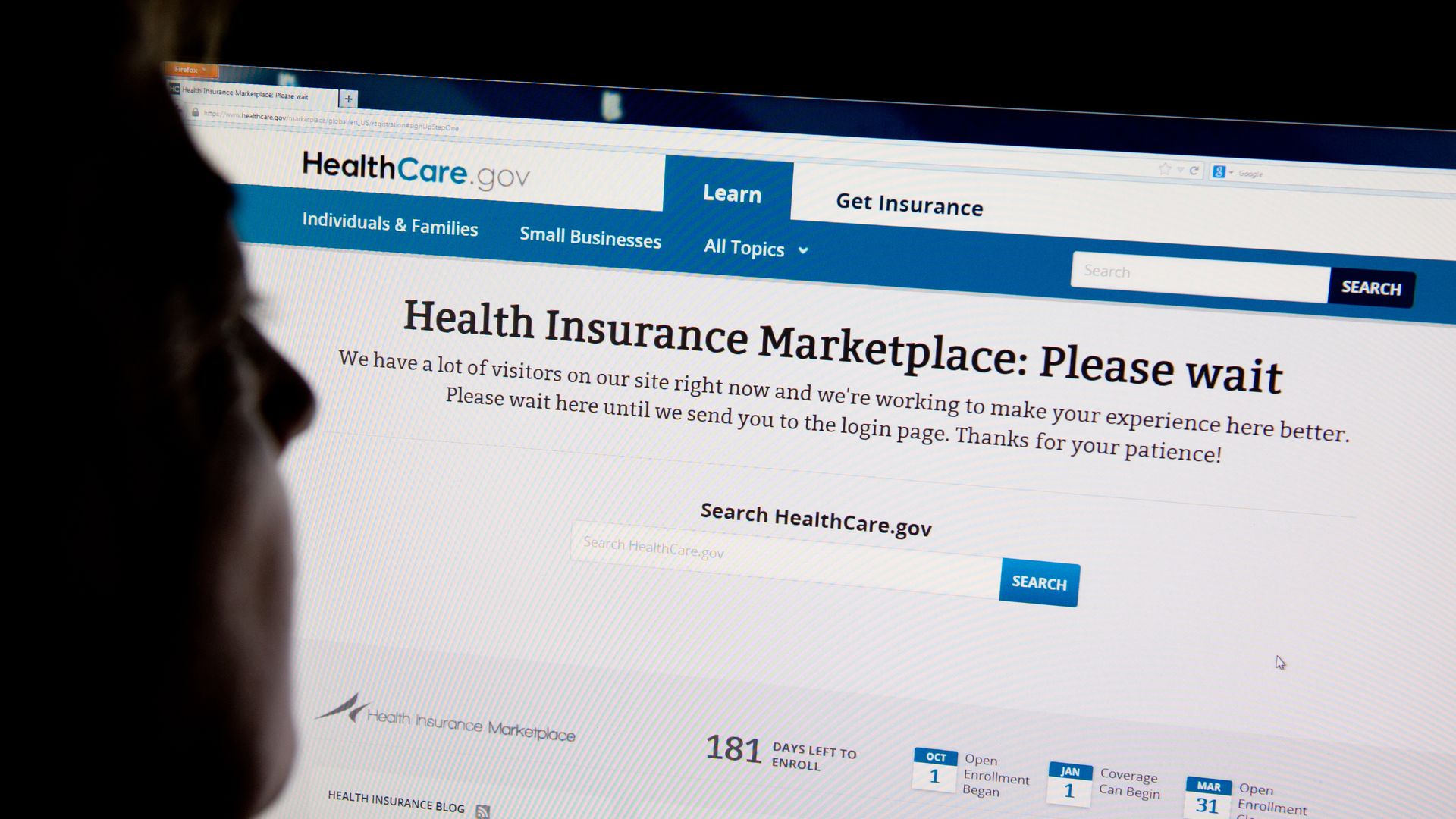
Affordable Care Act enrollment is off to a slow start this year. Roughly 370,000 people chose insurance plans through HealthCare.gov in the first three days of enrollment — a big drop from more than 600,000 in the first four days of the last enrollment period.
Why it matters: Things can change before the enrollment window ends on Dec. 15, and sign-ups usually spike closer to that deadline. But this is not a strong early indicator. If total enrollment falls, the mix of healthy versus sick enrollees will likely get worse.
Honestly, although Democrats' takeover of the House is the biggest overall headline of the night, its health care implications are pretty modest.
The big picture: The next two years will test the strength of Republicans' alliance with the health care industry, and pharmaceutical companies in particular. "The real test will be, do Republicans vote ‘no’ on this ... when it’s on the floor?" a pharmaceutical lobbyist told Axios after Republicans were largely silent on Trump's latest drug-pricing plan. We're about to find out.
Medicaid expansion was a bright spot for Democrats on an otherwise mixed election night as three states passed ballot initiatives to adopt the Affordable Care Act's expansion of the program.
By the numbers: Idaho voters approved Medicaid expansion with more than 61% of the vote. Nebraska passed it with 53%. Utah approved it with 54%.