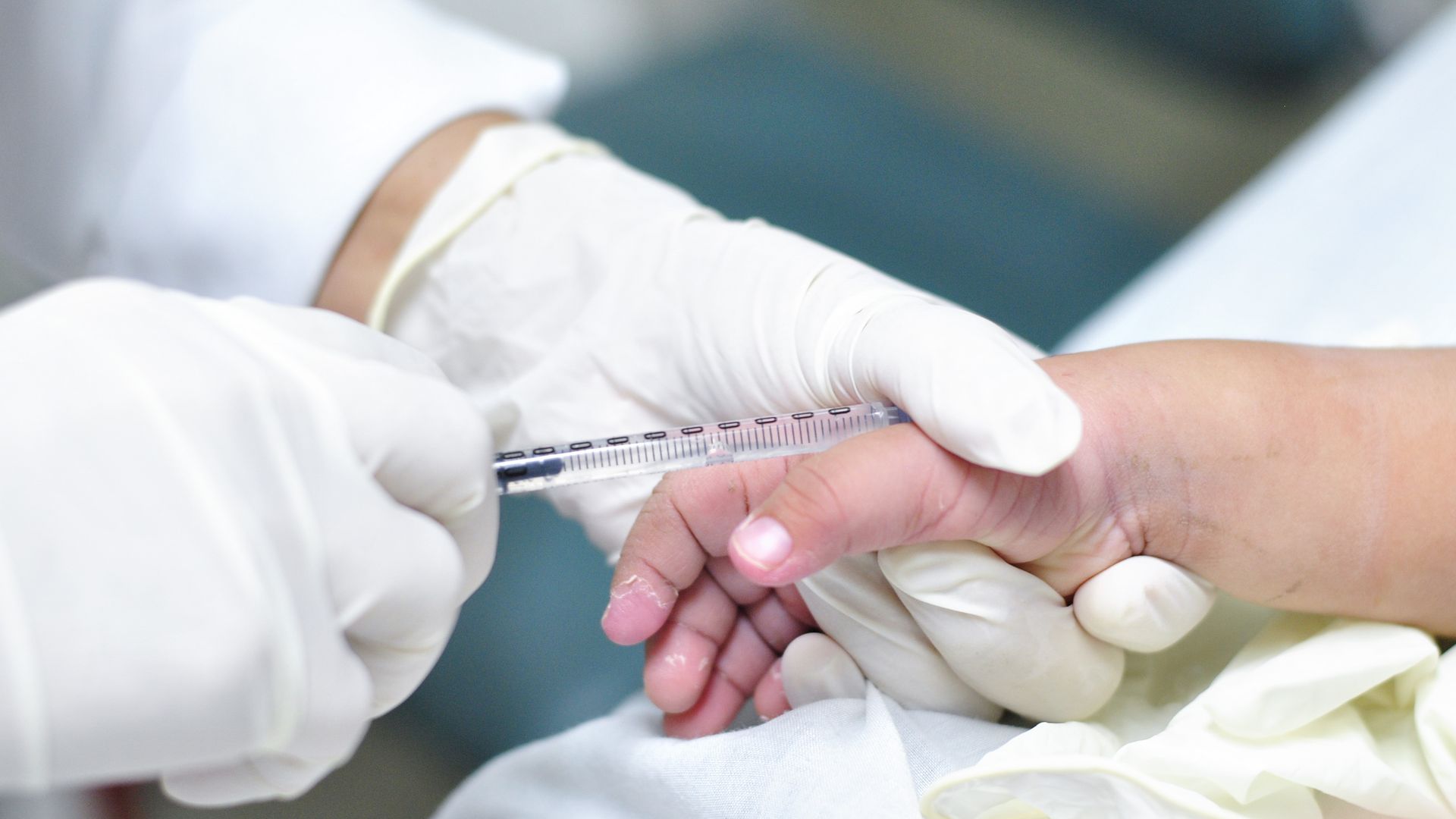
Biosimilar versions of Humira, AbbVie's blockbuster rheumatoid arthritis drug, are now available in Europe. To stave off that cheaper competition, AbbVie has slashed Humira's European price tag by 80% — but the company is "not losing money" at that level, according to a new report from Ronny Gal, a pharmaceutical analyst at stock research firm Bernstein.
Why it matters: Because cheaper biosimilars of Humira can't enter the U.S. until 2023, Americans over the next 5 years will be paying 80% more than Europeans for the same exact drug. AbbVie executives recently boasted about extending Humira's U.S. monopoly.
People in many parts of the country will have more insurance plans to choose from this time than they did during the last ACA enrollment window.
That's good, but there's a catch. People who already have ACA coverage, and who renew their policies automatically without going back through HealthCare.gov, could see their costs rise.
Today is the beginning of the second Affordable Care Act enrollment season under President Trump. And things are … surprisingly normal.
The big picture: The ACA has been in a state of upheaval since Trump’s inauguration. Some of the changes Republicans made during that upheaval will likely weaken the law. At this moment, though, the watchword for insurers is stability. Things may not be ideal, but at least they’re largely settled.
The pharmaceutical industry is still pushing Congress to reverse a Medicare change that caught drugmakers flat-footed earlier this year. They're now targeting the lame-duck session after the midterms.
Where it stands: Some Republicans also want this "donut hole fix," and are still talking about tying it to a bill that would increase generic drug competition, two GOP Hill sources said. But getting Democrats on board will be tough.
Six months ago, the Department of Health and Human Services said it would delay, yet again, an Affordable Care Act regulation that would fine drug companies for "knowingly and intentionally" overcharging hospitals in the federal 340B program. But now HHS "no longer believes a delay" is necessary, the agency said in a rule Wednesday.
The bottom line: The penalties will now go into effect Jan. 1, 2019, instead of July 1, 2019 — putting drug manufacturers on the hook sooner than they thought, but still considerably later than when the ACA expected the rule would go into effect.
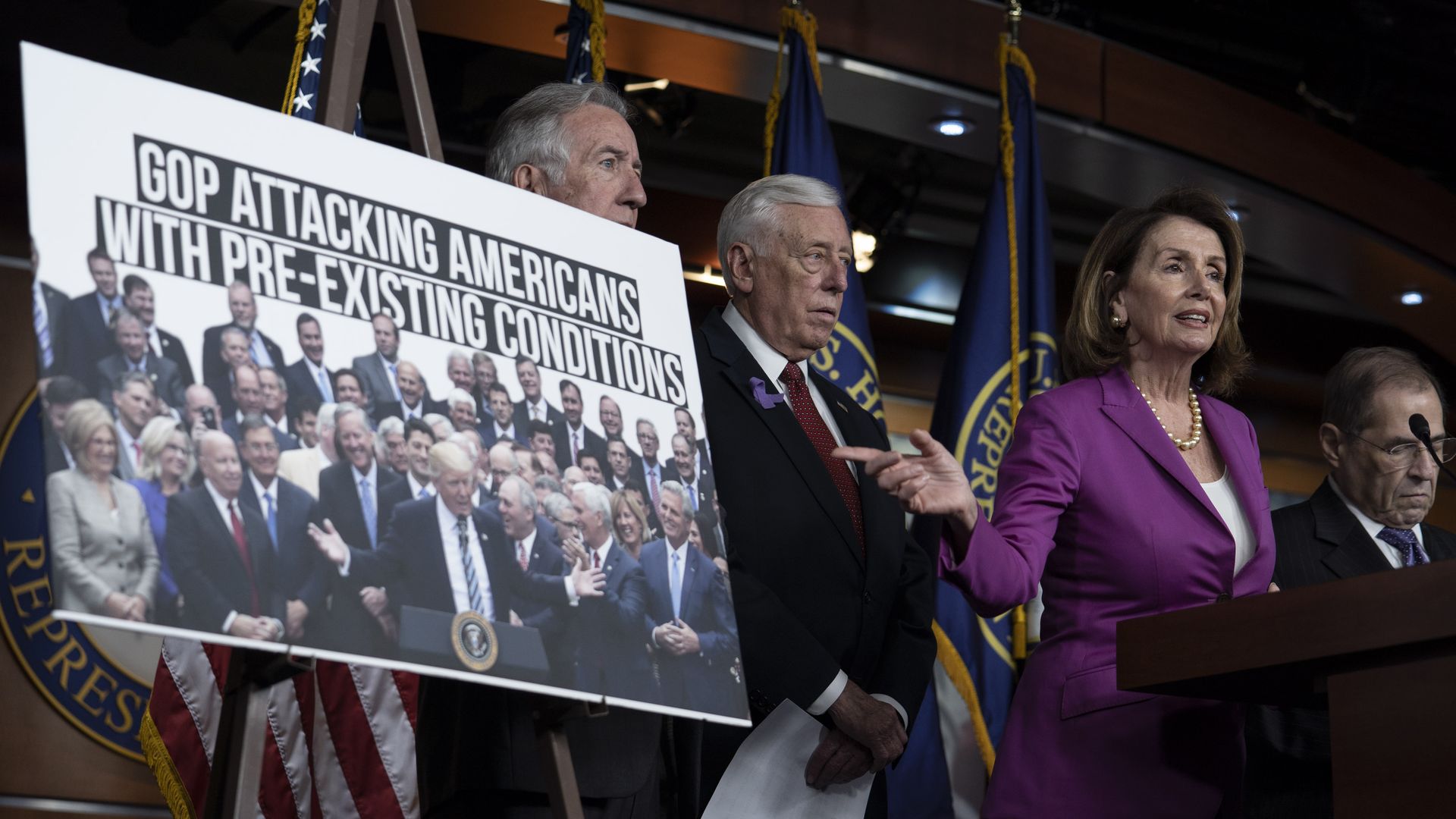
The Democratic super PAC Forward Majority is releasing a seven-figure ad campaign targeting GOP state legislators over their opposition to pre-existing conditions coverage under the Affordable Care Act as part of the group's $8 million investment in over 100 state legislative districts in the 2018 midterm election cycle.
Why it matters: This health care topic has shown up in gubernatorial, House and Senate races, where more GOP candidates are campaigning on protecting people with pre-existing conditions, even after their party attempted to repeal and replace the ACA. Now, Forward Majority is trying to help Democrats running for state legislatures in key battlegrounds capitalize on this issue — especially after the Trump administration gave states more leeway last week to waive some of the ACA's rules.
Voters like some form of “Medicare for All” but are divided over what it should look like, according to our latest Axios/SurveyMonkey poll — which is about the same situation Democratic candidates are in.
The big picture: Many of Democrats’ leading 2020 prospects, and a host of candidates in the midterms, have embraced “Medicare for All,” but there’s a big variation in the policies they propose under that banner.



/2018/10/31/1541019410416.gif?w=3840)