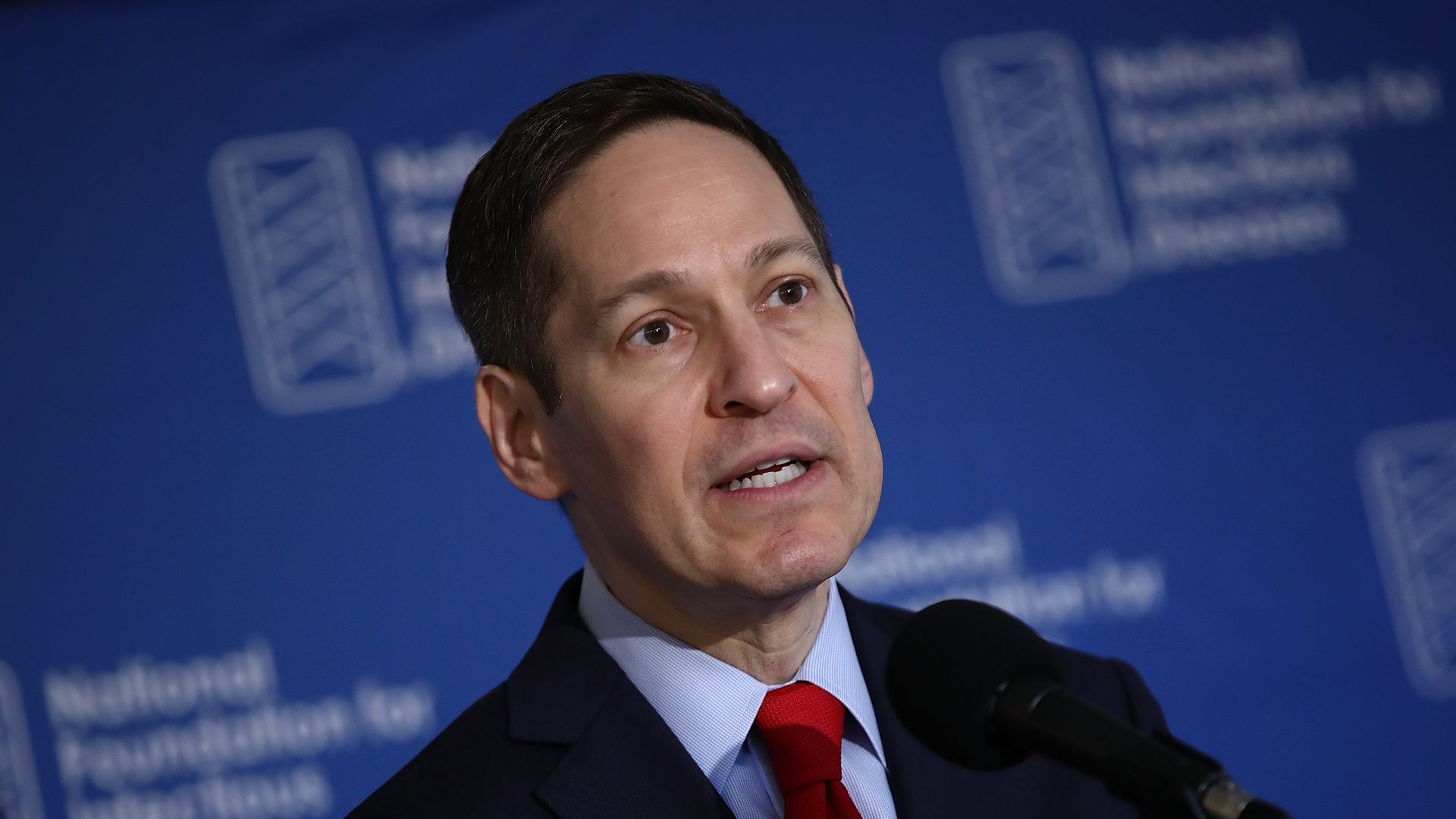
Tom Frieden, who led the Centers for Disease Control and Prevention under President Obama, was arrested this morning on allegations of forcible touching, sex abuse and harassment, CNBC reported. He is expected in court later today.
The details: A woman "filed a complaint against Frieden in July, accusing him of grabbing her buttocks against her will" in his apartment last year, according to Reuters.
The Center for Medicare and Medicaid Innovation, the agency created by the Affordable Care Act that tests new payment and care models, is on the hunt for a technology company that can “support health care pricing and bidding activities,” according to a new document obtained by Axios.
The big question: The Centers for Medicare & Medicaid Services (its parent organization) would not comment beyond the notice, so it’s unclear what this project would entail or how much a contract would cost. But it appears that the federal government wants to explore more ways for consumers to compare health care prices and shop among providers and suppliers.
Yes, but: People don’t really use health care price transparency tools, as a study last year showed.
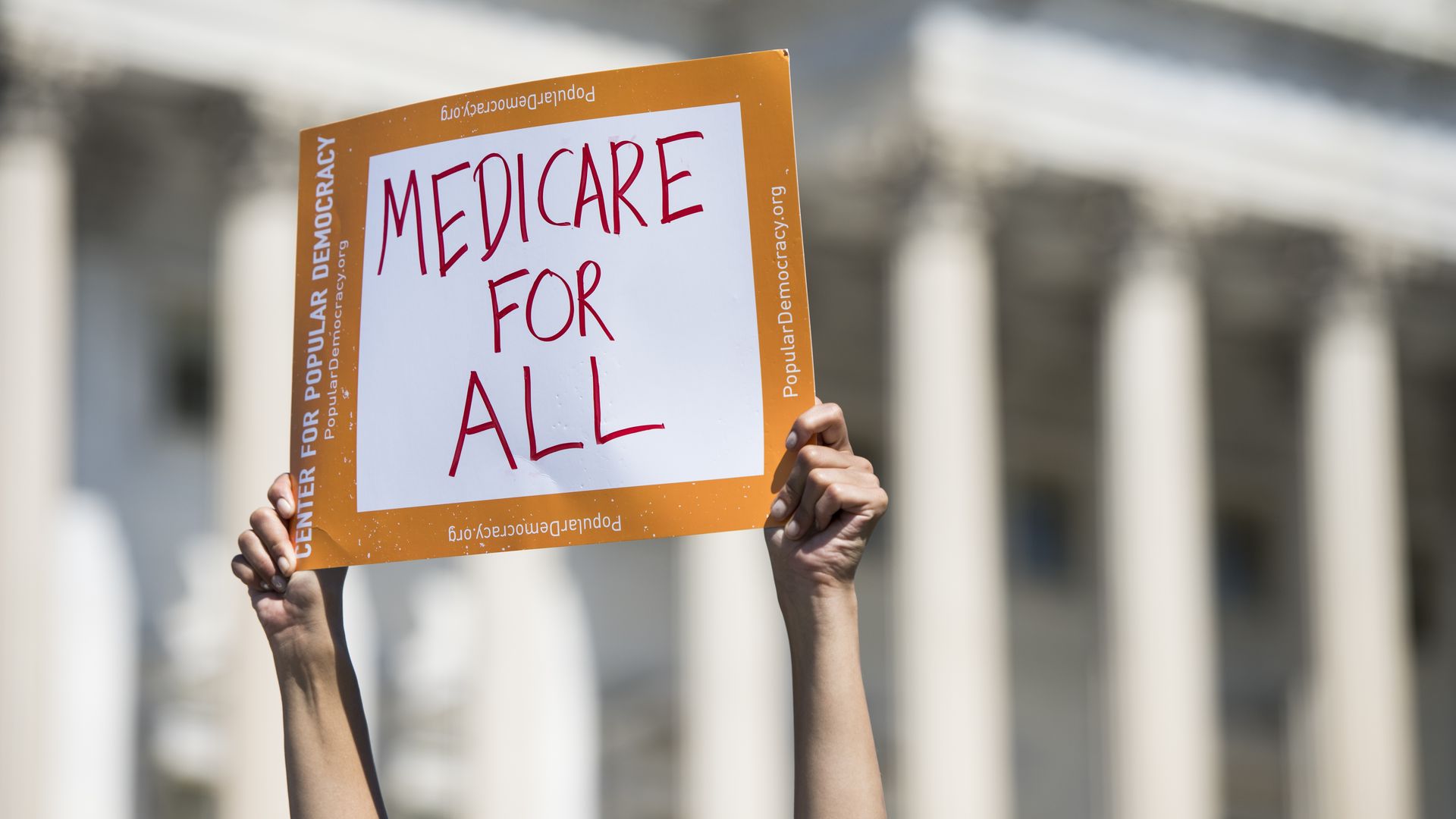
A Reuters/Ipsos poll shows 85% of Democrats and 52% of Republicans support Medicare for all.
Why it matters: This single-payer system has divided the Democratic Party internally and gave Republicans a new way to attack Democrats in 2018. But this poll is the first to suggest that a majority of Americans on both sides of the aisle actually like this policy and that it could be a winning issue for candidates.
While the fourth deadliest Ebola outbreak in the Democratic Republic of the Congo continues — and still has the potential to explode domestically and beyond its border — there may be signs of a slowdown.
What's new: The DRC Ministry of Health announced Thursday that 9 people have been cured. As of Aug. 22, the total number of suspected cases topped 100, but only 13 people were being investigated. However, experts warn that it is too early to say if the outbreak has reached its peak.
"We're not out of the woods yet. ... You'll know when an outbreak has peaked when any new cases can be traced back to someone you already knew was infected."
— Julie E. Fischer, director, Elizabeth R. Griffin Program, Georgetown University Medical Center
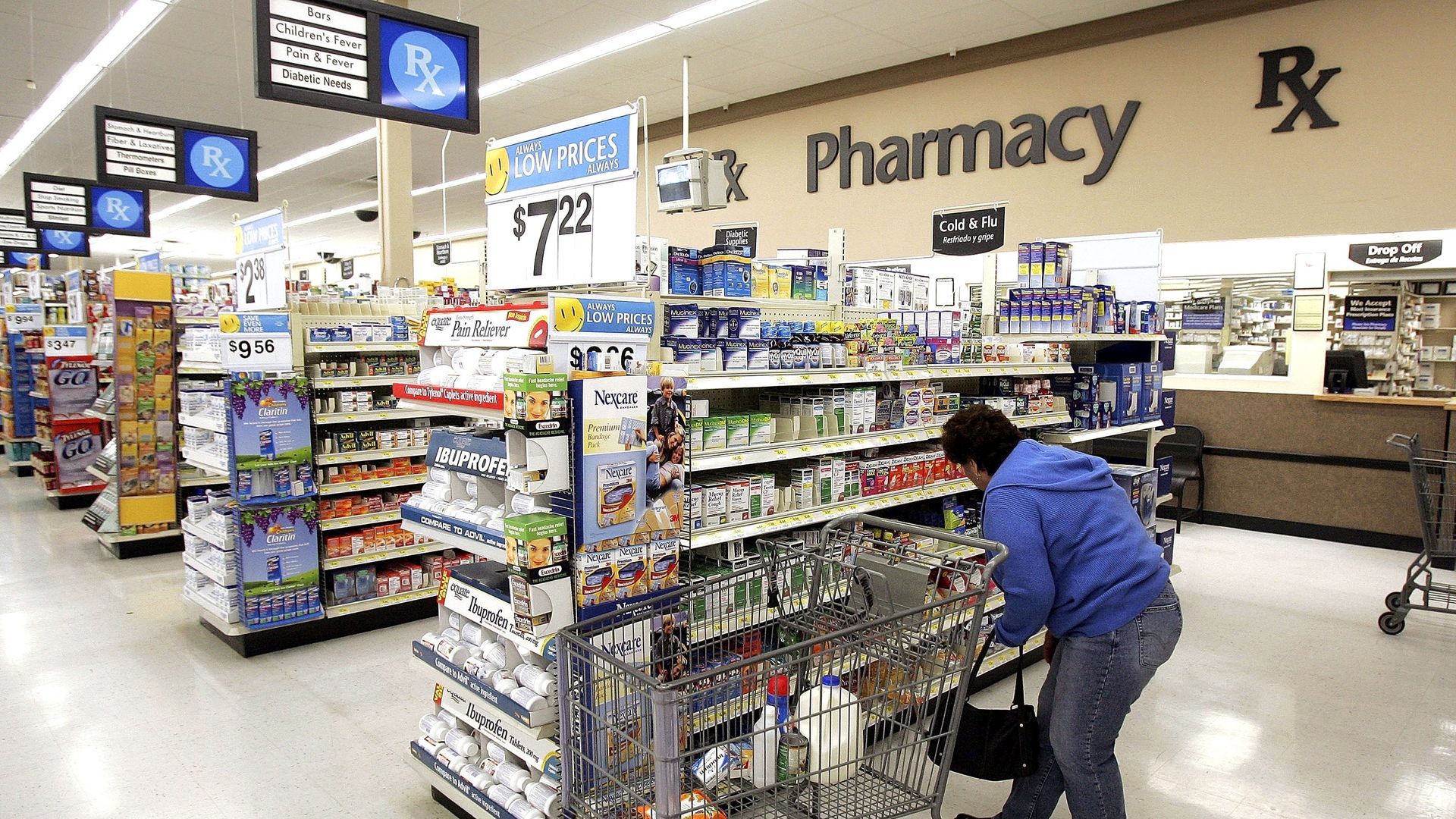
The Trump administration is moving ahead with a proposal that would require drug companies to include the sticker prices of their products in direct-to-consumer advertising — a controversial part of President Trump's blueprint for lower drug prices.
Between the lines: As simple and straightforward as price disclosures might sound, this information may not end up being very useful. Few patients pay the sticker price for a drug. Their insurance plans negotiate discounts, and then often pay only a fraction of that amount.
Huge premium increases from health insurers, as well as the Trump administration's decision to slash advertising and navigator budgets, likely contributed to the lower enrollment in the Affordable Care Act's federally run exchanges, the Government Accountability Office reported Thursday.
The bottom line: The ACA marketplaces have not crumbled, because federal subsidies cover a lot of enrollees' premiums. However, for people who don't get those subsidies, ACA coverage is becoming increasingly unaffordable.
Exact Sciences, maker of the colon cancer test Cologuard, has signed a multimillion deal with drug giant Pfizer to increase and share in the costs of marketing the test — a move Wall Street cheered yesterday.
The bottom line: Physicians and other medical professionals should be ready for an onslaught of calls and face-to-face pitches from the companies' sales armies, even though there is evidence the costly Cologuard test can lead to false positives.