Twitter accounts and social media bots operated by Russian trolls intentionally sparked online debates about vaccinations, while also meddling in the 2016 presidential election, according to a study by the American Journal of Public Health.
The details: The bots were in operation from 2014 to 2017, disseminating messages both for and against vaccines with the main purpose of spreading discord, the study says. "Accounts masquerading as legitimate users create false equivalency, eroding public consensus on vaccination."
Opioid addiction has been one of America's deadliest issues — 72,000 citizens died last year driven by a surge in synthetic opioids. Rhode Island, the country's smallest state, may have found a solution that other states can adopt, Erick Trickey of Politico reports.
What they're doing: In 2016, the state began offering prisoners methadone, suboxone and vivitrol — three medications approved to treat opioid addiction. "About 350 Rhode Island prisoners each month take one of the three medicines," Trickey writes. Inmates are also allowed to continue their treatment after being released.
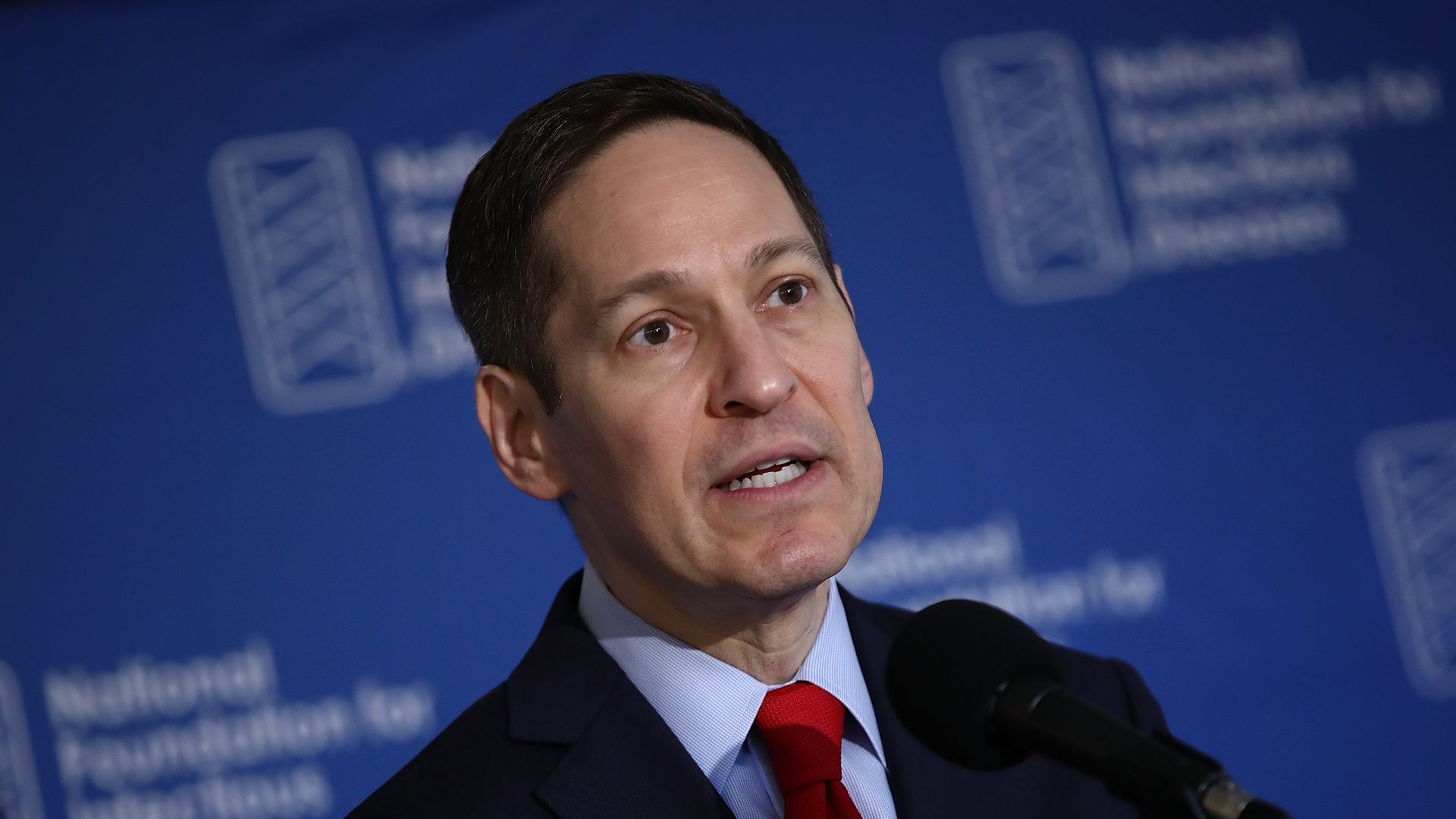
Tom Frieden, who led the Centers for Disease Control and Prevention under President Obama, was arrested this morning on allegations of forcible touching, sex abuse and harassment, CNBC reported. He is expected in court later today.
The details: A woman "filed a complaint against Frieden in July, accusing him of grabbing her buttocks against her will" in his apartment last year, according to Reuters.
The Center for Medicare and Medicaid Innovation, the agency created by the Affordable Care Act that tests new payment and care models, is on the hunt for a technology company that can “support health care pricing and bidding activities,” according to a new document obtained by Axios.
The big question: The Centers for Medicare & Medicaid Services (its parent organization) would not comment beyond the notice, so it’s unclear what this project would entail or how much a contract would cost. But it appears that the federal government wants to explore more ways for consumers to compare health care prices and shop among providers and suppliers.
Yes, but: People don’t really use health care price transparency tools, as a study last year showed.