Thursday's health stories

The 5 winners of AHCA
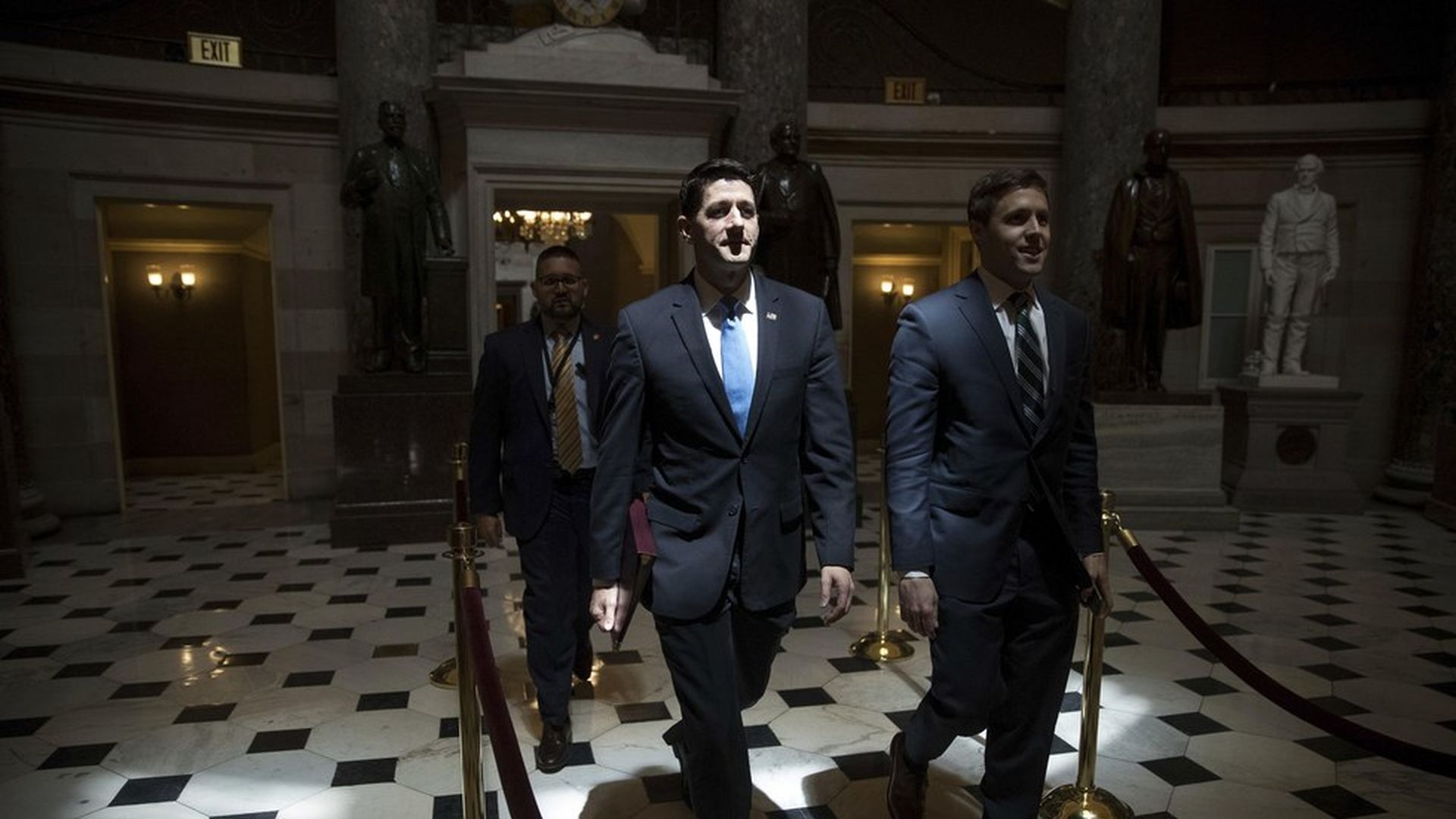
The GOP health care plan passed the House today. Now it's up to the Senate to decide whether the bill will become law. If it passes, some people and businesses will emerge as clear winners, while others will lose out on certain benefits.
- Trump and Paul Ryan: The leaders have pushed to make repealing and replacing Obamacare the administration's first big legislative feat.
- High-income earners: The bill gets rid of two taxes on individuals earning more than $200,000, or couples earnings more than $250,000 — a 0.9 percent increase on Medicare payroll tax, and a 3.8 percent tax on investment income.
- Large employers: The bill eliminates Obamacare's employer mandate, which required large companies to offer affordable coverage for their workers.
- People who don't want health insurance: The bill would eliminate the individual mandate.
- Reps. Bill Long and Fred Upton: The congressman switched their "no" votes to "yes" votes after their amendment was added.

Safety net insurers say GOP bill would cause "considerable damage"
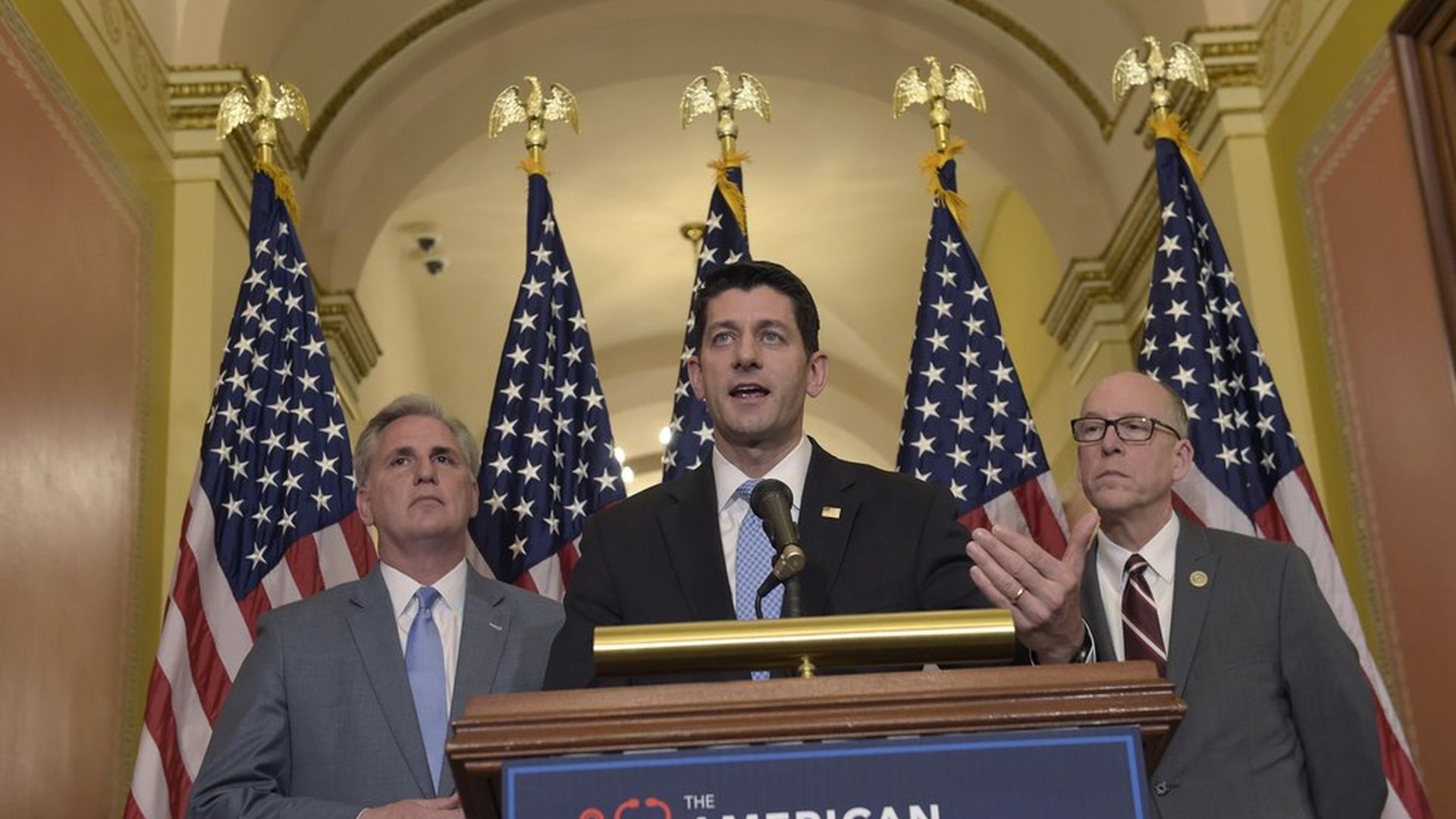
Ahead of the House vote on the Republicans' American Health Care Act, Margaret Murray, CEO of the Association for Community Affiliated Plans, said in a statement that the bill "would cause considerable damage to our health care system." She added that if the bill advanced to the Senate, senators should start over "with a clean sheet of paper."
Why this matters: Nearly every health care industry group has opposed the Republican bill. ACAP, which represents smaller not-for-profit insurers that focus on Medicaid, as well as the Alliance of Community Health Plans have been the most outspoken among insurers because their membership would be heavily affected by the bill's changes.
But the insurance industry's largest lobbying groups, America's Health Insurance Plans and the Blue Cross and Blue Shield Association, have largely remained quiet — especially when it comes to maintaining coverage of pre-existing conditions.
Watchdog sues for GOP health negotiation records
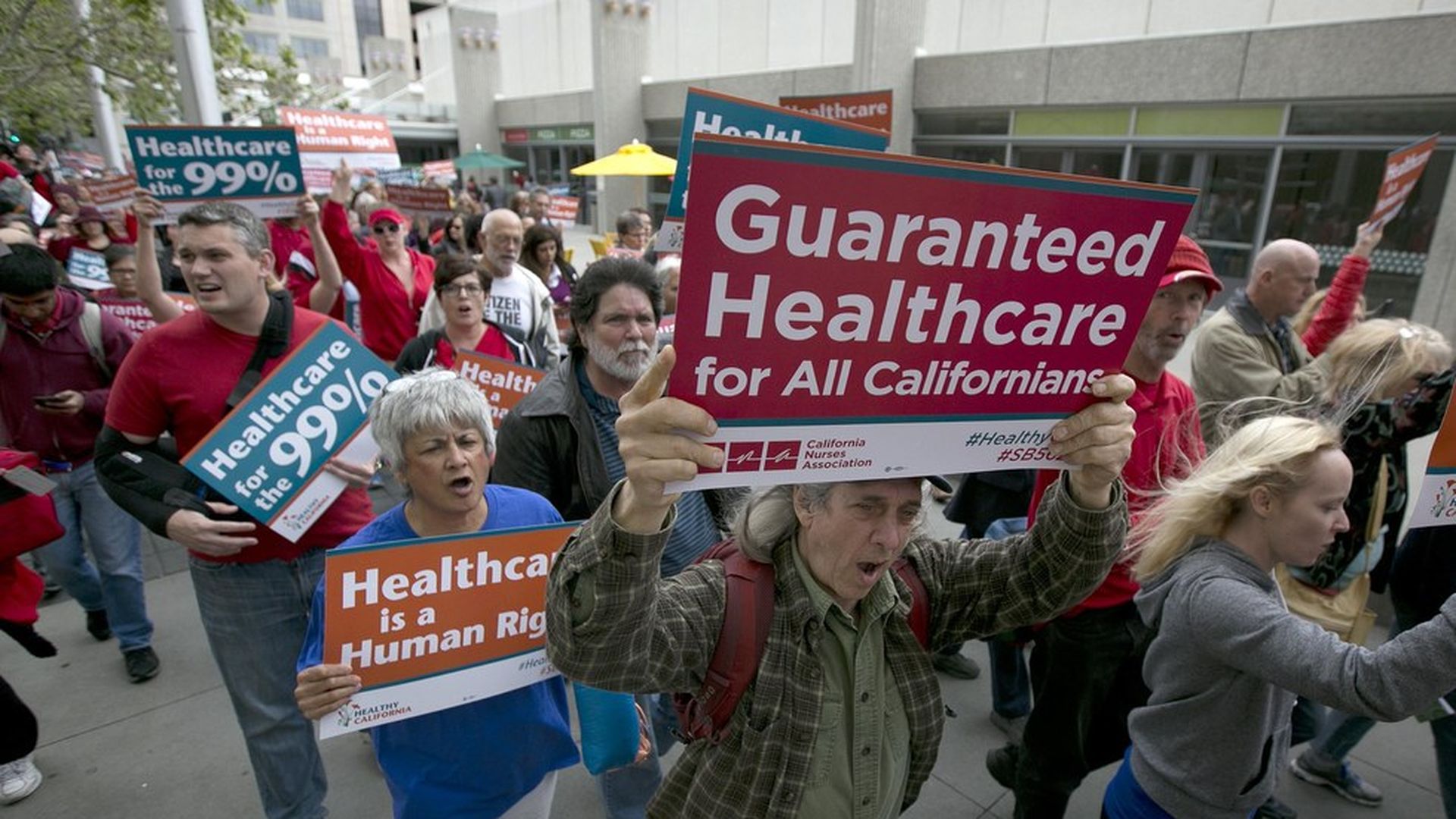
A non-partisan ethics group named American Oversight is filing a preliminary injunction today that calls on the government to release records of closed-doors health care negotiations between the Trump team and Congress.
The suit, filed under the Freedom of Information Act, request records from the Department of Health and Human Services and the Office of Management and Budget specifically. American Oversight said they originally requested the records directly, but neither agency responded, so they've taken the issue to court.
Why it matters: If the group does release any of the emails between the Trump administration and Congress, it could shed light on whether they were worried about any of the policies in the repeal bill — or whether they just wanted to dismantle the Affordable Care Act at any cost.
Timing: Congress is expected to vote on the GOP's new health care bill today.

What to know about today's House health care vote

It looks like the House Republican health care bill may be coming back to life after all. And if the leadership is this close to having 216 votes, they may well get the rest when the roll call starts. But don't get the impression this means the Affordable Care Act repeal effort is alive and well. This is Republicans just scraping by, getting a deeply unpopular bill off of their plates as quickly as they possibly can.
The debate in two quotes:
- "The president has worked to make sure that in every single scenario, anybody — everybody — he has kept true to his word that pre-existing conditions are covered." — White House press secretary Sean Spicer
- "Hey GOP, don't ever lecture us again on fiscal responsibility. You're about to reorder 1/6 of the US economy w no idea what it costs." — Tweet from Democratic Sen. Chris Murphy
The hospital industry is a big game of Monopoly right now

The hospital industry is participating in a massive flea market, with large chains buying and selling hospitals like Pokémon cards or Monopoly properties. Buyers want to bulk up their market power, while sellers want to reduce huge loads of debt or focus their attention elsewhere.
What's happening: The main action this week is coming from three large for-profit companies: HCA, Tenet Healthcare and Community Health Systems. There also have been a bevy of deals among not-for-profit health systems. These transactions can be easily overlooked, but they are important because they alter the pricing power in local markets.

Mike Pence: "Life is winning in America"
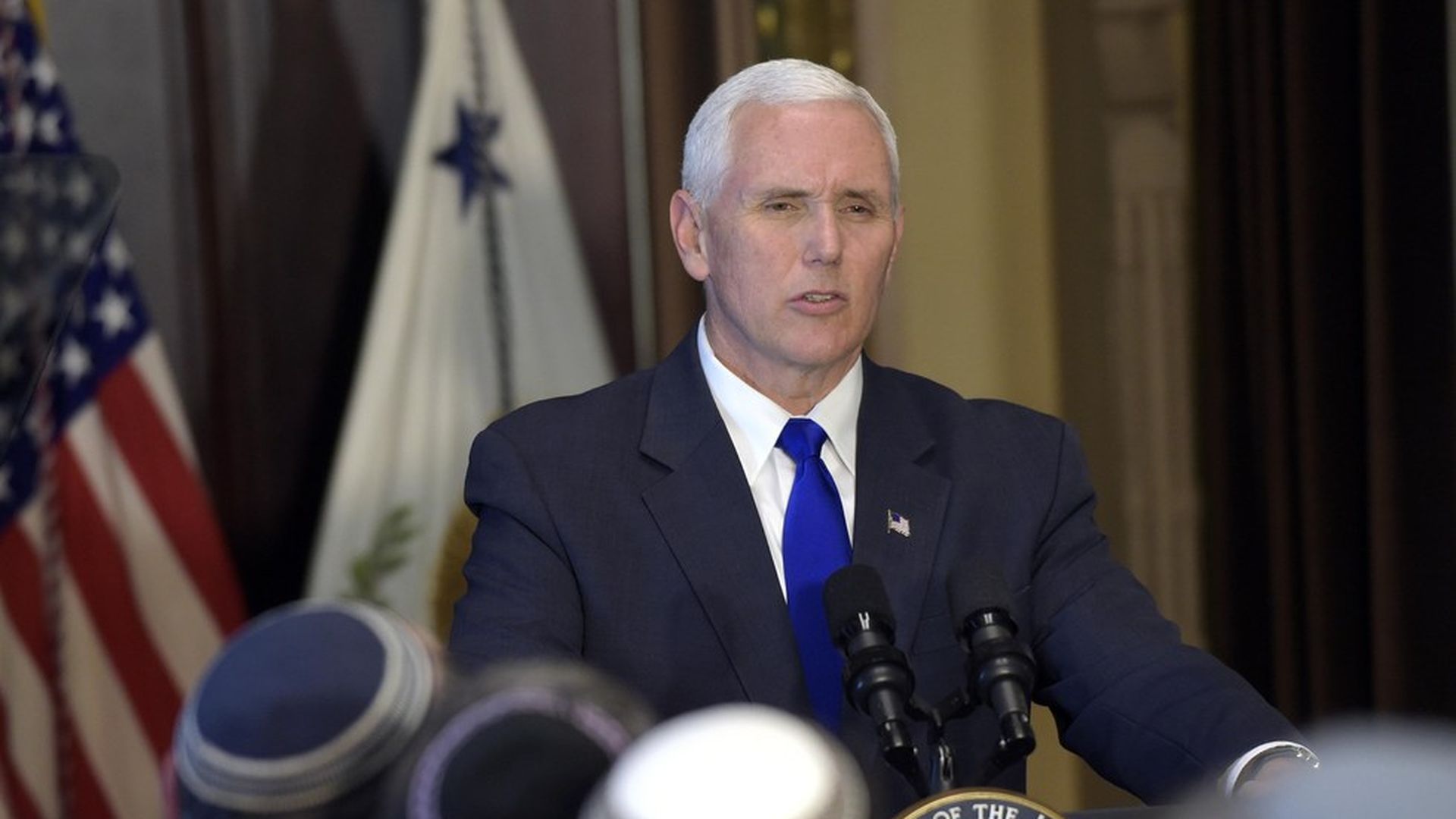
Vice President Pence said the pro-life movement is at a "pivotal moment" in a speech at the Susan B. Anthony List's Campaign for Life Gala Wednesday, the night before a vote on the GOP health care bill which would defund Planned Parenthood.
- Pence: "Life is winning in America." This is "the first time in a long time America has an administration filled top to bottom with pro-lifers," he said.
- On the health care battle: Pence said the new plan will get people "the world class healthcare they deserve ... the promises of Obamacare haven't held."
- Tension over Planned Parenthood: SBA List president Marjorie Dannenfelser has called it "incredibly disappointing that any Republican spending bill would contain continued funding for Planned Parenthood." After Pence's speech, Dannenfelser told Axios while it was "reasonable" for the omnibus bill to include the funding, that made Thursday's vote all the more important.
Audit: Mount Sinai overbilled Medicare by $42 million
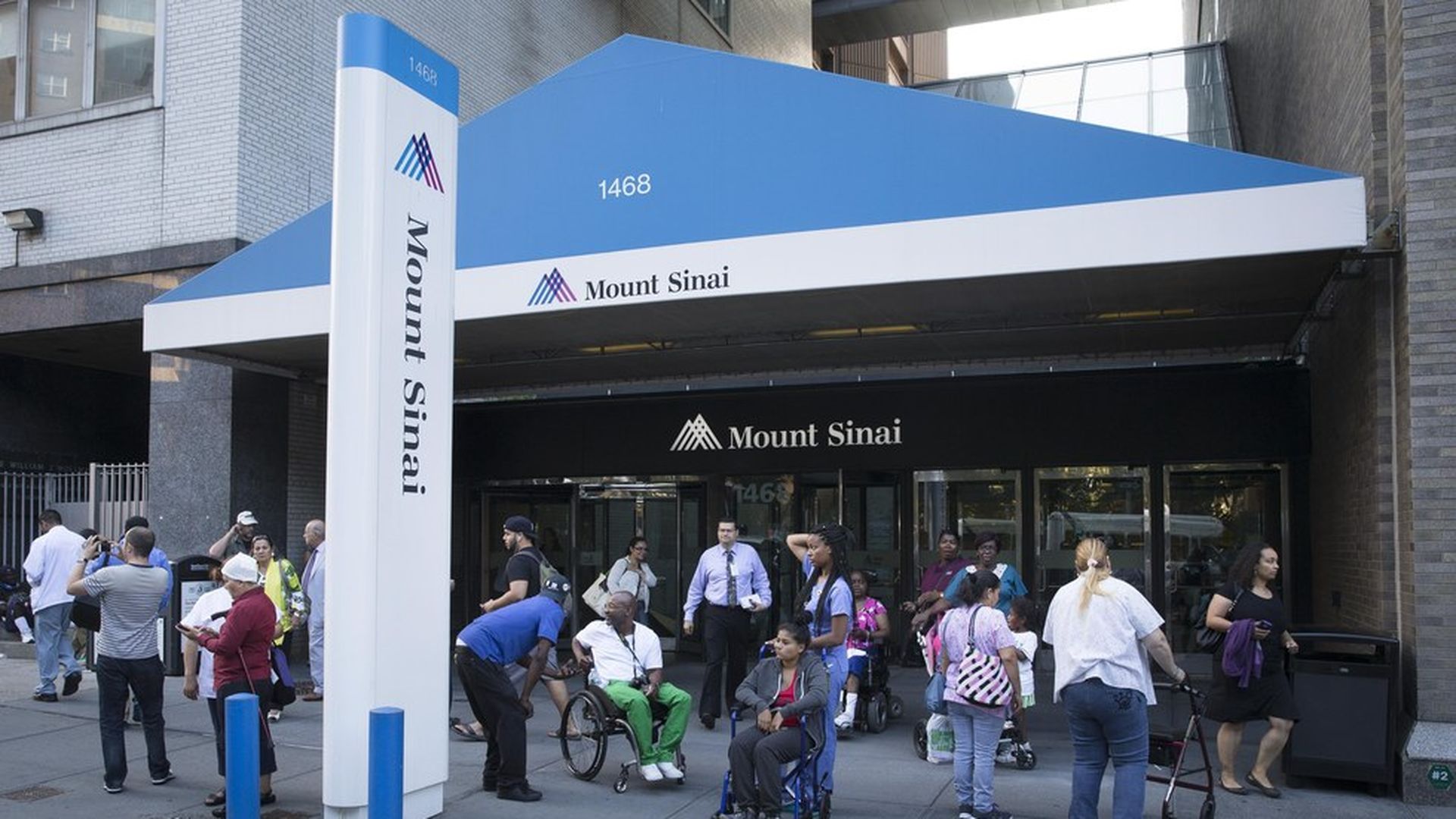
Mount Sinai Hospital, the prestigious teaching hospital in New York, overcharged Medicare by almost $42 million in 2012 and 2013, according to an audit from the federal Office of Inspector General.
Most of that overpayment stemmed from Mount Sinai erroneously billing Medicare for inpatient services when they should have been billed as outpatient — a years-long problem that has pitted hospitals against auditors who review their patient medical records.
Why this matters: It's one of the largest overpayments ever found in an OIG Medicare compliance review, and Mount Sinai is fighting back. The hospital is appealing most of the overpayment amounts and disagrees with the OIG's techniques, but OIG insists the review was legit.
Last major Iowa insurer may pull out of ACA
Iowa residents buying health insurance in the individual market may face zero options on and off the Affordable Care Act exchange next year, the Des Moines Register reports. Health insurers Aetna and Wellmark already confirmed they are withdrawing for 2018. Now Medica, which sells plans in almost every county, said it will likely leave "without swift action by the state or Congress to provide stability." The smaller Gundersen Health Plan hasn't made a decision yet.
Why this matters: Roughly 70,000 Iowans would be left out in the cold, putting immense pressure on Congress and the federal government to act. The easiest way to keep insurers around is to commit funding of the ACA's cost-sharing subsidies for low-income people. This "empty shelf" scenario happened last year in Arizona, but was averted after the feds coaxed a Blues plan to stay in.