Wednesday's health stories

Audit: Mount Sinai overbilled Medicare by $42 million
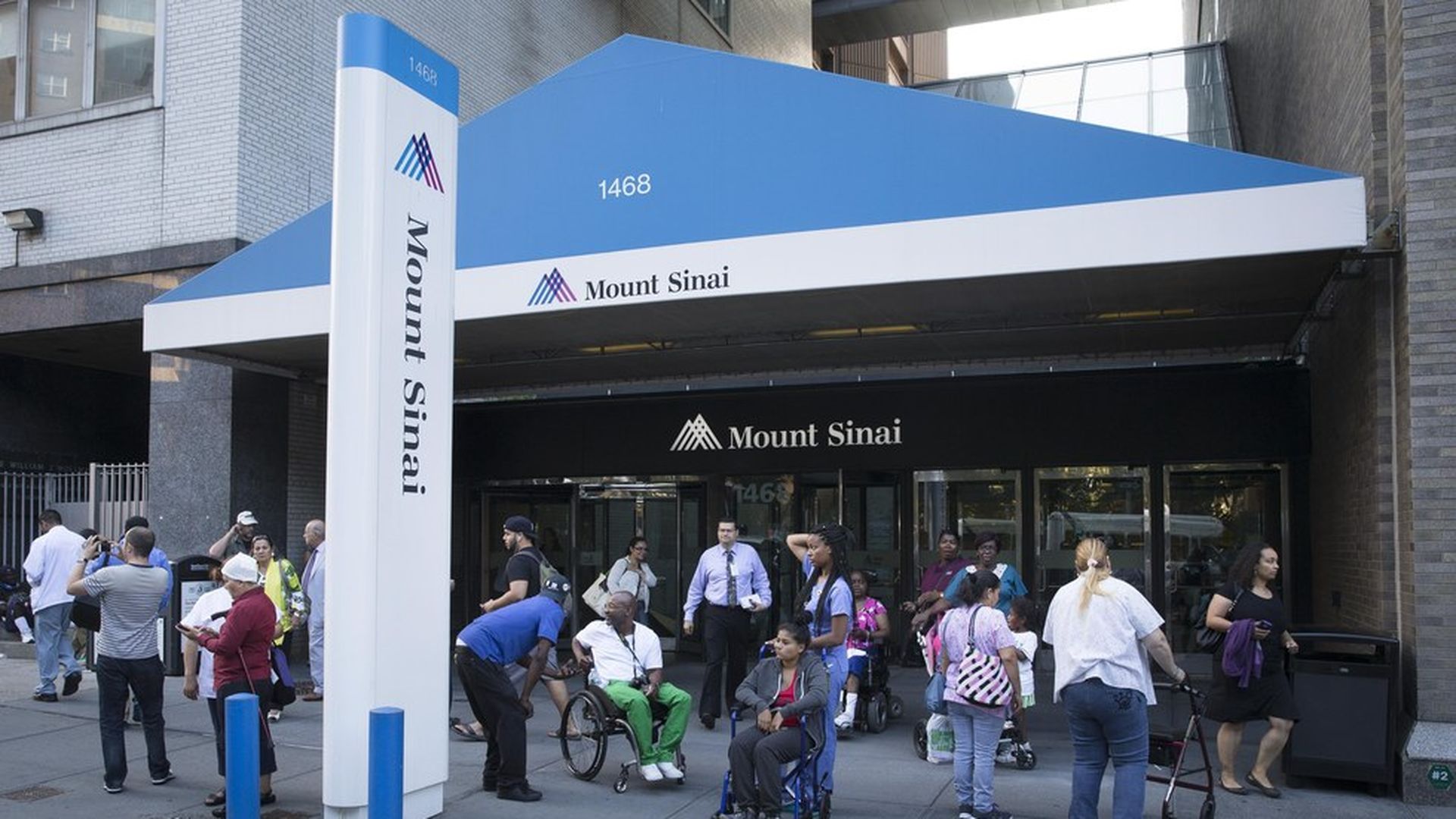
Mount Sinai Hospital, the prestigious teaching hospital in New York, overcharged Medicare by almost $42 million in 2012 and 2013, according to an audit from the federal Office of Inspector General.
Most of that overpayment stemmed from Mount Sinai erroneously billing Medicare for inpatient services when they should have been billed as outpatient — a years-long problem that has pitted hospitals against auditors who review their patient medical records.
Why this matters: It's one of the largest overpayments ever found in an OIG Medicare compliance review, and Mount Sinai is fighting back. The hospital is appealing most of the overpayment amounts and disagrees with the OIG's techniques, but OIG insists the review was legit.
Last major Iowa insurer may pull out of ACA
Iowa residents buying health insurance in the individual market may face zero options on and off the Affordable Care Act exchange next year, the Des Moines Register reports. Health insurers Aetna and Wellmark already confirmed they are withdrawing for 2018. Now Medica, which sells plans in almost every county, said it will likely leave "without swift action by the state or Congress to provide stability." The smaller Gundersen Health Plan hasn't made a decision yet.
Why this matters: Roughly 70,000 Iowans would be left out in the cold, putting immense pressure on Congress and the federal government to act. The easiest way to keep insurers around is to commit funding of the ACA's cost-sharing subsidies for low-income people. This "empty shelf" scenario happened last year in Arizona, but was averted after the feds coaxed a Blues plan to stay in.
Washington attorney general brings CVS into insulin probe
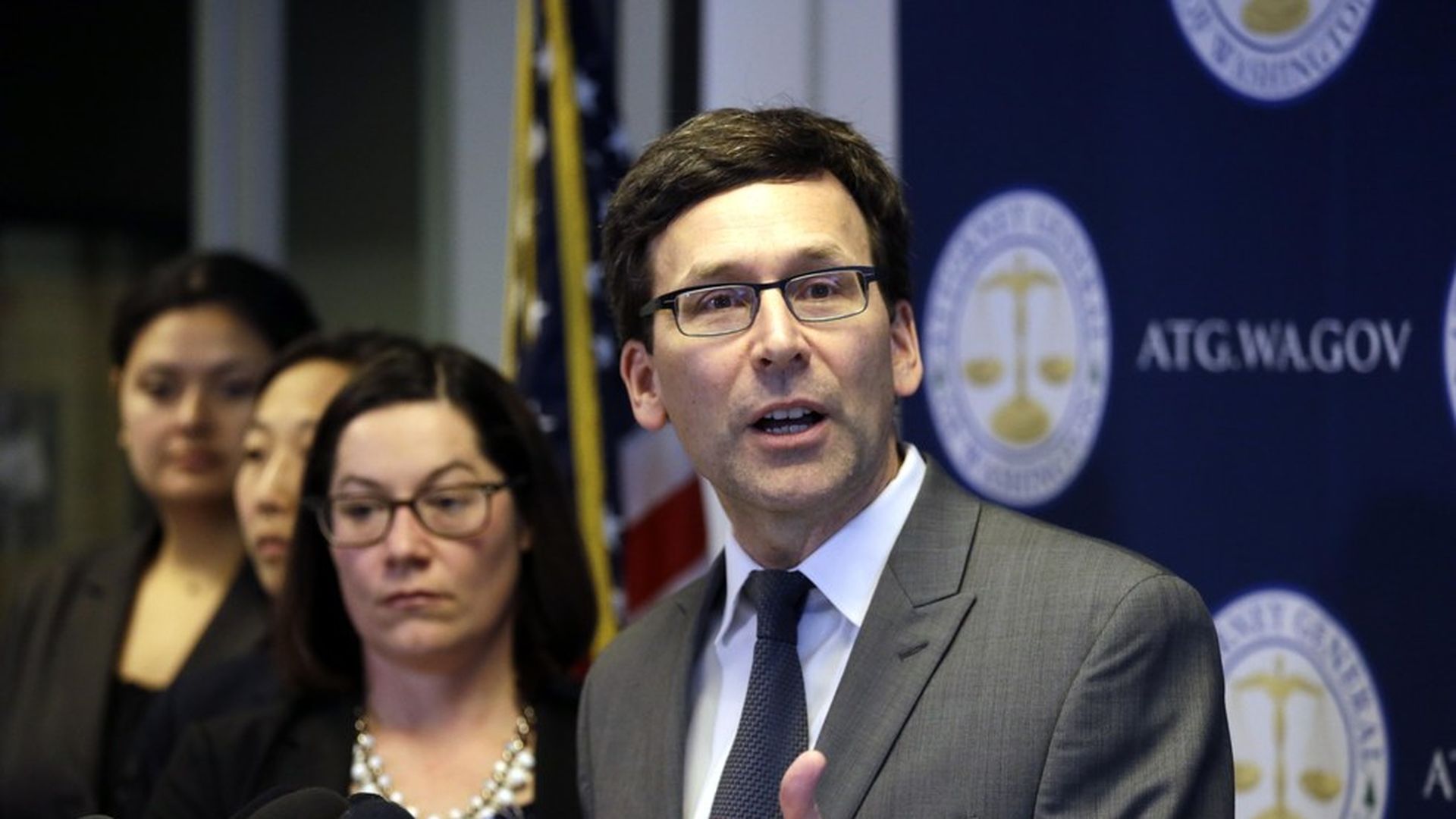
Washington Attorney General Bob Ferguson has sent a civil investigative demand to CVS Health, the giant drug store chain and pharmacy benefit manager, seeking internal information related to pricing and rebates for insulin medications.
Why this matters: Ferguson is on the hunt. This disclosure comes just one day after drug company Eli Lilly disclosed that the attorneys general in Washington and New Mexico were investigating Lilly's skyrocketing insulin prices. Pharmacy benefit managers such as CVS have been accused of colluding with drug companies to jack up drug prices.

Obama tweets support for Jimmy Kimmel, ACA
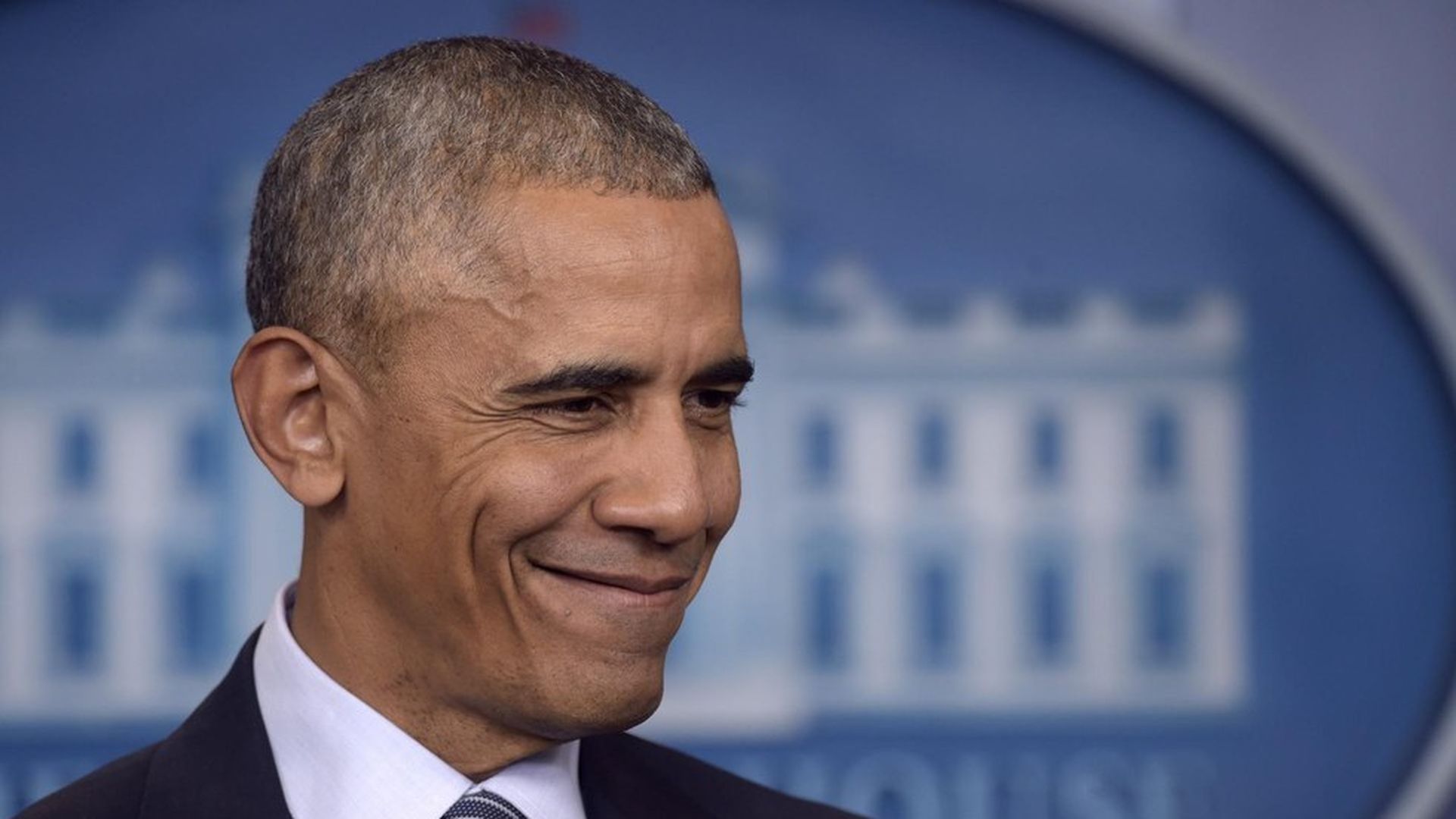
After Jimmy Kimmel shared his newborn son's health issues in an emotional monologue last night, and expressed thankfulness that less fortunate children can't be denied coverage later in life for similar pre-existing conditions, Barack Obama chimed in today with his support on Twitter:
Unsupported embed type
The context: The Affordable Care Act is hanging in the balance, and as House Republicans scramble to gather votes for the repeal effort Obama is taking the opportunity to talk up his signature achievement.
Molina Healthcare ousts CEO

Health insurer Molina Healthcare has abruptly fired its candid CEO, Dr. J. Mario Molina, and his brother and chief financial officer, John Molina, because of the company's "disappointing financial performance," Molina Chairman Dale Wolf said Tuesday. Their dad, an emergency room doctor, started the Medicaid-based insurance company in 1980 as a network of clinics for the poor.
Why this matters: This comes out of nowhere. Molina, a major player on the Affordable Care Act's individual marketplaces, had a rough 2016 due to the ACA plans. But the company was still profitable overall. Molina has been one of the most outspoken health insurance CEOs and was particularly critical of Republican efforts to repeal and replace the ACA.
Most of Aetna's revenue now comes from government programs
Here's a nugget that encapsulates the health insurance industry, despite all the noise surrounding the future of the Affordable Care Act: In the first quarter of this year, Aetna collected more premium revenue from government programs (namely Medicare and Medicaid) than it did from commercial insurance for the first time ever.
Why this matters: Most people get their health coverage from their employer, and that historically has been the bread and butter of the insurance industry. But the aging population and expansion of Medicaid managed care means insurers are investing more time and money in the lower-margin (but still lucrative) government programs. Aetna, in particular, has invested heavily in Medicare Advantage.
It's also worth noting that people with individual ACA coverage represented just 2%, or about $300 million, of Aetna's first-quarter revenue. Aetna exited most ACA exchanges last year and will "significantly" reduce what's left of its ACA footprint next year.