Thursday's health stories

Kaiser Permanente CEO wants to see the Obamacare replacement
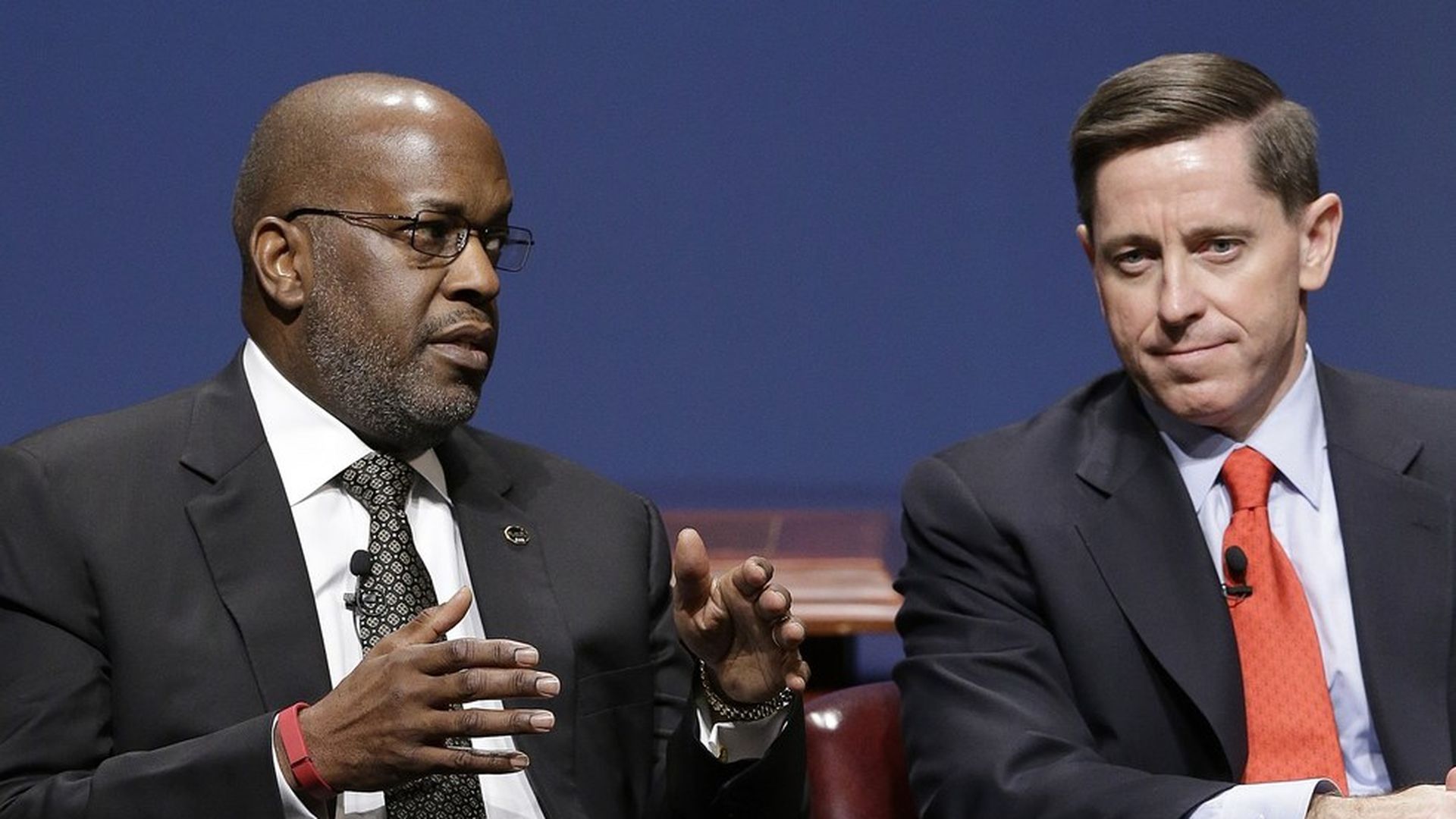
Kaiser Permanente CEO Bernard Tyson hopes his company can remain active in the Obamacare exchanges, but he also wants answers to what an Obamacare replacement will be.
Kaiser Permanente is the largest organization that combines hospitals, doctors and health insurance under one roof, with more than $60 billion in annual revenue. Tyson was able to chat briefly about its $1.8 billion acquisition of Group Health Cooperative, which officially closed this week, as well as the health care policy environment. Here's an edited version of our conversation.
Cigna: Obamacare markets are "fragile at best"

Cigna still isn't profitable in the Obamacare exchanges, and CEO David Cordani told analysts and investors Thursday the marketplaces remain "fragile at best."
Cigna, which recorded almost $40 billion of revenue in 2016, expanded its exchange presence into three states for 2017, while also retreating from three others. The insurer will evaluate its Obamacare participation throughout the spring, Cordani said, echoing what other large insurers have said.
That Anthem deal isn't looking so hot: Cigna didn't mention Anthem at all in its earnings release, nor did Cordani talk about Anthem in his opening remarks. An analyst had to ask him about the pending merger. The two companies have had a contentious relationship, and most people expect the deal has too many antitrust hurdles to overcome. Josh Raskin, an analyst at Barclays, said in a note Thursday that "investors must view Cigna as a standalone company at this point (and we believe that most do)."

What you'll hear today about continuous coverage
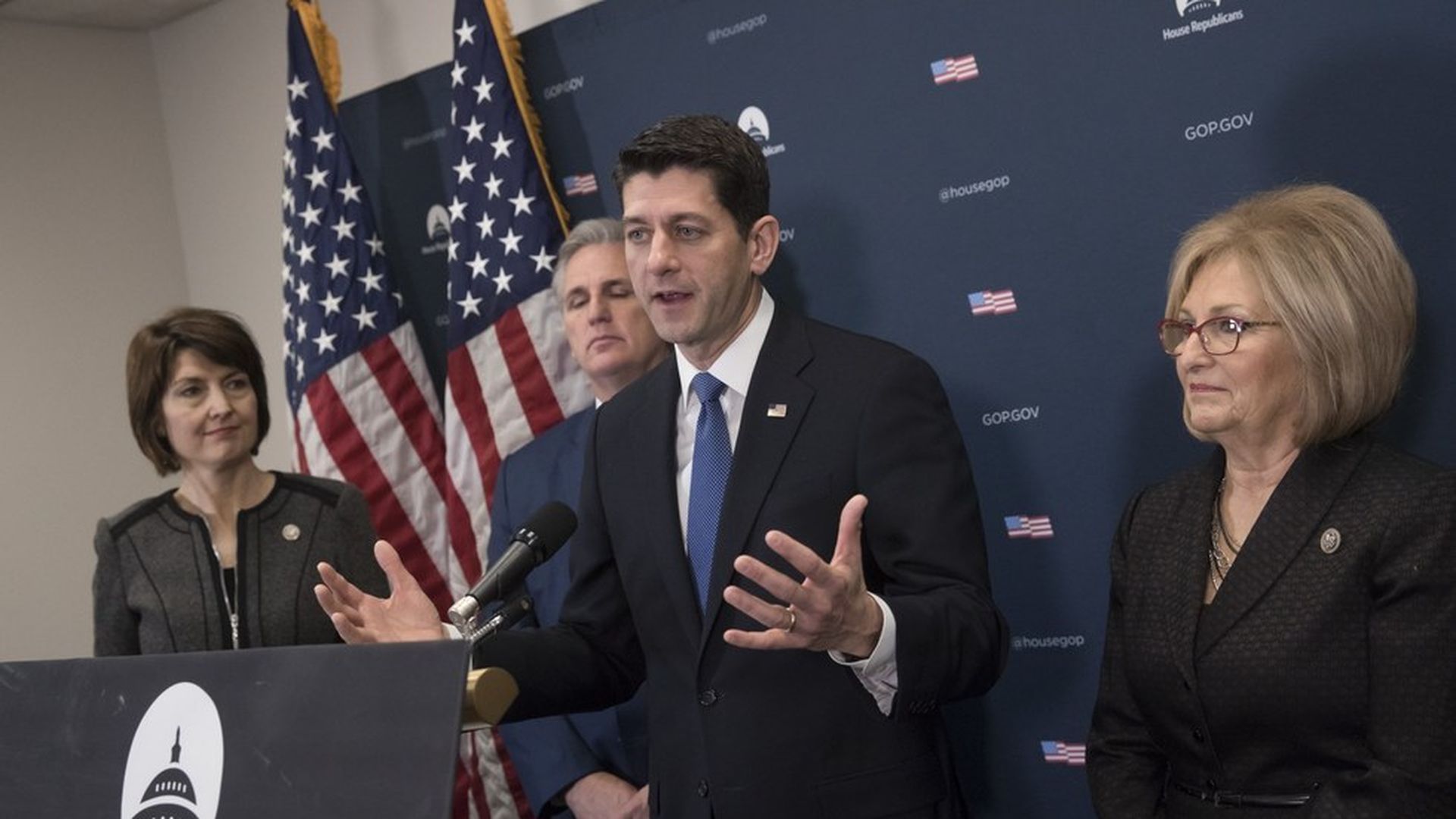
There's going to be a lot of talk about how the idea might actually work, and whether it can be more effective than Obamacare's individual mandate, at a House Energy and Commerce health subcommittee hearing this morning. The idea is to cover people with pre-existing conditions only if they keep themselves insured. Based on advance statements and testimony, this is what you're likely to hear:
- Douglas Holtz-Eakin of the American Action Forum: It's probably going to be more effective than the mandate, since a lot of young adults decided to just pay the fine rather than get coverage.
- J. Leonard Lichtenfeld of the American Cancer Society: it would be too broad and would unfairly penalize people who lost coverage for reasons beyond their control.
- Ranking Democrat Frank Pallone: It means insurance companies could go back to charging people more for pre-existing conditions.
So far, the actual language of the continuous coverage proposal hasn't been released.
Time to scrap Obamacare’s value-based purchasing?

Dr. Ashish Jha of Harvard University penned an interesting post that wonders if the health care industry should throw in the towel on value-based purchasing — a program structured by Obamacare to reward high-quality hospitals and penalize lower performers. "Given its cost, this national program should be retooled or stopped," Jha writes.
The problem: Hospitals don't have a lot at stake with value-based purchasing, since only 2% of their Medicare pay is subject to the program. "Incentives that put 5% or even 10% of a hospital's Medicare payments at risk would ensure that hospitals pay attention," Jha writes.
He also says that if value-based purchasing were to continue, policymakers should track the right clinical measures, such as mortality rates, and make the program more transparent. It's unclear, however, if it would survive in a Republican replacement for Obamacare.

Alexander will push Republicans to give financial help to insurers
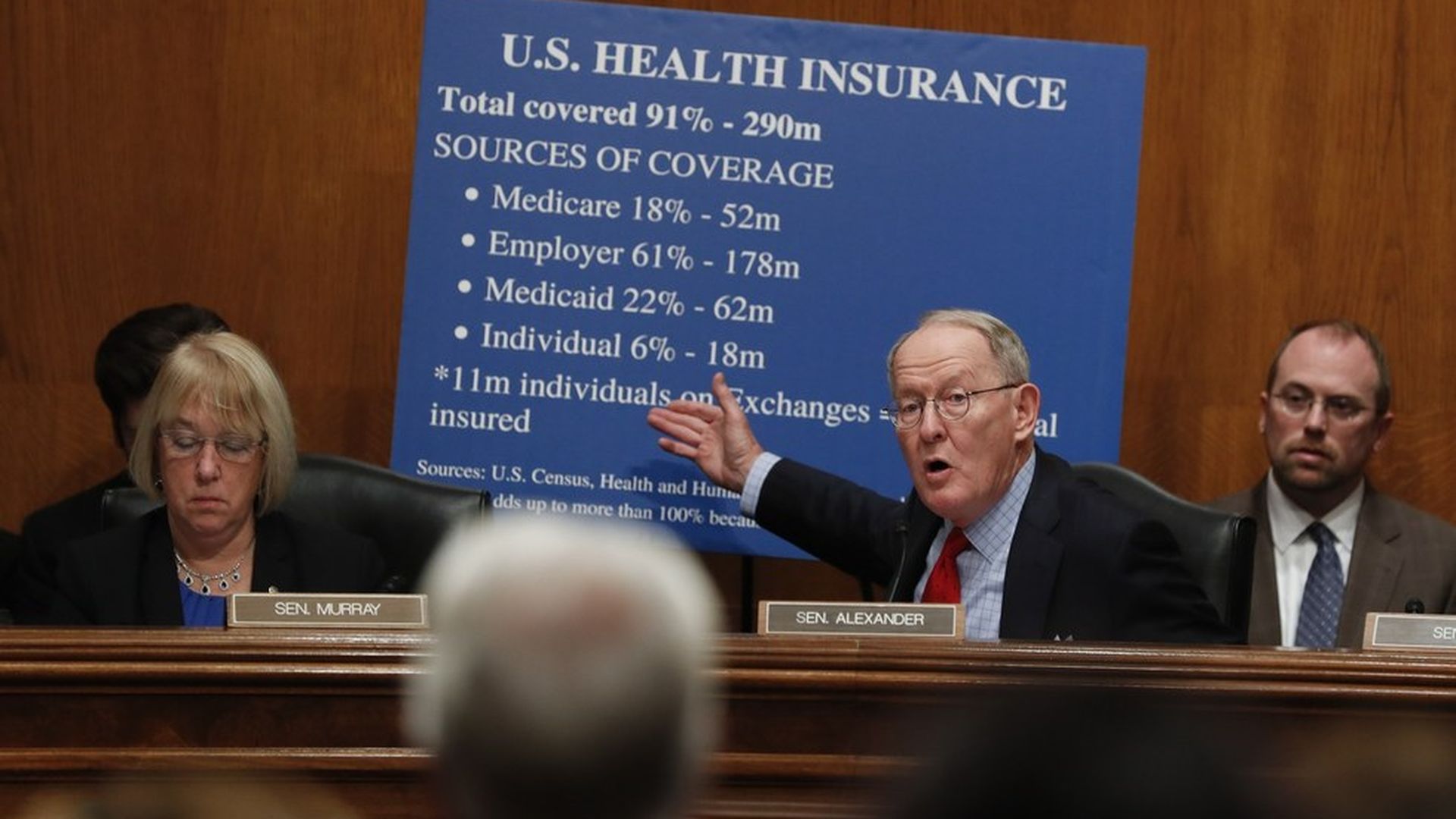
Senate HELP Committee chairman Lamar Alexander used an Obamacare hearing Wednesday to signal that he'll push for financial help for insurers in the individual insurance market — a goal confirmed by his aides. It was a sign that Alexander, ever the pragmatist, will try to convince other Republicans that they can't keep holding out against "insurer bailouts" if they want the post-Obamacare market to be stable.
The key quote: Some things "can be done temporarily to stabilize that market for two or three years while we discuss everything else. And I think it means Republicans are going to have to approve things we might not normally support" and so will Democrats. Read on for more highlights from the hearing.
Anthem pushing hard for Obamacare fixes
Anthem CEO Joe Swedish said Wednesday that the individual market under Obamacare "has not been working well," and his insurance company is aggressively lobbying Congress to make specific changes, which could determine the extent of Anthem's Obamacare participation in 2018.
Anthem's biggest demands: Repeal the health insurance tax (which is temporarily suspended for this year), extend so-called "grandmother" plans (pre-Obamacare policies) indefinitely, decrease the number of exemptions for special enrollments, and prohibit third parties (such as dialysis groups) from steering patients into Obamacare plans when they are eligible for Medicare or Medicaid.
Why this matters: Anthem is one of the biggest publicly traded health insurers in the Obamacare marketplaces, covering about 839,000 exchange enrollees as of Dec. 31. If Anthem doesn't get what it wants and retreats, that would be a huge blow to the marketplaces — perhaps destabilizing. It's worth noting, though, that Anthem expects to break even or be even slightly profitable on its Obamacare plans for 2017.

This Swiss drug company isn't worried about Trump
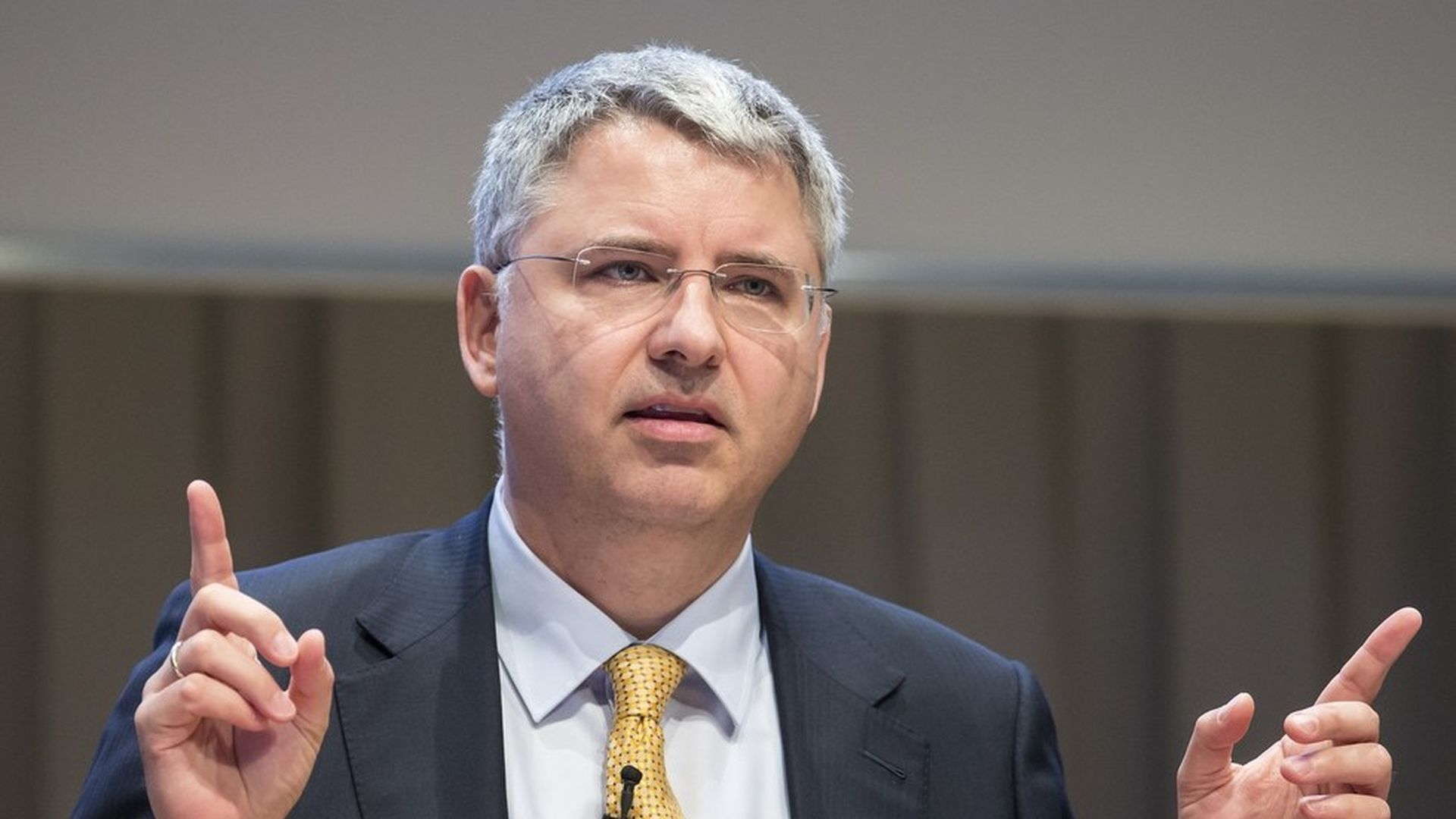
Roche Holding AG, the Switzerland-based pharmaceutical company, came away with an 8% higher profit than last year, the equivalent to $9.7 billion, according to WSJ. And even though there will be cheaper alternatives to their cancer drugs available next year, the company plans to release a new line to keep their profits high.
Trump's putting pressure on drug companies to lower their prices, but Roche isn't worried for these reasons:
- They already offer cheaper versions of their drugs, which has saved them from suffering as much as other pharmaceutical companies.
- CEO Severin Schwan sees the company's drugs as "true innovation," because they are difficult to replicate or replace with other companies' drugs.
- He says he already invests "over-proportionally" in the U.S., employing more than 25,000 people, and the U.S. benefits a lot from the industry. (Roche also makes almost half of its revenue in from the U.S.)
Why it matters: This is a good early indication of how the biggest international drug makers are reacting to Trump's latest comments on drug prices.