Friday's health stories

Drug pricing status quo hasn't changed much
Pharmaceutical company and drug distributor executives made one thing clear this week: There's still no agreed-upon solution to lowering the costs of drugs, and that's given them the green light to continue operating under the status quo.
Drug pricing has been a burning political issue well before President Trump called out the industry, ignited by the likes of Martin Shkreli and Valeant Pharmaceuticals. Some companies, like Allergan, have pledged to limit price increases to less than 10%, no more than once per year. But those types of changes are in the minority, and many other drug makers continue to raise list prices that greatly exceed inflation — the latest example being a 552% increase over two years for a naloxone injector, according to Kaiser Health News.
Even the way a lot of pharmaceutical executives talk shows the issue hasn't really changed. Read on to see what some industry executives said during recent earnings conference calls about the pricing environment.

Final Obamacare enrollment appears down from last year
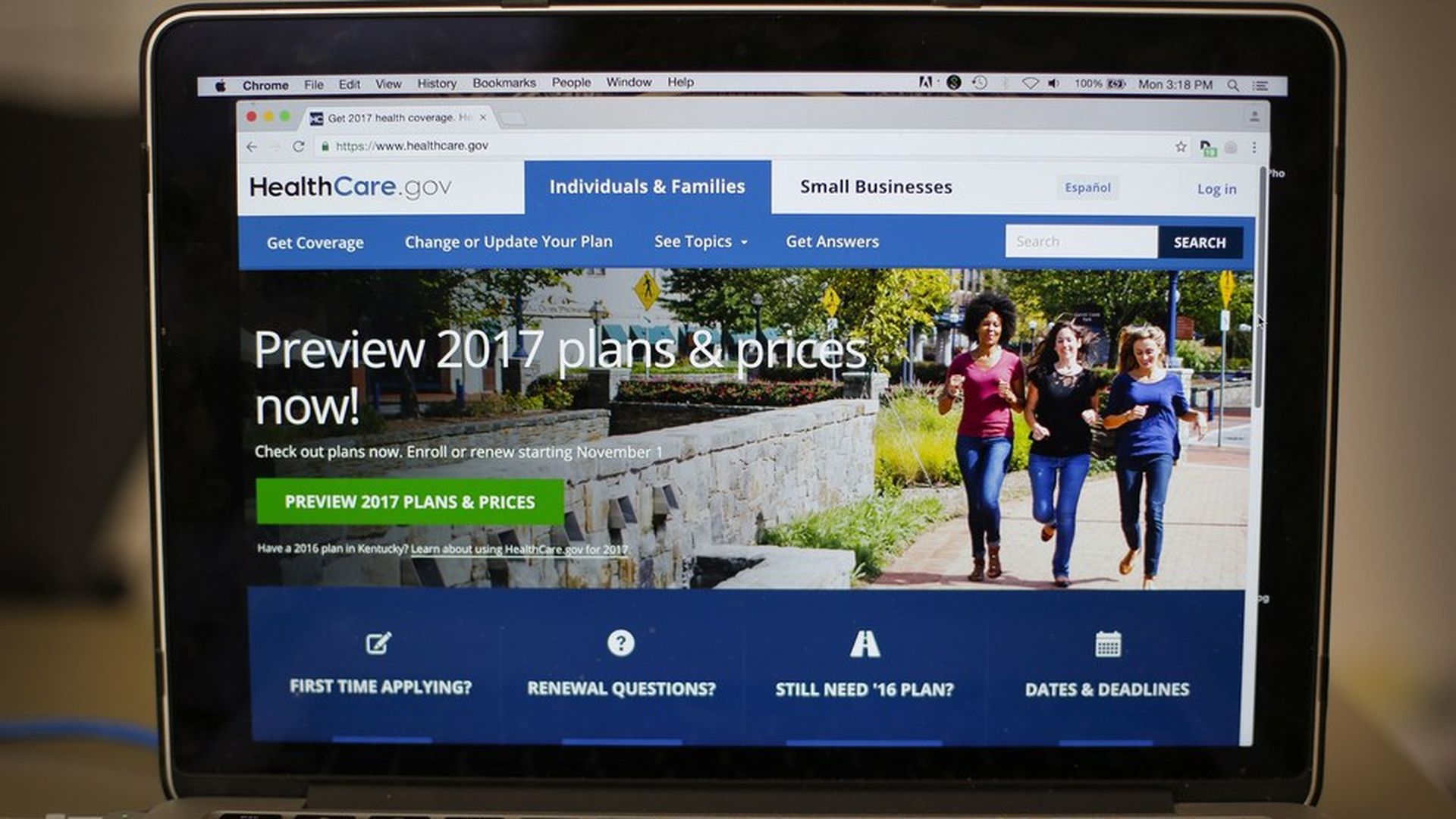
Obamacare enrollment for this year appears to have ended slightly down from last year, according to enrollment numbers released this afternoon by the Centers for Medicare and Medicaid Services. The agency said about 9.2 million people signed up in the 39 states that use the federal HealthCare.gov website by Jan. 31. While that's not a total enrollment figure, 9.6 million people signed up through that website at the end of last year's open enrollment.
It's the first indication that the Trump administration's opposition to the law, and its decision to pull TV advertising, may have had an impact, since the pace of enrollment had been ahead of last year's until mid-January. Just before the numbers were released, an HHS spokesman from the Trump team released a statement declaring that "Obamacare has failed the American people, with one broken promise after another."
For context:
- New customers in 2017: 3 million
- New customers in 2016: 4 million
- Federal marketplace signups, Jan. 15-31, 2017: 376,260
- Federal marketplace signups, Jan. 24-31, 2016: 686,708

The trouble with the piecemeal Obamacare replacement strategy

If the GOP follows through with its latest Obamacare repeal strategy — chopping up the replacement into a series of mini-bills — we may never know how health care costs and coverage under a new Republican plan compare to current law. That's because a true apples-to-apples comparison won't be possible that way, at least not for a long time.
"I think passing a replacement plan through multiple pieces could make it very hard to evaluate the effect on federal spending and the number of uninsured" compared to the Affordable Care Act, said Larry Levitt, a senior vice president at the Kaiser Family Foundation.
That's not the only issue with divvying the replacement up. The strategy relies on industry groups — particularly insurers — taking Republicans' word that the next pieces will all eventually get done. That's far from a given, especially if they can't get Democrats' help. Read on for more about the strategy and where it could break down.

Opioid overdose antidote is the latest drug with a huge price hike
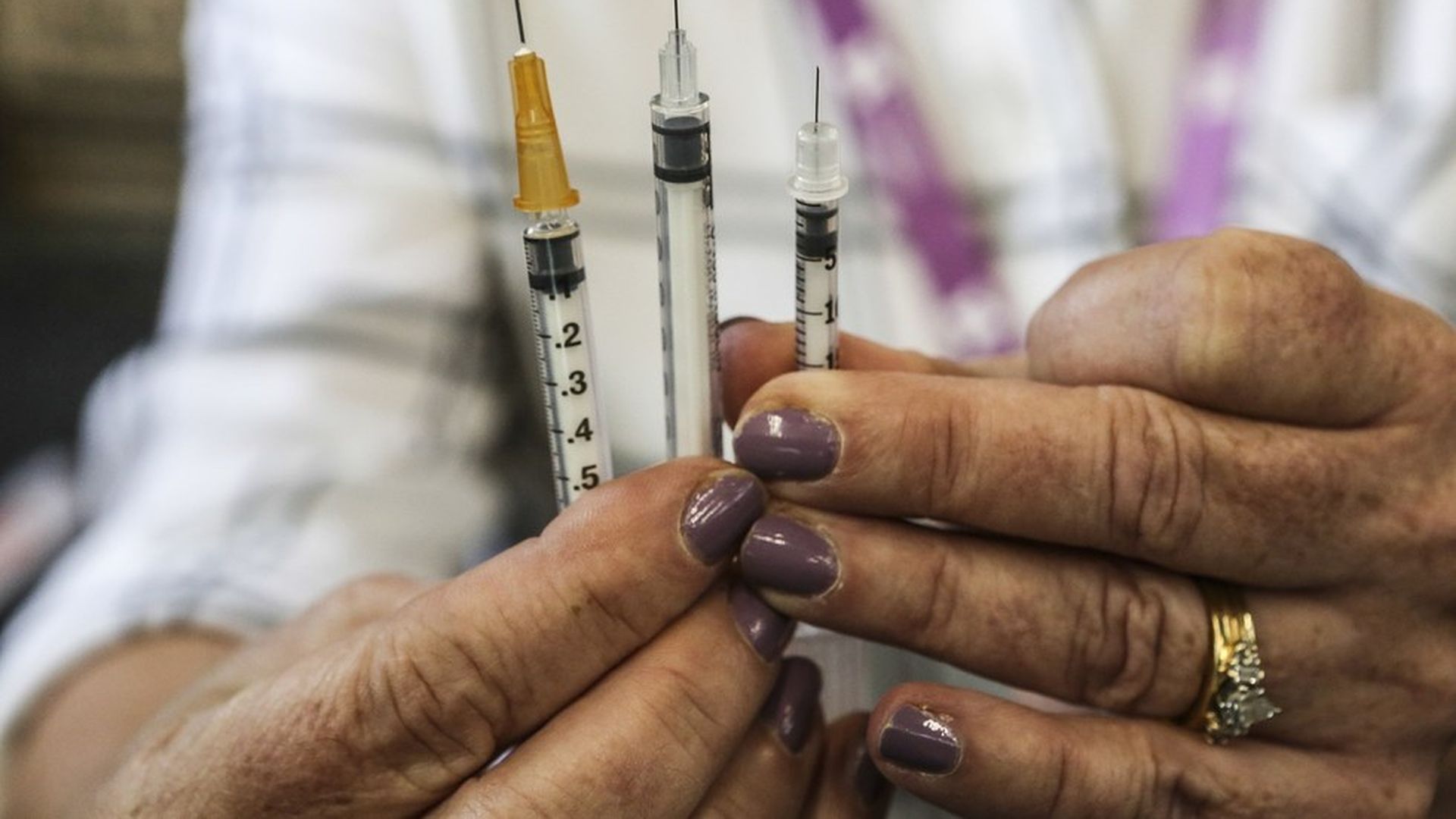
Per Vox, makers of an anti-opioid drug called naloxone are jacking prices in the face of the nation's opioid and heroin epidemic. The lesson, Vox says, is that they're doing it because they can — America's free market on pharmaceutical pricing lets drugmakers set their own prices with private insurers without any government interference.
- Auto-injection version: $690 in 2014; $4,500 today
- Injectable version: $62.29 in 2012; $142.49 today
Why it matters: Drug companies can't afford more stories like this right when they're getting President Trump to soften his tone on rising prices.
The two big things about Obamacare repeal

These are the two most important things happening right now, and they're going to lead to big problems if the tension isn't resolved:
- Republicans are increasingly saying they're not in a rush to replace Obamacare — because it's more important to get it right.
- Insurers really, really want to know what's coming next.
You could hear the new, laid-back pace in the way committee chairmen talked about Obamacare this week. "We're going to take the time to get this right," House Energy and Commerce Committee chairman Greg Walden said at a subcommittee hearing yesterday. And in an interview with Caitlin Owens this week, House Ways and Means Committee chairman Kevin Brady said only that "the bulk of the changes in law and the bulk of regulatory changes must occur this year."
But top execs at the big health insurance companies, including Anthem and Cigna, have been saying this week that they can't commit to staying in the marketplaces in 2018 until they get some better signals. Cigna CEO David Cordani told analysts and investors yesterday that the company will make its Obamacare decisions this spring, but that the markets remain "fragile at best." If the Trump administration and Congress don't get them some answers soon, that's a recipe for meltdown.
Don't forget: It's not as if there's a lot of agreement among Republicans about how to proceed, even if they wanted to move faster.
FWIW: House Speaker Paul Ryan told reporters yesterday that "we want to be moving our Obamacare legislation by the end of the first quarter."
Kaiser Permanente CEO wants to see the Obamacare replacement
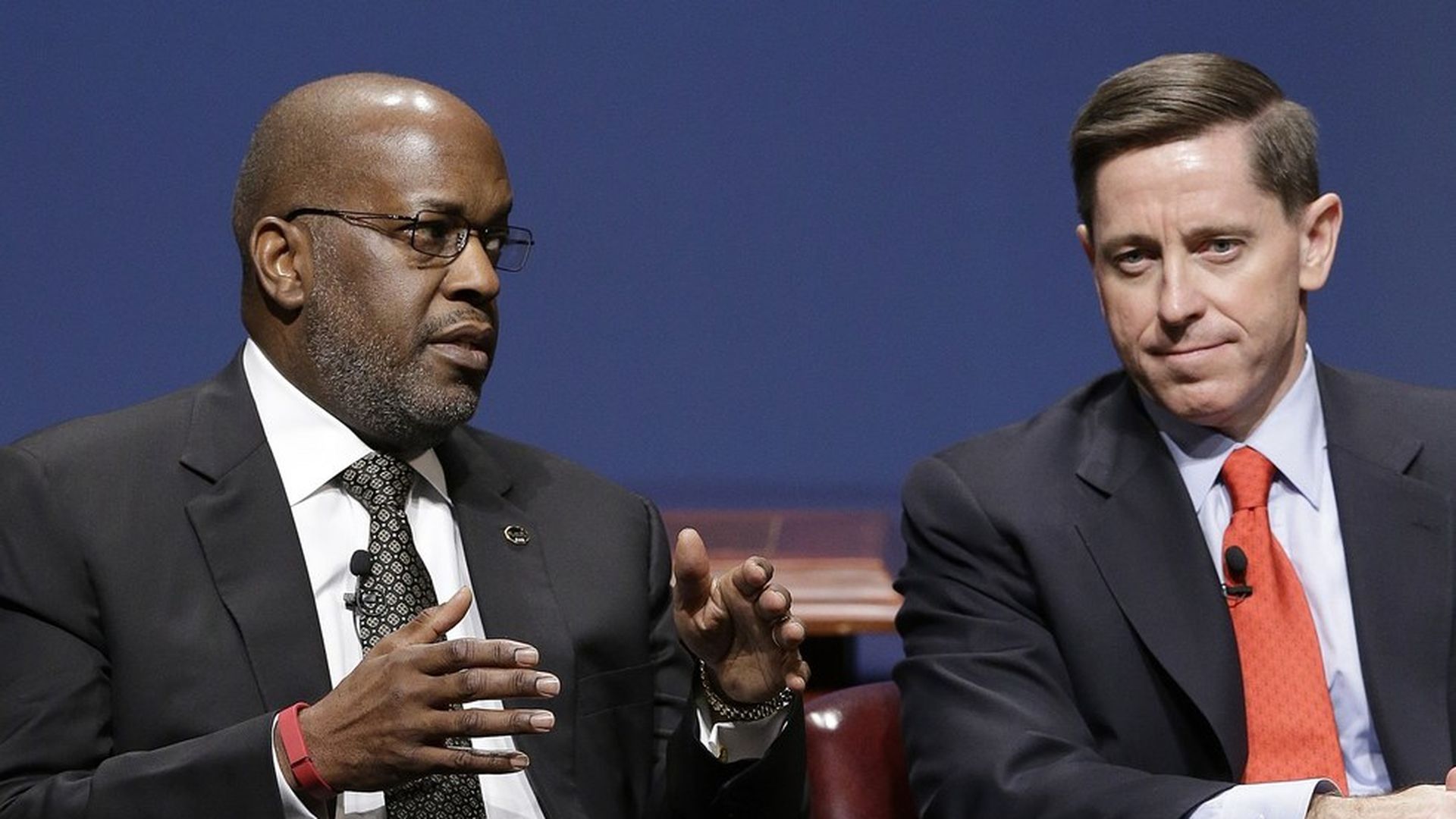
Kaiser Permanente CEO Bernard Tyson hopes his company can remain active in the Obamacare exchanges, but he also wants answers to what an Obamacare replacement will be.
Kaiser Permanente is the largest organization that combines hospitals, doctors and health insurance under one roof, with more than $60 billion in annual revenue. Tyson was able to chat briefly about its $1.8 billion acquisition of Group Health Cooperative, which officially closed this week, as well as the health care policy environment. Here's an edited version of our conversation.
Cigna: Obamacare markets are "fragile at best"
Cigna still isn't profitable in the Obamacare exchanges, and CEO David Cordani told analysts and investors Thursday the marketplaces remain "fragile at best."
Cigna, which recorded almost $40 billion of revenue in 2016, expanded its exchange presence into three states for 2017, while also retreating from three others. The insurer will evaluate its Obamacare participation throughout the spring, Cordani said, echoing what other large insurers have said.
That Anthem deal isn't looking so hot: Cigna didn't mention Anthem at all in its earnings release, nor did Cordani talk about Anthem in his opening remarks. An analyst had to ask him about the pending merger. The two companies have had a contentious relationship, and most people expect the deal has too many antitrust hurdles to overcome. Josh Raskin, an analyst at Barclays, said in a note Thursday that "investors must view Cigna as a standalone company at this point (and we believe that most do)."
What you'll hear today about continuous coverage
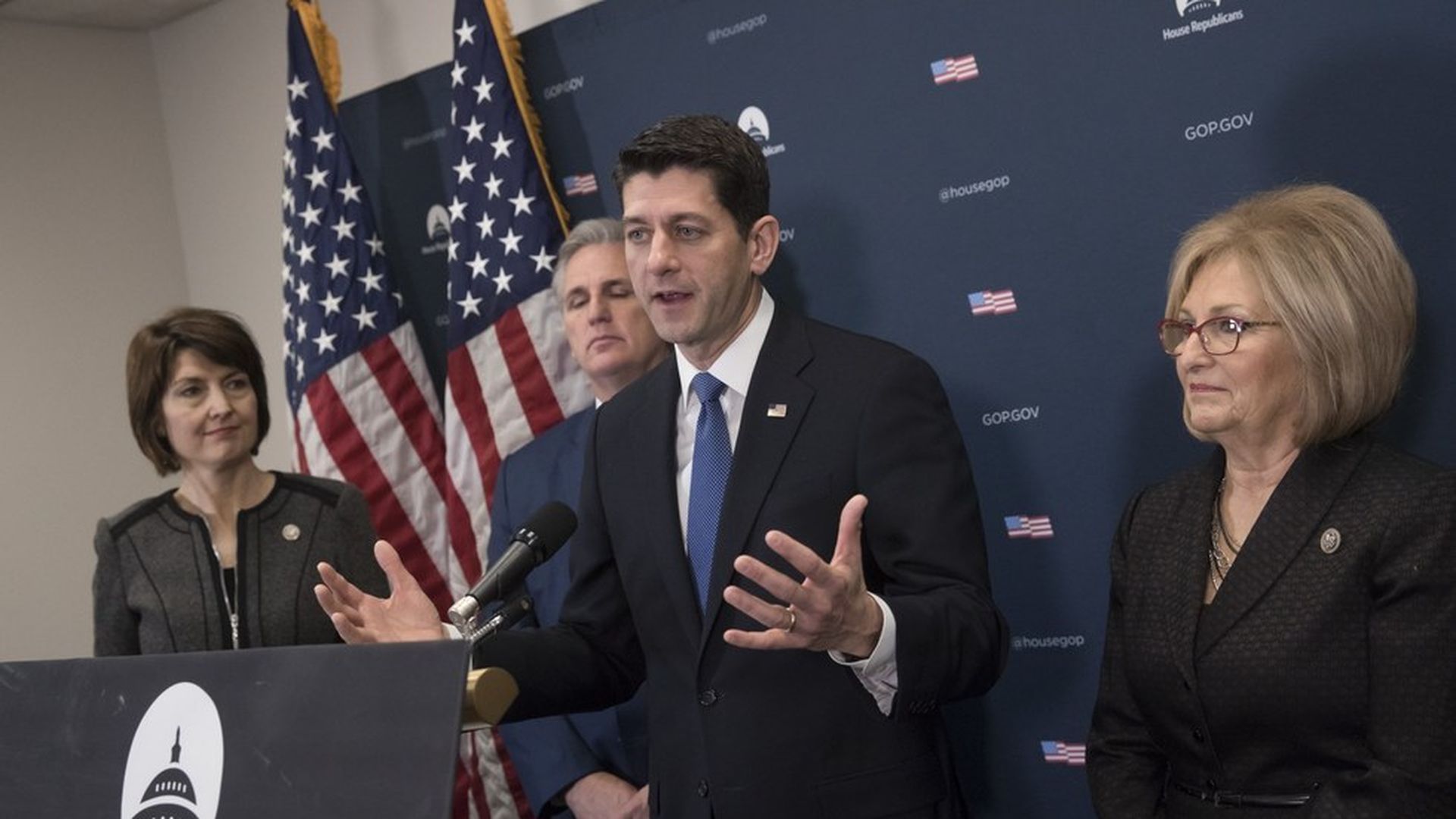
There's going to be a lot of talk about how the idea might actually work, and whether it can be more effective than Obamacare's individual mandate, at a House Energy and Commerce health subcommittee hearing this morning. The idea is to cover people with pre-existing conditions only if they keep themselves insured. Based on advance statements and testimony, this is what you're likely to hear:
- Douglas Holtz-Eakin of the American Action Forum: It's probably going to be more effective than the mandate, since a lot of young adults decided to just pay the fine rather than get coverage.
- J. Leonard Lichtenfeld of the American Cancer Society: it would be too broad and would unfairly penalize people who lost coverage for reasons beyond their control.
- Ranking Democrat Frank Pallone: It means insurance companies could go back to charging people more for pre-existing conditions.
So far, the actual language of the continuous coverage proposal hasn't been released.