The amount of diesel that Americans buy in a single day costs roughly $321 million more than it did a year ago — driving a new round of chatter about an export ban to preserve domestic supplies.
Why it matters: Investors and economists warn that it could backfire spectacularly, driving up prices globally and potentially putting further upward pressure on domestic interest rates.
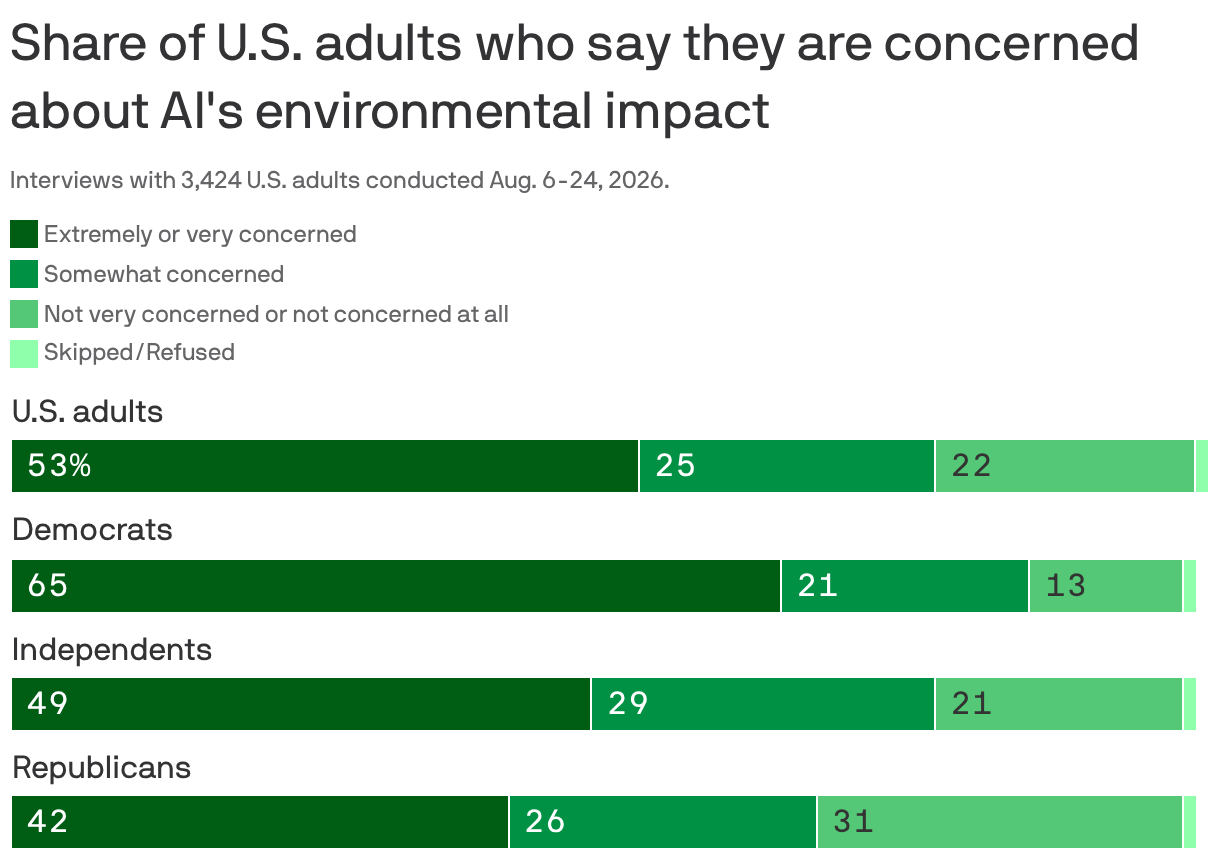
Data: The AP-NORC Center for Public Affairs Research and the Energy Policy Institute at the University of Chicago; Chart: Avery Lotz/Axios
More than half of Americans are extremely or very concerned about the environmental impacts of AI, up more than ten percentage points from last year, per polling results out Wednesday.
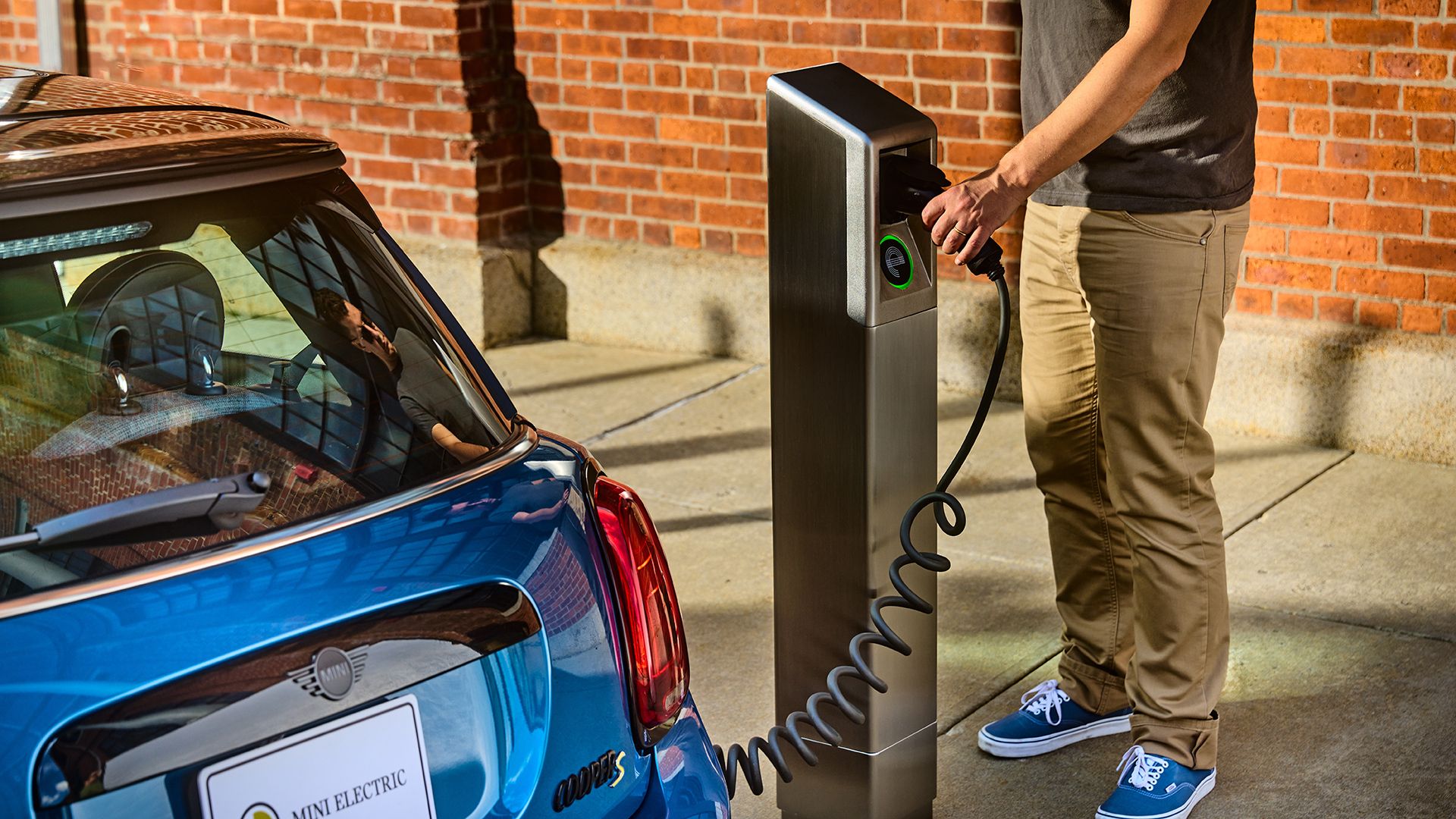
New York City is installing hundreds of curbside electric vehicle chargers in an effort to address one of the thorniest problems for urban EV drivers — where to charge overnight.
Why it matters: Cities could be among the biggest beneficiaries of quiet, emission-free vehicles, yet EV adoption is especially difficult in densely populated areas, where millions of people park on the street and can't plug in overnight.
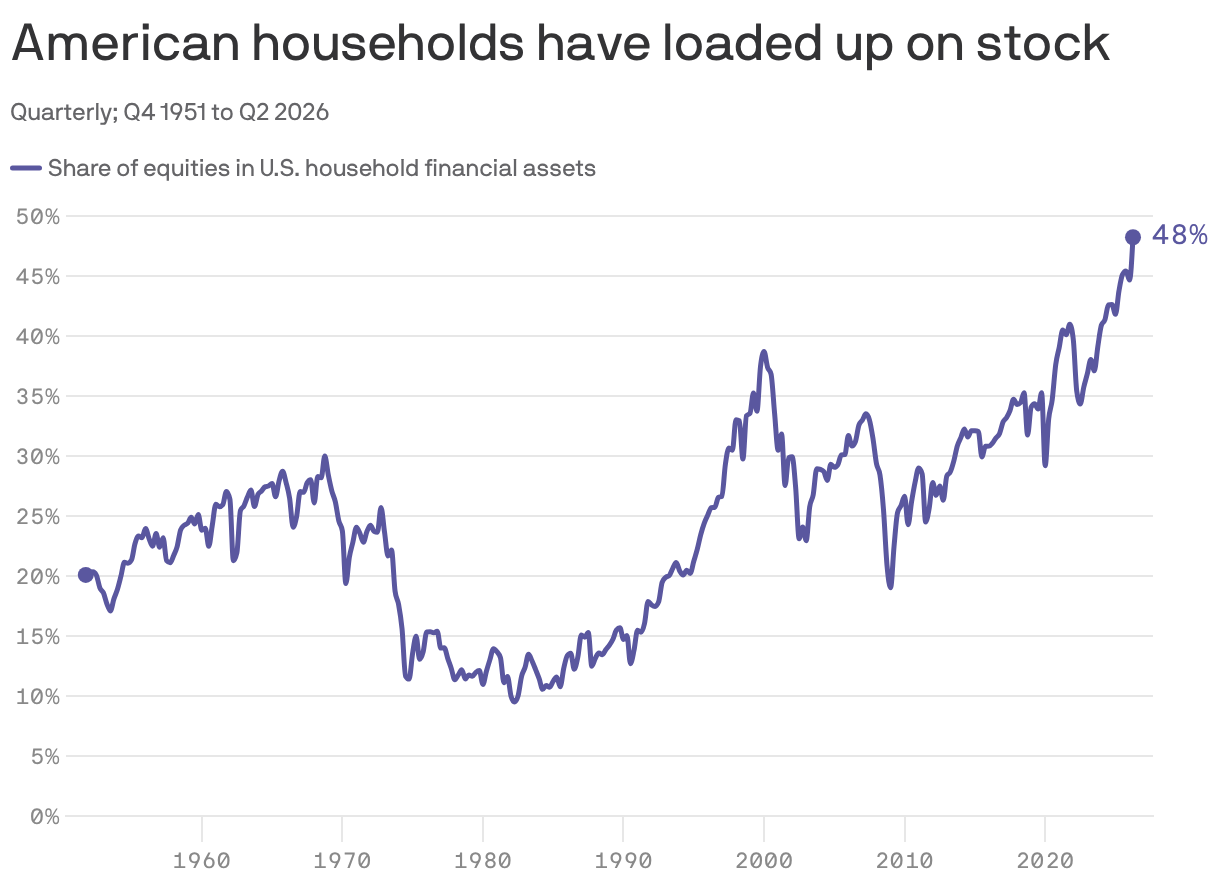
If rising interest rates are stock market kryptonite, investors are confronting a big chunk of that otherworldly mineral right now.
The big picture: The yield on the 10-year Treasury note, seen as the most important interest rate in the world, has hit its highest level — 5.04% — since 2007.
This means that the price of money has gone up for everyone from the middle-class homebuyer to the behemoth corporation.
A new coalition launched Wednesday is seeking a triple win for a data center industry that lately has struggled to notch any wins at all.
The big picture: Tech giants Google and Nvidia are partnering with startup Emerald AI to back data centers that can flex their power demand — a strategy they say could curb electricity prices, mollify angry neighbors and grow the economy with more AI infrastructure.
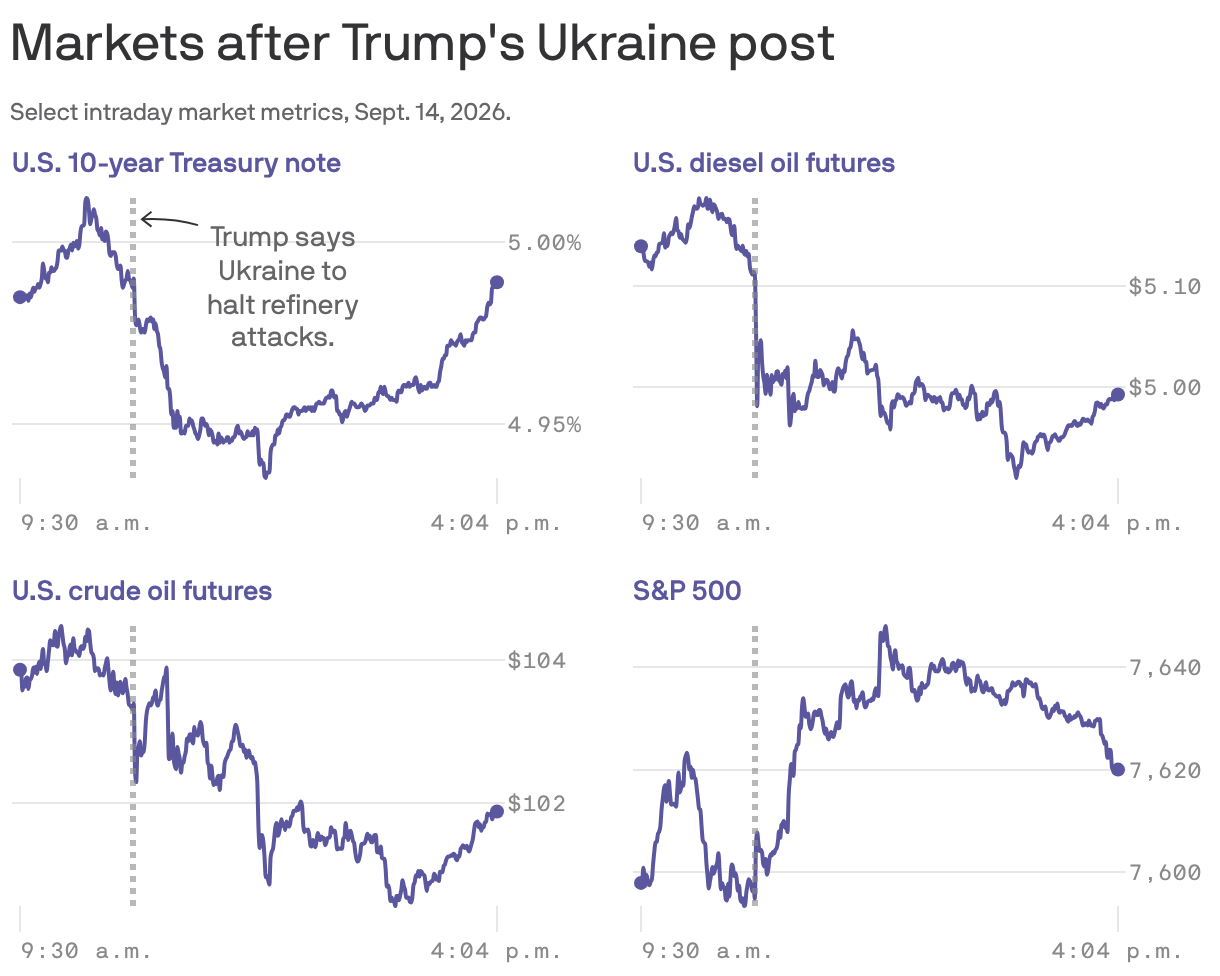
President Trump's claim that Ukraine agreed to halt strikes on Russian energy targets coincided with a pullback in oil prices and Treasury yields Monday.
Why it matters: Ukrainian drone strikes on Russia have crippled large swaths of the country's refining capacity, creating embarrassing shortages and prompting Russian officials to curtail exports to shore up domestic supplies.
Russia has long been one of the world's largest exporters of diesel, and its export ban contributed to a worldwide ripple of diesel fuel shortages and price spikes, including in the U.S., where the national average price for diesel jumped to $6 per gallon in recent days.
What they're saying: "Ukraine has agreed not to hit Russian Energy targets. Russia has agreed to do, likewise! The World's Diesel price rise is mostly caused by the Russia/Ukraine War, not Iran. President DJT," Trump posted.
The other side: The Ukrainians sounded somewhat skeptical, with President Volodymyr Zelensky stating that "Ukraine is not convinced that Russia is willing to abide by any agreement."
"If our partners are ready to ensure that Russia genuinely refrains from striking our electricity system, other energy facilities, critical infrastructure, and food supply routes, then, of course, we are ready to ensure a corresponding halt to our strikes."
The bottom line: In any case, diesel prices, crude oil and Treasury bond yields declined after Trump's message.
Zoom out: The market moves were a potent reminder that Trump's online pronouncements can still matter for investors.
The product offers access — the cost is between $60,000 and $100,000 per month — to a data feed of "published and publicly available posts fractionally faster," according to Trump Media CEO Kevin McGurn, including those of the president and other top accounts on Truth Social.
Trump owns roughly 41% of the outstanding shares in Trump Media.
Friction point: The product is the focus of a lawsuit filed last month by the Freedom of the Press Foundation and nonprofit news organization The Intercept, which accuses the president and the administration of violating the First Amendment and profiting from selling government information.
"This scheme is profoundly corrupt. The President stands to gain financially by giving 'market-moving' government information to those who are willing and able to pay his personal company," the plaintiffs wrote in their complaint.
A Trump Media spokesperson said: "Information from President Trump is disseminated by countless platforms and news outlets, many of which offer subscription APIs. One of those channels is Truth Social, which was founded as an uncancellable haven for free speech after the President was deplatformed. Now, left-wing activists are trying to wrongfully weaponize the courts to censor him again and harm our shareholders."
The White House did not respond to a request for comment.
Disclosure: In 2023, TMTG sued 20 media organizations, including Axios, for defamation. Litigation is ongoing.