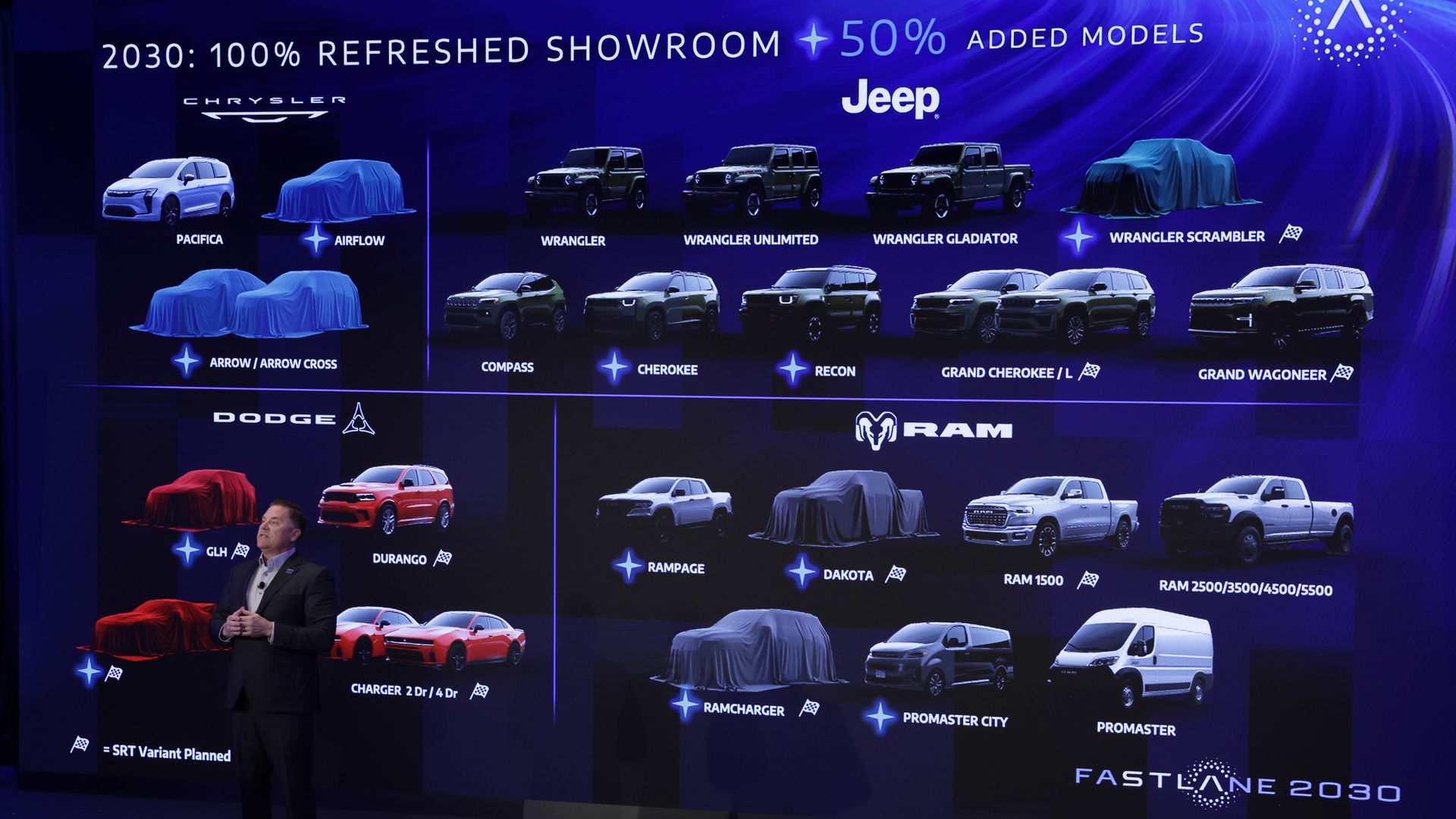
Stellantis plans to add affordable entry-level cars and high-performance trucks to its U.S. showrooms over the next five years as part of a 60 billion euros ($70 billion) global turnaround plan.
Why it matters: Expanding into new market segments is a key aspect of Stellantis' strategy reboot as it tries to reinvigorate its 14 brands and strengthen its financial performance in the hyper-competitive auto industry.
This year's Atlantic hurricane season is expected to be below average in storm activity for the first time in more than a decade, NOAA meteorologists said Thursday in their annual forecast.
Why it matters: Residents should still take the season seriously and prepare now, officials stressed.
"It's very important to understand that it only takes one," NOAA administrator Neil Jacobs told reporters.
Walmart's growth beyond its stores continued in the first quarter, driven by advertising, e-commerce and memberships.
Why it matters: The nation's largest retailer is increasingly making money from the services built around shopping — not just the products on its shelves.
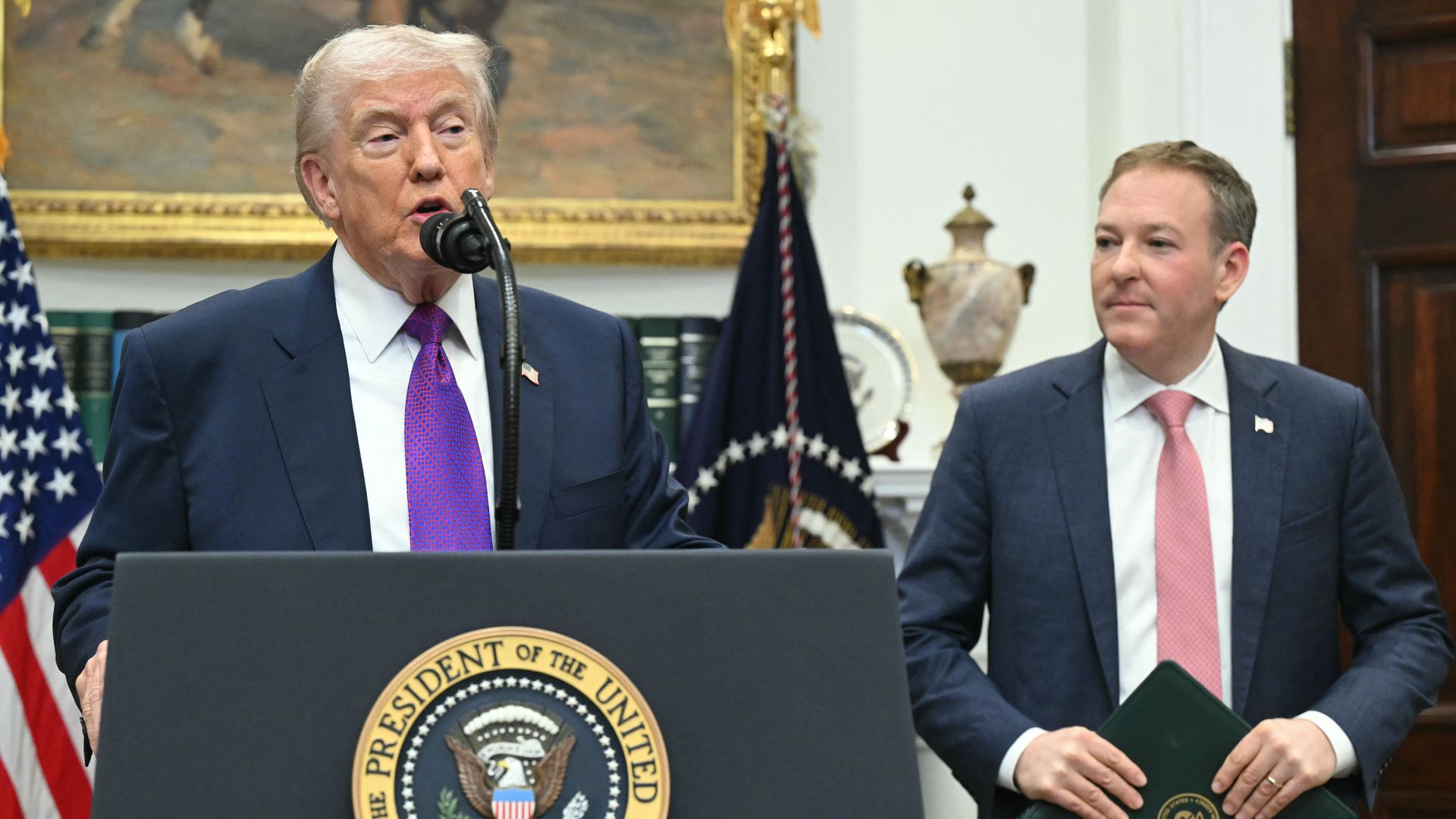
The Environmental Protection Agency is easing Biden-era rules for industries to manage and phase out powerful planet-warming gases used in air conditioning and refrigeration, a White House official said.
Why it matters: Officials claim the plan — which President Trump will unveil at the White House Thursday — will help temper grocery prices.
Automakers and suppliers in search of a lucrative side hustle are dabbling in AI, energy and defense as a way to offset stagnant growth in vehicle sales.
Why it matters: Carmakers have tried the diversification game before — but today's economic and technological shifts may give those efforts more staying power.
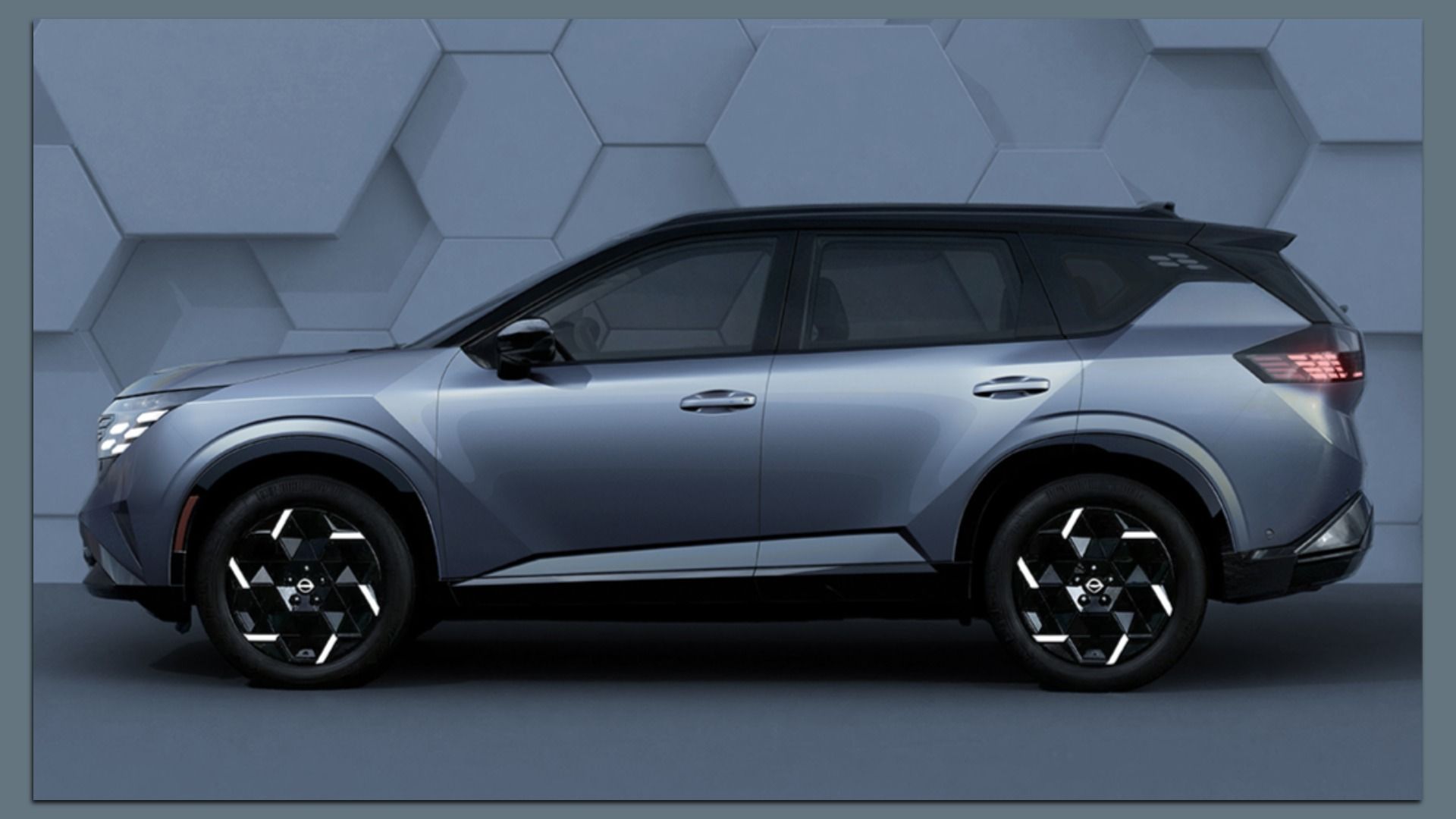
Nissan, the company that pioneered mass-market electric vehicles with the original Leaf in 2010, is betting on hybrids to help propel its turnaround effort.
Why it matters: U.S. consumers are hungry for hybrids, but Nissan has largely sat out the segment in its biggest market.
New reports underscore how electric vehicle sales are rising globally even as they've dropped sharply in the U.S. — and how the Iran war could lead even more people to buy them.
Why it matters: EVs help displace oil use and lower emissions. Petroleum price spikes from the Iran war appear to be boosting sales in some places, too.
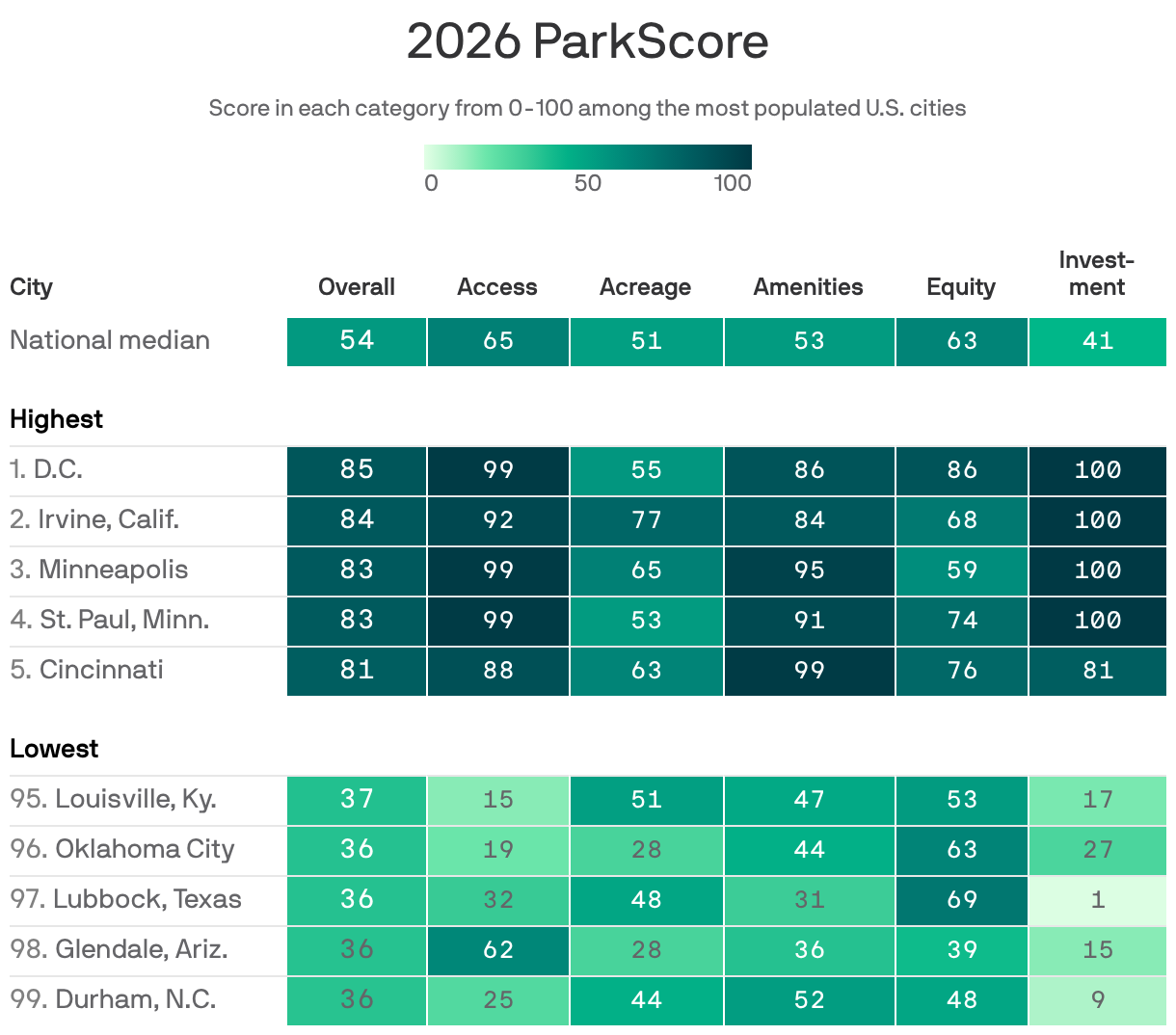
Washington, D.C.; Irvine, Calif.; and Minneapolis, Minn. have the country's best city park systems, per the Trust for Public Land's new rankings.
TPL's annual report ranks the 100 most populous U.S. cities' park systems relative to one another based on five categories: access, acreage, amenities, equity, and investment.
Driving the news: D.C. once again took home top honors thanks to its high scores for investment and access, with nearly all residents within a 10-minute walk of a park.
It's now been in the top spot for six years running.
Chicago is back in the top 10, "pulling narrowly ahead of Denver on increased investment and several creative park projects, such as converting a vacant lot into a community plaza and roller rink."
Zoom in: Texas is a bright spot, too.
Irving, a Dallas suburb, rose 28 spots in the rankings from last year. Ft. Worth rose 14 spots, while Austin and Frisco are both up 7 spots.
TPL credits Texas' gains to new parks and big investments, plus agreements letting people use school playgrounds and ballfields after hours and on the weekend.
Yes, but: Cities' inflation-adjusted parks and rec spending rose just 2% in fiscal 2025, TPL found, down from 7-8% in each of the prior two years.
That comes as pandemic-era federal aid is running dry, straining cities' budgets.
What they're saying: "For all of us that love parks and know parks and know green space, and how important it is to health and mental health and kids and all those things, it is concerning to us, and it's counter to public sentiment around parks and green space," TPL president and CEO Carrie Besnette Hauser tells Axios.
Parks return $3 in economic benefit for every $1 invested, Besnette Hauser adds, pointing to new TPL research accompanying this year's report.
Some of that work — including an effort to repaint the Reflecting Pool — has been controversial with locals, historians and Trump critics.
The bottom line: Parks are "places of real joy," Besnette Hauser says — adding that their green spaces, trails and benches give us all a chance to meet and connect with different kinds of people.
"Parks bring us together in a world and a society right now, in a country that is so — people are so at odds with each other."
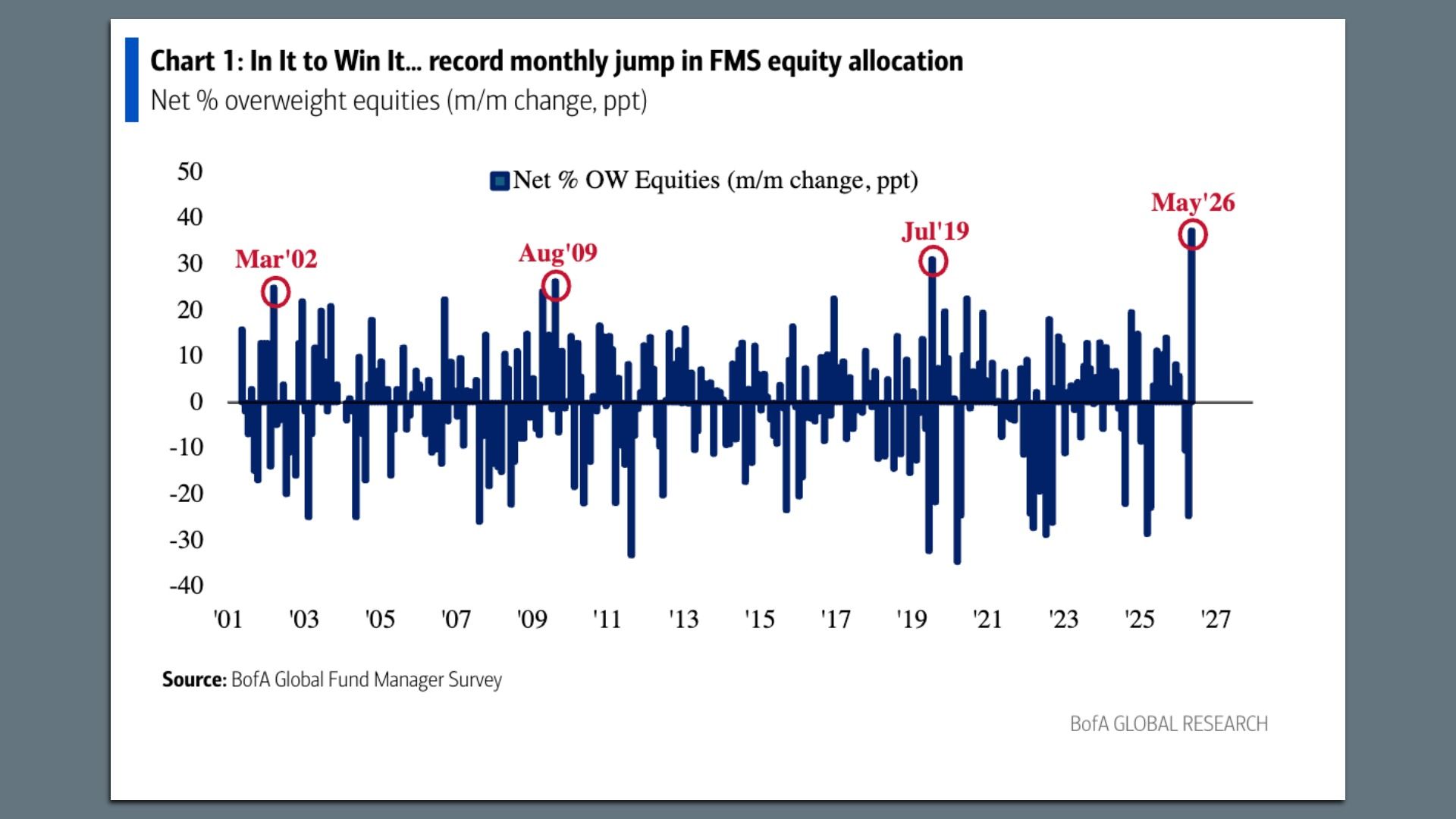
Investors went on a stock-buying binge earlier this month, even as inflation worries increased, finds the latest release of Bank of America's influential global fund managers' survey.
Why it matters: The outsize optimism helps explain the run-up in stock prices over the past few weeks.
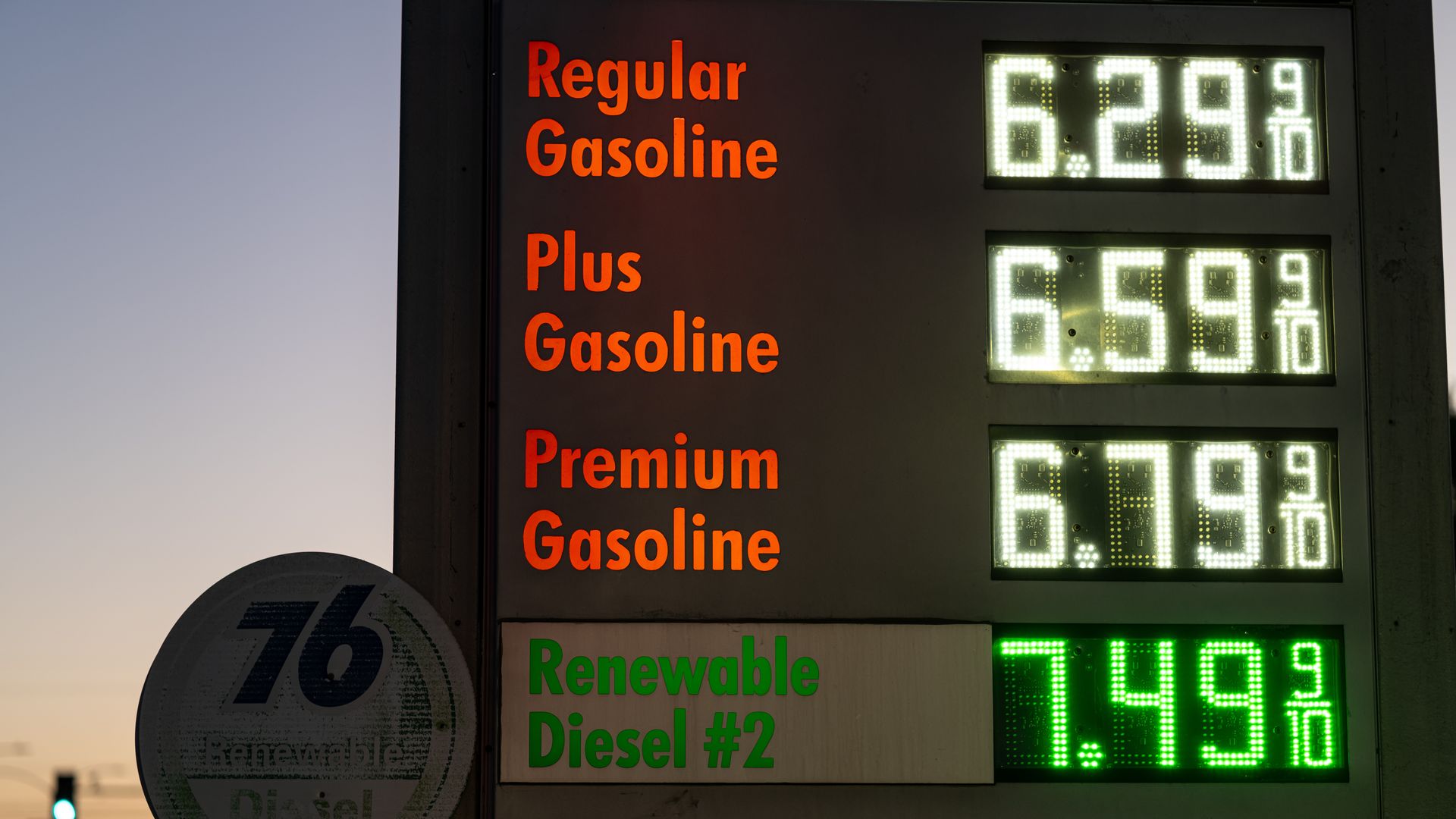
All 50 states have average gas prices above $4 a gallon, AAA said Wednesday, with seven now topping $5 a gallon.
Why it matters: As the war with Iran approaches the three-month mark, soaring fuel prices are costing Americans millions of dollars a day, crushing small business profits, and driving a surge in inflation.
The Trump-class battleship, the first of which is estimated to cost more than $17 billion, will be nuclear-powered, according to Chief of Naval Operations Adm. Daryl Caudle.
Why it matters: The pronouncement ends months of debate about how — and how fast — the battleship will get around.
Navy leadership as late as the end of April described nuclear propulsion as "unlikely." Specs first published months ago have been in flux.