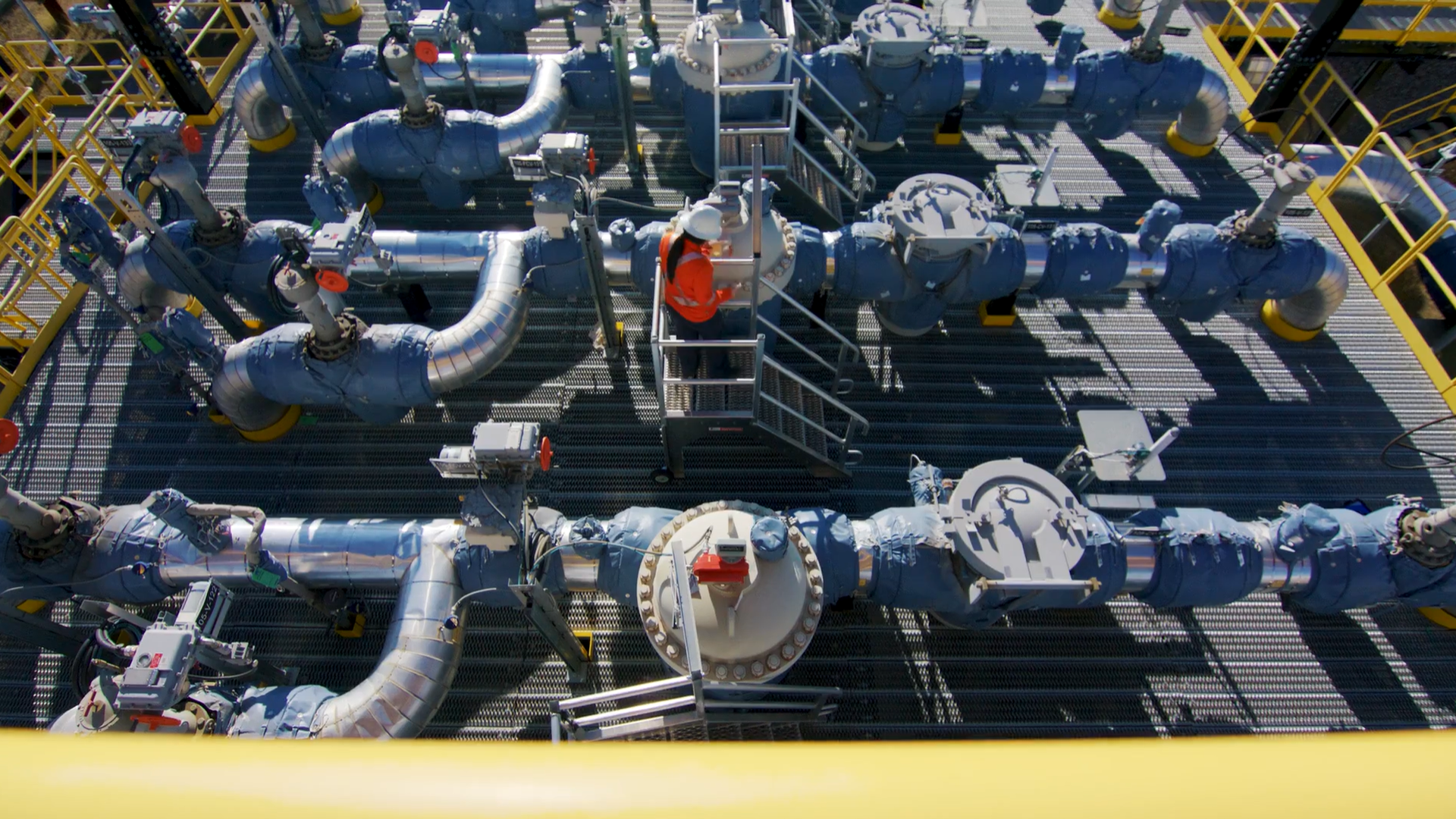
Corporations are poised to buy more clean energy this year than ever before, driven by the AI boom and a rush to secure expiring tax credits, according to a new report shared exclusively with Axios.
Why it matters: The surge underscores the enduring influence of corporate demand on the clean energy market — and the resilience of cleantech investment even after President Trump rolled back federal support.
Energy security is the invisible force that keeps daily life running, but reliable energy is at risk.
Why it's important: All industries, including business, manufacturing and agriculture are affected by the availability and cost of energy inputs underpinning their operations.
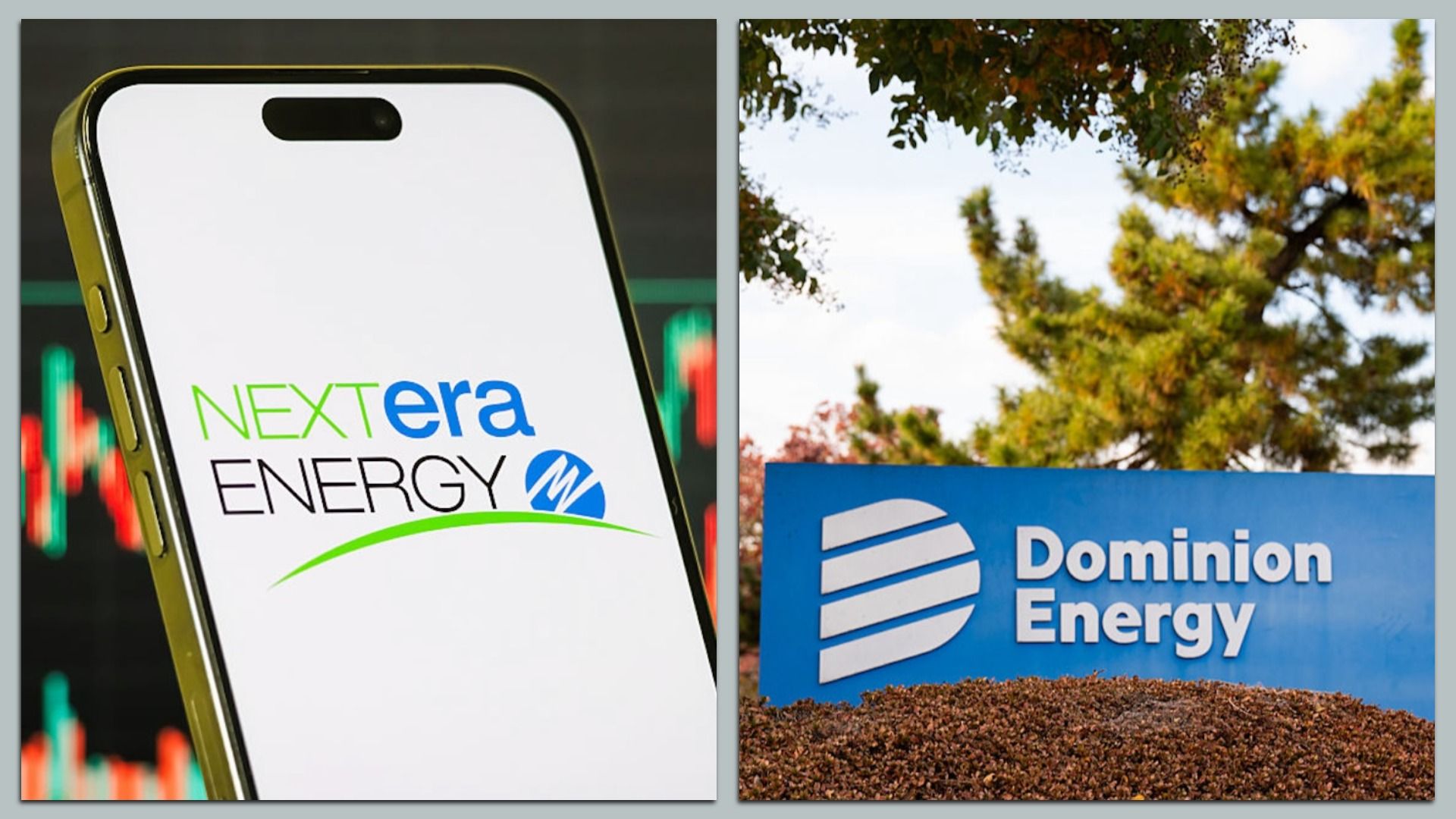
The NextEra-Dominion merger plan signals the rapid evolution of the U.S. power landscape marked by rising demand, rising bills, and AI's voracious needs.
Why it matters: There are a lot of wild stats around NextEra acquiring the smaller (but still very big) Dominion, but this one is especially eye-opening in the AI data center age:
The company would have a pipeline of over 130 gigawatts of "large load" customers — with data centers a big part — looking to come online by 2032.
U.S. power giants NextEra Energy and Dominion Energy announced plans Monday to merge in the largest electricity deal — by far — since the mainstreaming of AI.
Why it matters: The deal, if approved by regulators, would enable massive scale as the industry looks to expand generation and related infrastructure to meet rising demand.
The tech and AI infrastructureindustries are stepping up efforts to challenge the narrative that consumers are getting stuck with the bill for data center growth.
Why it matters:New analysis arguing the AI boom hasn't hit household budgets arrives amid a backlash to huge data centers.
Government bond yields around the world, including in the U.S., are hitting multi-decade highs as investors price in higher for longer inflation due to the Iran war.
Why it matters: The interest rates, or yields, that governments pay on their debt can drive the global economy — when rates are low, countries can spend more freely and drive economic growth.