You don't think about energy security — until everything gets pricier

A message from: Enbridge
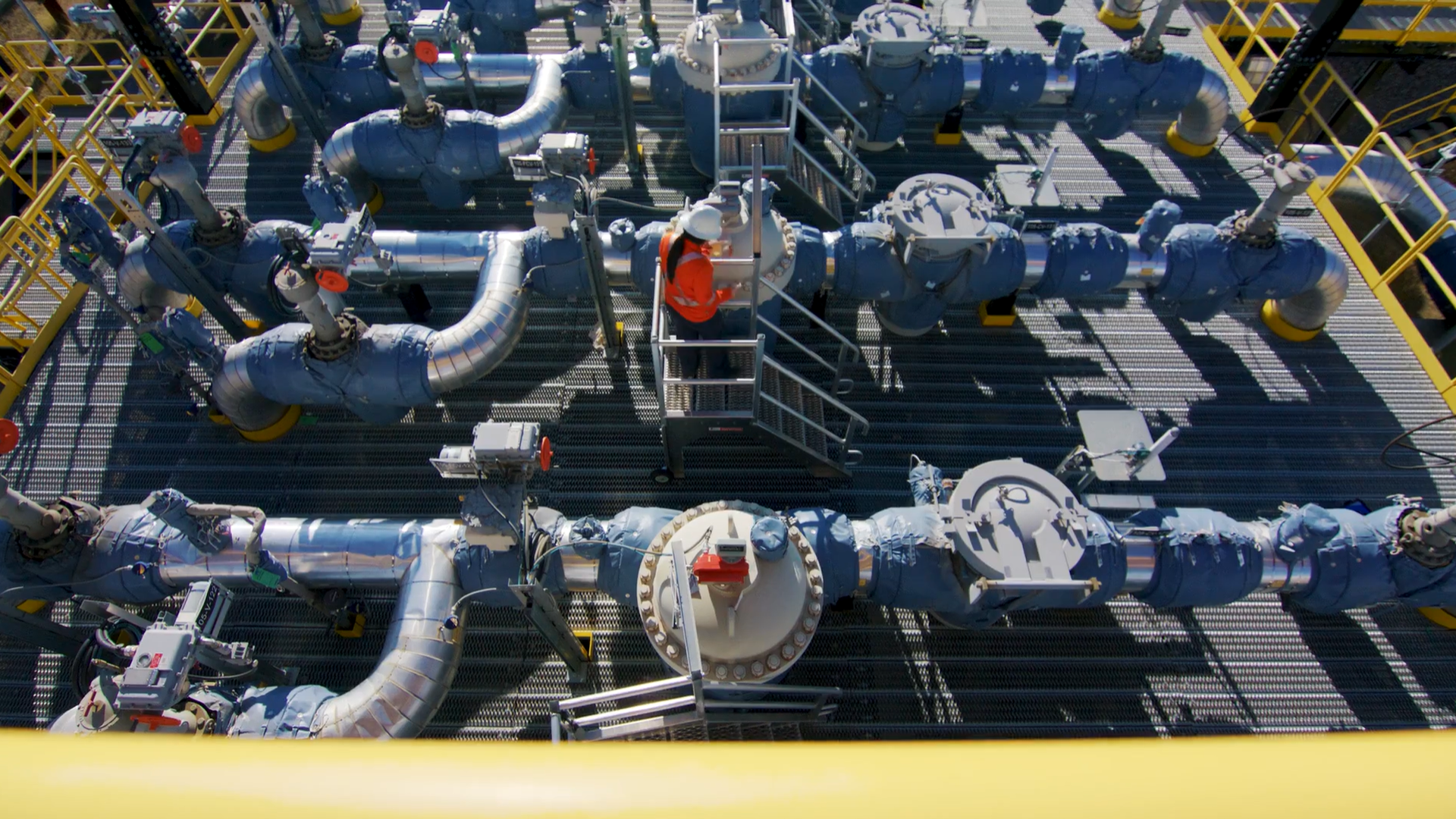
Energy security is the invisible force that keeps daily life running, but reliable energy is at risk.
Why it's important: All industries, including business, manufacturing and agriculture are affected by the availability and cost of energy inputs underpinning their operations.
- You may not notice anything is different until you see and feel the impacts of energy insecurity, whether in escalating gas prices, rising fuel surcharges for package deliveries or more expensive food at the supermarket and restaurants.
Plus, plus, plus: Risks to energy security can be detrimental to public health and safety.
- Reliable energy is essential for hospital workers, first responders, public transportation and sanitation workers, food inspectors and water treatment workers.
Energy security is about building resilient systems where oil, natural gas, solar and wind work together to keep economies moving and communities safe.
- Energy systems are constantly under pressure, and even small disruptions can ripple quickly through the economy and daily life.
The challenge: Risks range from natural disasters and technical failures to supply chain breakdowns and geopolitical instability, all of which can disrupt supply or delay delivery.
- Lately, energy security has been under the spotlight as domestic policy swings, global conflict and geopolitical upheaval disrupt supply chains and drive surges in energy prices.
Here's the deal: North America benefits from a strong position when it comes to energy supply, but access and delivery are just as important as abundance.
- According to the U.S. Energy Information Administration (EIA), the U.S. produces approximately 20% of the world's oil and remains the largest producer of natural gas globally, giving it a significant advantage in energy availability.
Okay, but: Supply alone doesn't guarantee energy security. Energy must be transported efficiently through pipelines and power lines that connect production to demand centers.
- Infrastructure is what makes energy usable in the real world. Without reliable delivery systems, even abundant energy resources cannot reach the people and industries that depend on them.
What Enbridge is saying: Greg Ebel, Enbridge president and CEO, emphasized that the world will continue to need all forms of energy — and that future demand will grow.
- Enbridge has committed more than $8 billion to renewable energy projects since 2002, including wind, solar, renewable natural gas and hydrogen.
An example: In the Great Lakes region, the company invested more than $100 million in recent years into its Line 5 pipeline, a system that supports regional energy needs and economic activity.
- The pipeline runs through the Straits of Mackinac, connecting Michigan's Upper and Lower peninsulas. Enbridge is focused on implementing measures that will keep Line 5 operating safely and reliably.
- The proposed Great Lakes Tunnel is designed as a long-term infrastructure upgrade, housing a replacement section of Line 5 deep below the lakebed.
Relocating the pipeline into a protected tunnel would significantly reduce environmental risk, including virtually eliminating the chance of an anchor strike or spill.
Looking ahead: The world will need more energy and meeting that demand while maintaining affordability and reliability will depend on strong, resilient delivery systems.
Reliable infrastructure is what turns energy supply into real-world stability, helping ensure that communities, businesses and essential services can operate without interruption in an increasingly uncertain world.