Why it matters: The technology may be ready — but the economics aren't. High costs are still preventing these new mobility platforms from reaching the scale needed to become durable, profitable businesses.
RICHMOND, Virginia — How the state deals with its uniquely large proliferation of data centers plays a significant role in its economy going forward, according to three environmental professionals at a Feb. 12 Axios Live event.
Why it matters: Virginia, particularly the northern part of the state, has become known as the world's "data center capital," with estimates that the area processes up to 70% of global digital traffic.
Axios' Chuck McCutcheon and Sabrina Moreno spoke with Southern Environmental Law Center attorney Josephus Allmond; Glenn Davis, principal at Davis Energy & Infrastructure Strategy Group; and Virginia Mercury energy columnist Ivy Main.
Zoom in: Making it too easy for data centers to set up shop in Virginia could increase residential electricity bills and negatively affect lower-income communities. Making it too difficult potentially eliminates jobs and the tax revenue the centers could contribute to local communities.
By the numbers: Virginia has "localities where 40% of their property taxes come from data centers," said Davis, the former Virginia director of energy.
"Imagine a locality in southwest Virginia or central Virginia, where … one data center would change quality of life overnight — new schools, new roads, what it would do."
Yes, but: "We want to make sure that these data centers come here and that they're benefiting the grid and that they're benefiting the local communities, not harming them," Allmond told McCutcheon.
Friction point: Virginia Gov.Abigail Spanberger has moved to reinstate the Regional Greenhouse Gas Initiative (RGGI). However, Secretary of Energy Chris Wright contends tax credits for it andother clean energy programs should end, in favor of traditional energy sources to support technological growth like data centers.
What's next: "Gov. Spanberger's got a Democratic majority for two years," Main told McCutcheon, "so it is reasonable for her to look at the first year as, 'Let's do the things that are achievable without great pain and see how far we can get.'"
Content from the sponsor's segment:
In a View from the Top conversation, Shell Energy Solutions' David Black told Axios Live moderator Eugene Scott that Virginia faces a clear dilemma.
"You have this massive opportunity of growth, and that growth can bring tax dollars. It can bring jobs." However, he added, "if you don't get this right, you will crowd out investment."
UN Secretary-General António Guterres is calling for new talks on moving away from fossil fuels that would bring energy producers to the table.
Why it matters: It's fresh evidence officials hope to adapt the UN climate process to move far beyond pledges and find new avenues to spur on-the-ground steps.
Environmental and health groups filed suit Tuesday against EPA over the "endangerment finding" repeal and withdrawal of any CO2 standards for vehicles.
Why it matters: The litigation — which analysts expect to reach the Supreme Court — will help decide how much future presidents can crack down on emissions.
An obscure, two-year-old company has emerged as a quiet power broker — literally — in the AI boom.
Why it matters: Houston-based Cloverleaf Infrastructure is lining up massive deals securing land and city-scale electricity to fuel data centers — the single biggest bottleneck in AI expansion.
Secretary of State Marco Rubio has been holding secret talks with the grandson and caretaker of Cuba's aging de facto dictator, Raul Castro, as the U.S. puts unprecedented pressure on Havana's regime, three sources tell Axios.
Why it matters: The talks between Rubio and Raul Guillermo Rodriguez Castro are bypassing official Cuban government channels. They show that the Trump administration sees the 94-year-old revolutionary as the communist island's true decision-maker.
Tide is introducing one of the biggest changes to laundry detergent in more than a decade with the national rollout of Tide evo, a dry, tile-based alternative to liquids and pods.
Why it matters: The U.S. laundry care market is worth nearly $25 billion, and even small shifts in format can move billions in retail sales.
A new Senate bill that would ensure the cost of data centers' energy use isn't passed on to consumers is stirring up plenty of debate — pro and con — among AI and energy interests.
Why it matters: The bill from Sens. Josh Hawley (R-Mo.) and Richard Blumenthal (D-Conn.) is one of the first bipartisan pieces of legislation on an issue that's drawn plenty of attention from Congress.
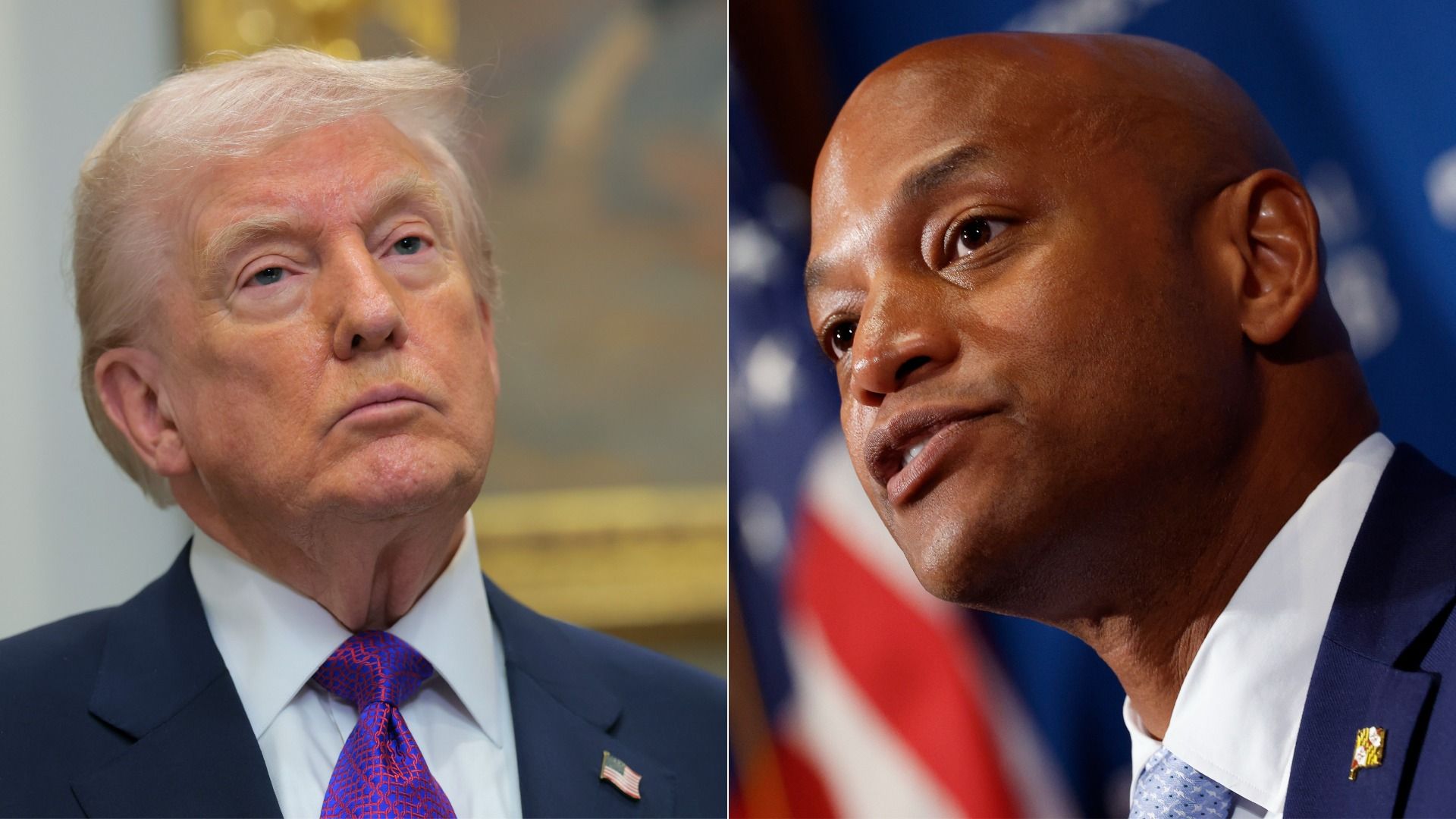
President Trump sparked a blame game over the massive sewage spill into the Potomac River, attacking Maryland Gov. Wes Moore (D), who in turn faulted the feds.
Why it matters: The major sewage pipe that burst on Jan. 19 caused one of the worst raw sewage spills in U.S. history.
President Trump said he is going to be "involved indirectly" in the second round of nuclear talks between the U.S. and Iran that will take place in Geneva on Tuesday.
Why it matters: The meeting tomorrow between Trump's envoys Jared Kushner and Steve Witkoff and Iranian Foreign Minister Abbas Araghchi could be a make or break moment that will signal whether the two countries are moving towards an new nuclear deal or towards a war.