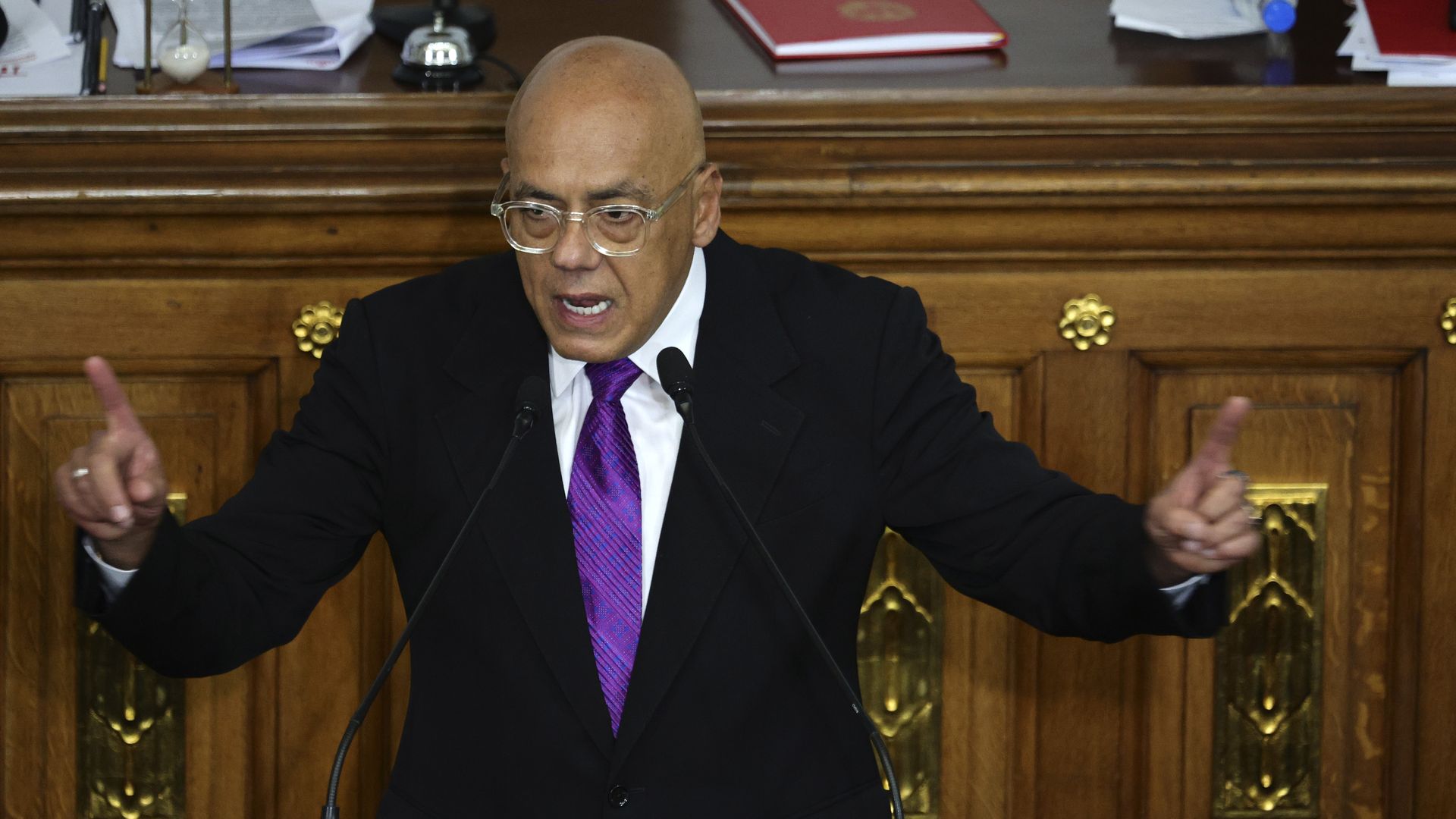
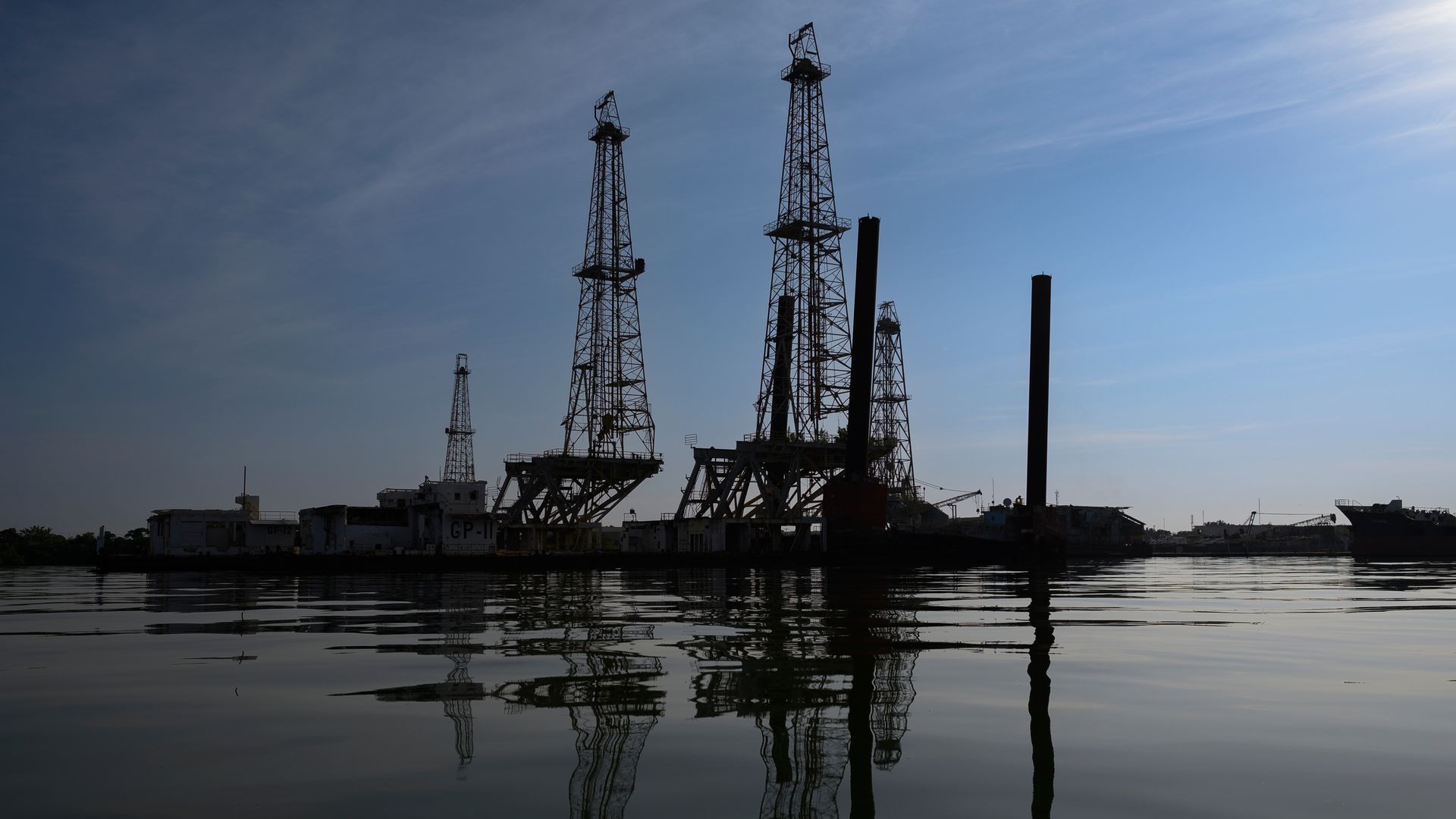
Venezuela will release an "important number" of political prisoners, including both citizens and foreigners,the South American country's top legislator said on Thursday.
The big picture: The announcement,from National Assembly president Jorge Rodríguez, could signal that the regime is softening its long-standing limits on political dissent — a move the opposition in Venezuela has demanded for years.
President Trump's decision to yank the U.S. from UN climate change agencies will set back international progress on addressing the climate, observers say.
Why it matters: The U.S. is the world's second-largest emitter of greenhouse gases after China and provides much of the scientific heft addressing the problem.
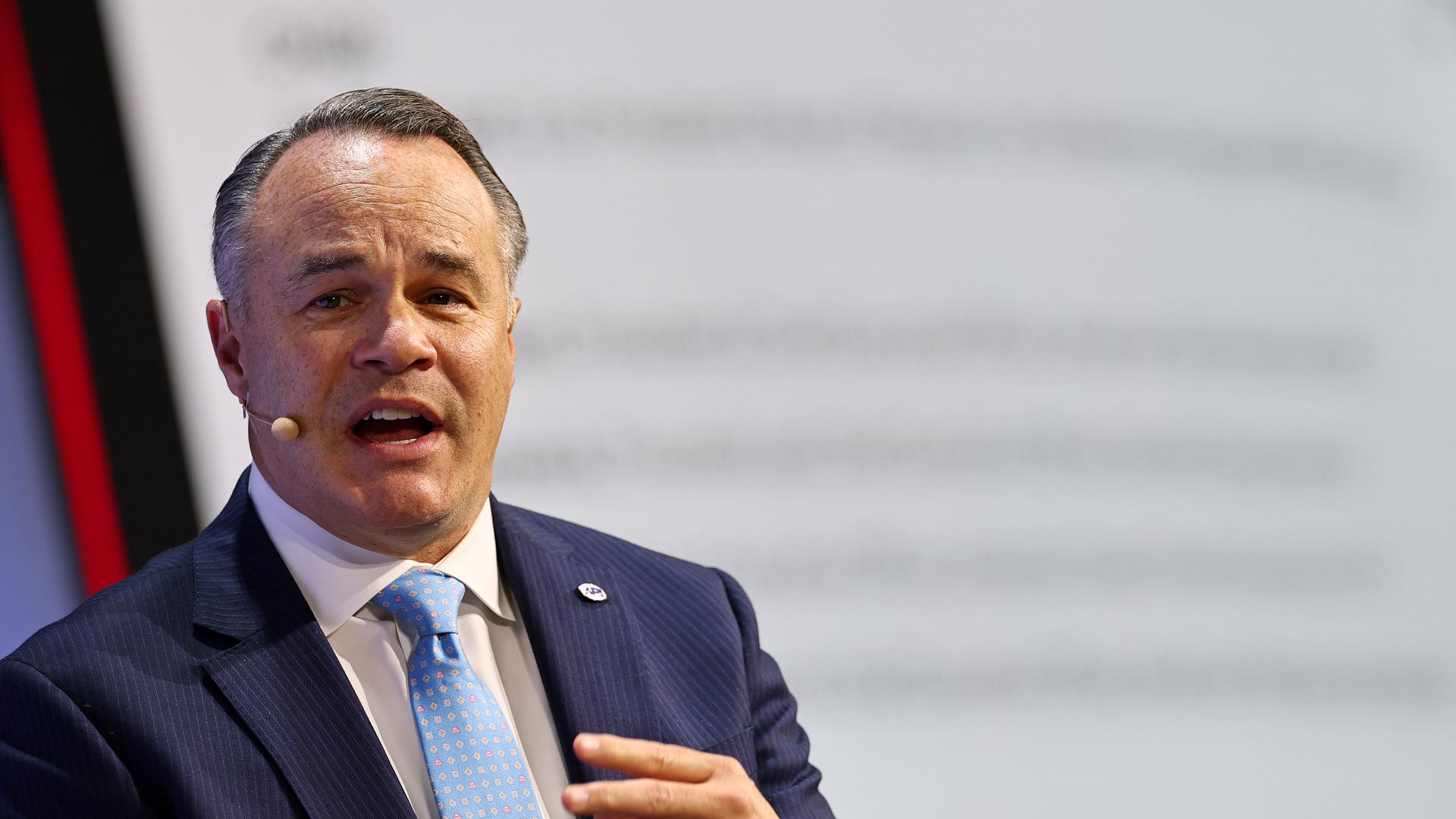
The head of the U.S. oil industry's leading lobbying group on Thursday predicted "tremendous interest" in Venezuela from American companies — but only if "big requirements" around security and other areas are met.
Why it matters: President Trump is hoping that U.S. producers invest in reviving output from Venezuela's broken-down oil fields.
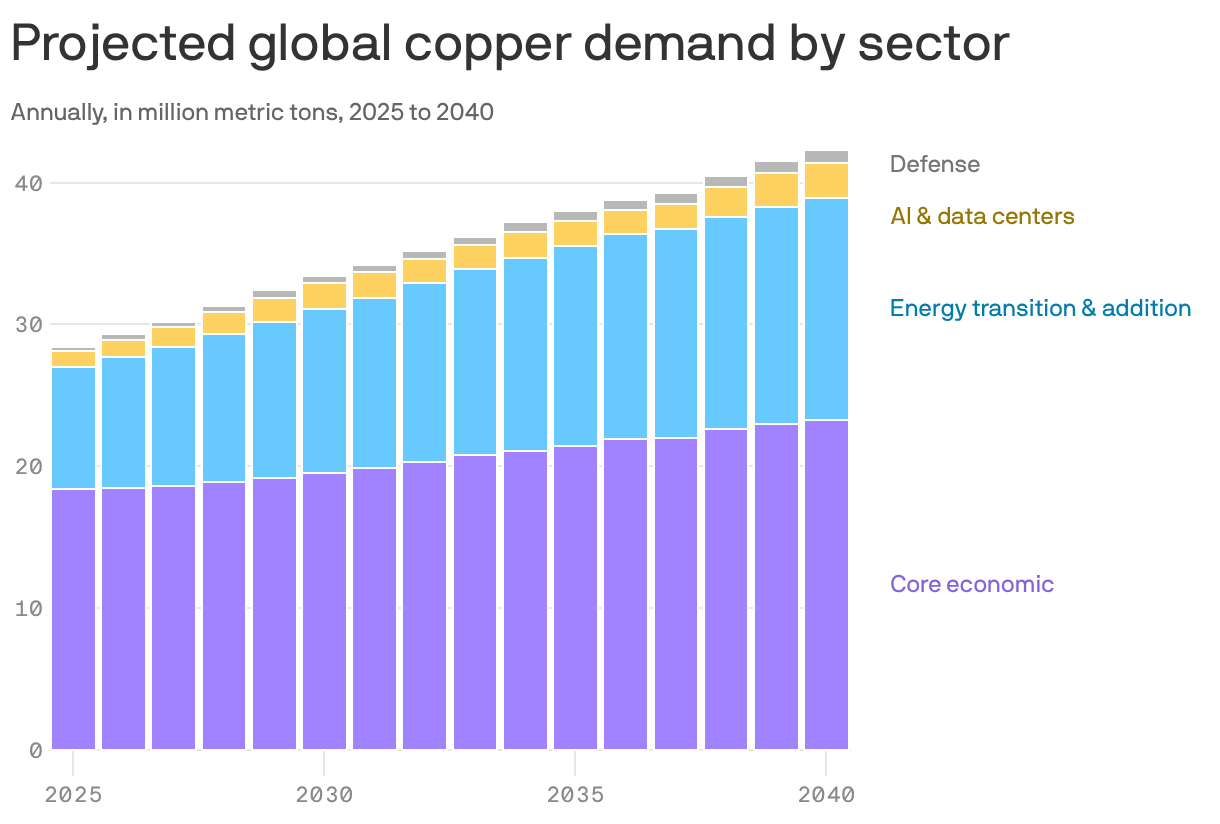
Data: S&P Global; Note: "Core economic" includes construction and fossil power generation; Chart: Axios Visuals
AI and military needs could worsen what's already shaping up as a looming copper supply gap in coming decades, new analysis finds.
Why it matters: Copper supply is foundational to energy transition including EVs and renewables — even as traditional uses like construction and machinery grow, as you can see above.
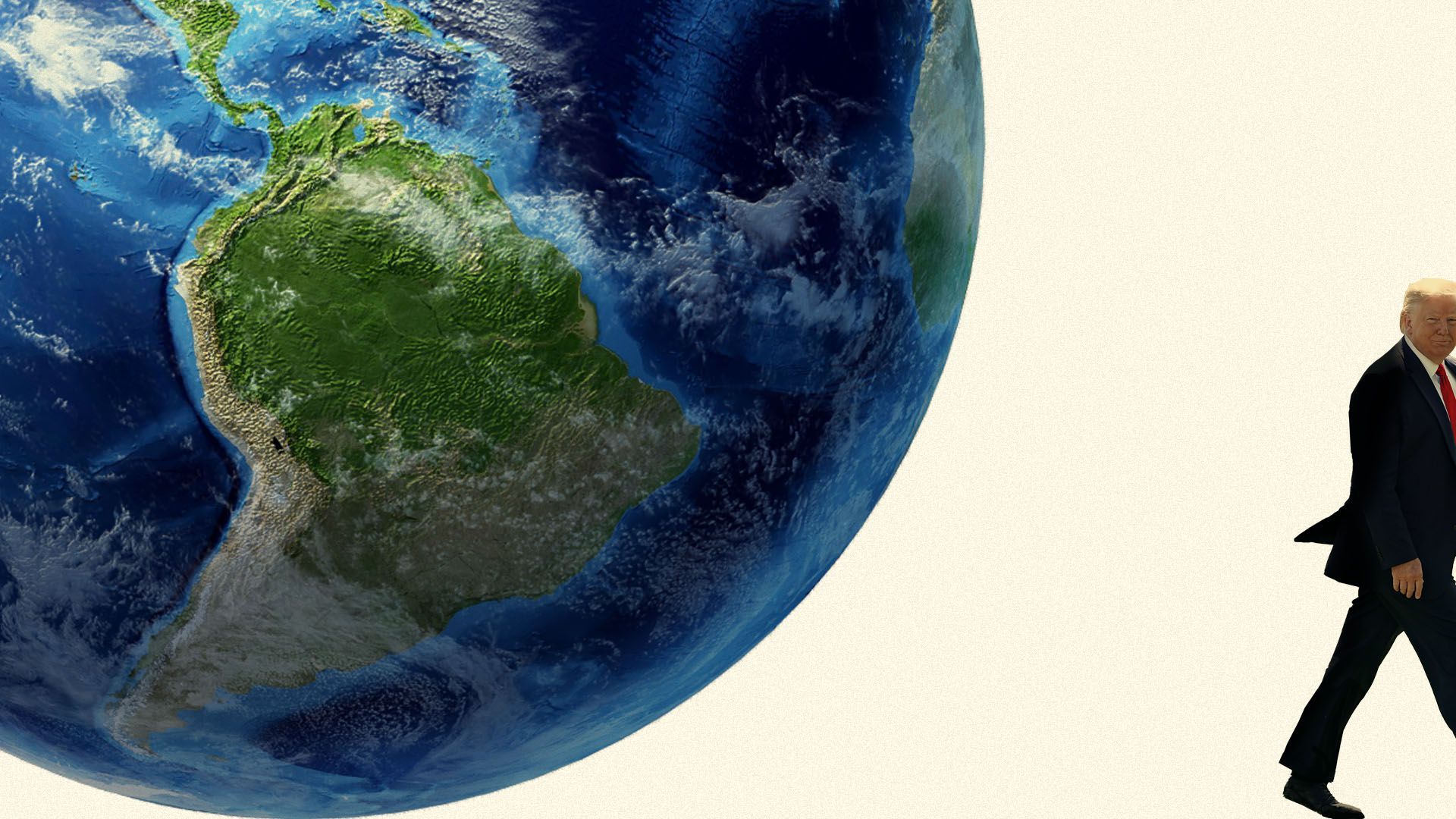
President Trump on Wednesday announced plans to withdraw the U.S. from dozens of global organizations, including the United Nations climate change agencies.
Why it matters: It's among the biggest and most extreme steps this administration has taken to retreat from the global stage and pull back foreign spending.
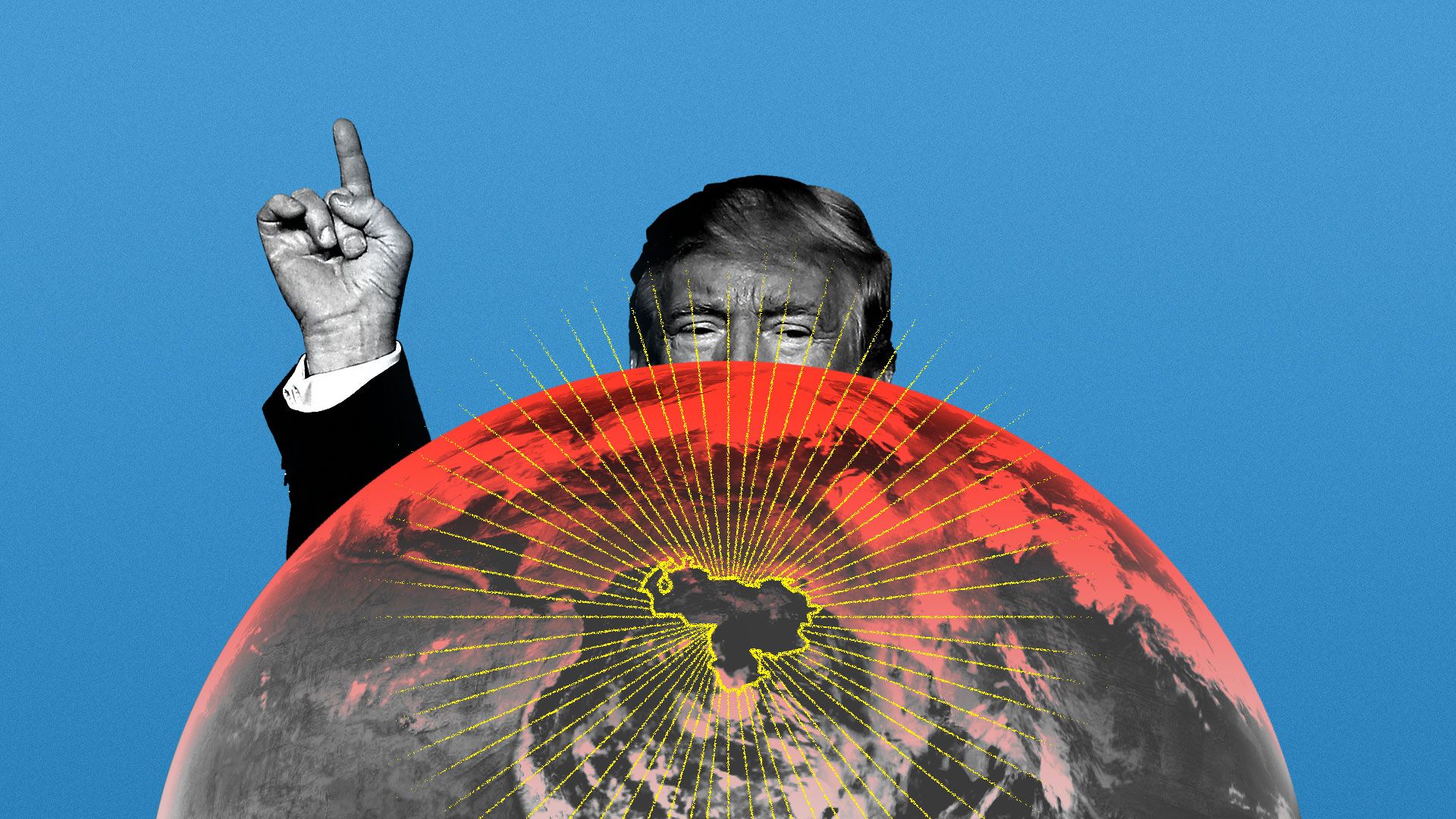
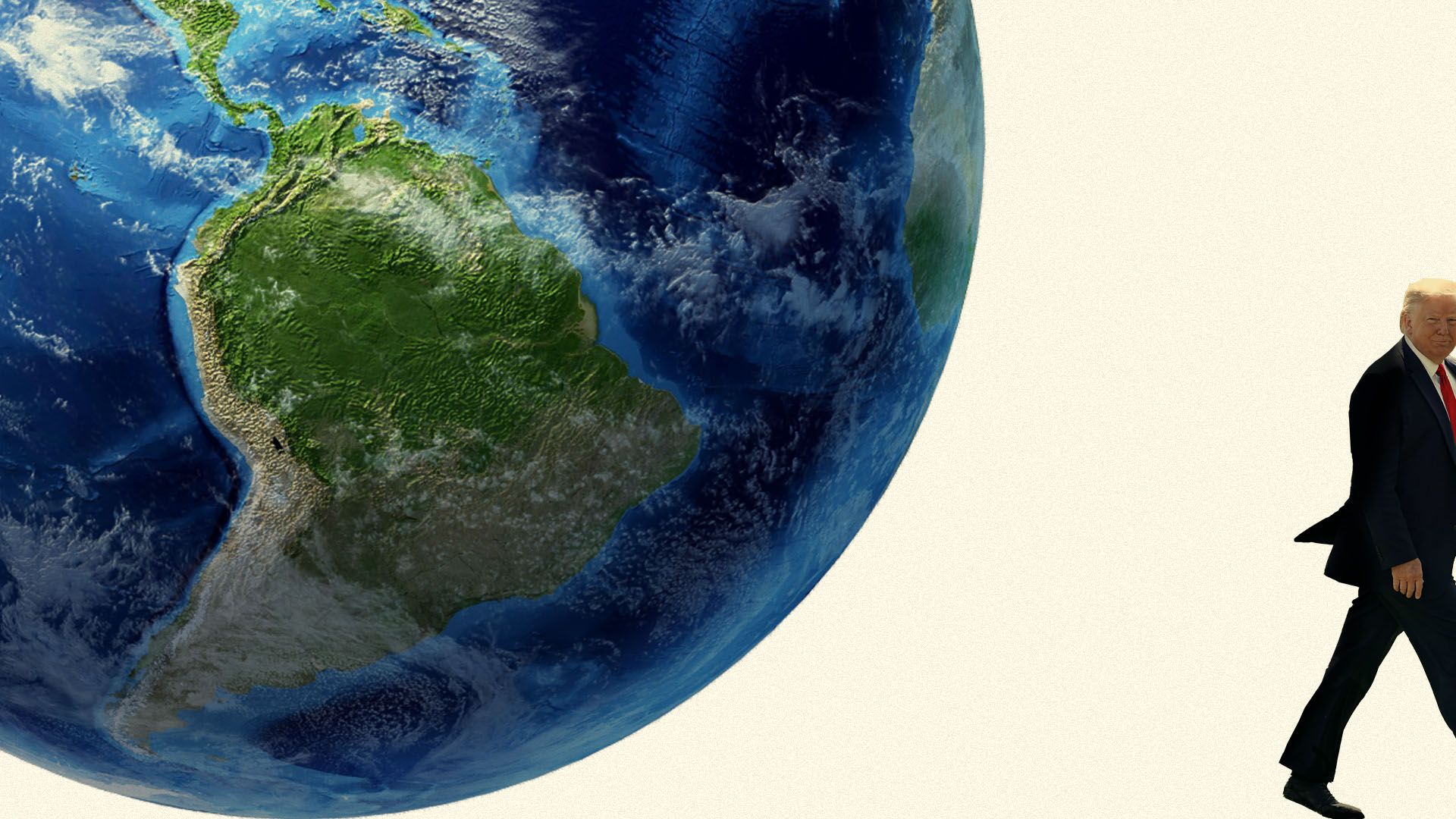
The big picture: While his predecessors sought to distance themselves from the Monroe Doctrine that the U.S. established to combat European interference in the Americas, Trump's eagerness for a 21st century version of the policy underscores his wider goal to "restore American pre-eminence in the Western Hemisphere."
Americans should eat less packaged and highly processed foods and more protein and full-fat dairy, according to updated nutrition guidelines the Trump administration released Wednesday.
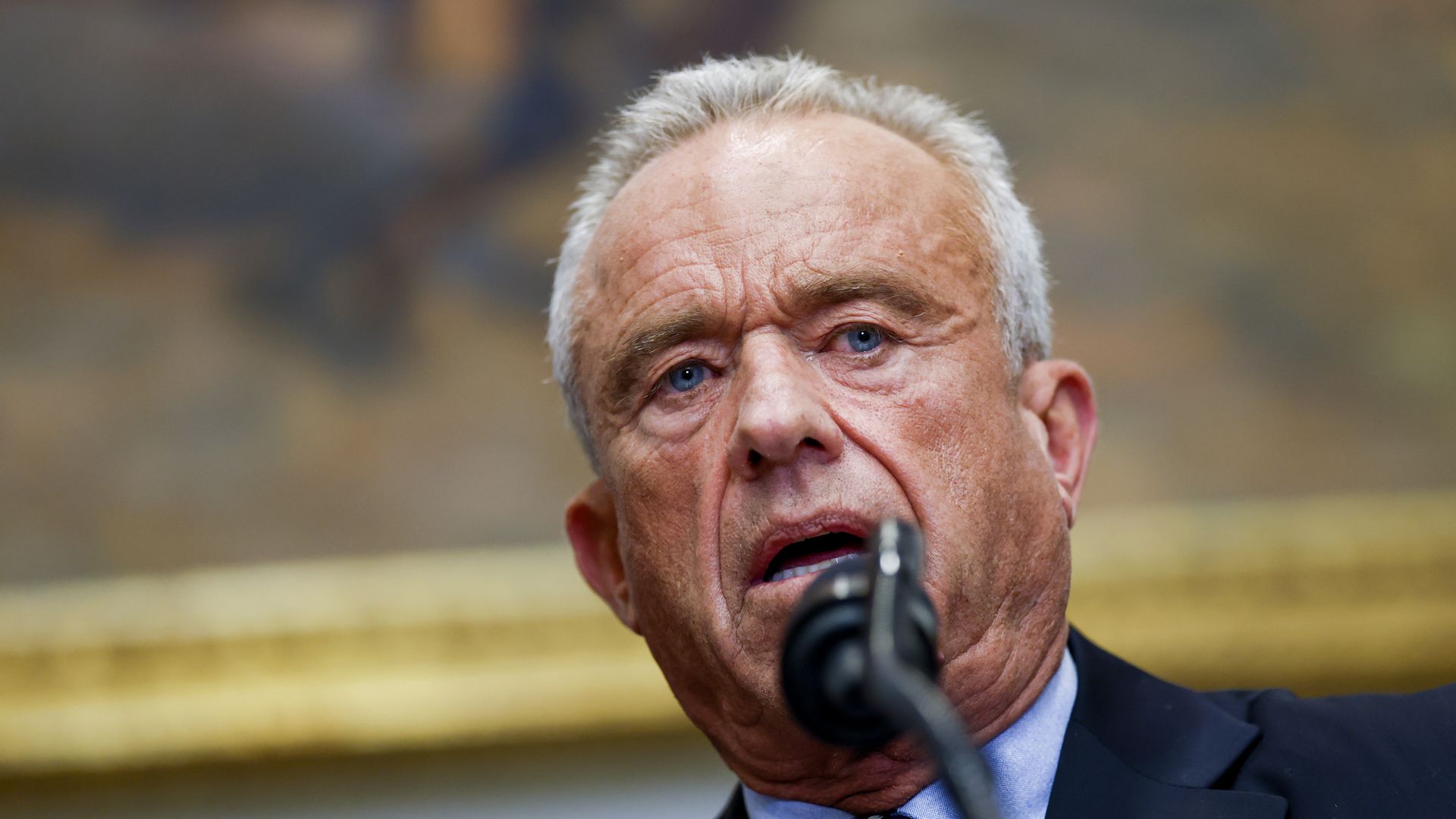
Why it matters: The new guidelines, closely watched by the food and beverage industries, are the strongest leverage Health Secretary Robert F. Kennedy Jr. has over what Americans eat, as they
They blend elements of Kennedy's MAHA agenda with well-established nutritional guidance and maintain existing recommendations on saturated fat intake.
There also is no specific mention of cutting back on seed oil consumption, which Kennedy has repeatedly railed against.
Driving the news: The Health and Human Services and Agriculture departments jointly released the 10-page document, which emphasizes prioritizing protein at every meal, limiting added sugars and eating vegetables.
It says balanced diets should include a variety of protein, including red meat, eggs, and plant-based items like beans and soy.
The document urges Americans to consume less alcohol — without specifying limits — and says to restrict artificial flavorings, dyes and preservatives.
"Alcohol is a social lubricant that brings people together," Medicare and Medicaid administrator Mehmet Oz said at a Wednesday press briefing.
"In the best-case scenario, I don't think you should drink alcohol, but it does allow people an excuse to bond and socialize," he said.
The administration also released a new food pyramid, with vegetables, proteins and healthy fats at the top. Whole grains are on the bottom.
Kennedy has repeatedly slammed the previous guidelines, which were updated in 2020 during President Trump's first term.
What they're saying: The new guidelines are "a dream come true," Vani Hari, a top MAHA influencer who blogs as the "Food Babe," told Axios.
"We put our full support in for Secretary Kennedy because he told the truth for the first time about the American food system ... and he is following through with his promise," she said.
The American Academy of Pediatrics, which has fought Kennedy on vaccine policy and other public health issues, said the new guidelines are "an opportunity to clearly explain to parents what a healthy diet for their children should look like."
Food and beverage interests offered mixed assessments of the recommendations.
The Consumer Brands Association, whose members include food giants like Coca-Cola and Kraft Heinz, said it looks forward to working with the administration and Congress while noting that consumers still "seek a diverse selection of foods."
But the American Beverage Association criticized recommendations to limit both added sugar and other sweeteners.
"Americans deserve pragmatic advice they can use in daily life. Guidance that discourages sugar but dismisses safe, effective no sugar options is impractical and inherently contradictory," spokesperson William Dermody said in a statement.
Between the lines: The new guidelines mark the first time the government has formally recommended cutting down on ultra-processed foods.
They continue to recommend that saturated fats should not exceed 10% of total daily calories, consistent with the previous standards.
Still, Kennedy said during a the briefing that the administration is "ending the war on saturated fats."
FDA Commissioner Marty Makary added that the guidelines "are telling young people, kids, schools [that] you don't need to tiptoe around fat and dairy."
A long-standing body of scientific evidence shows that reducing saturated fat intake causes a reduction in cardiovascular issues. And many nutritionists have called concerns over seed oils, which are mostly unsaturated fats, overblown.
The guidelines urge prioritizing oils with essential fatty acids like olive oil, as well as butter and beef tallow.
"More high-quality research is needed to determine which types of dietary fats best support long-term health," the document states.
Context: The dietary guidelines are updated every five years. They impact federal nutrition policy, including what goes into free school lunches and what soldiers eat.
A panel of nutrition experts issued a report in late 2024 with science-based recommendations on guideline updates for HHS and USDA to consider.
The 2024 report recommended thatAmericans eat less saturated fat and meat. Reducing saturated fat has been one of nutrition experts' most consistent recommendations since the first guidelines were issued in 1980, it said.
It stopped short of recommending eating fewer ultra-processed foods.
The U.S. Coast Guard seized a Russian-flagged oil tanker on Wednesday after a cat-and-mouse chase across the Atlantic, despite the vessel being shadowed by a Russian submarine and Moscow publicly opposing its capture.
The big picture: It was one of two seizures early Wednesday morning as part of the enforcement of President Trump's blockade on sanctioned tankers carrying Venezuelan oil. The capture of the Russian-linked Bella-1 was particularly dramatic given the geopolitical implications.
Pundits and politicians are getting ahead of themselves in crowing about how U.S. companies, particularly in the energy sector, could profit from this past weekend's events in Venezuela.
The big picture: No one knows how this will play out, nor even if the Trump administration has a solid strategy beyond the grab-and-go on Nicolás Maduro.
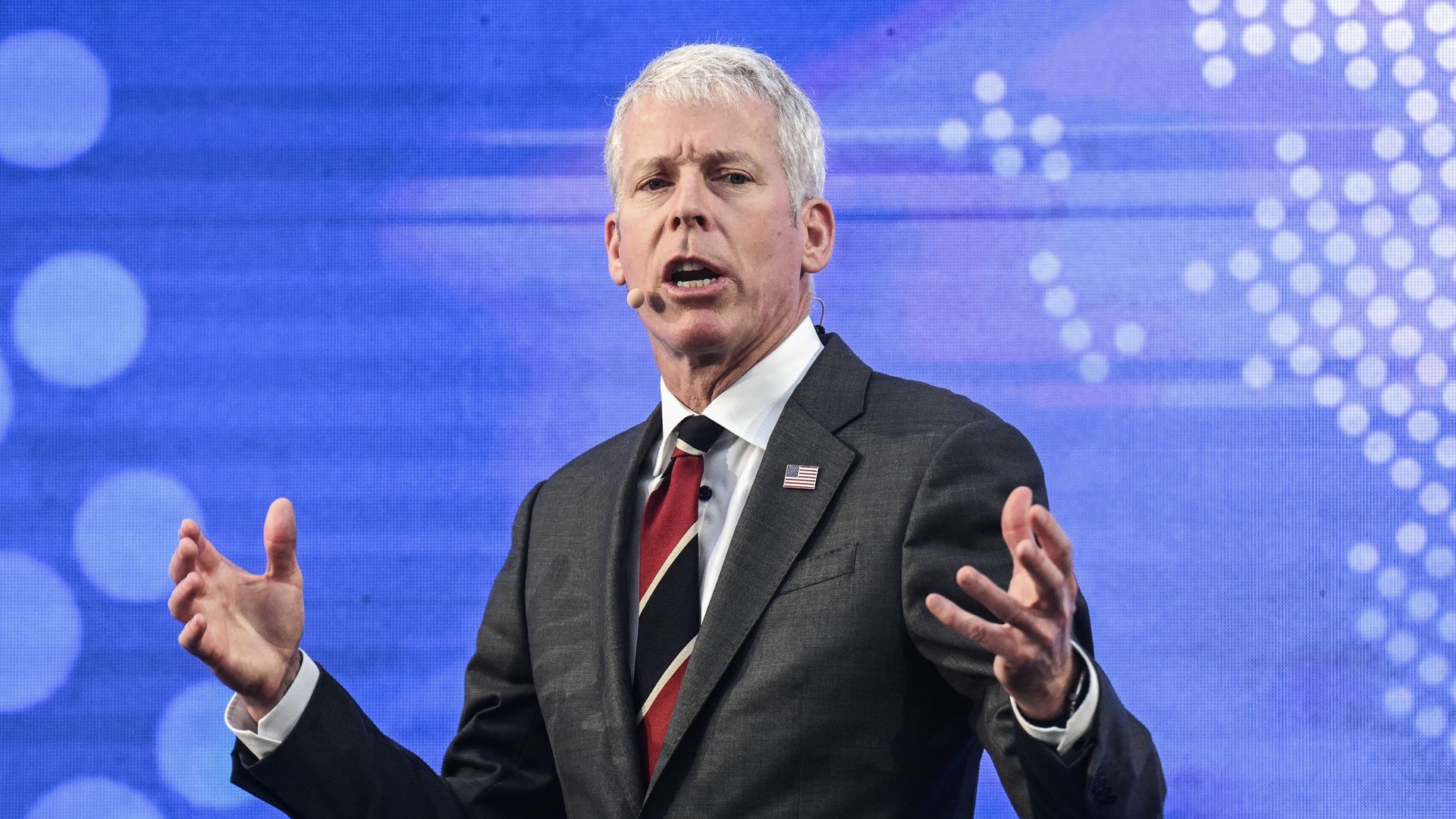
The U.S. plans to directly control Venezuelan oil sales and revenue via U.S.-controlled accounts, but those moves will benefit the country's people as well, Energy Secretary Chris Wright said Wednesday.
Why it matters: His comments are among the Trump administration's most expansive descriptions of its approach to Venezuela's oil sector since the toppling of President Nicolás Maduro.
Hunger is breeding creativity in the race to fuel AI data centers and meet rising U.S. power demand — with repurposed naval reactors and aircraft engines among the latest examples.
Why it matters: Companies are exploring fresh ways to repurpose existing tech used in other sectors, even as more familiar sources — like traditional gas, solar, and nuclear plants — play starring roles in the data center boom.
Forget talk about elections and democracy in Venezuela. The Trump administration has a simple goal there: Back a pro-U.S. government — and prop it up with millions of barrels of Venezuelan oil.
Why it matters: The plan hinges on the U.S. taking de facto control of oil production in Venezuela, which has the largest crude reserves in the world but has been crippled by the twin forces of kleptocracy and U.S. sanctions.
President Trump on Tuesday said that Venezuelan interim authorities will "be turning over" between "30 and 50 MILLION" barrels of oil to the U.S.
The big picture: Trump said on Truth Social the sanctioned oil will be sold at market price, and the resulting revenue will be controlled "by me, as President of the United States" to "ensure it is used to benefit the people of Venezuela and the United States!" — without elaborating further.
The Trump administration is pressing Venezuela's interim government to dismiss all suspected spies and other intelligence agents from China, Russia, Cuba and Iran from the South American country, a U.S. official told Axios.
The big picture: The move, which does not apply to regular diplomatic personnel, marks the administration's latest effortto force the oil-rich nation to meet U.S. demands following last week's raid that captured Venezuelan leader Nicolás Maduro.
President Trump will meet Friday with U.S. oil executives at the White House as he presses the industry to invest in reviving Venezuela's production, multiple sources tell Axios.
Why it matters: Boosting output from the nation's dilapidated oil infrastructure will require massive outlays.