Tropical Storm Francine is due to make landfall along Louisiana's coastline midday Wednesday, and preparations were already underway Tuesday.
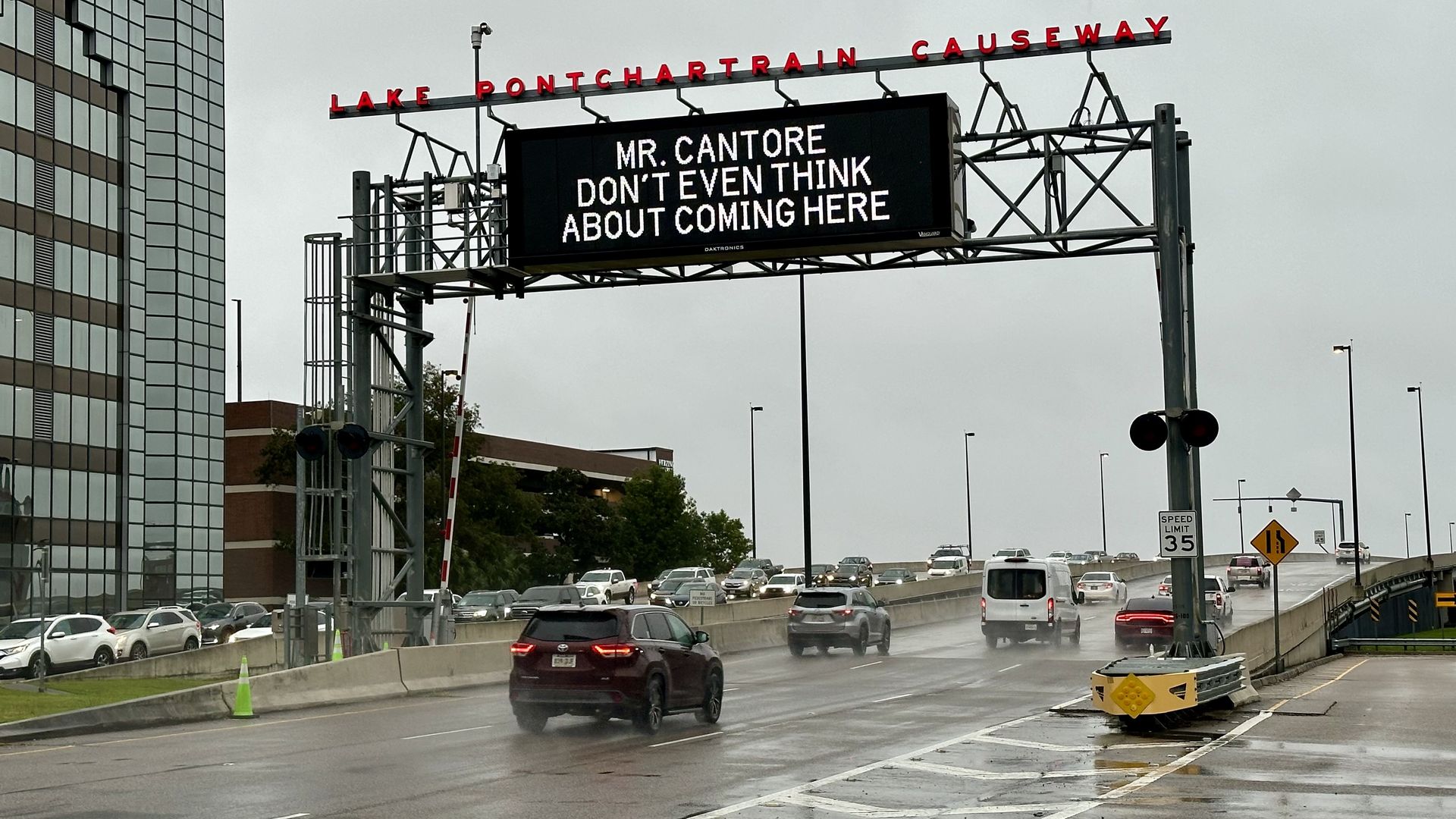
The big picture: The storm is expected to impact central Louisiana, especially along the coast, and New Orleans residents warily eyed Francine's track as it jogged eastward Tuesday.
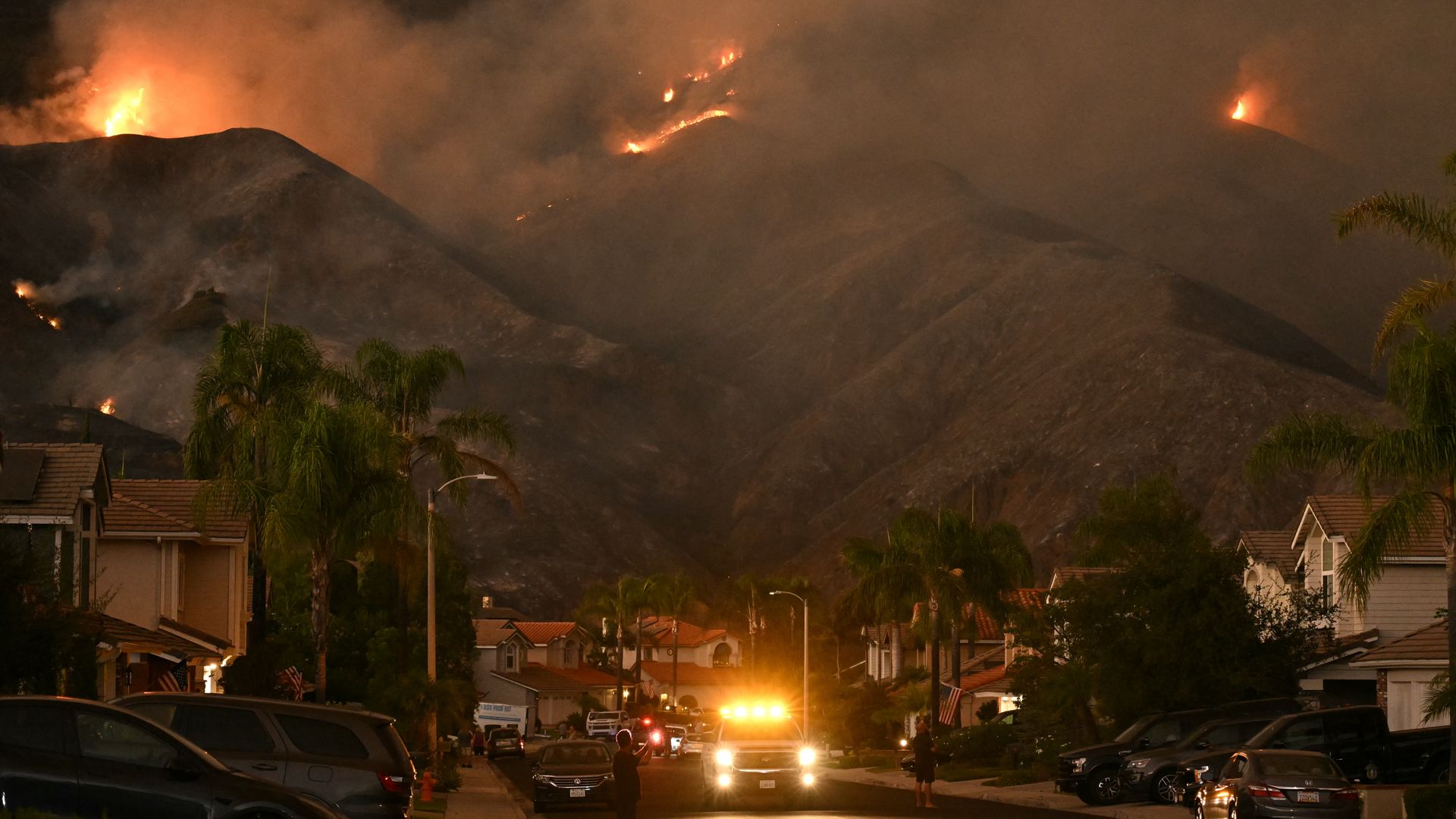
Fast-moving wildfires in California and Nevada have left tens of thousands of people under mandatory evacuation orders, numerous structures threatened and air quality impacted, as a dangerous heat wave continues to grip Southern California in particular.
The big picture: California Gov. Gavin Newsom activated the National Guard Monday in response to the massive Line Fire in San Bernardino County — one of nine large blazes in California and 71 large fires burning across the western U.S. as of Tuesday, per the National Interagency Fire Center (NIFC).
Google's got a counterintuitive plan for tackling the urgency of climate change with carbon removal: patience.
Why it matters: A deal with the startup Holocene targets much lower costs — $100 per ton of CO2 — than current direct air capture systems that are well into the hundreds of dollars per ton.
A growing "green skills gap" is akin to the shortage of tech workers at the onset of the 2000s Internet boom, according to a new analysis from OnePointFive first shared with Axios.
Why it matters: The report spotlights a human resources challenge to achieving a net zero future. It shows the gap stems from a "hiring and skills misalignment."
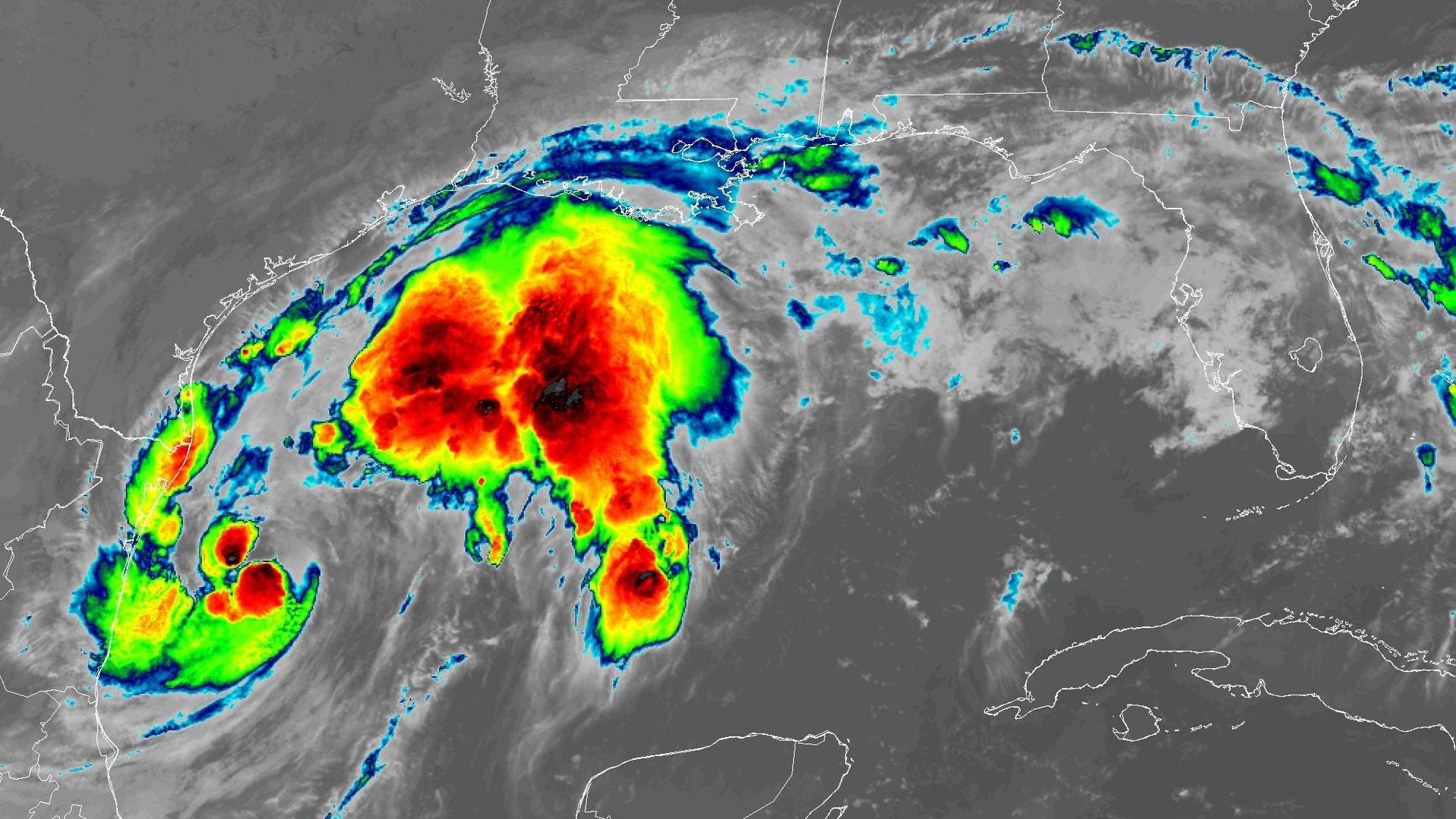
Tropical Storm Francine formed in the southwestern Gulf of Mexico on Monday morning, and is moving toward a likely landfall in central Louisiana as a Category 2 hurricane on Wednesday afternoon and evening.
Threat level: The storm is likely to bring damaging winds, coastal flooding and inland flooding to much of Louisiana and parts of Mississippi.
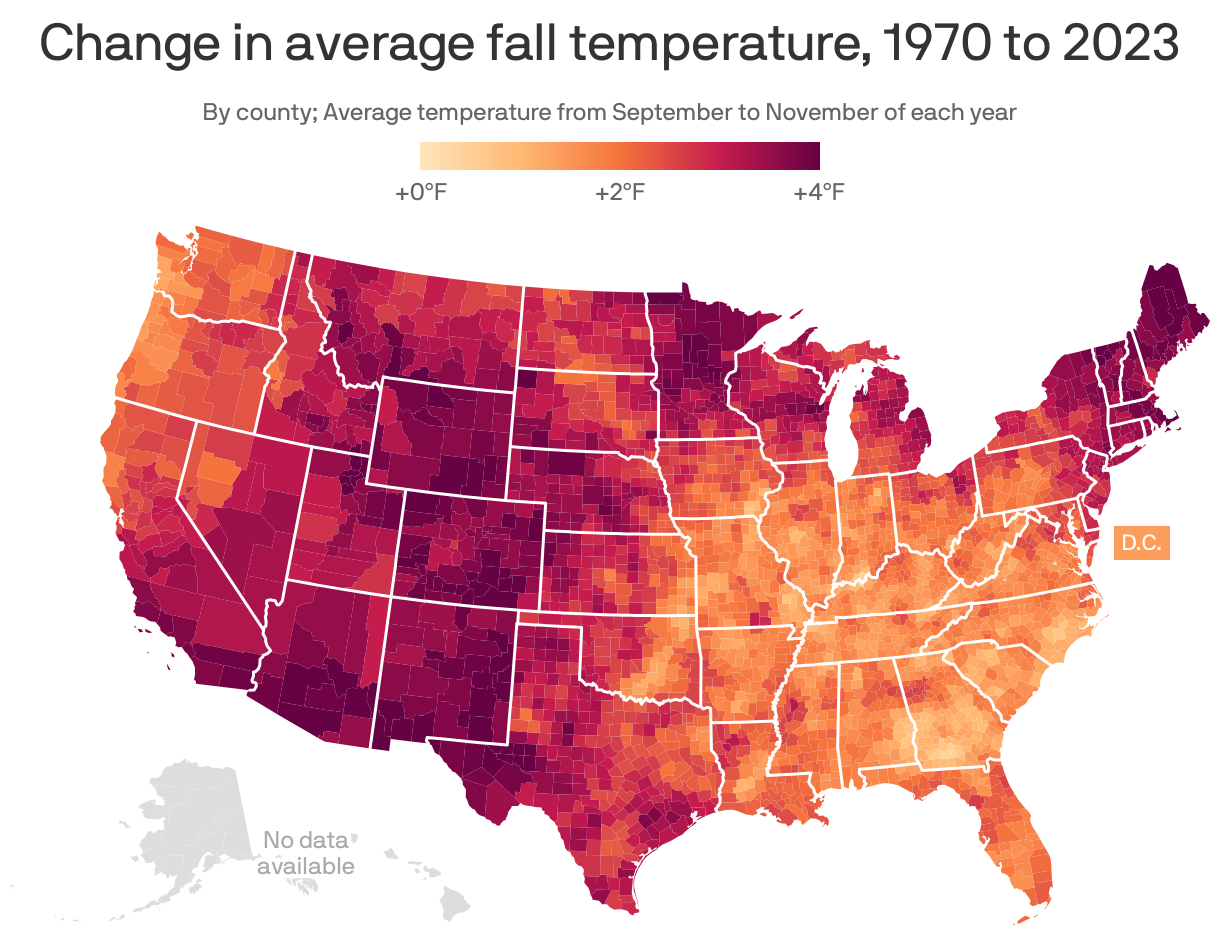
Fall is getting warmer across the continental U.S., a new analysis finds.
Why it matters: Warmer autumns mean more demand for cooling (and thus higher energy use), longer wildfire seasons, big changes for farmers and gardeners, etc.
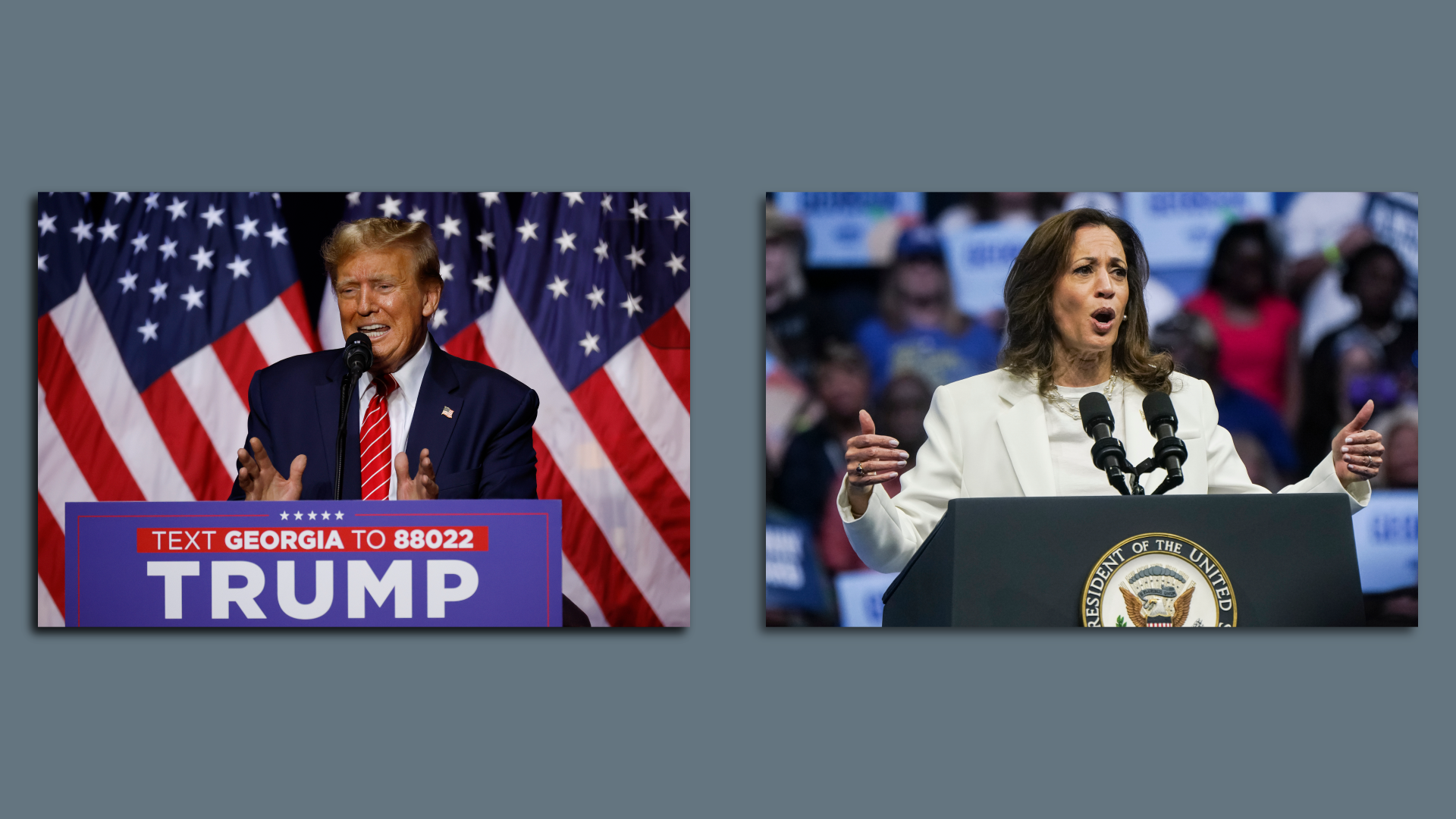
Vice President Kamala Harris and former President Trump are set to face off in their first presidential debate on Tuesday, giving voters a chance to finally compare the them side-by-side.
Why it matters: This is the only presidential debate scheduled between Harris and Trump so far, making it a high-stakes opportunity for both candidates to lay out their priorities as voters begin casting ballots.
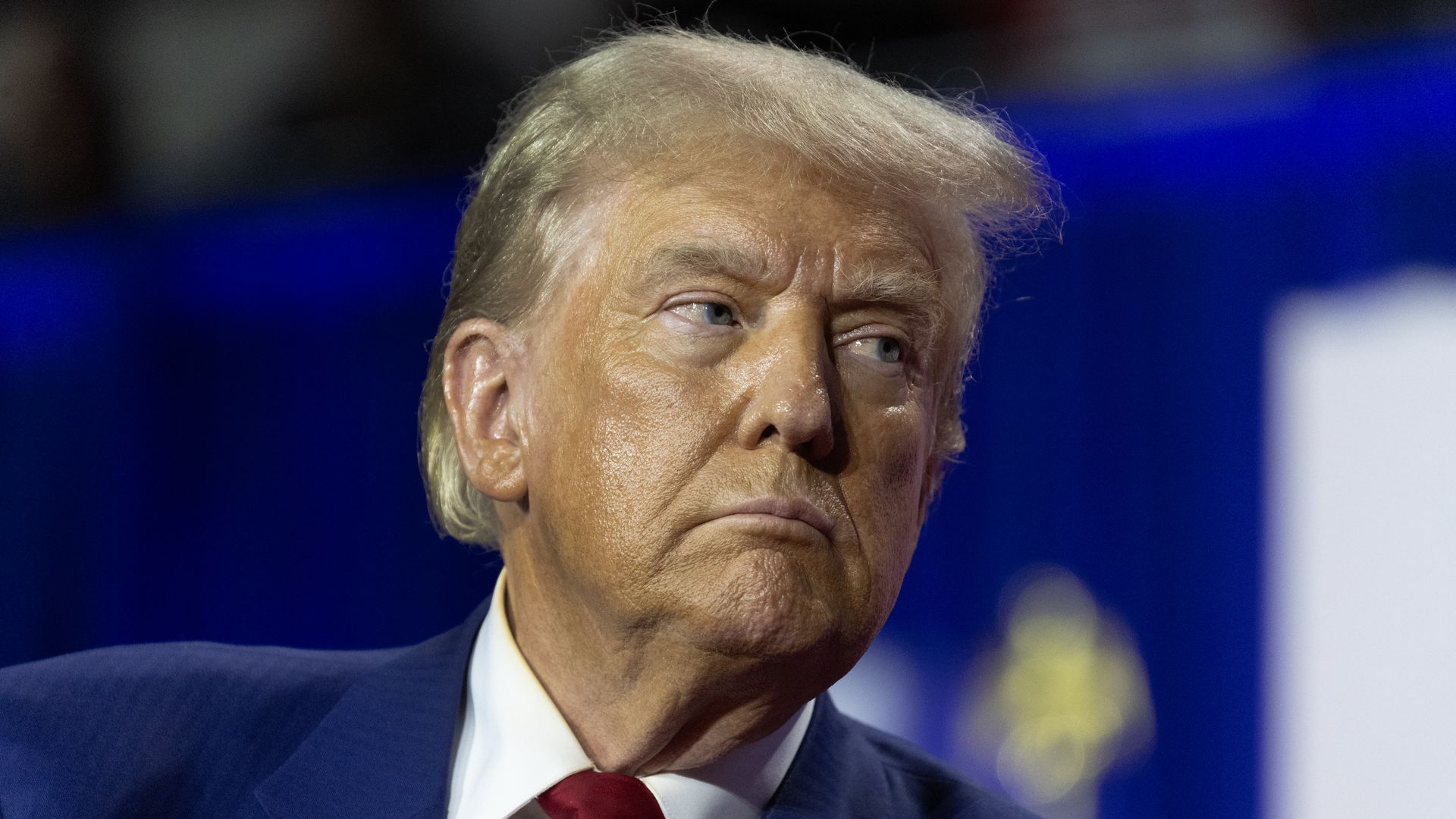
No stranger to bold pledges, former President Trump recently claimed that he could cut Americans' energy costs in half within a year of taking office if he wins re-election in November.
Why it matters: While high energy prices have added to the economic pinch many consumers are feeling, industry experts caution that presidents have limited ability to influence the global oil market.
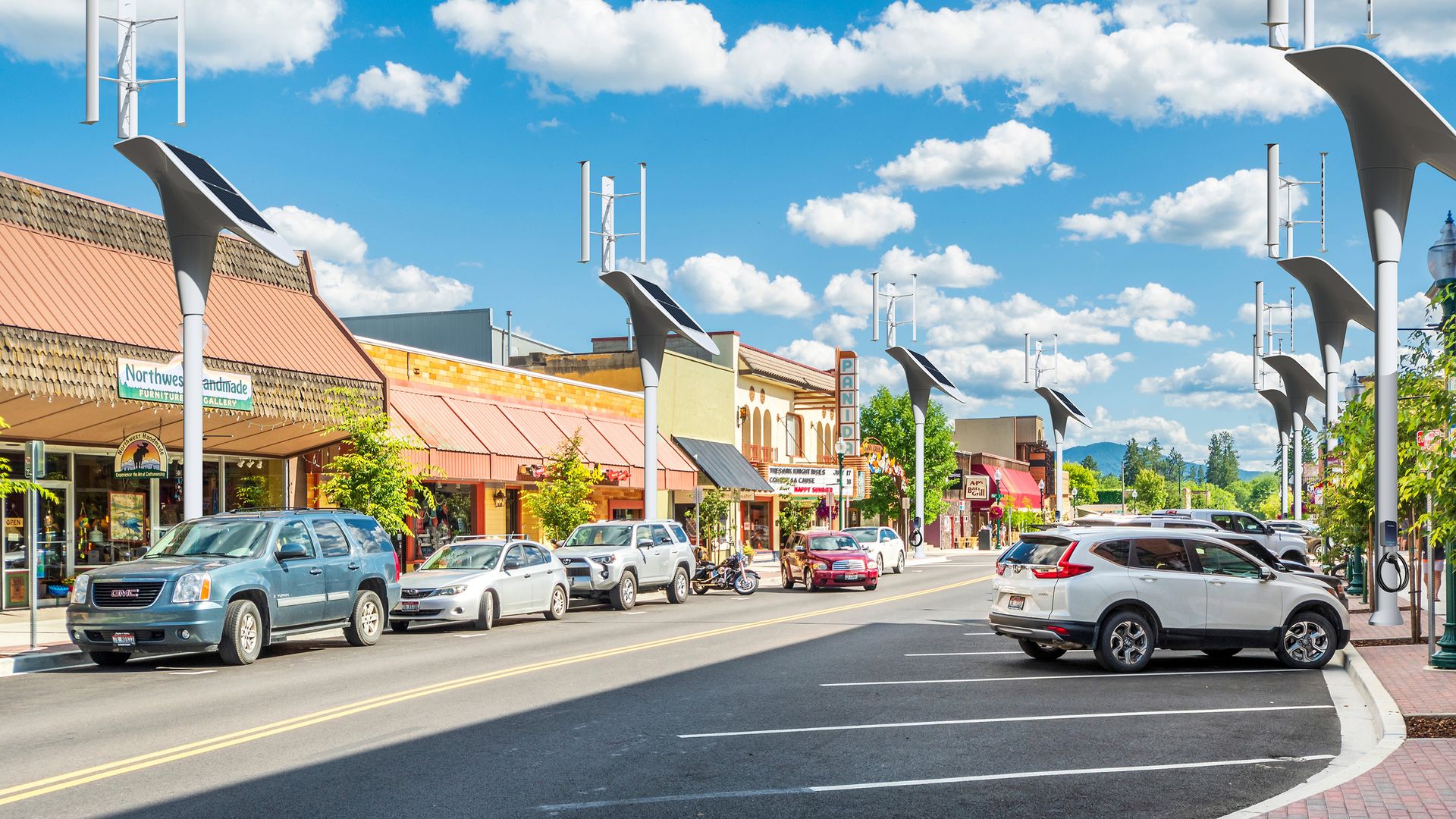
Electric vehicle charging company Beam Global is introducing a patented streetlight-based charging system powered by wind and solar energy.
Why it matters: The company says the chargers minimize the need for disruptive construction and electrical work while providing handy access to charging in public places like apartments, shopping centers, airports and stadiums.
Yes, but: Some communities might not favor the way the 40-foot-tall towers alter the landscape.
How it works: The BeamSpot system doesn't require new or upgraded utility grid circuits, which is often the biggest — and costliest — challenge associated with installing EV charging infrastructure.
Instead, the BeamSpot poles replace traditional streetlights, using existing foundations and grid connections.
A 1 kw solar array and 1 kw wind turbine extending above it supplement the existing grid power by generating electricity that is stored in a 15 kwh battery inside the pole.
The stored energy, coupled with existing grid power, are enough to illuminate the area with a high-lumens, low-energy LED light while also providing "meaningful" EV charging, Beam Global says.
Reality check: Charging speeds are very slow.
Total EV charging power is listed at 5.76 kW, which the company says can deliver up to 220 miles of range in a day.
That trickle speed could make sense for overnight parking at an apartment complex, but wouldn't add much energy to an EV during an hour-long shopping trip.
What they're saying: That's okay, argues Beam Global CEO Desmond Wheatley, who says it's more than enough to replenish an EV's daily range of about 30 miles.
Ultra fast-charging stations aren't necessary in most circumstances, he says.
"What you find is that EV drivers charge their cars like their cell phones, opportunistically," he tells Axios.
The other side: A startup called Gravity, which is also trying to solve urban charging, thinks the better way to go is a network of high-powered curbside chargers that can recharge an EV in as little as five minutes.
Fast curbside charging is critical in urban neighborhoods where there's a shortage of parking, the company says.
The bottom line: There are multiple solutions to EV charging. The one thing everyone can agree is the U.S. needs more of it.