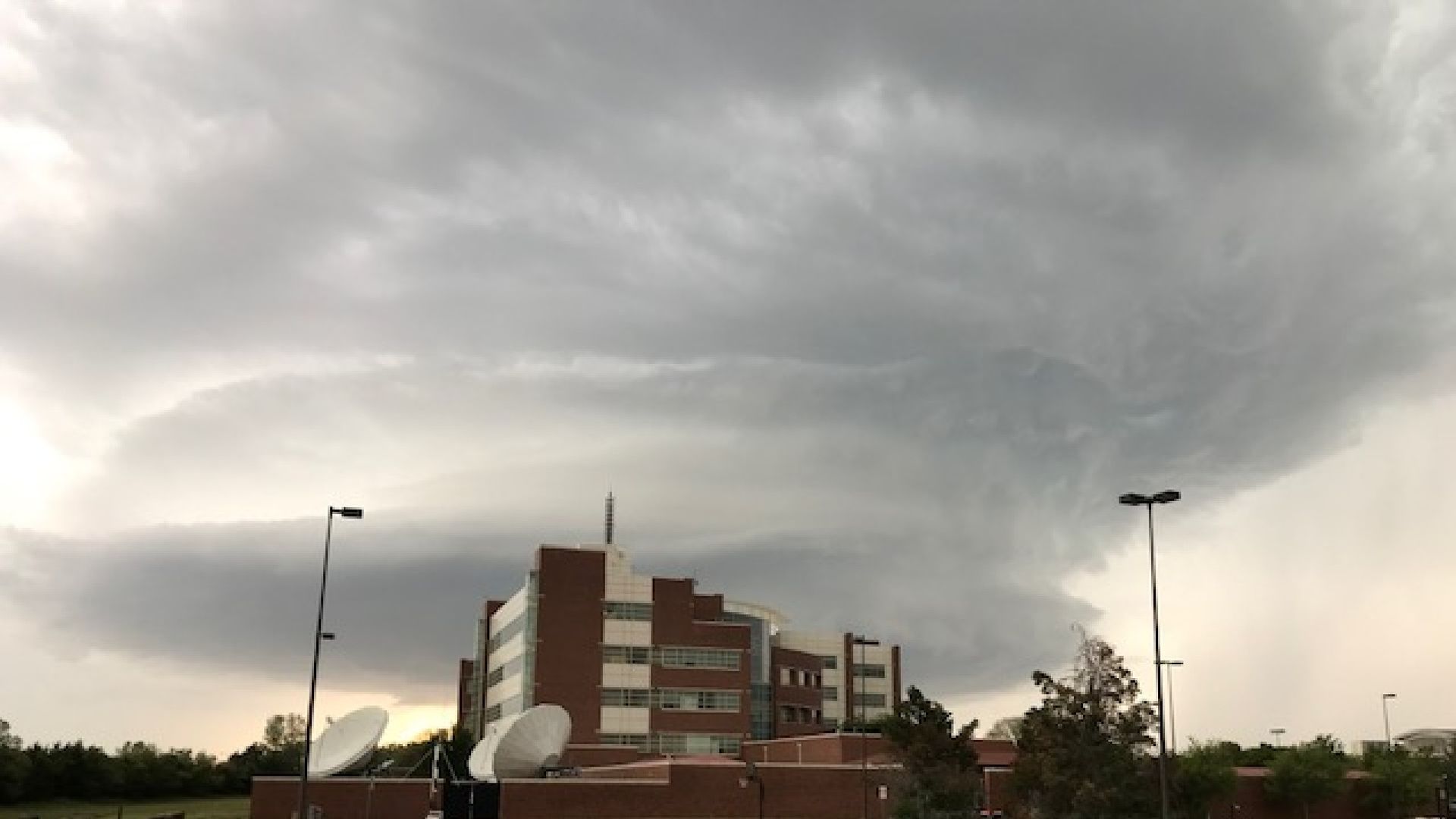
A severe storm system unleashed strong winds and hail over the Central U.S. and spawned several tornadoes from Wednesday night into Thursday morning — including one in Oklahoma that authorities saidkilledat least three people.
The big picture: The National Weather Service issued severe thunderstorm warnings across the region on Wednesday night, along with tornado watches and warnings for six states: Kansas, Missouri,Nebraska, Iowa, Texas and Oklahoma. More storms could affect a broad region on Thursday.
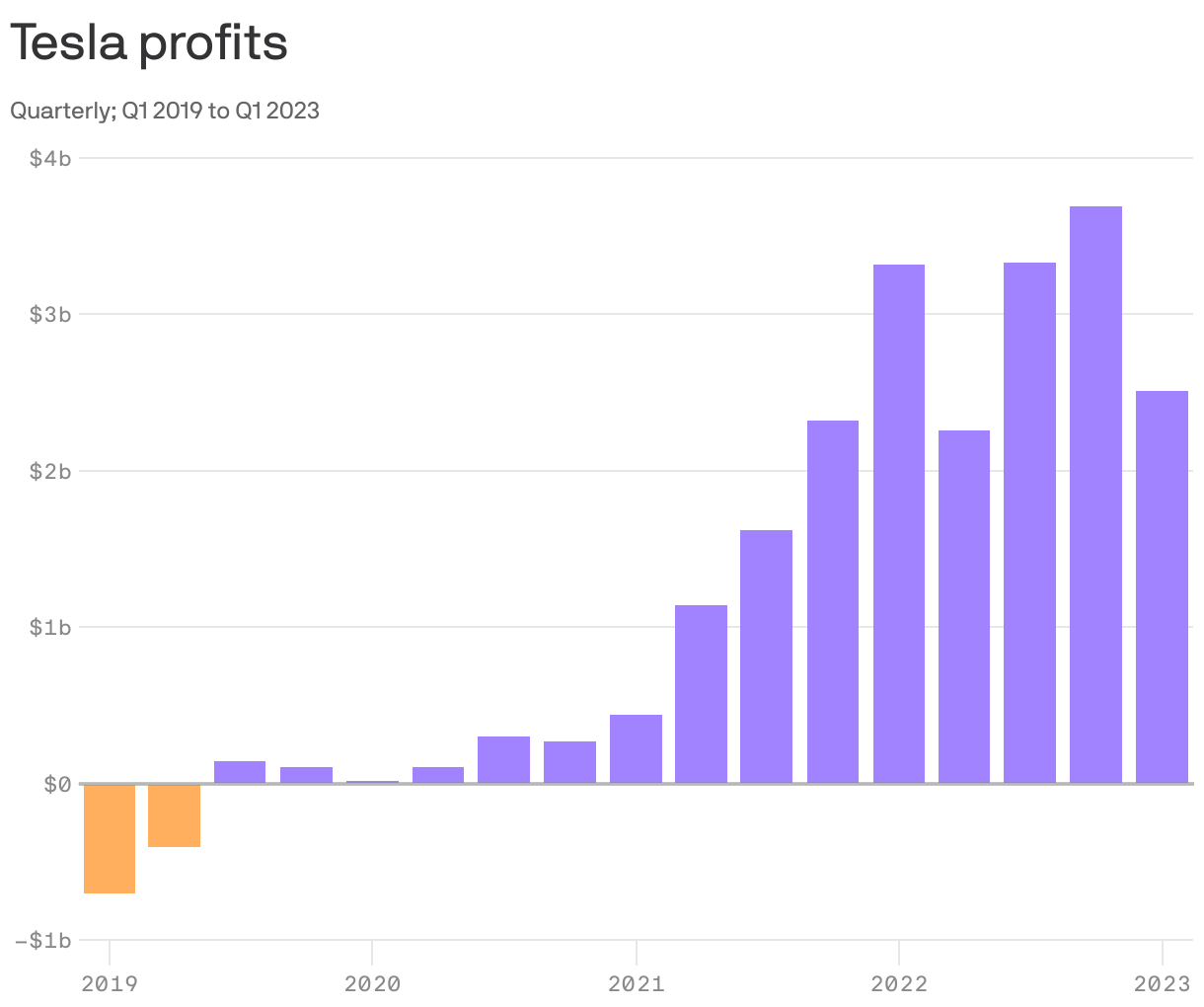
Scenes from a price war: Tesla's profits and margins fell in Q1 as several rounds of price cuts hit the EV maker's financials.
Driving the news: Tesla reported a $2.5 billion Q1 profit and $23.3 billion in revenues (the lion's share from its car business), during a quarter that saw record deliveries.
Huge demands attached to the House GOP's debt ceiling bill are unlikely to succeed, but squint just right and some pieces could form the basis for negotiations.
Driving the news: The Republican leadership's bill to raise the debt limit incorporates their big energy legislation, including provisions to speed energy project permits.
The prominent, early-stageclimate tech VC firm Congruent Ventures has closed a $300 million-plus "Continuity Fund" that will aid companies in its existing portfolio.
Driving the news: Congruent's third fund is aimed at startups that are "scaling gracefully, both in terms of revenue and capital allocation," co-founder and managing partner Abe Yokell said in an interview.
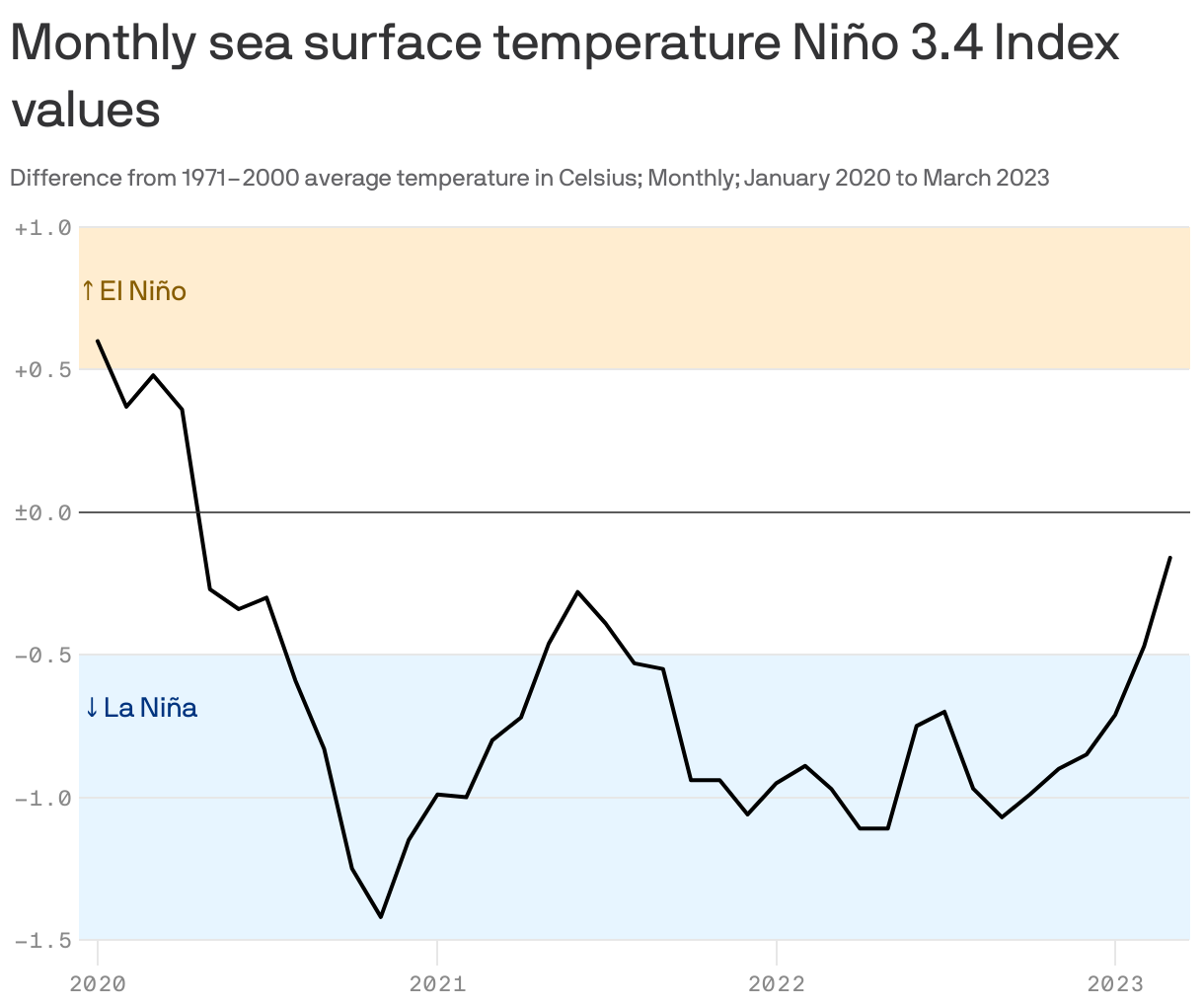
A double whammy of natural climate cycles and human-caused climate change will likely make next year Earth's warmest on record, climate experts tell Axios.
The big picture: Forecasters now expect that a moderate El Niño, the climate pattern characterized by warmer-than-usual sea surface temperatures, will develop this summer, bringing sweeping shifts to weather patterns worldwide.
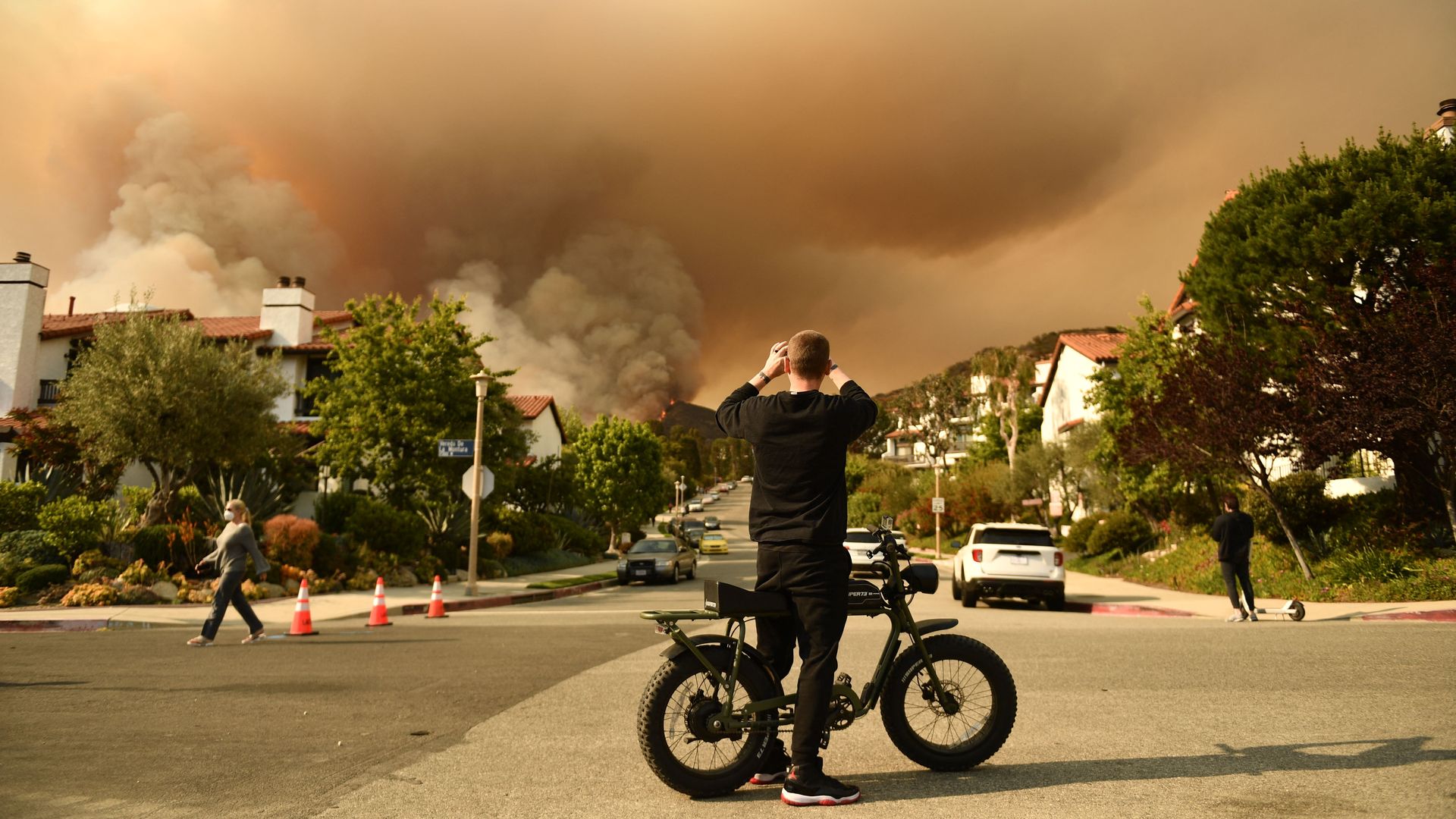
Unhealthy air pollution levels affect more than a third of all U.S. residents, according to an annual report published Wednesday.
The big picture: That's 17.6 million fewer people than in the American Lung Association's previous "State of the Air" report.
Yes, but: The ALA notes in an accompanying statement that the number of people facing "daily spikes in deadly particle pollution was 63.7 million, the most ever reported under the current national standard."