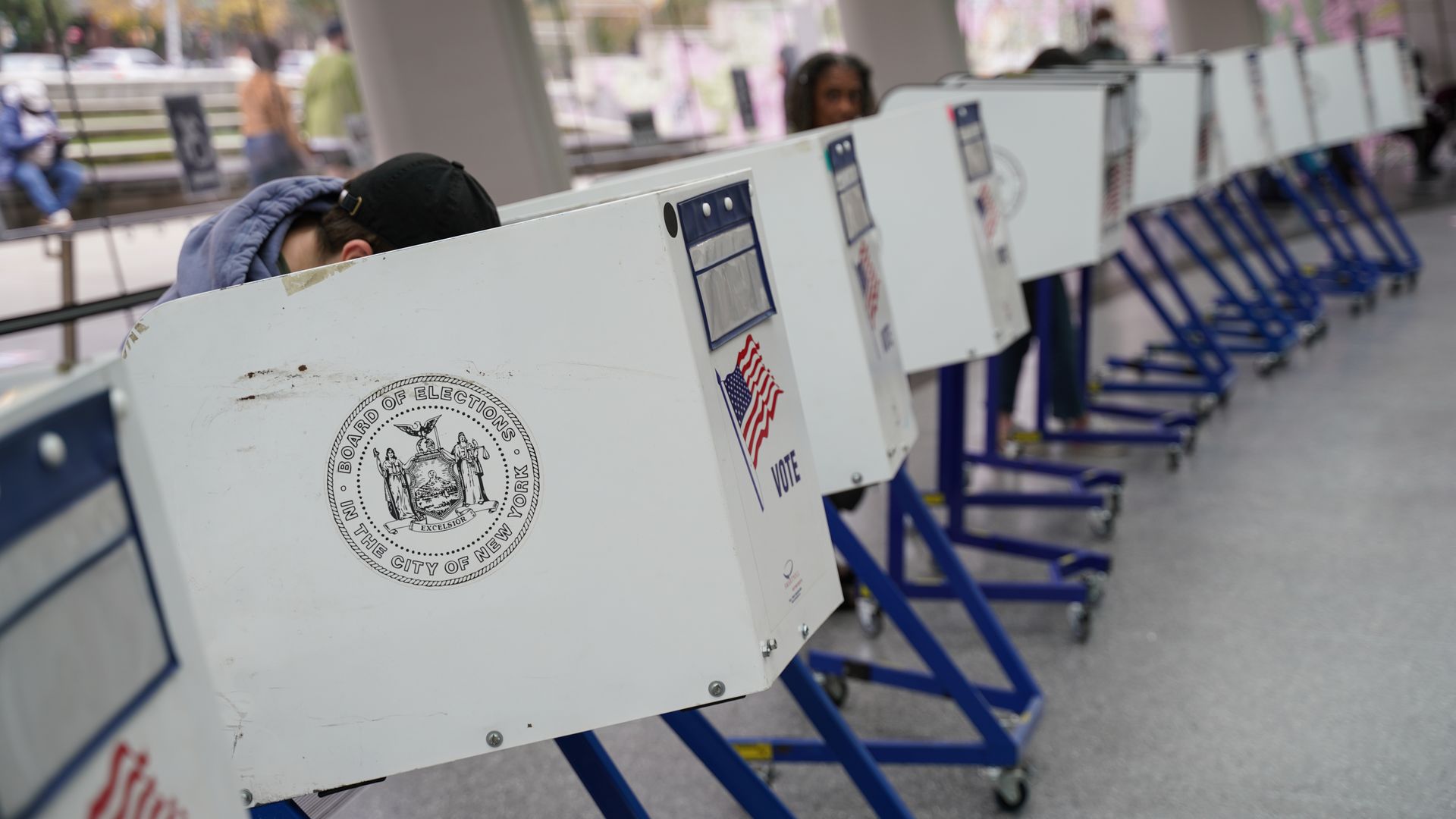
New York and California voters had different stances on climate-related ballot measures in the midterm elections this year.
Why it matters: New York will have more than $4 billion in new climate change-related funding after approving its proposal, whereas California won't move to tax the rich to increase funds for environmentally-friendly production.
The U.S. is teaming up with philanthropic and corporate heavyweights to pitch a new — but controversial — carbon credit system to boost private finance for low-carbon energy in developing nations.
Driving the news: On Wednesday, U.S. climate envoy John Kerry — along with the Rockefeller Foundation and the Bezos Earth Fund — unveiled plans for the "Energy Transition Accelerator" at the COP27 summit.
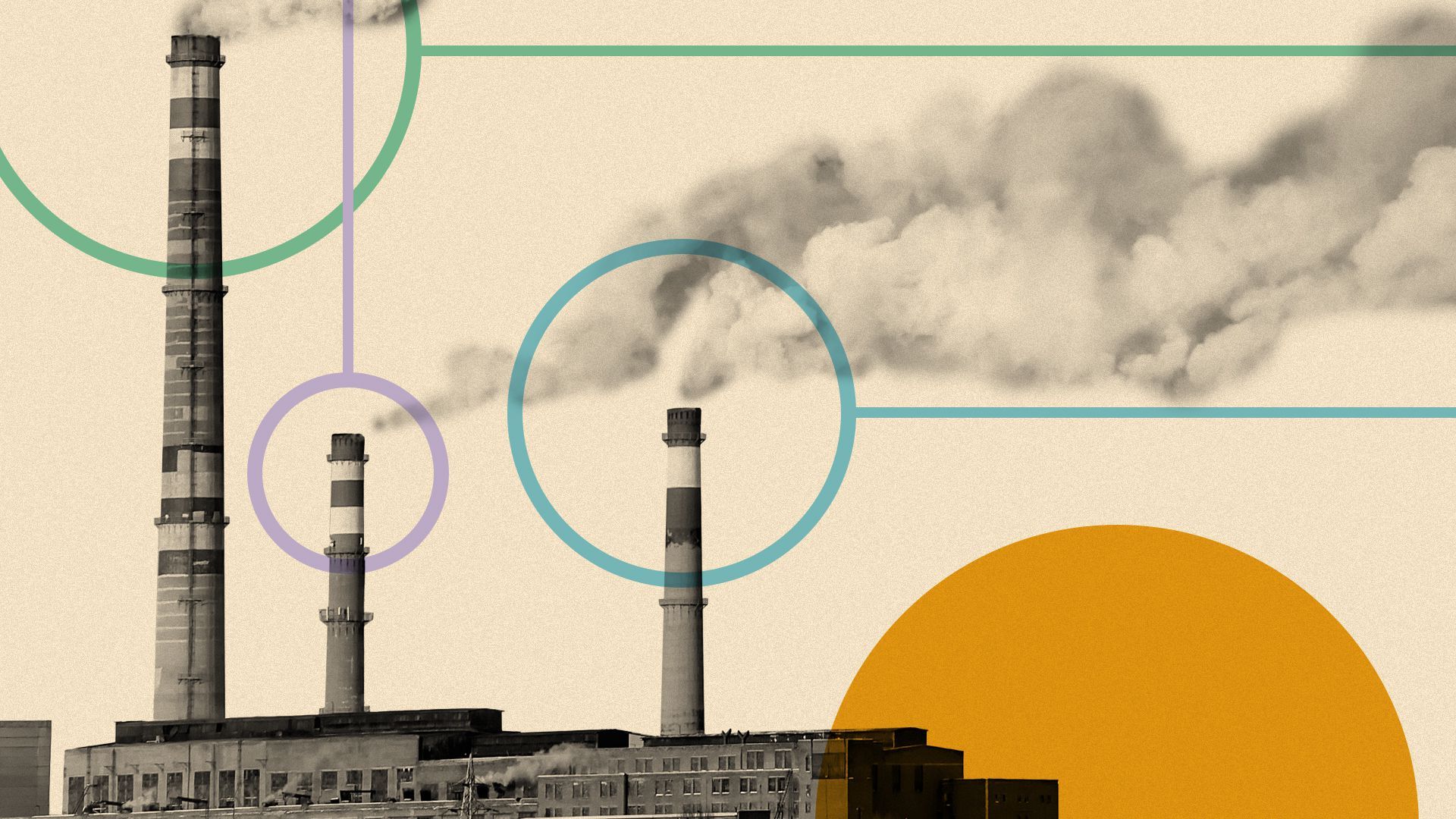
A coalition of groups using satellite observations, artificial intelligence and machine learning revealed on Wednesday the most comprehensive facility-level accounting of global carbon emissions.
Why it matters: The information can be used by regulators, journalists and investors to put pressure on governments and corporations to cut their emissions.
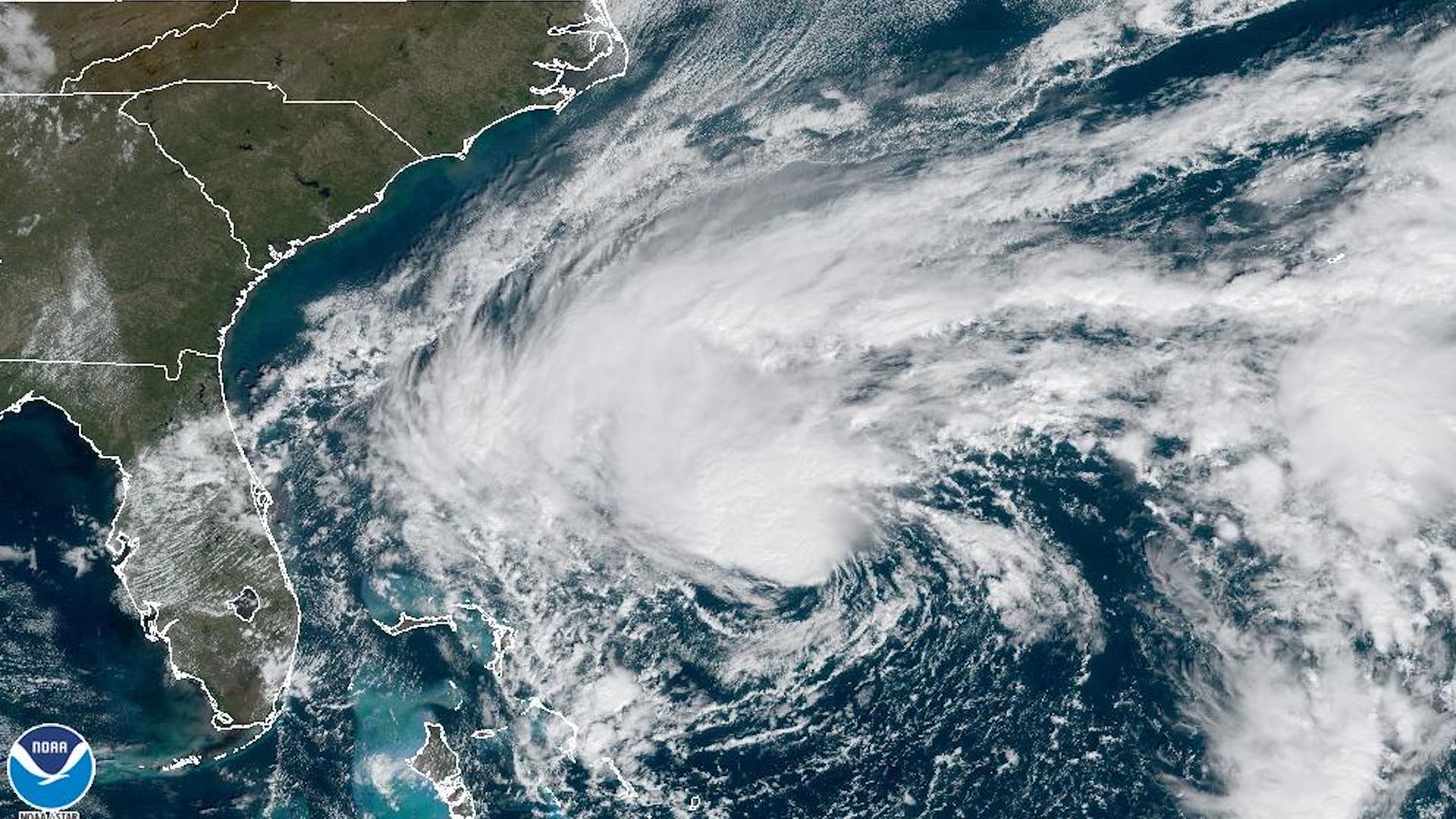
Tropical Storm Nicole, currently spinning northeast of the Bahamas, is intensifying and is forecast to strike Florida as a hurricane late Wednesday.
Why it matters: The storm's large size, combined with an area of high pressure to its north, is likely to make it a far-reaching, high-impact event with damaging coastal flooding, dangerous winds and heavy rainfall across a broad region.
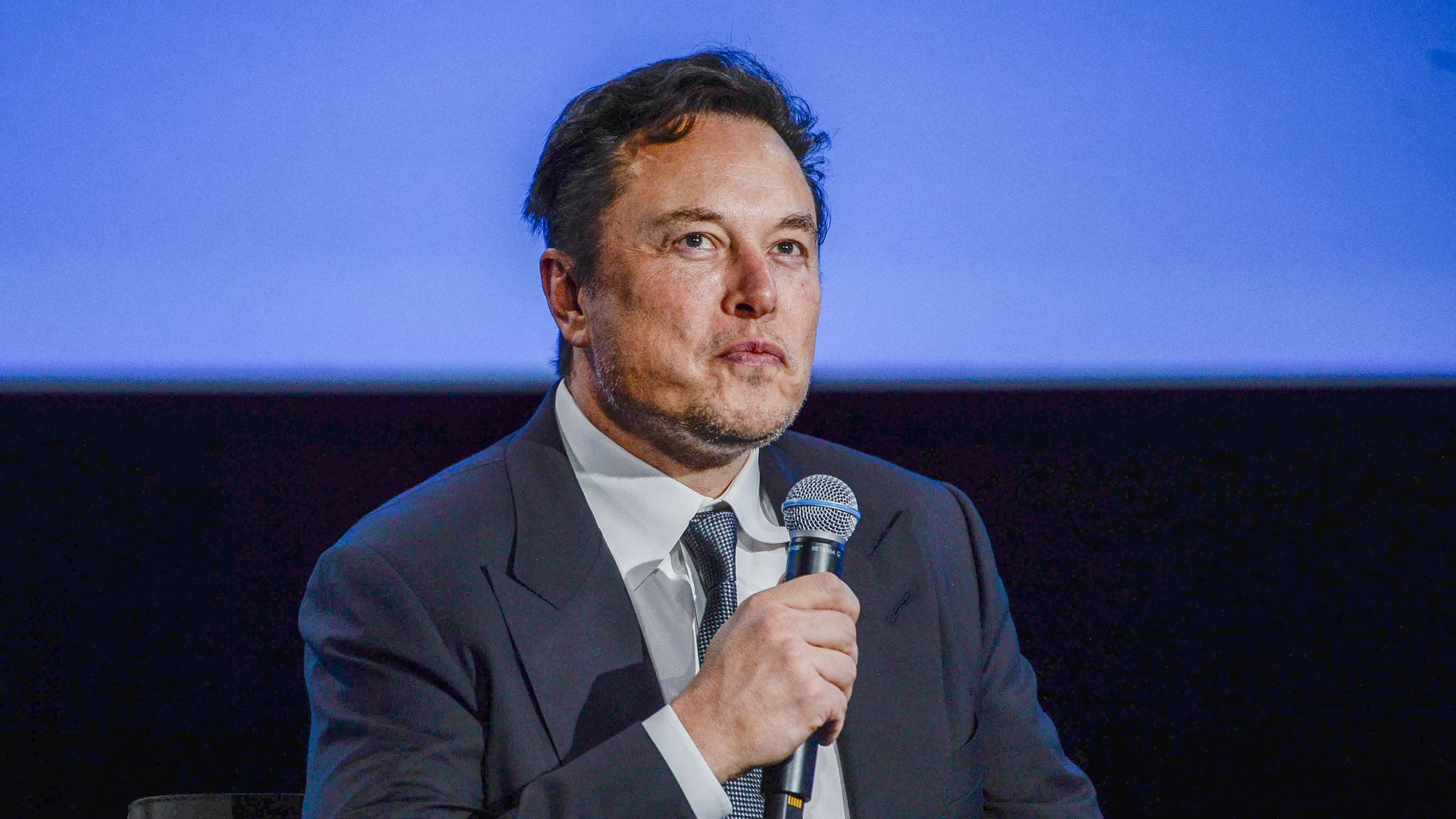
Context: Tesla's stock is down 52% so far this year. The electric vehicle company's market cap has fallen below $600 billion for the first time since June last year.
Driving the news: NASA had aimed to launch the rocket on Nov. 14, but moved that date to Nov. 16, "pending safe conditions for employees to return to work, as well as inspections after the storm has passed," per a statement from the space agency.
A UN panel rolled out a host of guidelines that would define credible net zero emissions targets and set out checklists for companies and cities to meet.
The big picture: The report, which was delivered to UN United Nations Secretary-General António Guterres at COP27 Tuesday morning, aims to bring order and clarity to the murky and confusing world of net zero target-setting and avoid greenwashing.
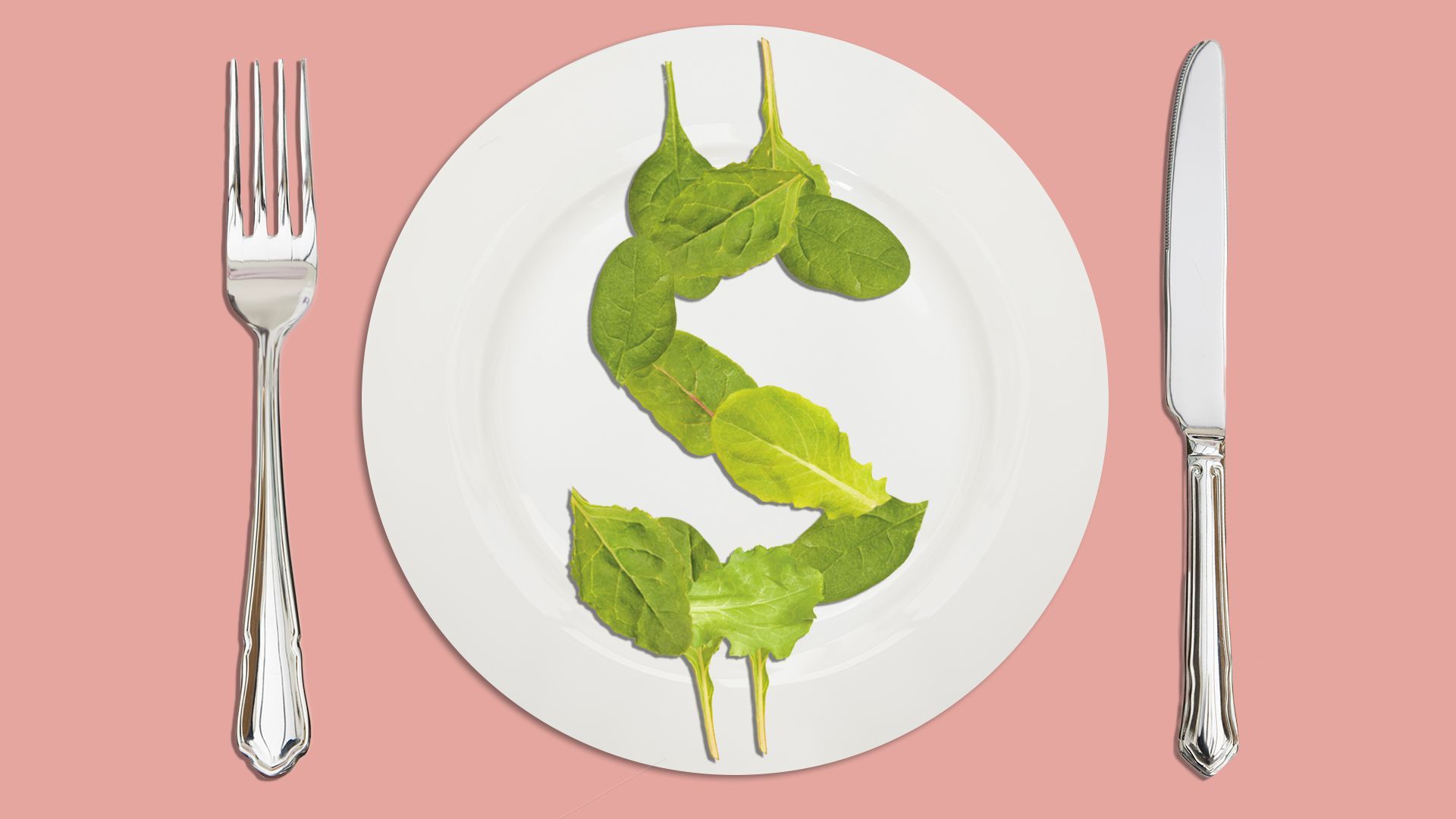
Hydroponic lettuce grown indoors, long regarded as niche, is edging into the mainstream as climate change hits outdoor growers and the salad-lovers who depend on them.
Greenhouses enable "proximity growing" — a hot industry term — where lettuces are shipped shorter distances to markets, saving on freight costs and emissions.
The U.S. needs to make much bigger greenhouse gas emissions cuts to meet the Biden administration's climate goal of realizing a net-zero economy by 2050, a new government report warns.
Why it matters: The National Climate Assessment is a congressionally mandated report that's the most comprehensive and authoritative federal climate analysis of the U.S. region by region, with specific projections for economic sectors and ecosystems.