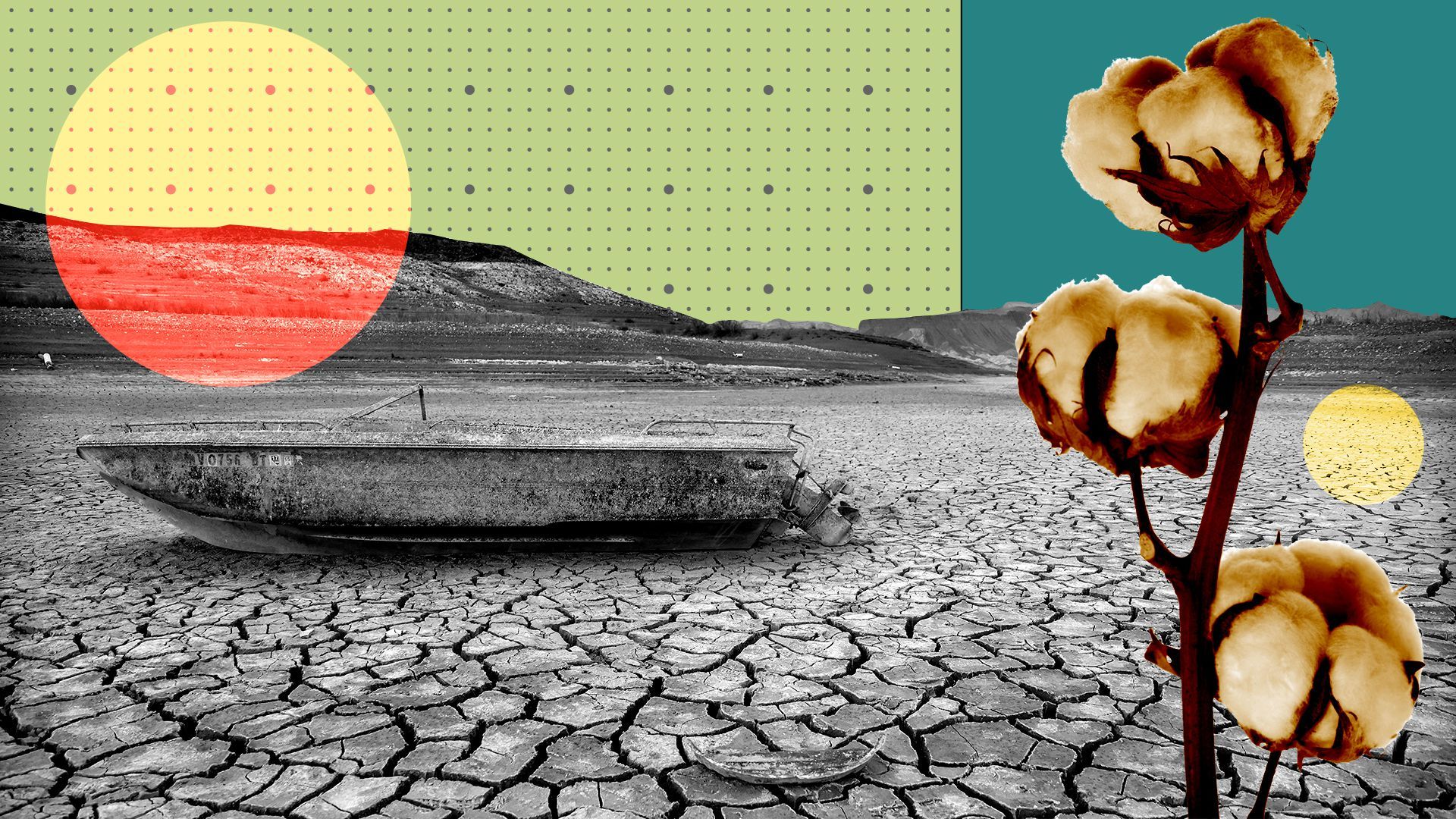
Farmers across the U.S. are turning to new tools, tactics and even crops in an effort to weather the impacts of a changing climate.
The big picture: Extreme weather events are wreaking havoc on U.S. farmers, squeezing an industry already battling Mother Earth's normal whims and slim margins.
Last month, Chicago Mayor Lori Lightfoot released a new Climate Action Plan for the city with 51 goals to be met — the fourth such plan to be introduced by three Chicago mayors over a little more than a decade.
Why it matters: In cities like Chicago, when climate goals are rewritten every time there's a change in leadership, continuity and accountability can get complicated, if not lost.
Arizona and the other six Western states that are part of the Colorado River Basin are in the midst of a 22-year "megadrought" that ranks as the region's worst in 1,200 years.
Why it matters: If the situation worsens, restrictions on outdoor residential water use could be only a couple of years away, Arizona Department of Water Resources director Tom Buschatzke tells Axios.
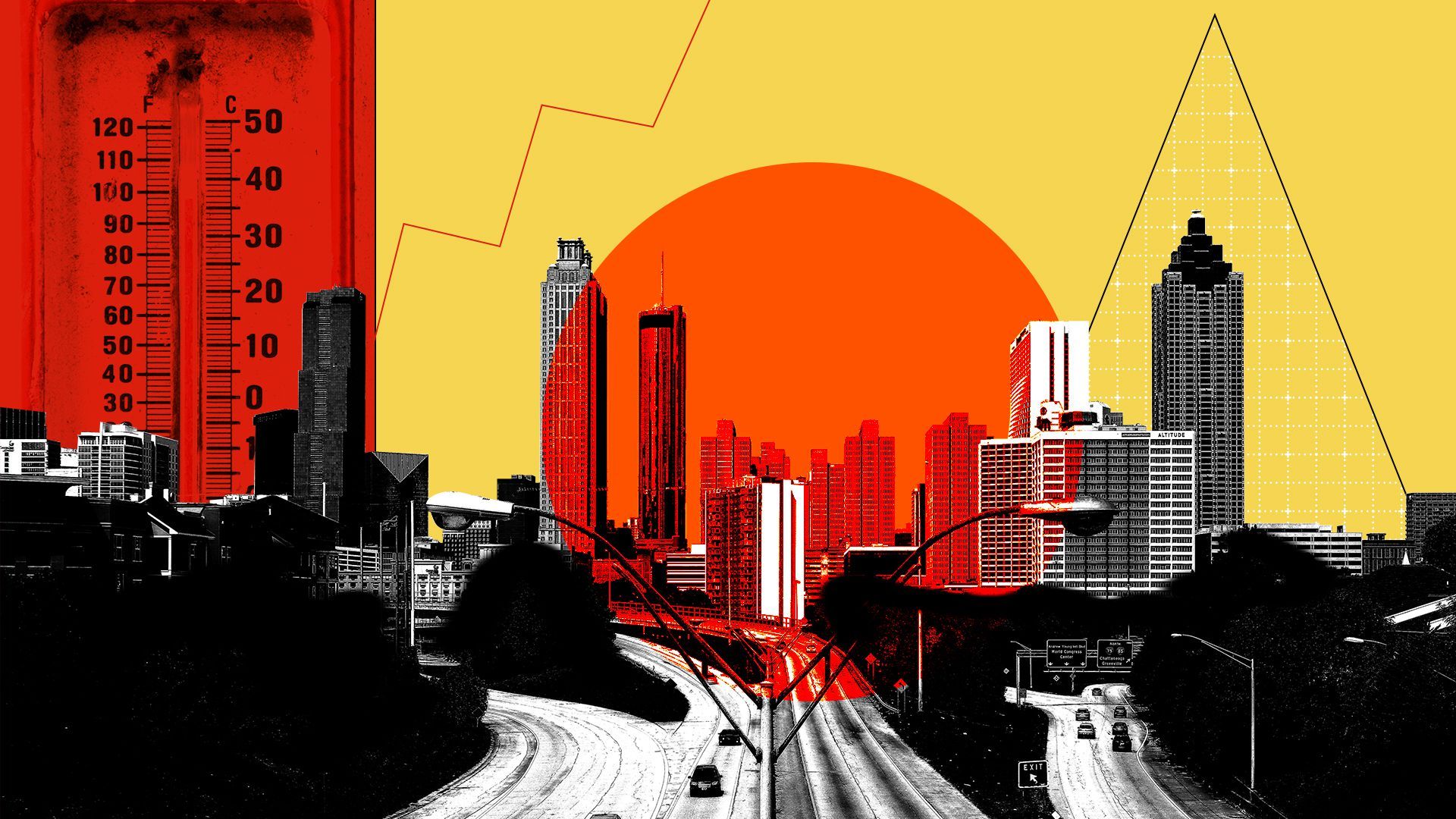
People living on low incomes in cities will bear the brunt of climate change's scorching temperatures and urban flooding, widening the vulnerability gap between the rich and the poor.
That reality is presenting a new challengeto cities like Atlanta, where city officials and climate advocates are pushing to make homes more energy-efficient, plant trees and redesign roads and parks to more easily withstand floods.
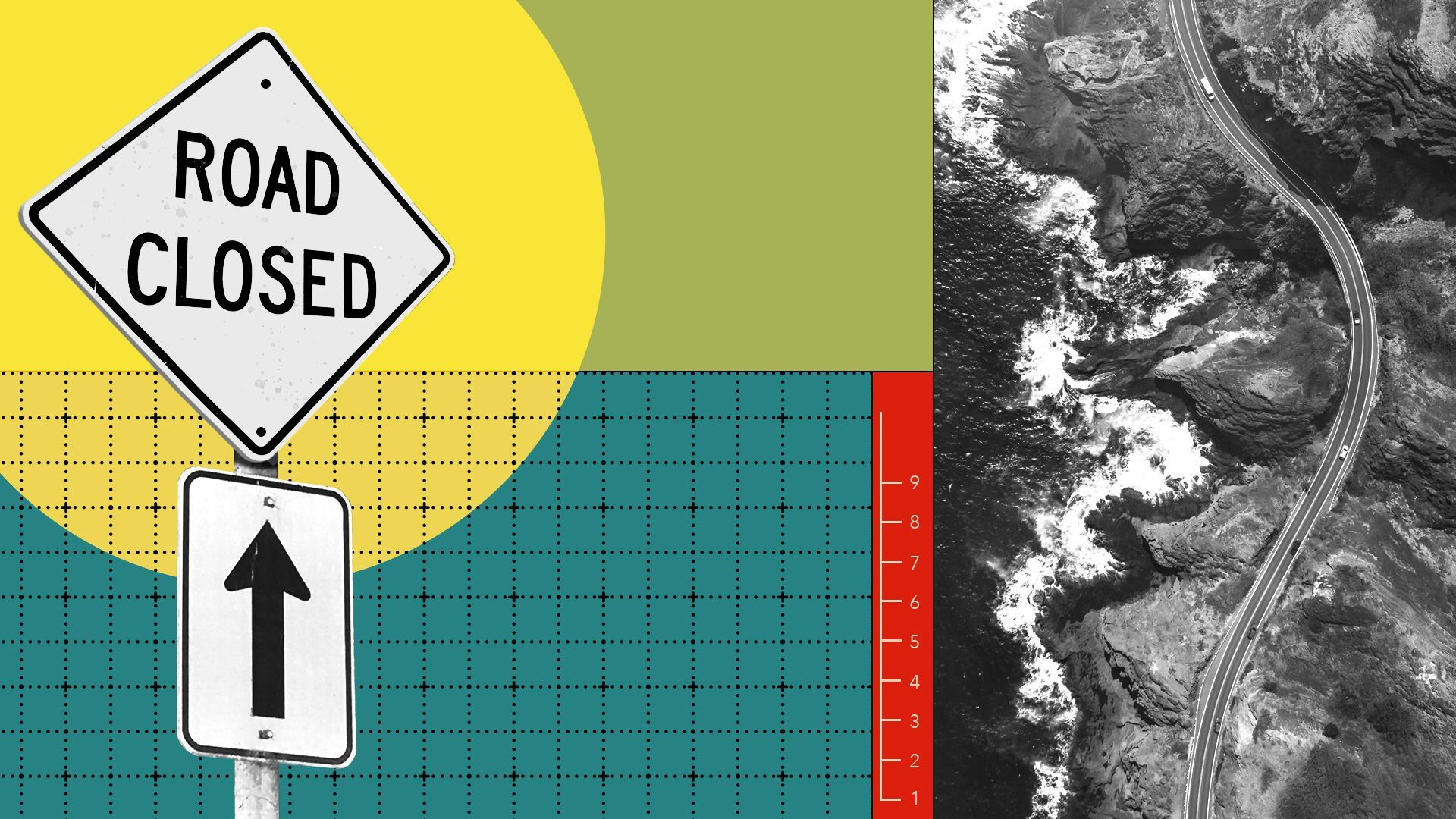
The city of San Francisco has imminent plans to shut down nearly 1 mile of its heavily trafficked roadway bordering the Pacific Ocean, due to erosion concerns from rising sea levels.
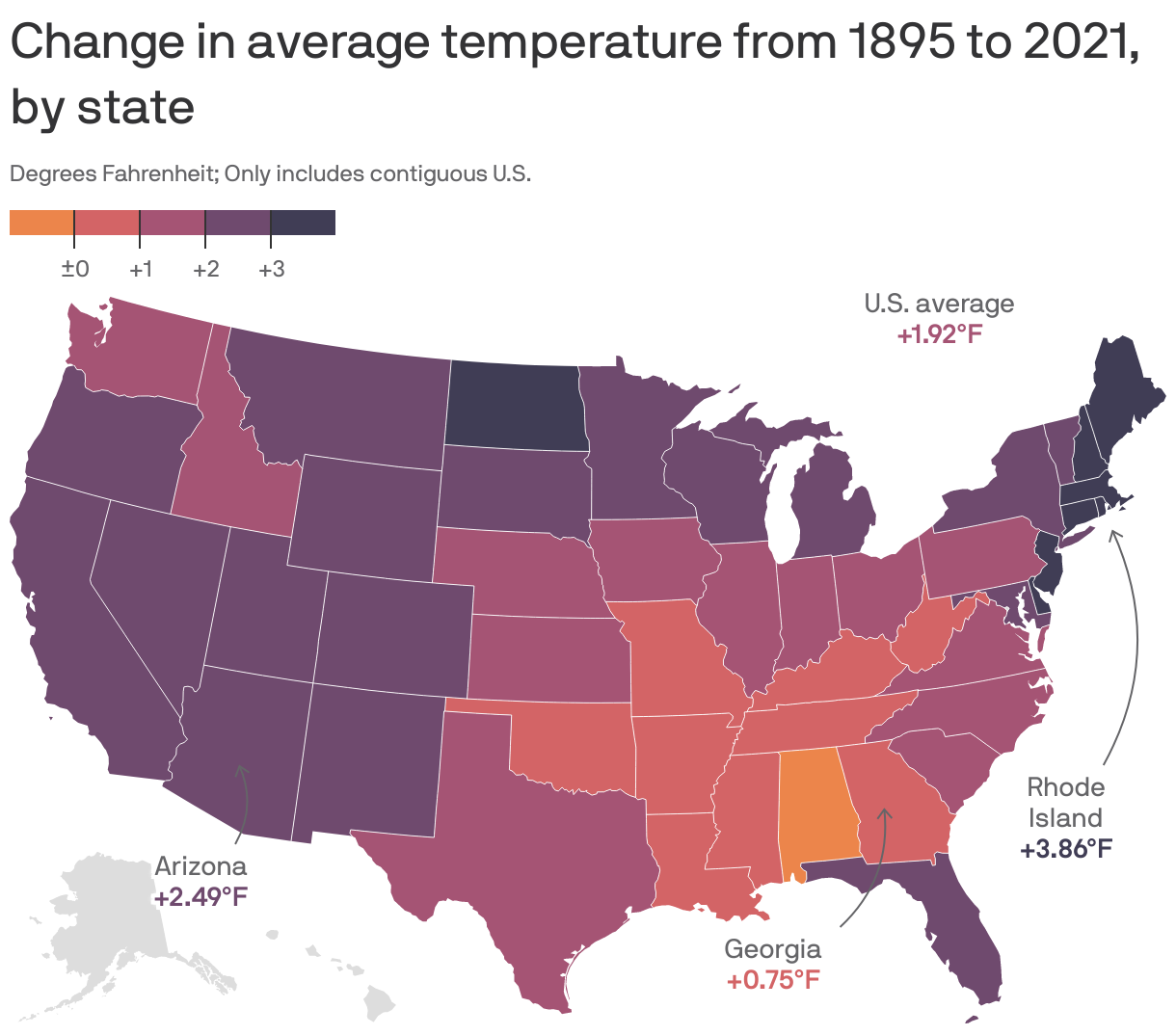
Data: NOAA; Map: Thomas Oide and Erin Davis/Axios Visuals
Climate change is often cast as a global issue. But in reality, it's already affecting each of us in our backyards.
Why it matters: The more people see the impact on their own lives, the more likely it is that they'll look for things they can do about it — from the candidates and policies they support to the personal changes they can make.
Good afternoon, and welcome to the latest installment of our Climate Truths Deep Dive series. In this edition, we're looking at the local impact of climate change and how communities and leaders across the country are responding.
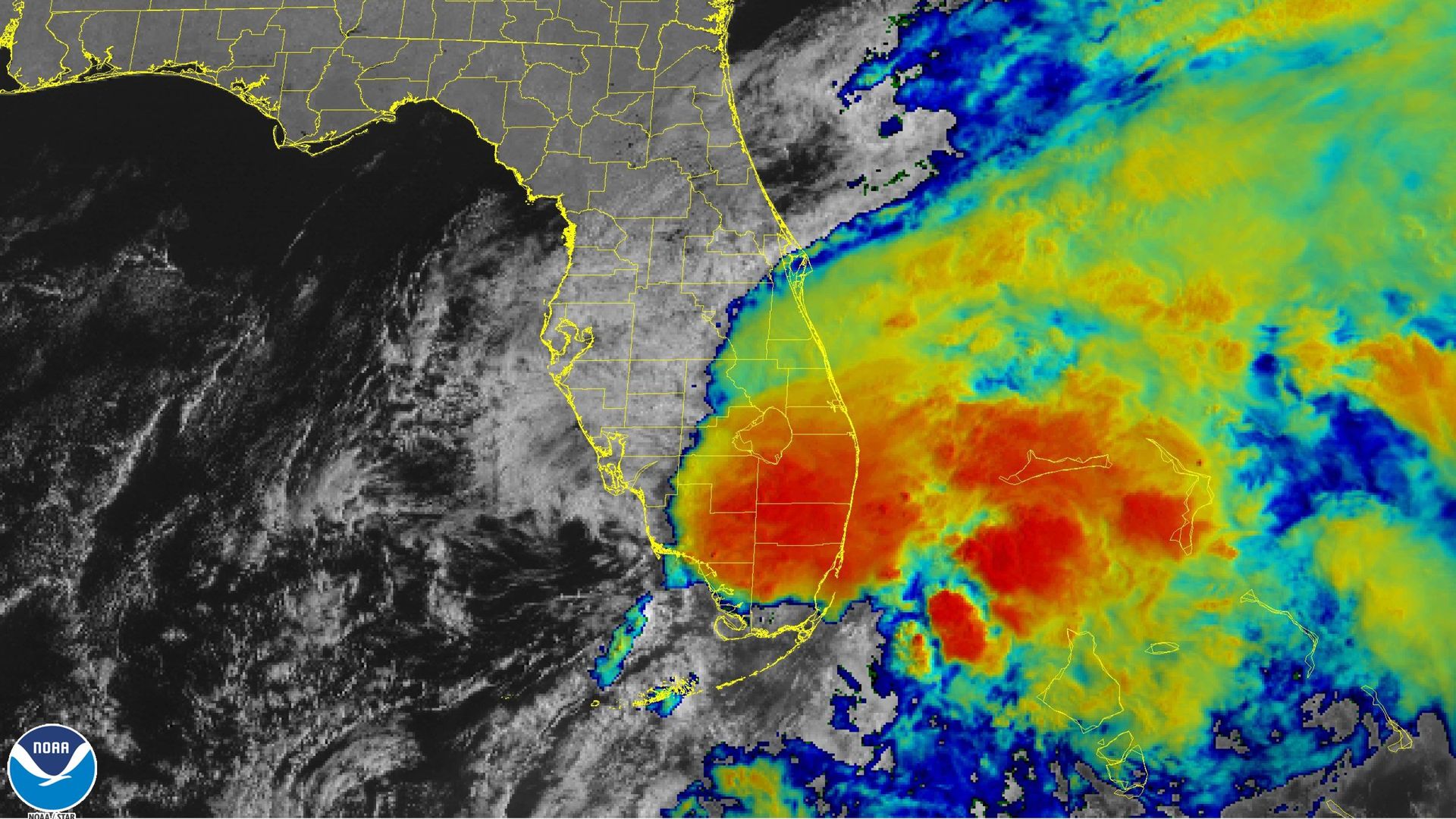
A tropical storm system pounded Southern Florida with rain on Saturday, triggering flash flooding warnings for the Miami area, according to the National Weather Service (NWS).
The latest: Over 11 inches of rain were measured in gauges in Miami as of Saturday morning. The downpour flooded roads and created dangerous conditions for motorists.
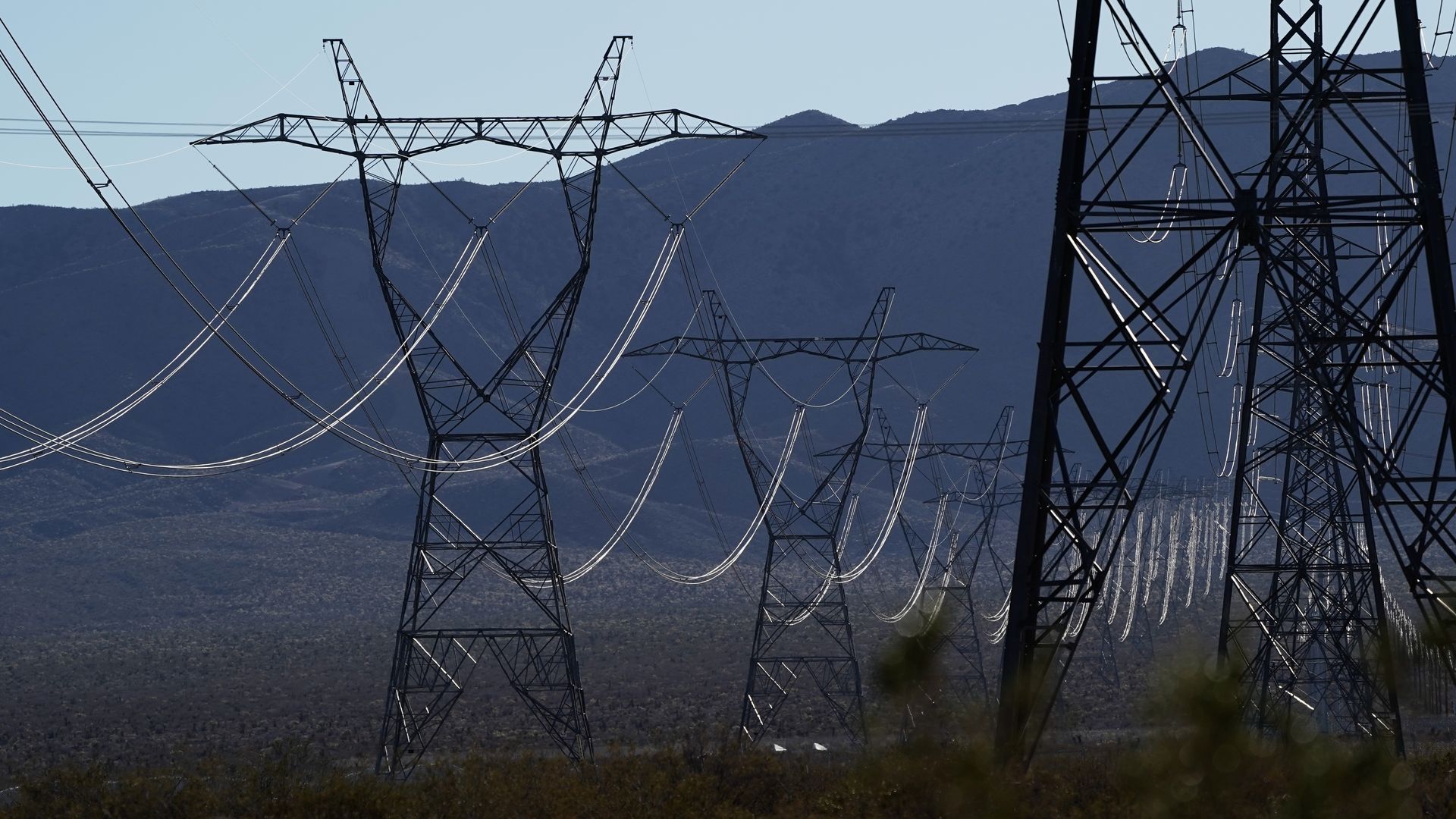
Officials and power operators in a swath of Western and Midwestern states are bracing the public for blackouts this summer caused by higher-than-average temperatures and a human-caused extended drought.
Why it matters: Heat waves and drought conditions strain power grids and available electricity supplies by increasing demand, making hydroelectric power less reliable and raising the risk of wildfires, which can damage energy infrastructure.
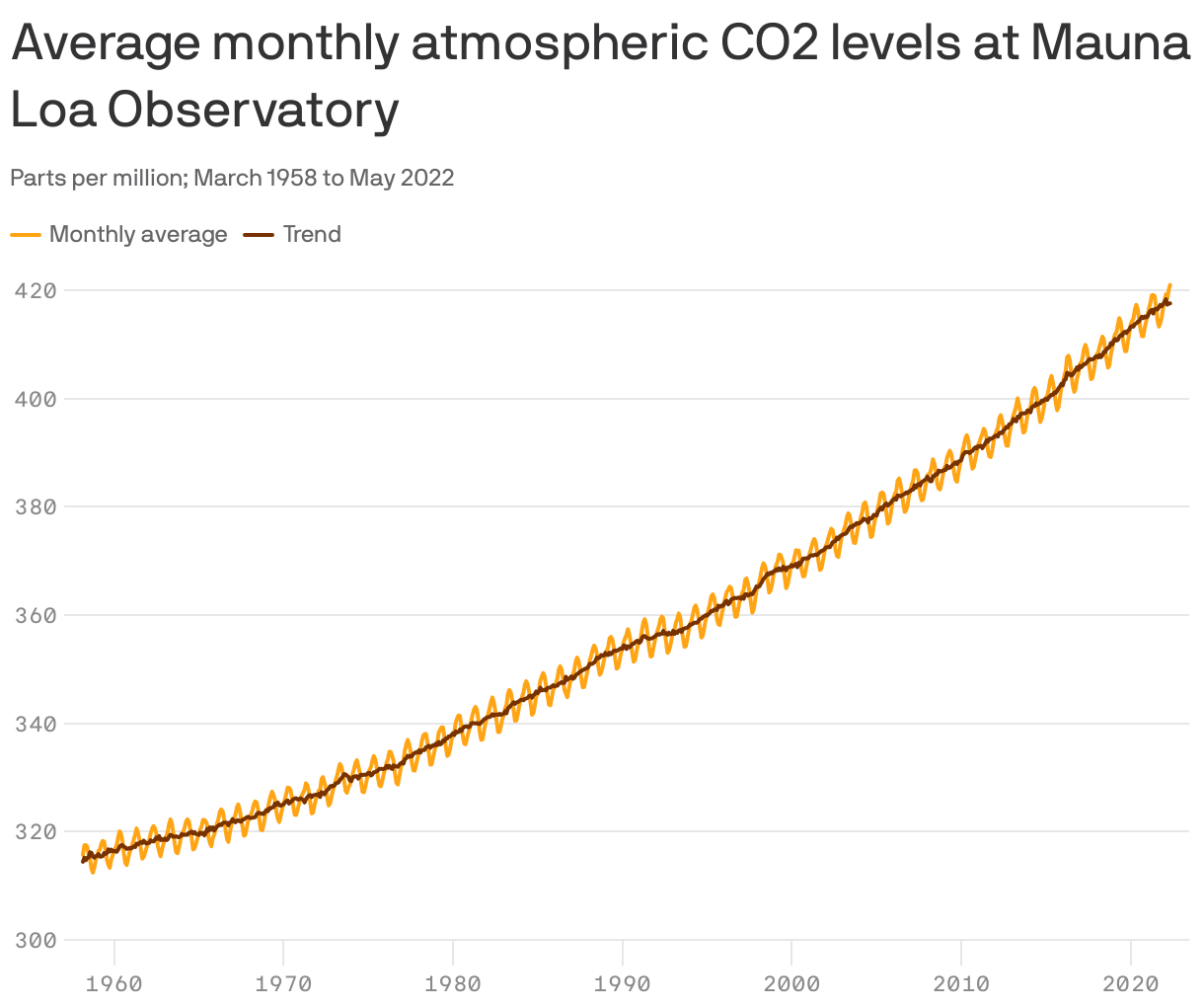
Data: NOAA and the Scripps Institution of Oceanography; Chart: Thomas Oide/Axios
The level of carbon dioxide, a long-lived gas that warms the planet, in Earth's atmosphere hit a new official record this spring and is now more than 50% higher compared to preindustrial times, new data released Friday shows.
Why it matters: Carbon dioxide levels rose to a peak of 421 parts per million in May, for the highest level in human history, according to the National Oceanic and Atmospheric Administration and the Scripps Institution of Oceanography. The increase compared to 2020 was 1.8 ppm, a slight drop from last year.
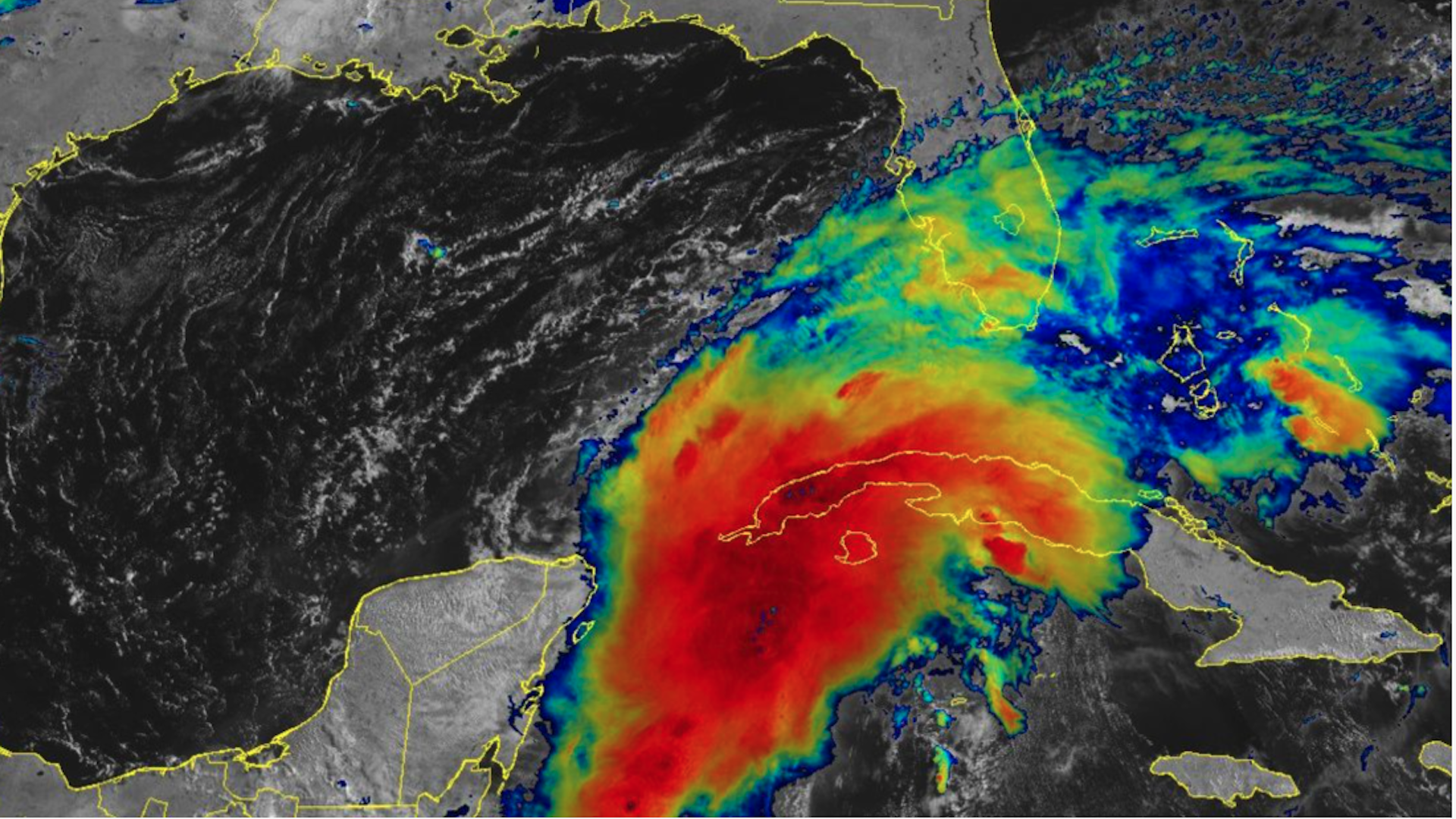
A tropical weather system forecast to become Tropical Storm Alex will bring heavy, flooding rainfall and strong winds to the Florida Keys and South Florida, including metro Miami, Fort Lauderdale and West Palm Beach, through Saturday.
Why it matters: The heavy rains, which will also extend up the west coast of the state into Fort Myers and possibly Tampa, are likely to lead to widespread, life-threatening flash flooding. This will be the case regardless of whether the storm earns the name Tropical Storm Alex.
The White House had rather nice things to say about Saudi Arabia's role in the OPEC+ decision to unexpectedly speed oil output increases, but don't look for the new barrels to greatly cool off the market.
Catch up fast: OPEC, Russia and allied producers agreed Thursday to boost production by roughly 650,000 barrels per day in July and August, rather than 432,000 envisioned in the ongoing restoration of pandemic-related output cuts.
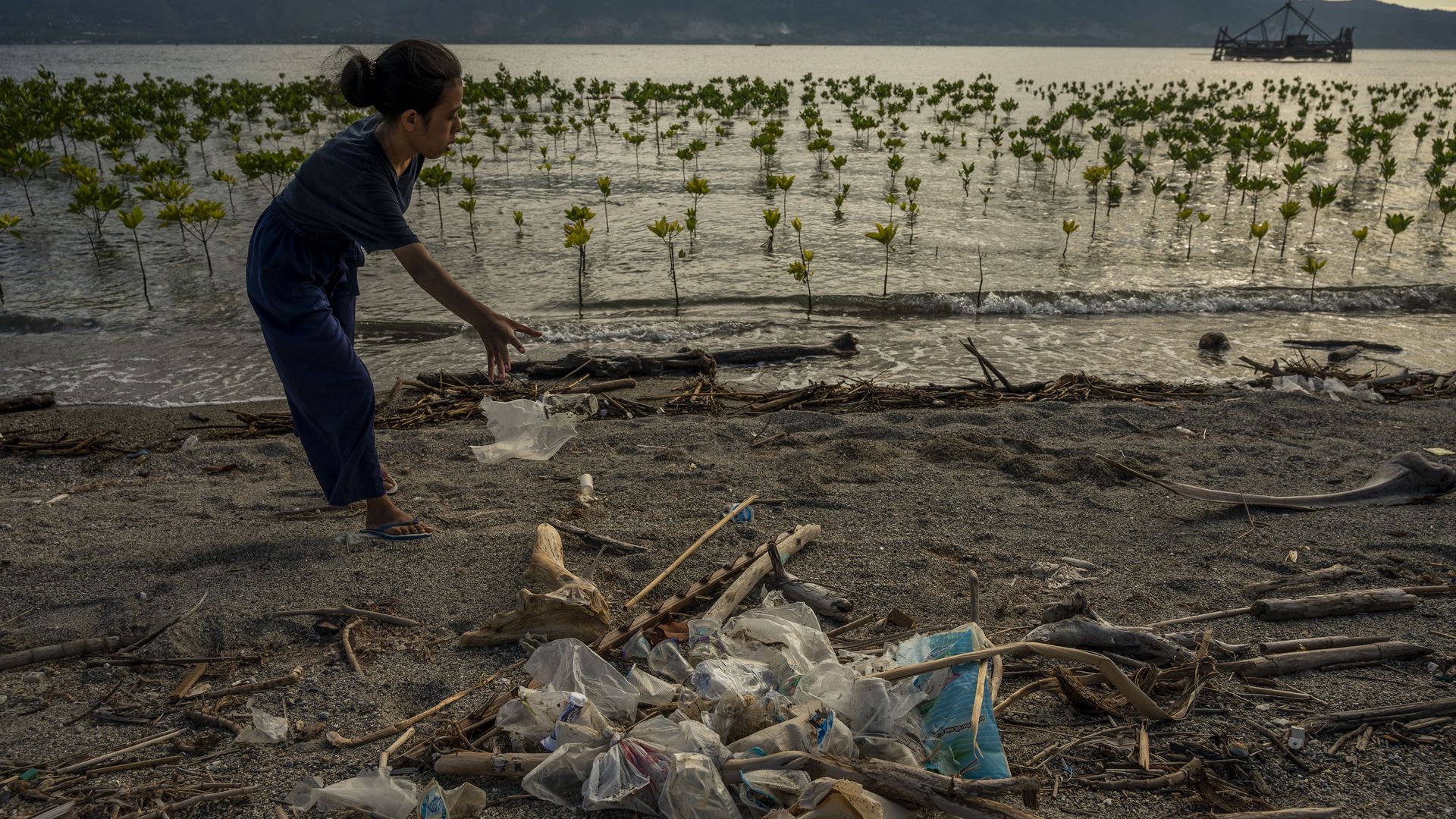
Global plastic waste is set to nearly triple by 2060, according to a report by the Organization for Economic Co-operation and Development out Friday.
Driving the news: About half of the plastic waste produced globally is expected to end up in a landfill and less than a fifth is expected to be recycled, OECD found.
Tesla CEO Elon Musk said he is prepared to cut staff by about 10%, citing a "super bad feeling" about the economy, according to an internal email seen by Reuters.
Driving the news: Musk's email, titled "pause all hiring worldwide," was sent Thursday to Tesla executives, two days after he said that staff will be required to return to work in person.