The U.S. Army released its first climate strategy on Tuesday, outlining plans to cut its greenhouse gas pollution in half by 2030 and achieve net-zero greenhouse gas emissions by 2050.
Why it matters: A 2019 report from Brown University estimated that the U.S. military has emitted 1,212 million metric tons of greenhouse gases since 2001. In 2017 alone, its emissions totaled 59 million tons, more than many industrialized nations.
kWh, a company that tailors insurance policies for renewable energy installations such as wind and solar facilities, has raised $20 million in a Series B round, the company announced Tuesday morning.
Driving the news: The company says it will use the money to help rapidly scale up renewable energy facilities by helping developers gain access to capital.
Quaise Energy, a company with experimental tech to access hugely energy-dense geothermal resources 6 to 12 miles below Earth's surface, this morning announced $40 million in Series A funding.
Driving the news: Safar Partners, Prelude Ventures, Fine Structure Ventures, The Engine and others are backing the Cambridge, Massachusetts startup, which spun out of MIT in 2018.
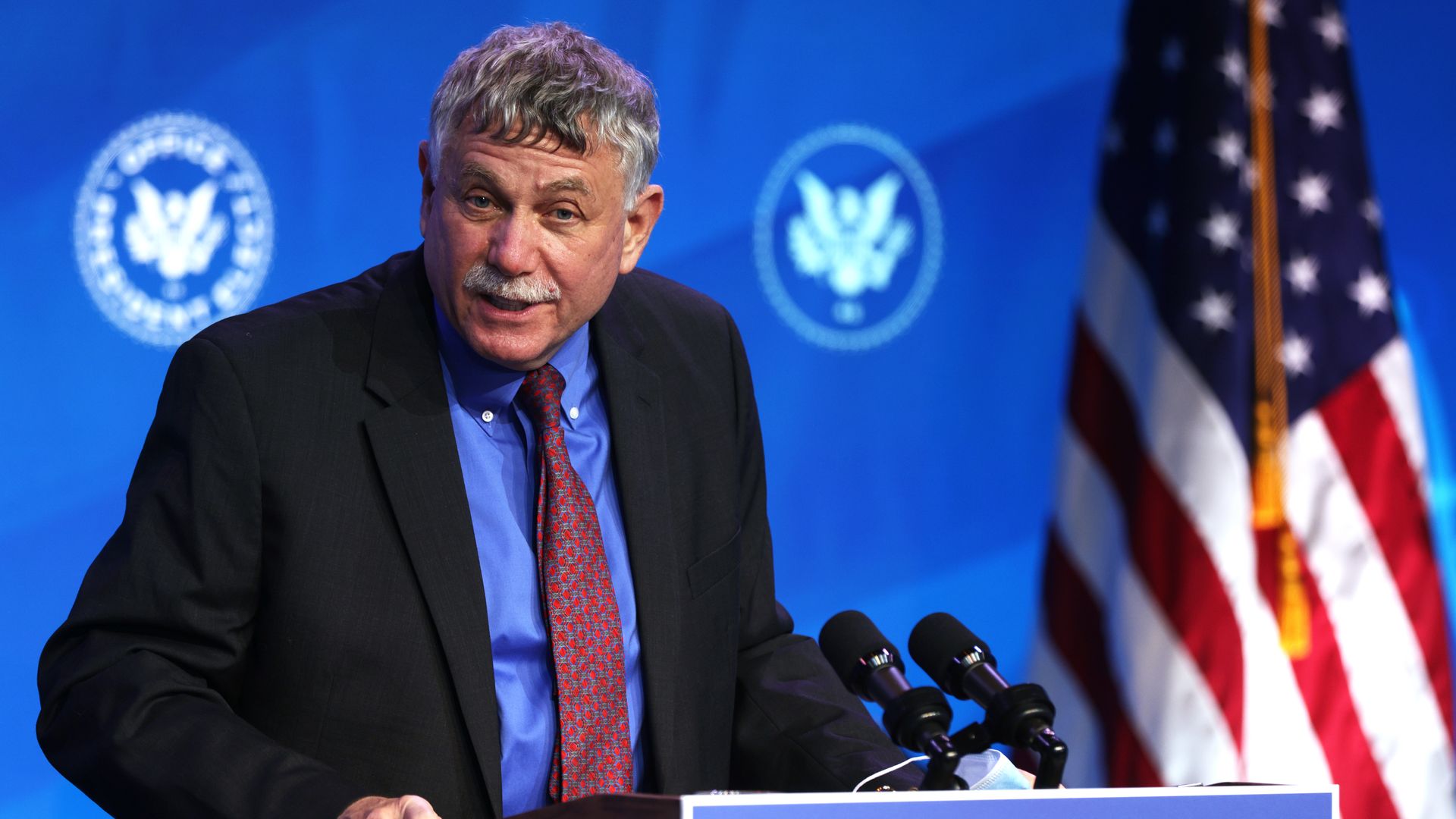
The resignation Monday night of White House science adviser Eric Lander means the administration is losing its highest-ranking climate science official.
Why it matters: Lander has turned the White House Office of Science and Technology Policy (OSTP) into a new power center within the government for climate and energy research and policy.
The world’s glaciers may contain less ice volume than previously thought, according to a study published in Nature Geoscience, meaning their potential contribution to water supplies would be lower than older estimates.
Why it matters: Glaciers around the world are rapidly melting because of global warming from human-caused greenhouse gas emissions. Their melting frees up water that raises global sea levels, and provides water supplies to people at lower elevations.
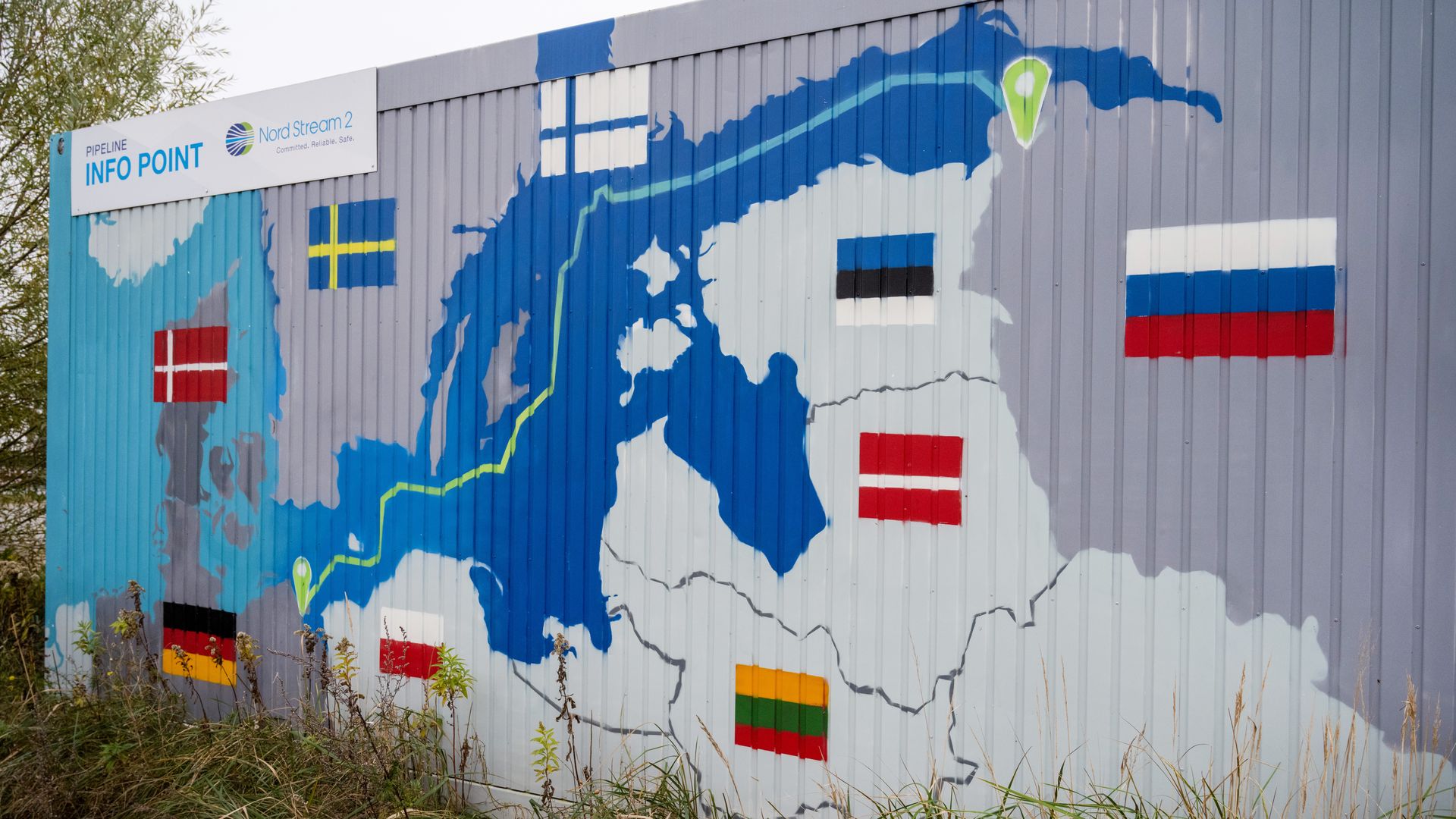
A top German lawmaker representing Chancellor Olaf Scholz's party told Axios that "of course" Ukraine is right to call Nord Stream 2 an "existential threat" to its security, and that past German governments were wrong to dub the pipeline a "purely commercial project."
Why it matters: Nord Stream 2 has been a major headache for the Biden administration, which waived sanctions on the operator of the Russia-to-Germany pipeline in order to help repair relations with Berlin damaged during the Trump era.
Eric Lander, President Biden's science adviser, has apologized for speaking to White House Office of Science and Technology Policy staff in "a disrespectful or demeaning way," according to a note he sent to OSTP staff this weekend.
The big picture: An investigation found that Lander violated the White House's workplace policy and "corrective action" was taken, according to a OSTP spokesperson.
A close look at 25 of the world's largest companies with net-zero emissions pledges shows that most of those goals aren't what they seem.
Why it matters: Evaluating corporate pledges to reduce emissions can help consumers decide which companies to purchase from or invest in, and can help motivate poorly reviewed companies to take additional action.












/2022/02/07/1644241136964.gif?w=3840)