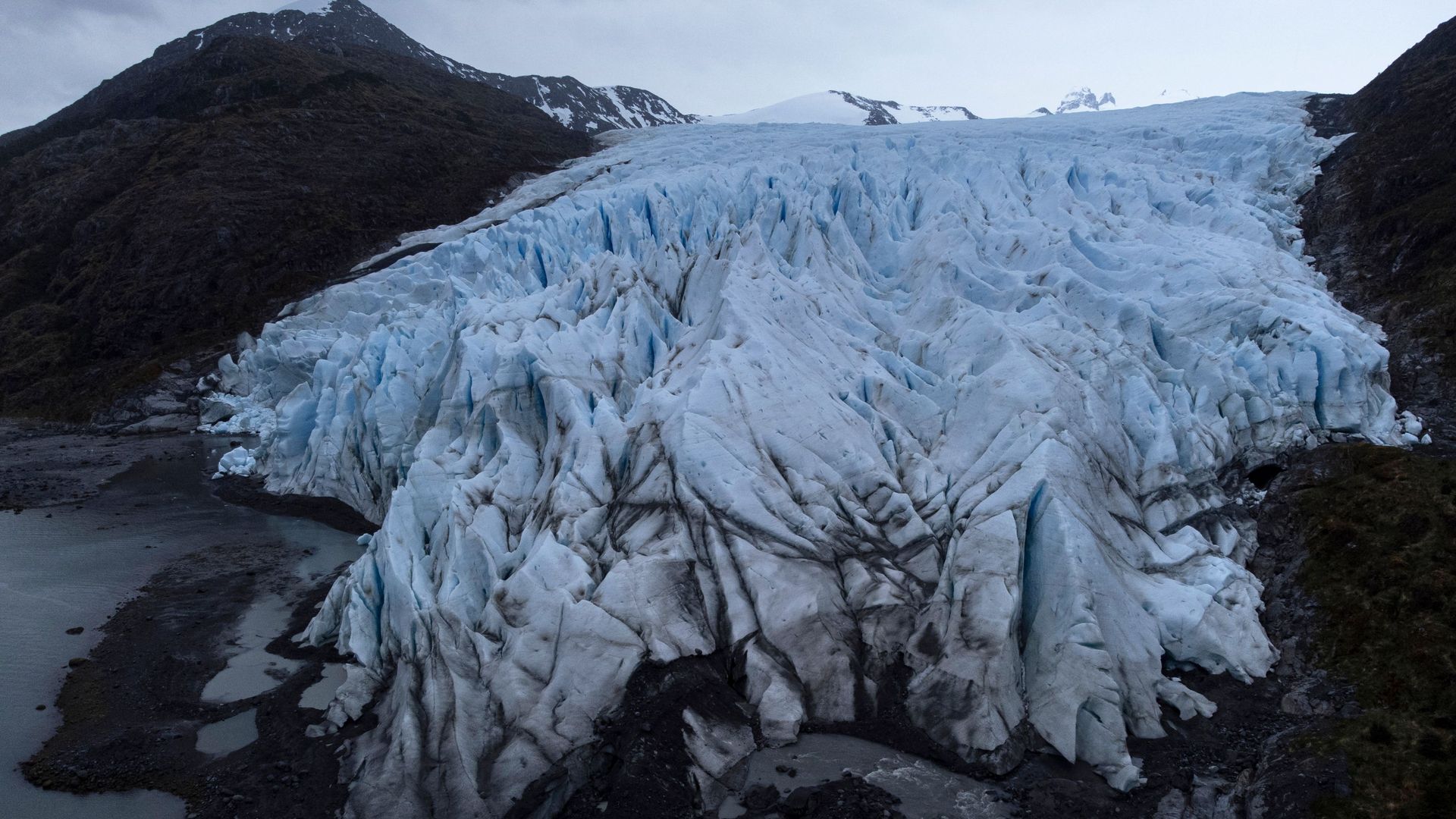
The world’s glaciers may contain less ice volume than previously thought, according to a study published in Nature Geoscience, meaning their potential contribution to water supplies would be lower than older estimates.
Why it matters: Glaciers around the world are rapidly melting because of global warming from human-caused greenhouse gas emissions. Their melting frees up water that raises global sea levels, and provides water supplies to people at lower elevations.
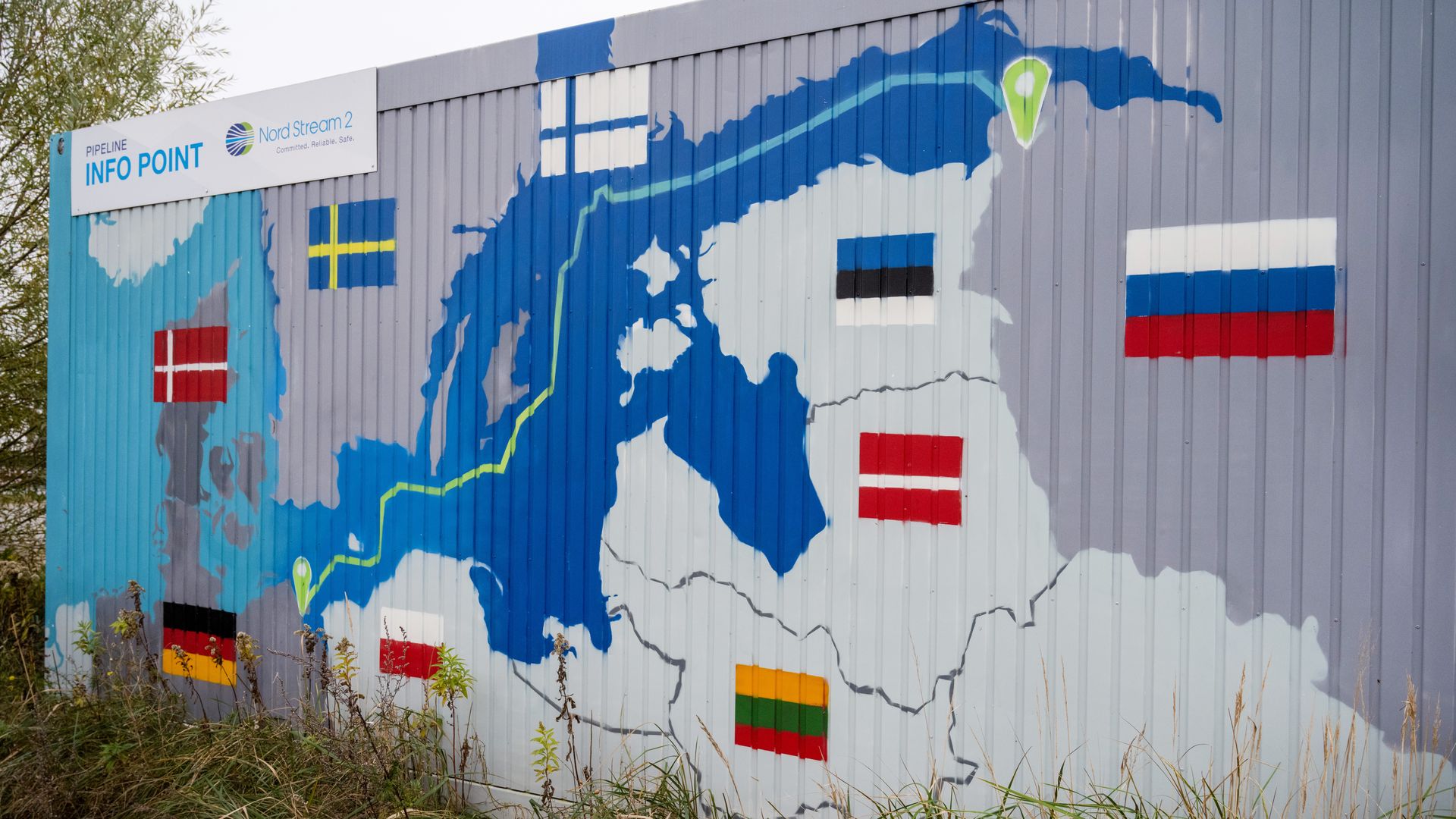
A top German lawmaker representing Chancellor Olaf Scholz's party told Axios that "of course" Ukraine is right to call Nord Stream 2 an "existential threat" to its security, and that past German governments were wrong to dub the pipeline a "purely commercial project."
Why it matters: Nord Stream 2 has been a major headache for the Biden administration, which waived sanctions on the operator of the Russia-to-Germany pipeline in order to help repair relations with Berlin damaged during the Trump era.
Eric Lander, President Biden's science adviser, has apologized for speaking to White House Office of Science and Technology Policy staff in "a disrespectful or demeaning way," according to a note he sent to OSTP staff this weekend.
The big picture: An investigation found that Lander violated the White House's workplace policy and "corrective action" was taken, according to a OSTP spokesperson.
A close look at 25 of the world's largest companies with net-zero emissions pledges shows that most of those goals aren't what they seem.
Why it matters: Evaluating corporate pledges to reduce emissions can help consumers decide which companies to purchase from or invest in, and can help motivate poorly reviewed companies to take additional action.
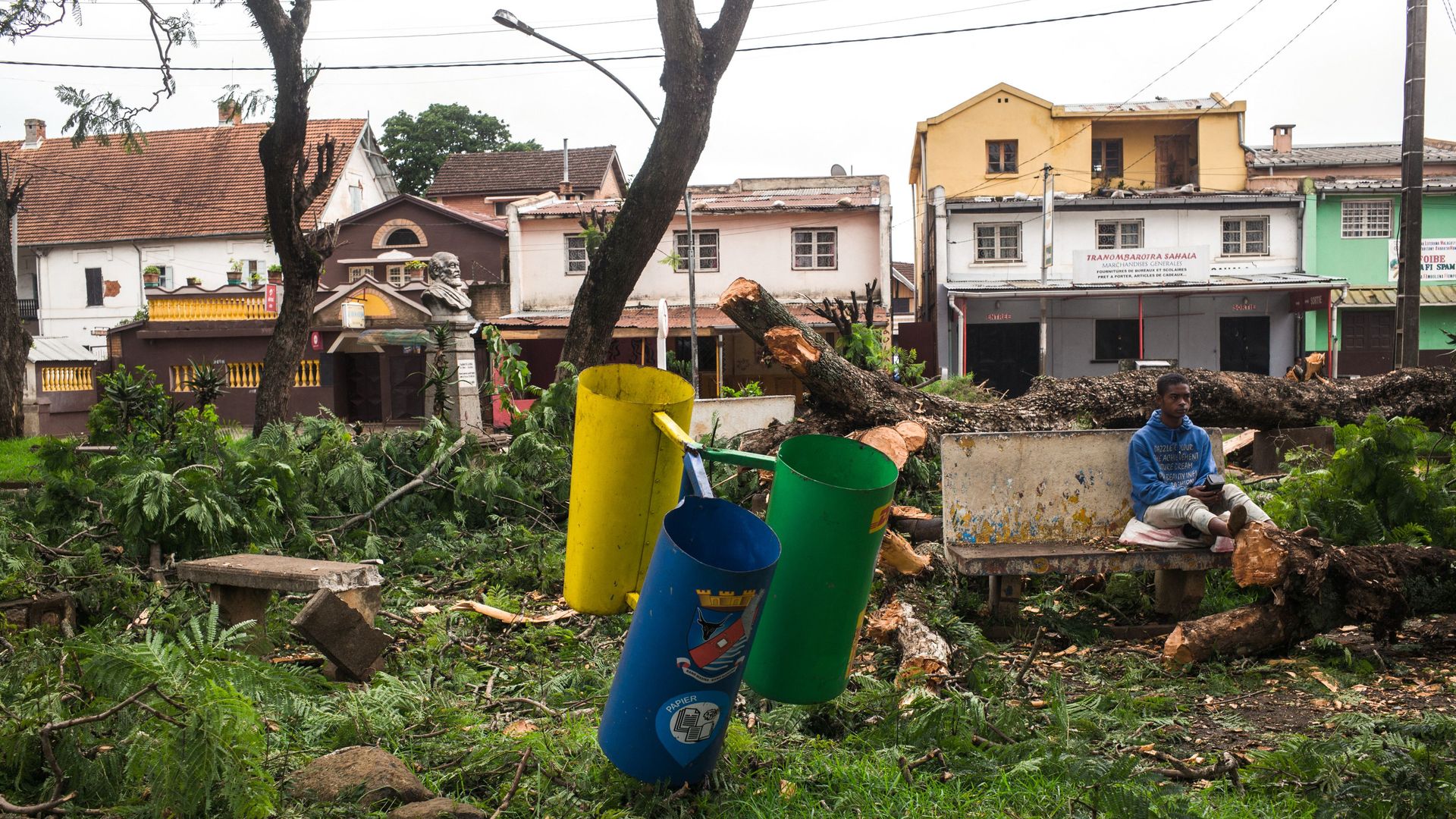
A cyclone slammed into Madagascar's east coast Saturday, causing widespread damage and leaving some 45,000 people displaced as of Sunday, per AP.
Why it matters: Cyclone Batsirai comes just weeks after Cyclone Ana struck the island on Jan. 22, killing 55 people and displacing 130,000, Reuters reports.
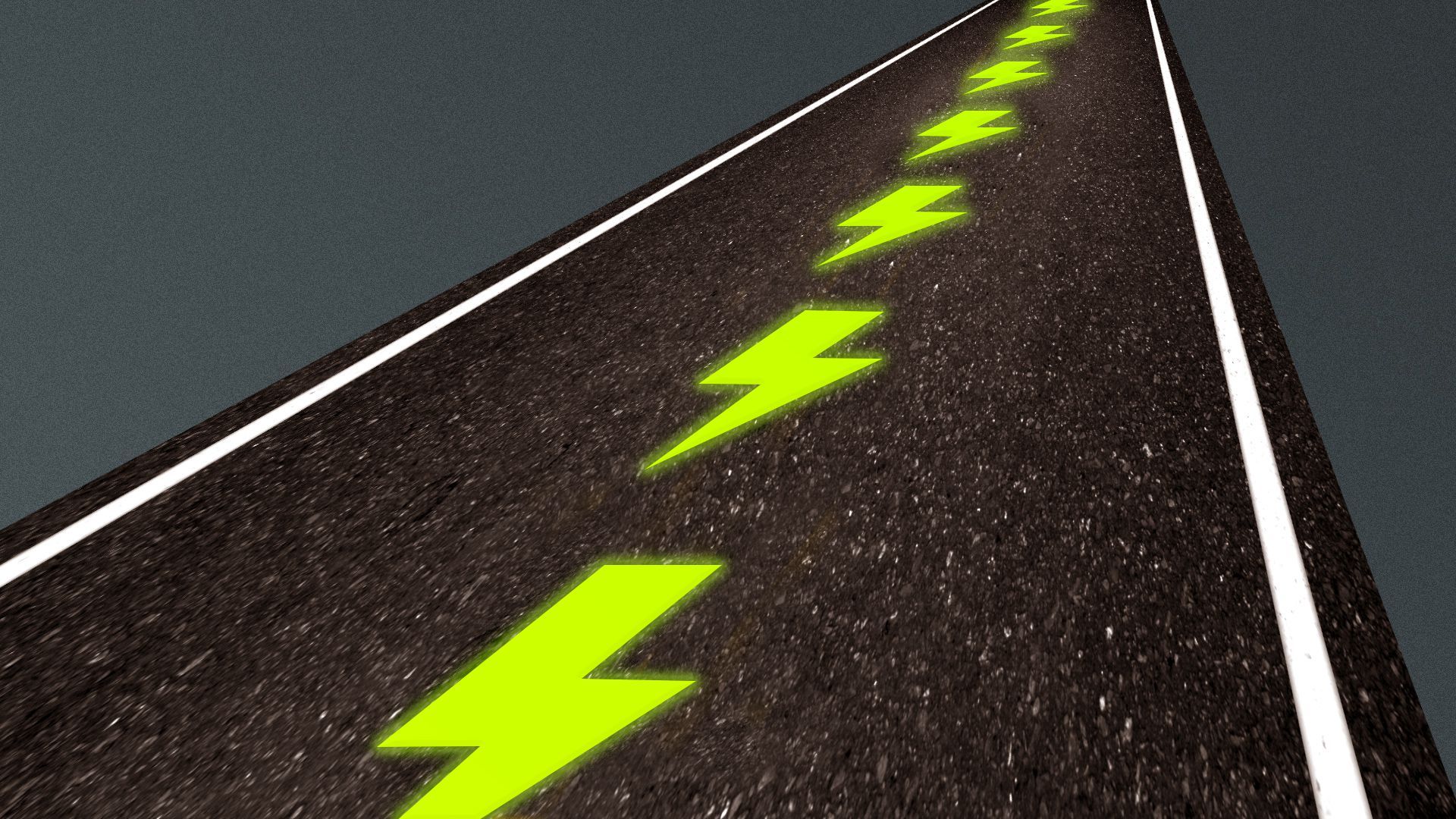
The nation's first stretch of road to wirelessly charge electric vehicles while they're in motion will begin testing next year in Detroit.
Why it matters: "Electrified" roadways, which have wireless charging infrastructure under the asphalt, could keep EVs operating around the clock, with unlimited range — a big deal for transit buses, delivery vans, long-haul trucks and even future robotaxis.





/2022/02/07/1644241136964.gif?w=3840)