State of play: The majority-Democratic Privileges and Elections Committee voted to remove Wheeler's name from a resolution to approve Youngkin's cabinet picks. But Republicans could still approve Wheeler's nomination with the support of at least one Democrat in the full Senate.
Thousands of people evacuated their homes as a fire at the Winston Weaver Company fertilizer plant in Winston-Salem, North Carolina, that began Monday night, continues to burn uncontrollably.
Why it matters: Dangerous chemicals at the plant could cause a large explosion if the fire continues to burn, AP notes.
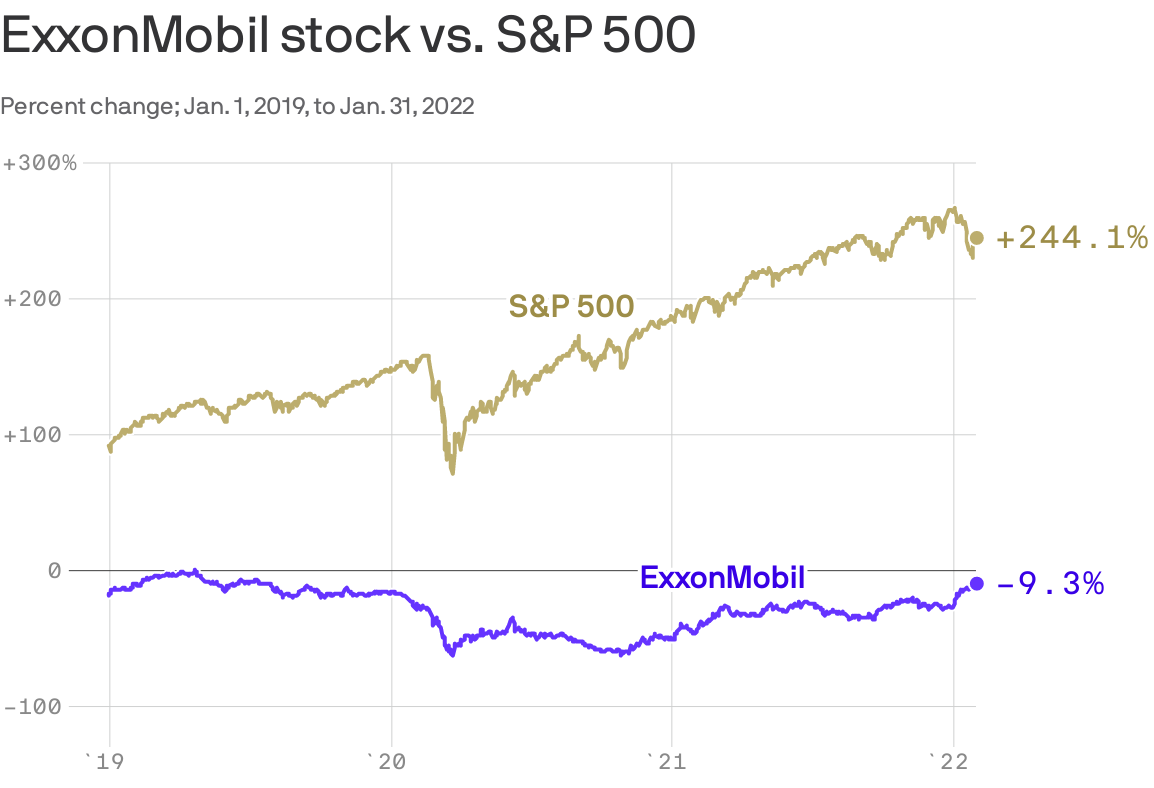
Exxon reported $8.9 billion fourth-quarter profits and unveiled a major restructuring in developments that show its pandemic recovery and efforts to find footing in a changing landscape.
Driving the news: The multinational giant's quarterly and annual 2021 profits announced today — both the highest since 2014 — came on the strength of higher oil and gas prices and the energy demand recovery.
BlackRock, Daimler's U.S. division and power giant NextEra Energy are planning a joint venture to develop and deploy charging infrastructure for electric and hydrogen fuel cell trucks.
Why it matters: Wider charging availability will be needed for electric and hydrogen-fueled trucking to become a real thing commercially, even as Daimler and other companies bring models to market.
The environmental group Climate Power is launching ads this week on D.C. cable and digital channels to push for Congress to invest in clean energy technologies, as a way to create jobs.
Why it matters: The TV ads are part of a $3 million campaign from a coalition of environmental groups, including EDF Action, the League of Conservation Voters and NRDC Action Fund, among others, in the run-up to the State of the Union address on March 1.
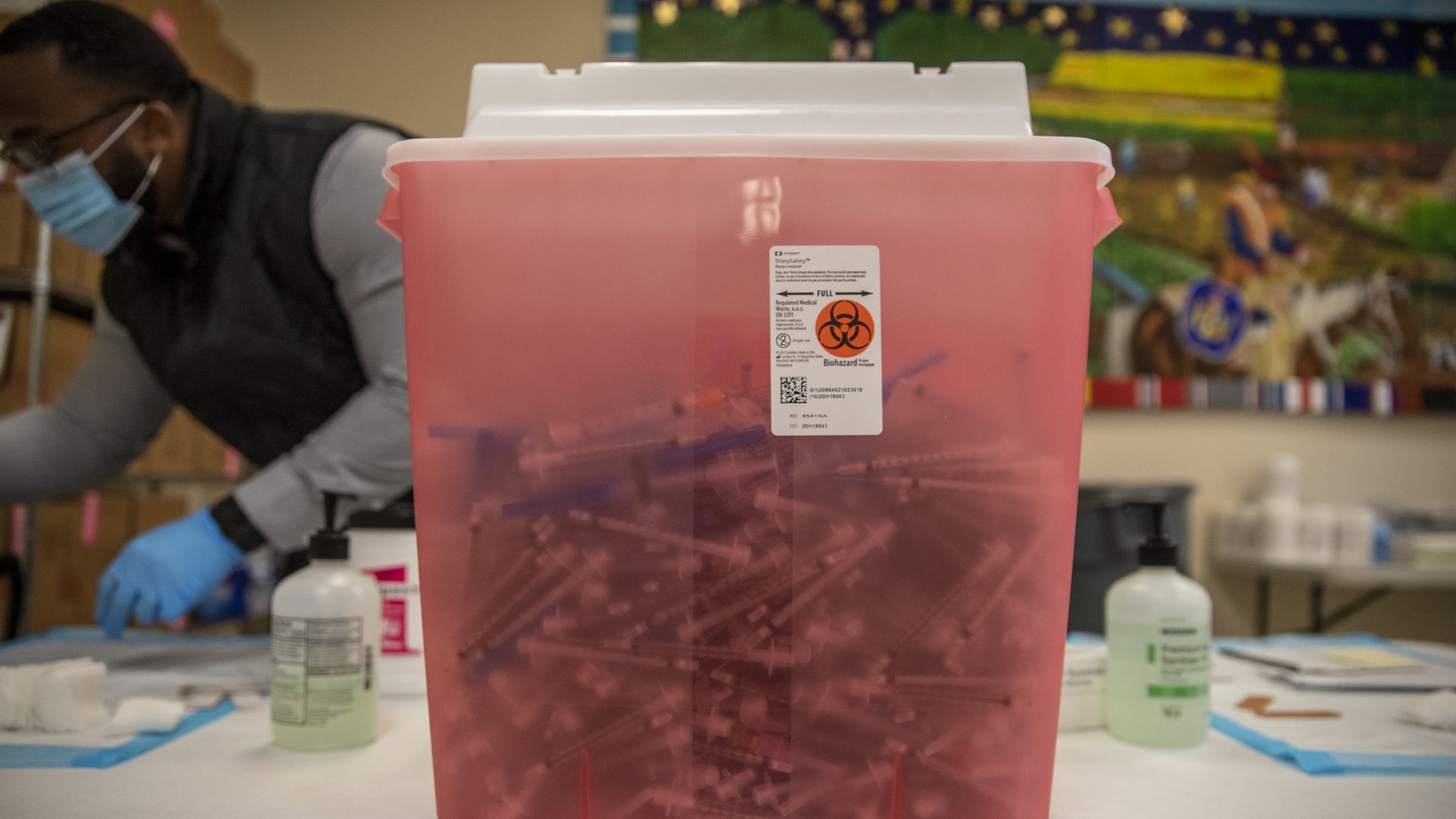
The World Health Organization warned in a report Monday that the coronavirus pandemic has led to "large increases" in health care waste in the form of personal protection and other equipment, including masks, gloves and vaccination syringes.
Why it matters: The WHOsaid the glut of waste is further burdening disposal systems that were already strained before the pandemic, contributing to pollution and increasing the likelihood of injury to health care workers through needles, burns and pathogenic microorganisms.
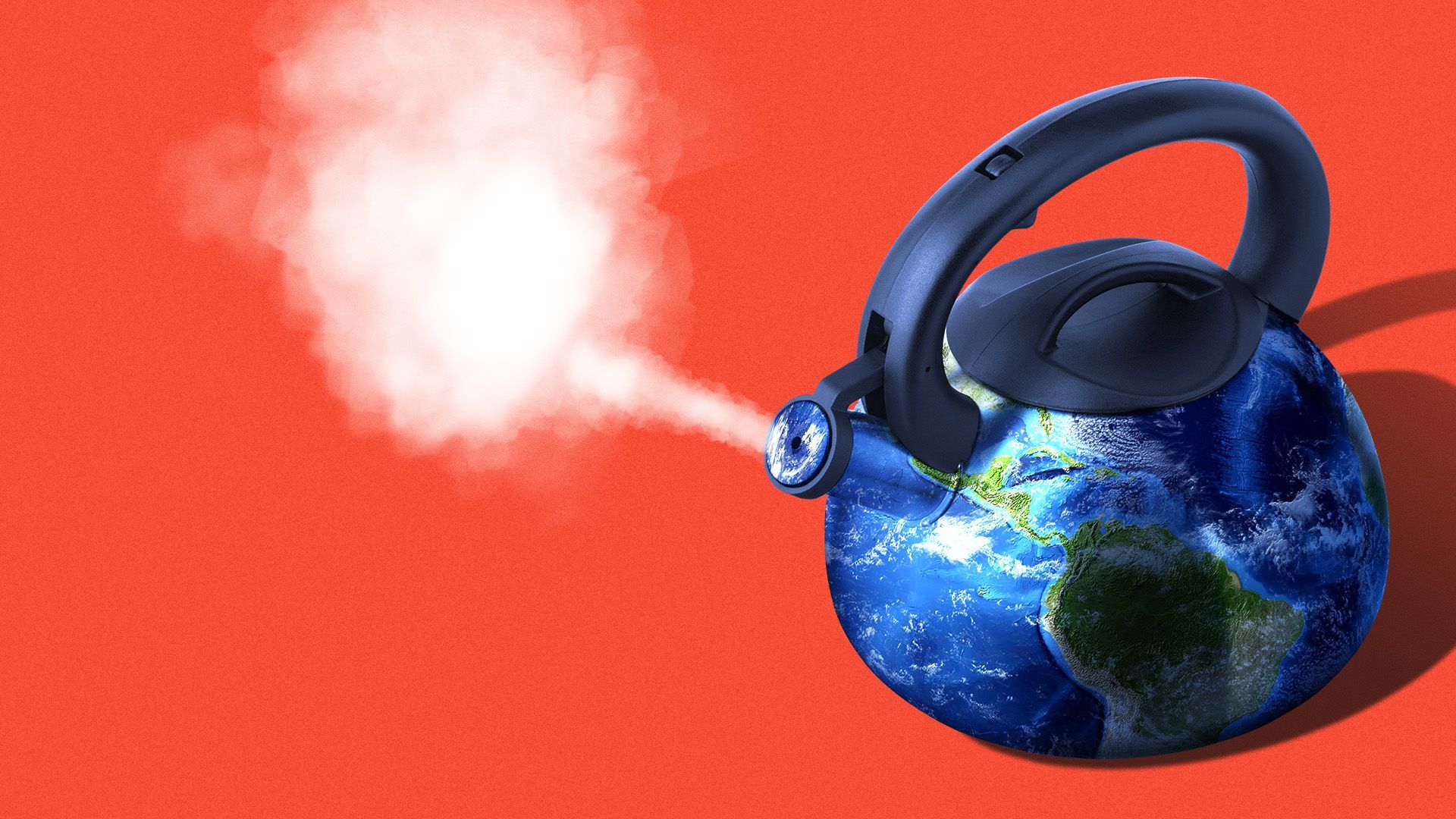
By taking into account how increasing surface temperatures will alter both humidity and a measure of the energy contained in the atmosphere, a new study finds the world is at a growing risk of extreme weather events.
Driving the news: The study, published Monday in Proceedings of the National Academy of Sciences, focuses on an integrated temperature and humidity metric.
Zipline, a leading drone operator, will begin delivering prescription medicines to patients' homes in a suburb of Charlotte, North Carolina, this year, helping usher in the long-anticipated era of routine drone drops.
Why it matters: Battery-operated drones could satisfy our demand for "instant delivery" in less than 15 minutes, while easing traffic congestion, improving safety and helping the environment.
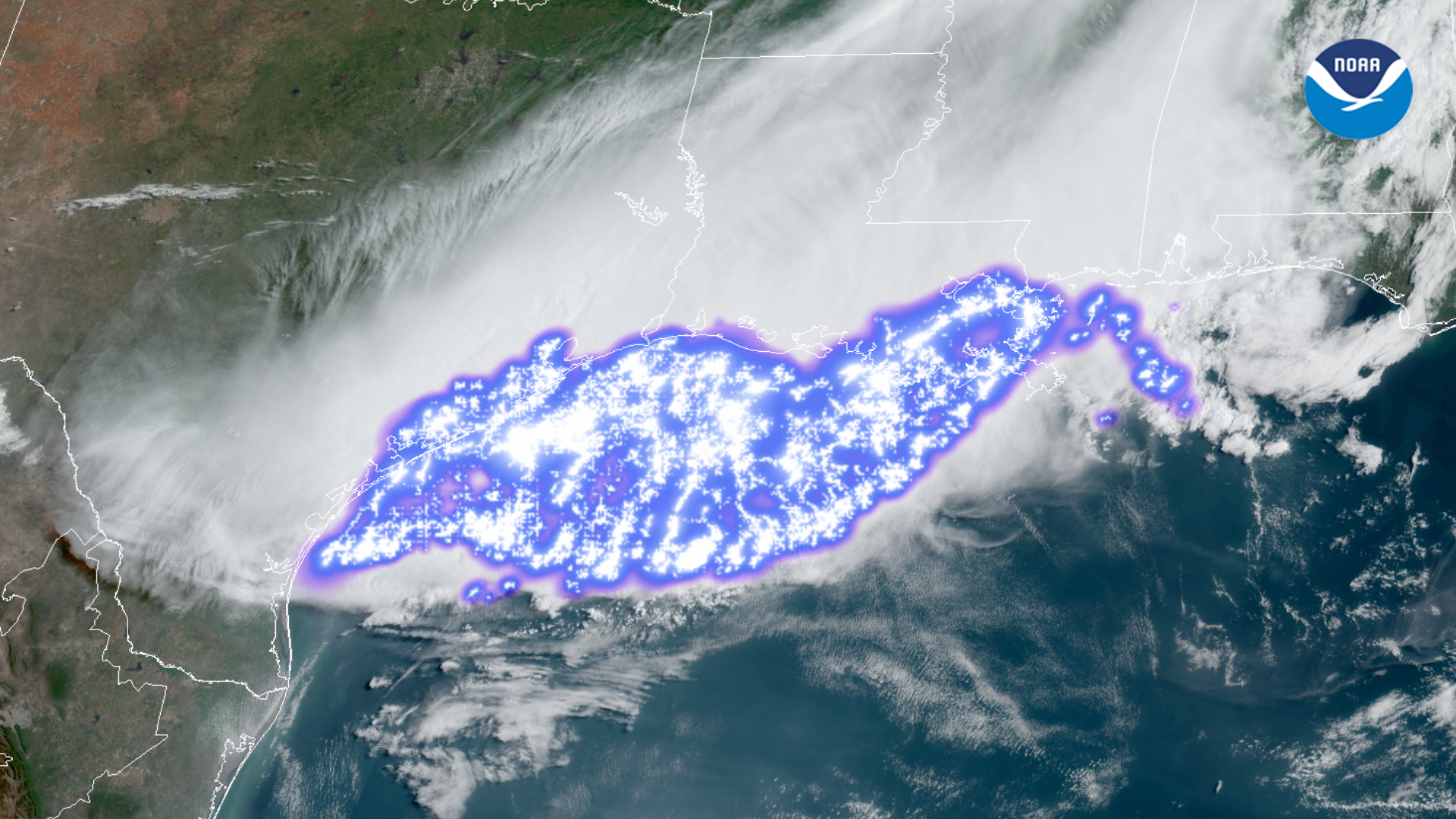
Scientists recorded a single lightning flash lasting 17.1 seconds in June of 2020 over Uruguay and northern Argentina, becoming the longest lasting lightning flash ever recorded, the World Meteorological Organization (WMO) announced.
Why it matters: The strike was one of two new new lightning-related world records established by the WMO on Monday, the other being a lightning strike that covered around 477 miles in the southern U.S. on April 29, 2020.
The court decision late last week to halt a large lease sale in the Gulf of Mexico was both nuanced and far-reaching. It is unlikely to lead to the long-term ban of future oil and gas leases both on and offshore, experts tell Axios.
Why it matters: The decision to cancel a $192 million lease sale and send it back to the Interior Department for a new environmental analysis under the National Environmental Policy Act provides the Biden administration with some breathing room to review its leasing policies.
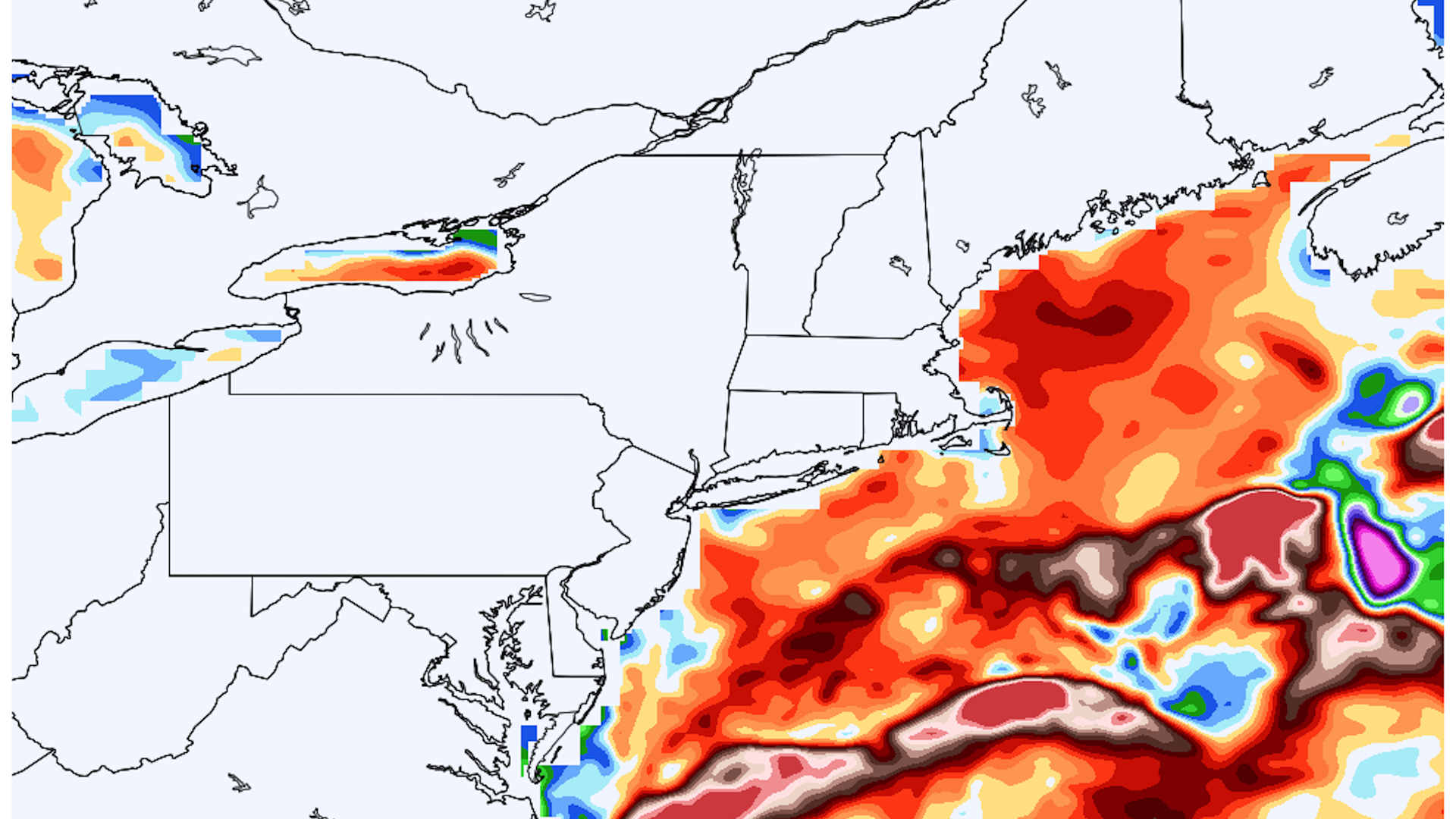
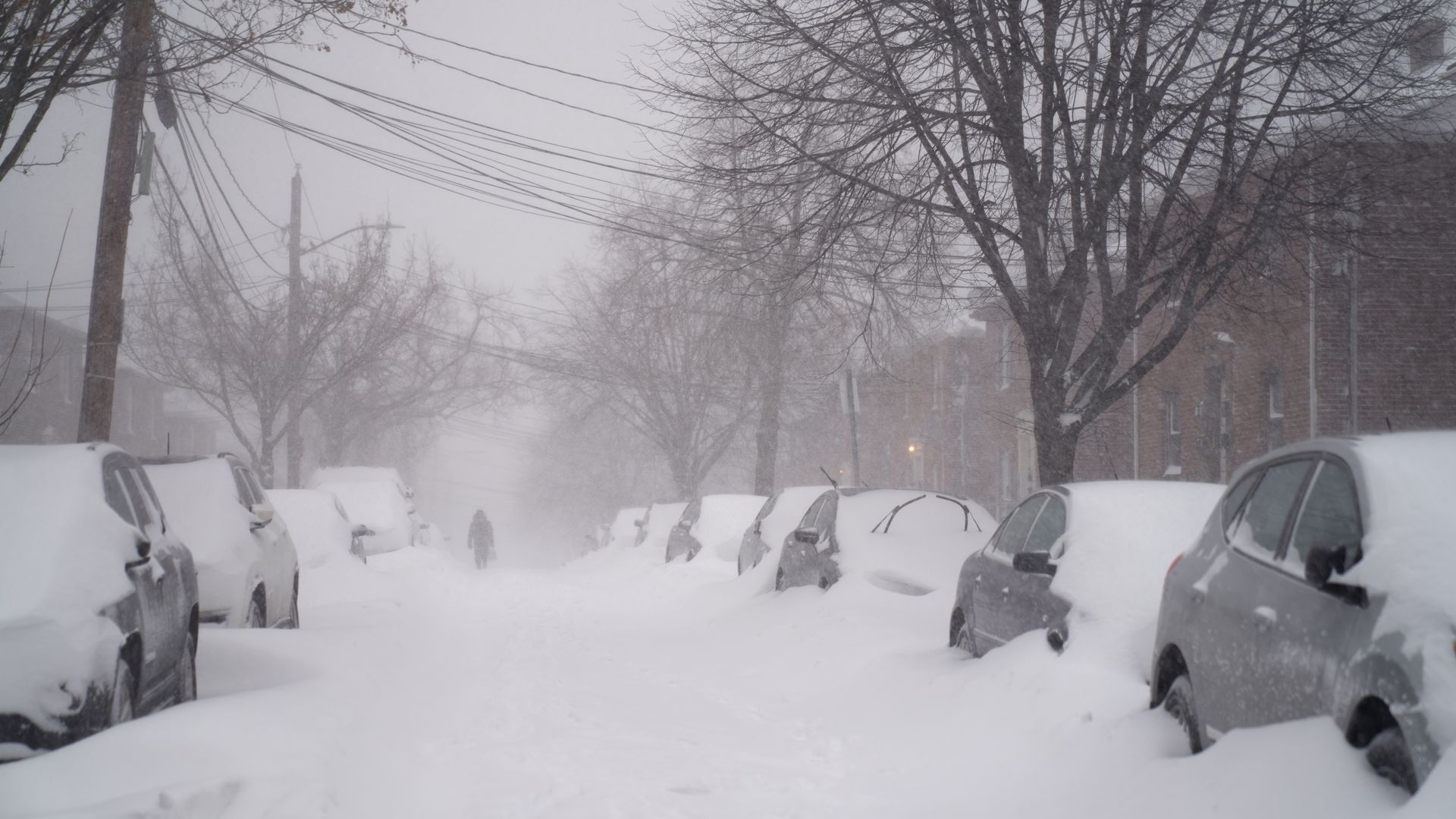
The weekend blizzard that slammed coastal Mid-Atlantic and New England with up to 30.9 inches of snow and howling winds is consistent with climate science research showing how the characteristics of these winter storms are changing.
Why it matters: Nor'easters have been affecting New England for generations, and they are deadly and costly. Climate change may be making these weather systems more potent.
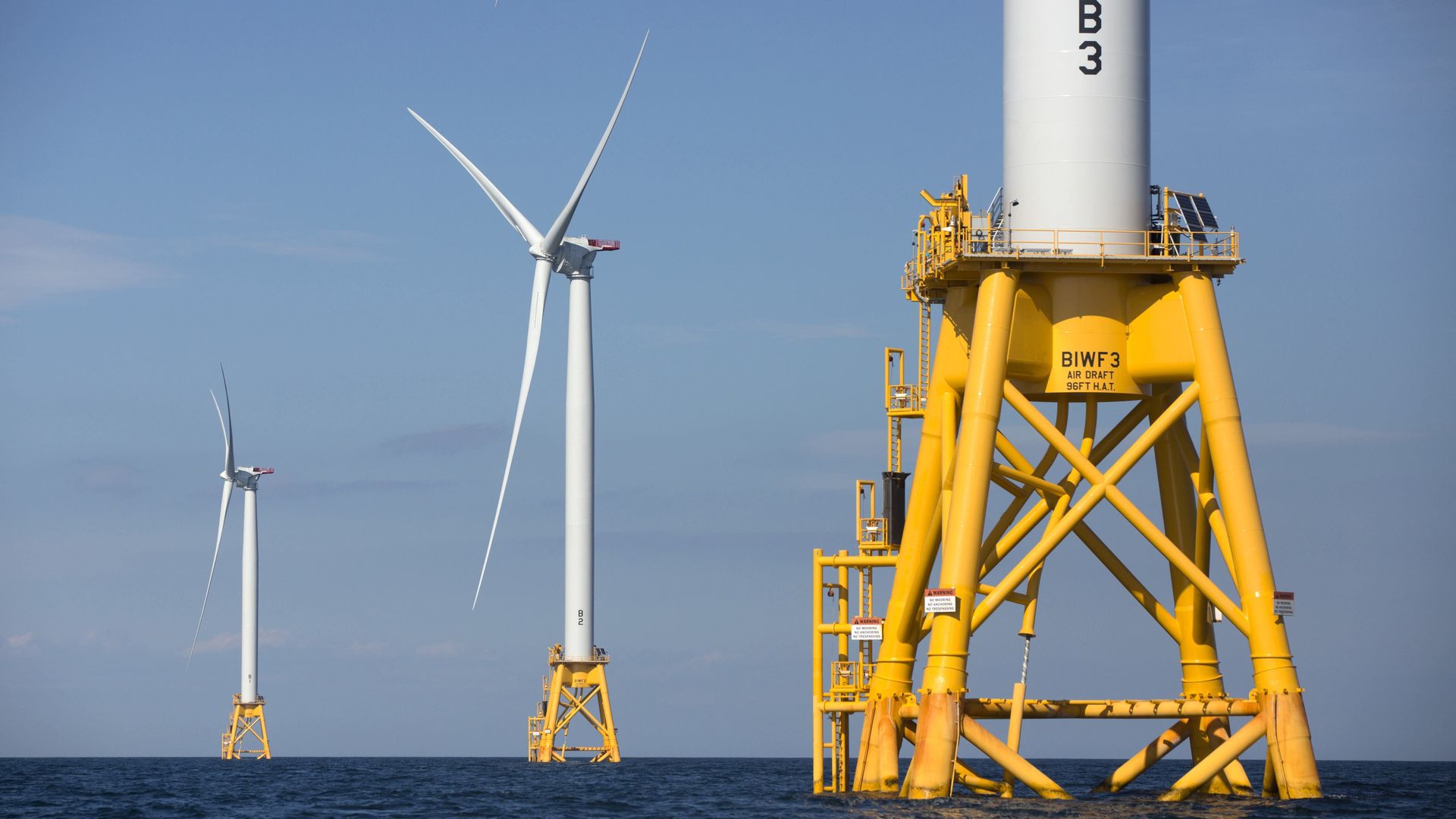
A Columbia University researcher says pairing offshore wind with nascent tech that directly pulls carbon from the atmosphere could help maximize the benefits of both.
The big picture: Marine geophysicist David Goldberg, writing in The Conversation, says co-locating direct air capture (DAC) systems with offshore wind would ensure the systems are powered by clean energy.
Thousands of customers were without power in Massachusetts after a historic blizzard hit the region on Saturday, with Boston tying its record for the most snow to fall in one day, at 23.6 inches, and recording its sixth-largest snowstorm of all time.
The latest: Authorities in New York's Long Island have confirmed four storm-related deaths over the weekend, including two men who died shoveling snow in separate incidents in the town of Syosset.