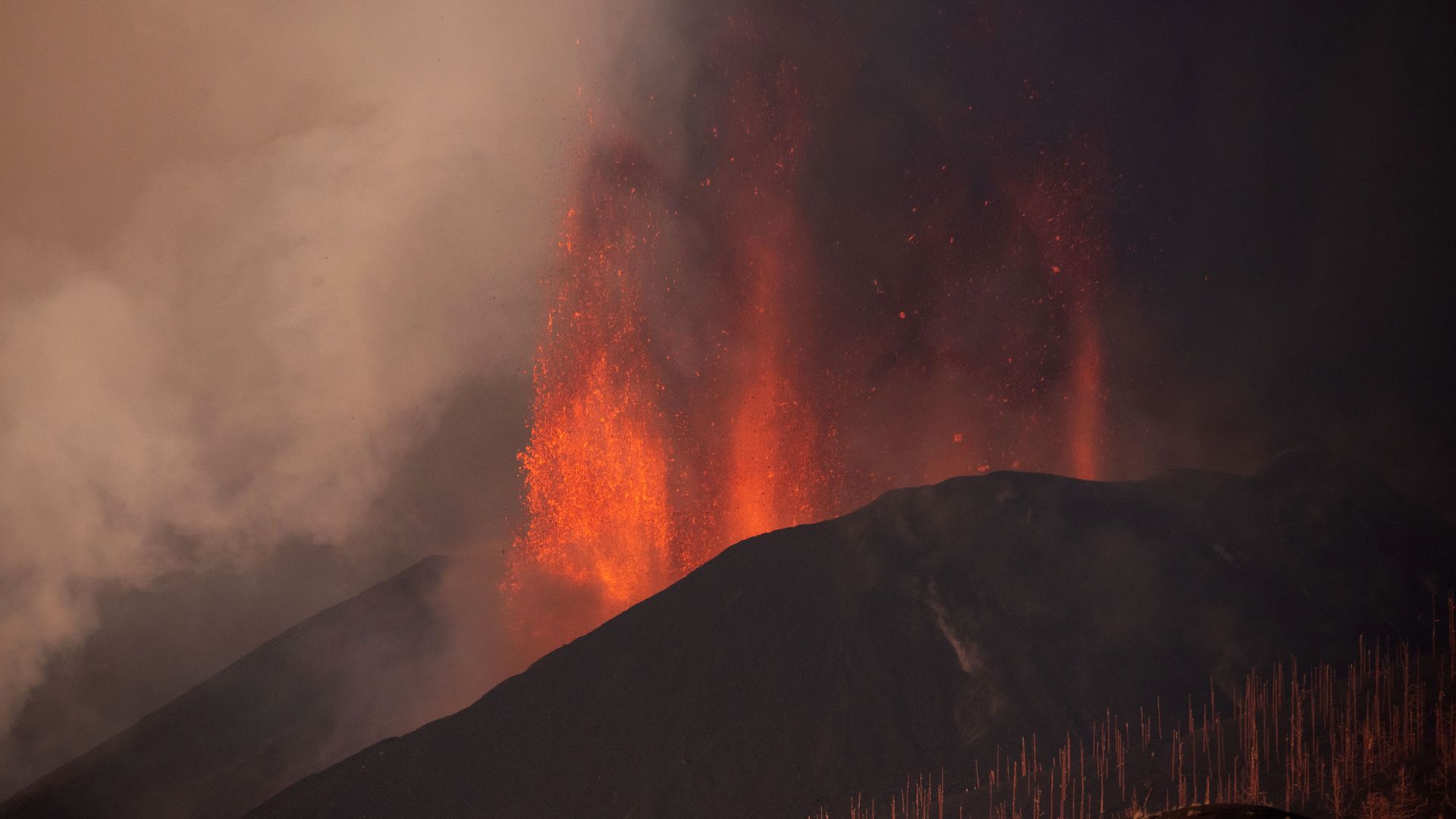
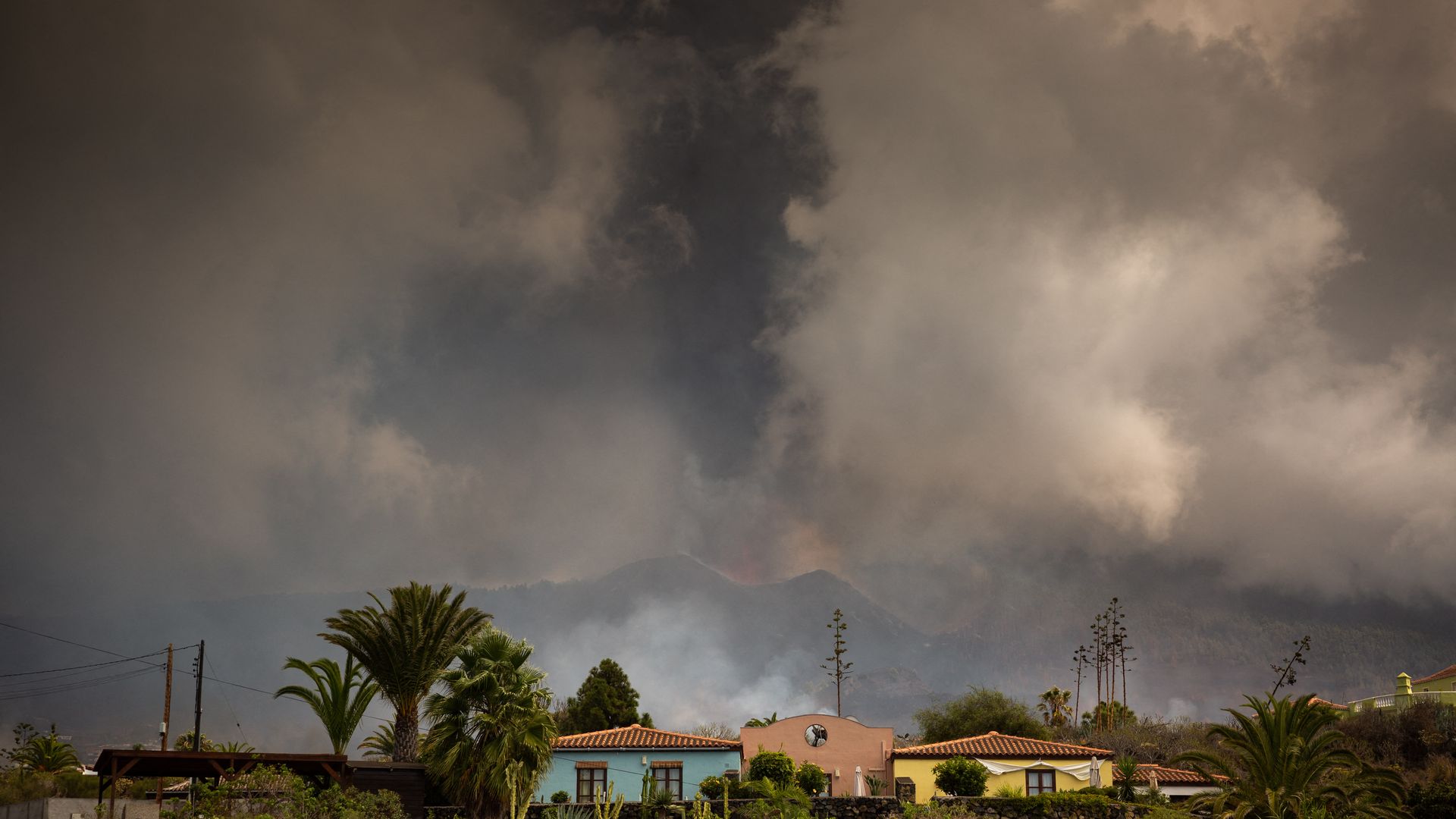
Volcanic explosions on the Spanish island of La Palma intensified on Friday after a new vent opened, forcing firefighters to retreat and three more towns to evacuate, Reuters reports.
Why it matters: Mount Cumbre Vieja erupted earlier this week, destroying hundreds of homes and forcing thousands to evacuate, Reuters reports. Firefighters had been scheduled for clean-up work on Friday before the latest explosion.
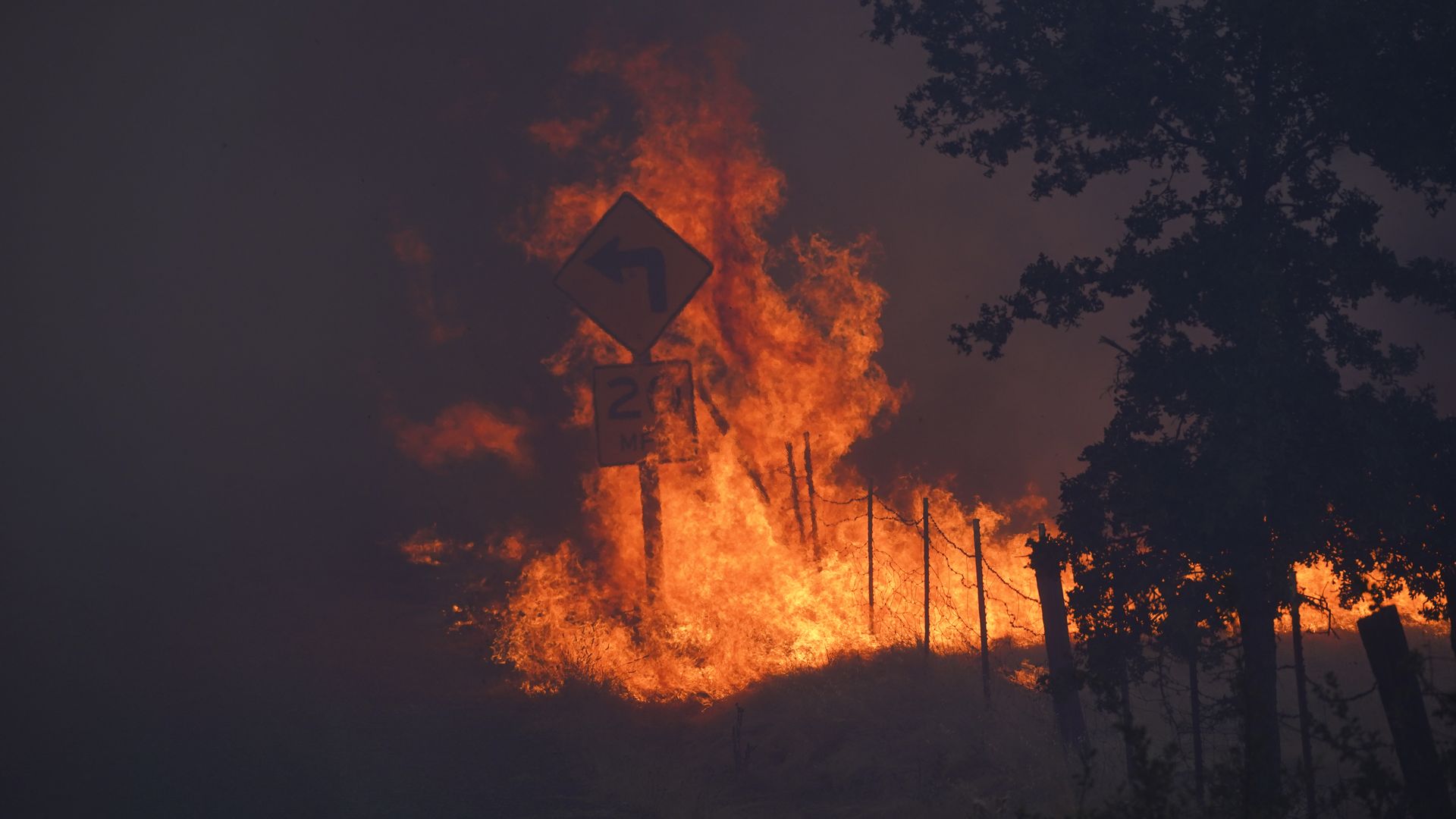
Pacific Gas & Electric has been charged with manslaughter and other crimes in connection with a Northern California wildfire last year killed four people and burned hundreds of homes, the Associated Press reports.
Why it matters: The utility company has faced hundreds of lawsuits and filed for bankruptcy protection in 2019, after it was discovered its equipment was responsible for several devastating fires, per AP.
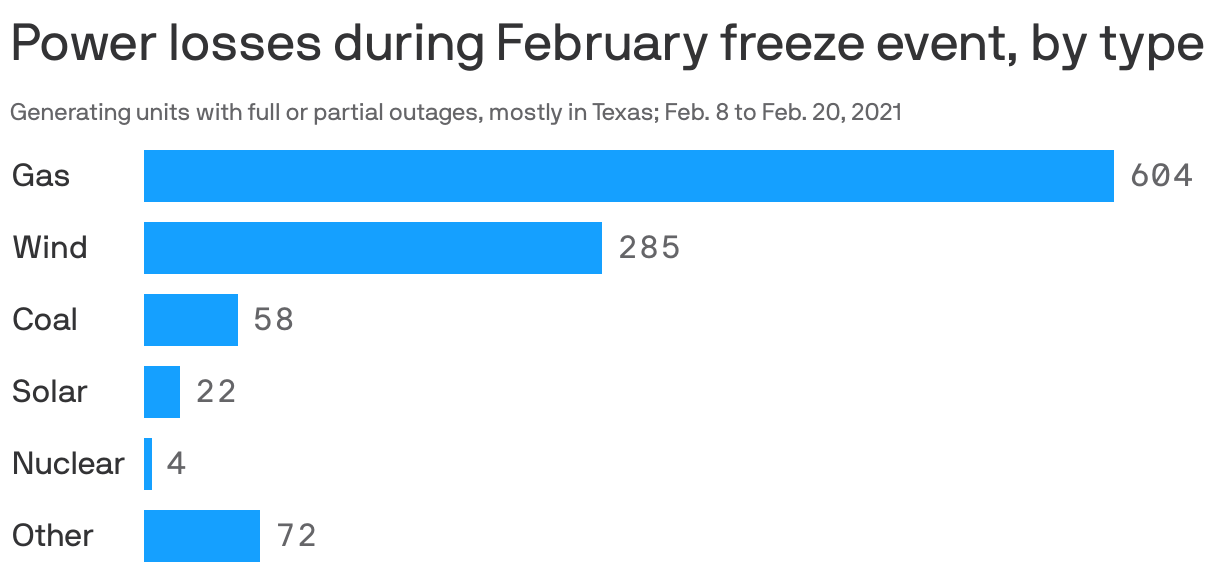
Data: Federal Energy Regulatory Commission; Chart: Thomas Oide/Axios
A new report on the widespread power outages in Texas in February calls for tougher standards to ensure reliability in freezing weather — and puts numbers behind the breadth of the deadly catastrophe.
Why it matters: A deep freeze in February across the country's midsection led to failures in multiple parts of the Texas power system, leading to over 200 deaths and highlighting major vulnerabilities there.
Biden-era financial regulators are getting increasingly involved in climate — if not as much as some advocates want — and this week is bringing fresh signs of the trend.
Driving the news: The Securities and Exchange Commission revealed that it's sending letters to corporations seeking more complete disclosures about their climate-related risks.
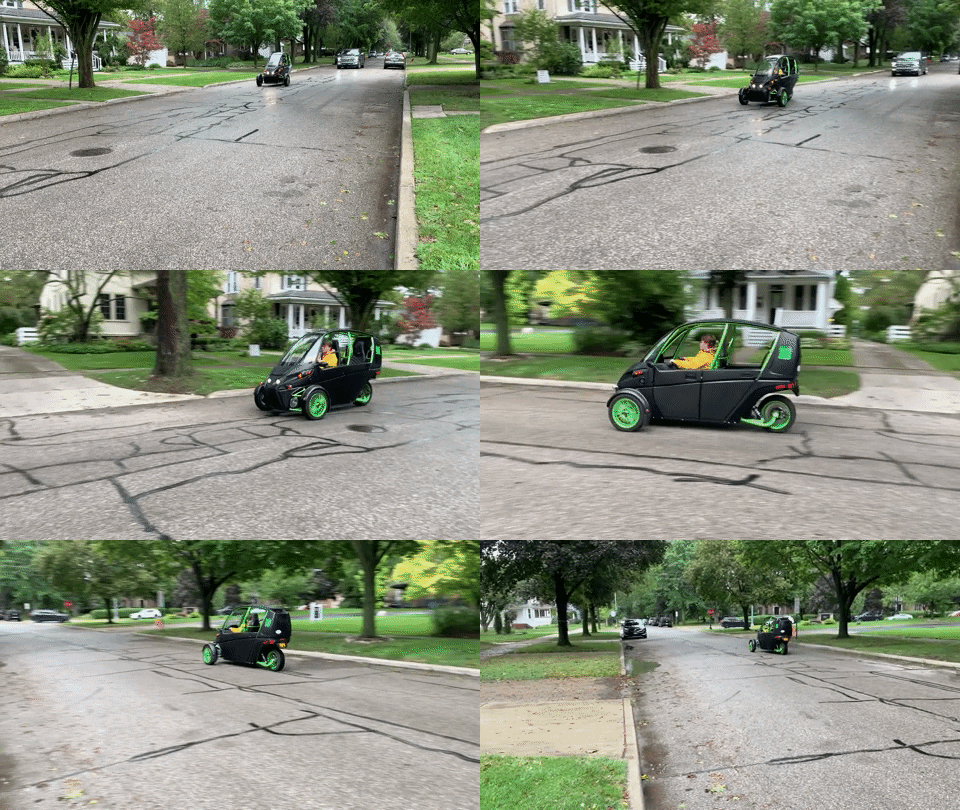
I've spent the past week on a joyride, tooling around town in a crazy-fun, three-wheeled mashup between an electric car and a motorcycle — an "autocycle" if you will — called the Arcimoto FUV.
Why it matters: If this is the future of mobility, sign me up!
The big picture: Arcimoto, based in Eugene, Oregon, wants to lead a shift to sustainable transportation — cleaner, smaller vehicles that help reduce congestion and CO2 emissions.
The $17,900 FUV ("fun utility vehicle") is part of a family of electric trikes that share the same basic design. There's also the Deliverator, the Rapid Responder, the Flatbed and the Roadster.
Details: Like the Polaris Slingshot or CanAm Spyder, Arcimoto's FUV has two wheels in front and one in back.
It's small — about one-third the weight and one-third the size of a typical car — but it has a surprisingly roomy cargo compartment that can hold three bags of groceries.
It seats two people — one in front of the other, not side-by-side.
There's a see-through roof and a windshield, but the sides are open, with removable half-doors.
How it works: The battery sends power to an electric motor on each of the front wheels, providing the instant torque that makes driving it so much fun.
It's highway-legal and goes up to 75 miles per hour, Arcimoto says — but I stuck to local roads and felt like I was flying at 45 mph, to be honest.
The driving range is up to 102 miles in stop-and-go city driving, with regenerative braking that puts wasted energy back into the battery. The faster you go, the shorter your range.
My thought bubble: I work from home and don't really need my car as much as I used to. This seems like a hip and handy alternative for errands around town.
What to watch: The company says it has more than 4,000 "pre-orders" and has delivered 230 to date.
So far it's available in just four states: Washington, Oregon, California and Florida — with Hawaii, Nevada, Arizona and New York to be added soon.
It's also for rent in some tourist destinations like Key West, Florida, San Francisco and San Diego.
What's next: Arcimoto's goal is to scale production within the next couple of years with help from a loan under the U.S. Department of Energy's Advanced Technology Vehicle Manufacturing program.
The upcoming UN climate meeting in Glasgow, scheduled to begin in six weeks, may be one of the trickiest for diplomats to navigate since such meetings began more than two decades ago.
Why it matters: The summit comes as scientists warn that the window for keeping alive the Paris Agreement's most ambitious and longshot temperature target is nearly shut, yet emissions cuts are urgently needed to prevent potentially catastrophic climate impacts.
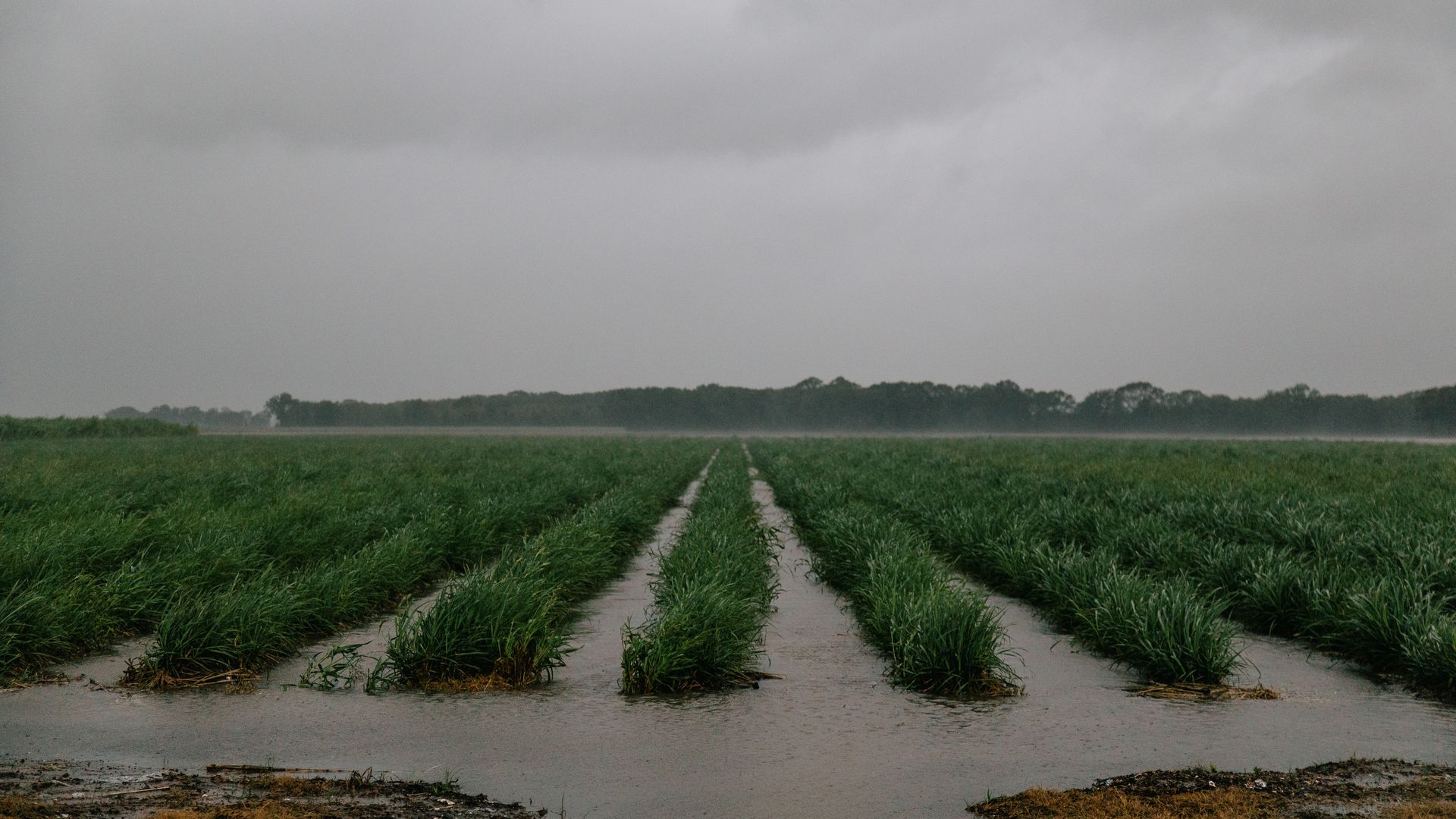
Hurricane Ida caused more than half a billion dollars in damage to Louisiana's agricultural industry, according to estimates released Thursday by Louisiana State University.
The big picture: Ida was a catastrophic event that battered the Mid-Atlantic, Northeast and South last month and is expected to incur an economic toll in the double-digit billions.
Gov. Gavin Newsom signed a $15 billion climate package on Thursday as California wildfires threaten more sequoias at Sequoia National Park.
Why it matters: The package is the largest such investment in California history as drought conditions have worsened across the state and led to numerous wildfires. More than 1.9 million acres have burned across the state this year, according to the California Department of Forestry and Fire Protection, including over 220,000 in the Caldor fire last month.