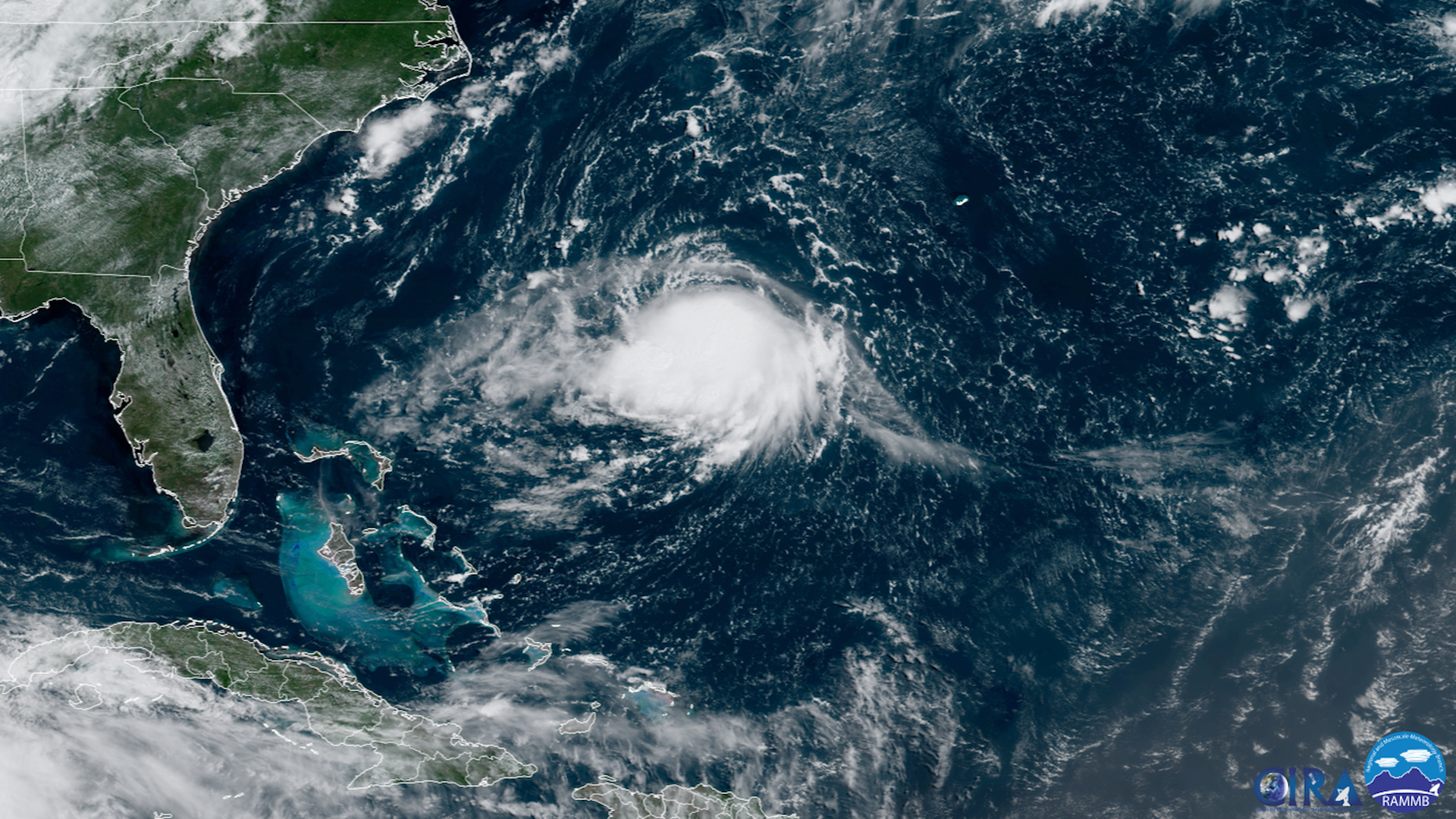
Tropical Storm Henri, currently located about 490 miles southeast of Cape Hatteras, North Carolina, is forecast to intensify into a hurricane Friday and may pass close to or make landfall in southern New England late this weekend.
Why it matters: A slow-moving Category 1 hurricane or strong tropical storm spinning near Cape Cod could pound the region with high surf and coastal flooding in particular, which could be heightened by rising sea levels from long-term climate change.
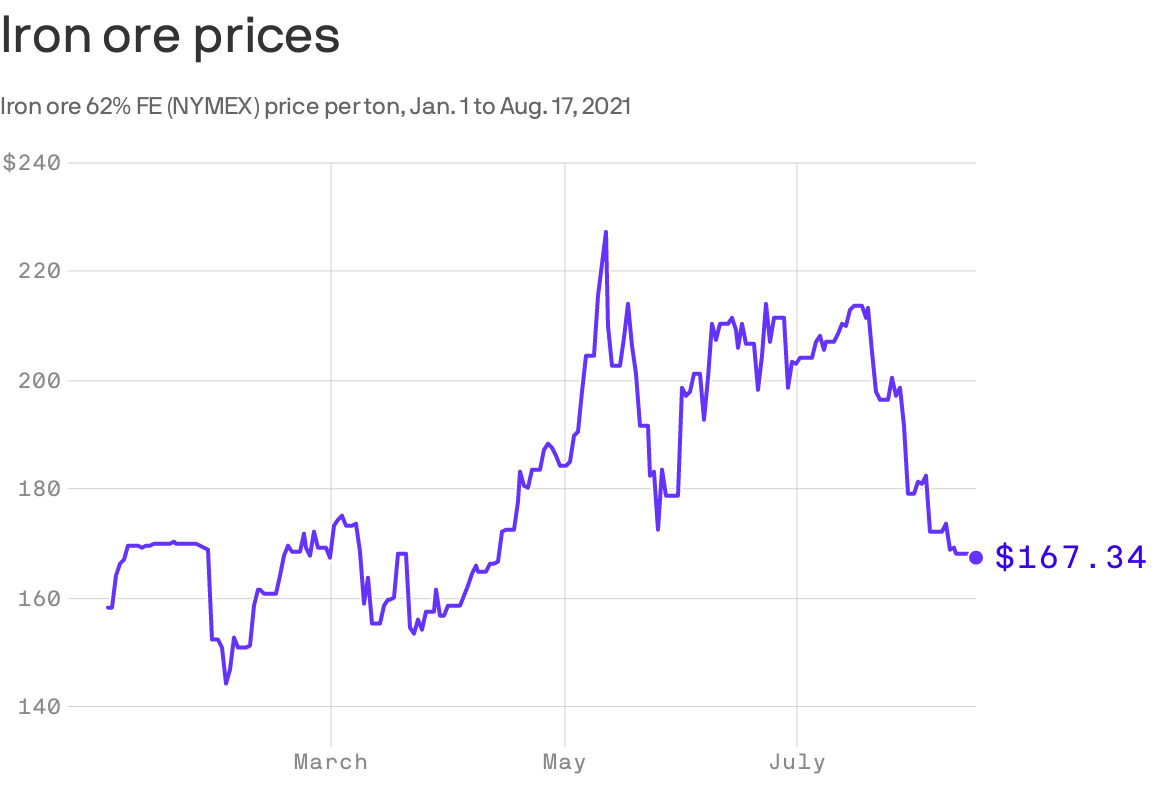
Iron ore priceshave taken a dive over the last month as the largest buyer of the commodity, China, pulls back.
The big picture: Iron ore is a key input in crude steel production. A Beijing directive earlier this year called for lower production in order to curb carbon emissions. The Chinese government also raised export taxes to make it less attractive for steel mills to sell abroad.
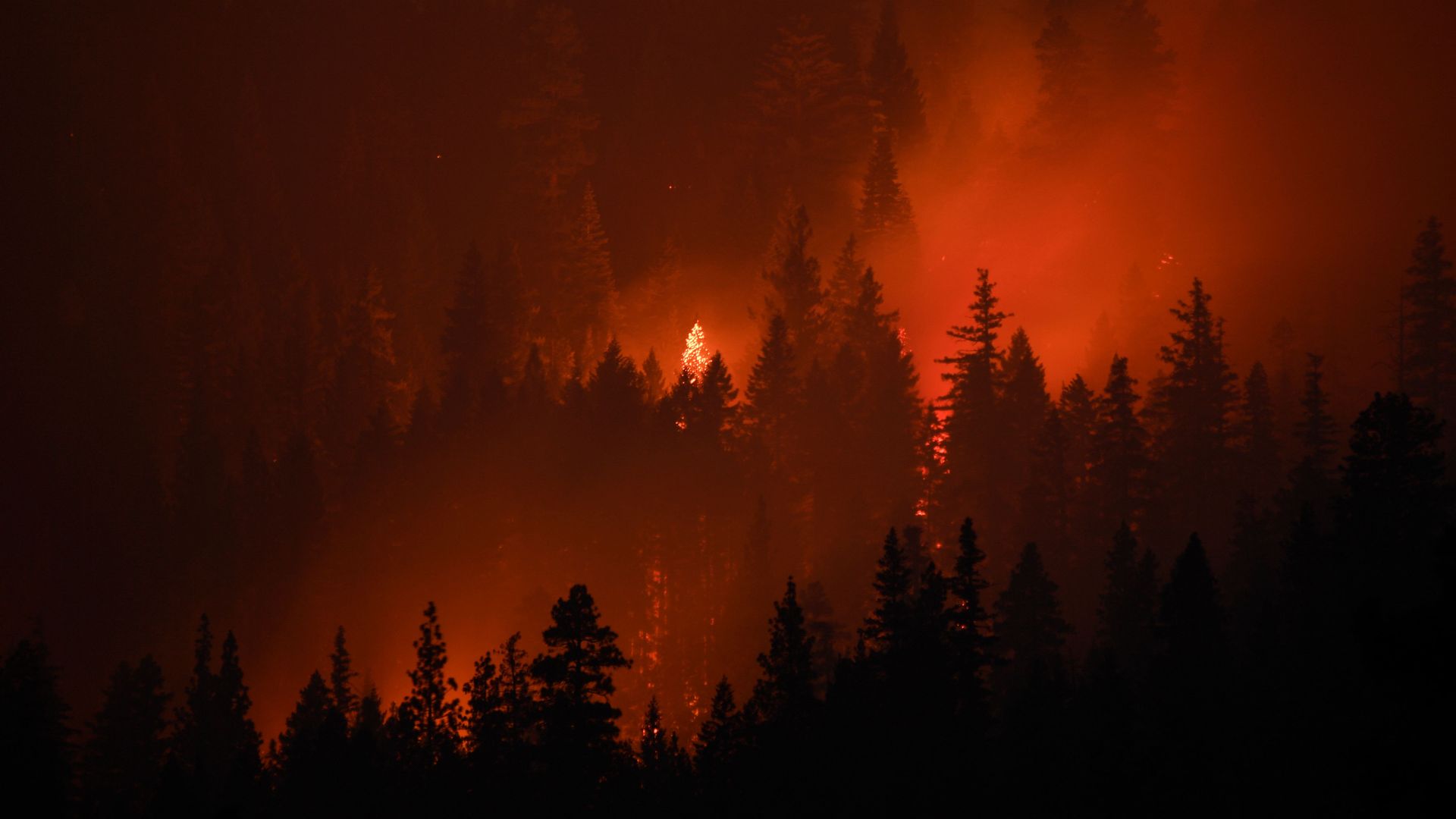
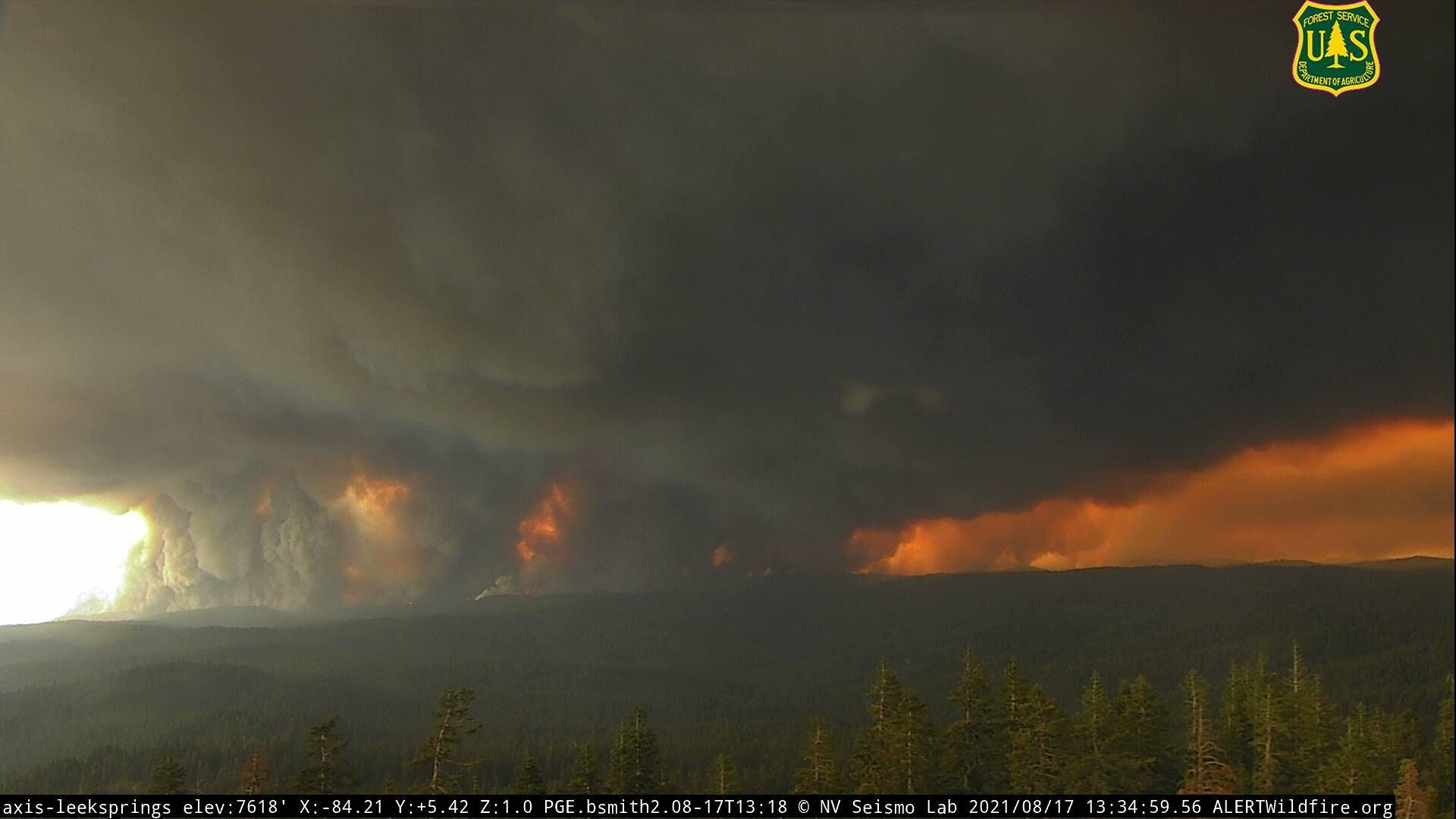
Two massive wildfires were threatening Northern California communities as a smaller blaze tore through a mobile home park amid gusty conditions late Wednesday, with much of the region under red flag warnings.
The latest: Fresh mandatory evacuation orders were issued for Susanville as the historic Dixie Fire closed in on the Lassen County town. Meanwhile, the monster Calder Fire continued to raze structures in the Sierra Nevada — including a church and a school, per the Los Angeles Times.
A federal judge on Wednesday voided the permits for a ConocoPhillips oil project in Alaska's North Slope.
Why it matters: The ruling deals a blow to the Willow oil project, which could produce up to 160,000 barrels of oil per day, after the Trump administration approved drilling for it. The government's support for the project continued into the Biden administration.
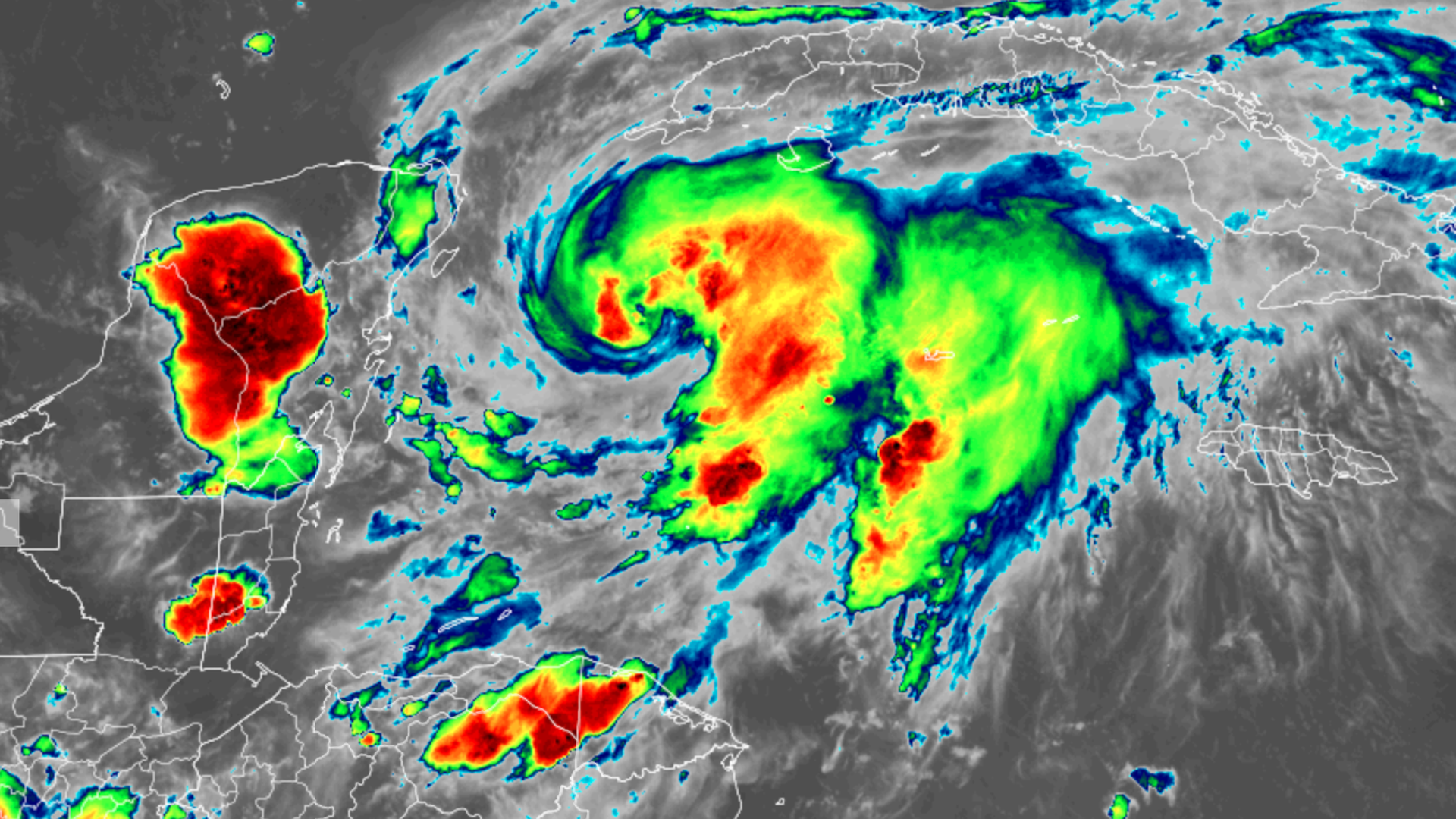
People in Mexico's eastern peninsula and America's northeastern coast should prepare for hazardous weather this week as Hurricane Grace and Tropical Storm Henri come ashore, the National Hurricane Center (NHC) said on Wednesday.
Driving the news: Grace is set to reach Mexico overnight Wednesday, while Henri will reach New England by the end of the week and continue through the weekend. Both are expected to cause dangerous storm surges.
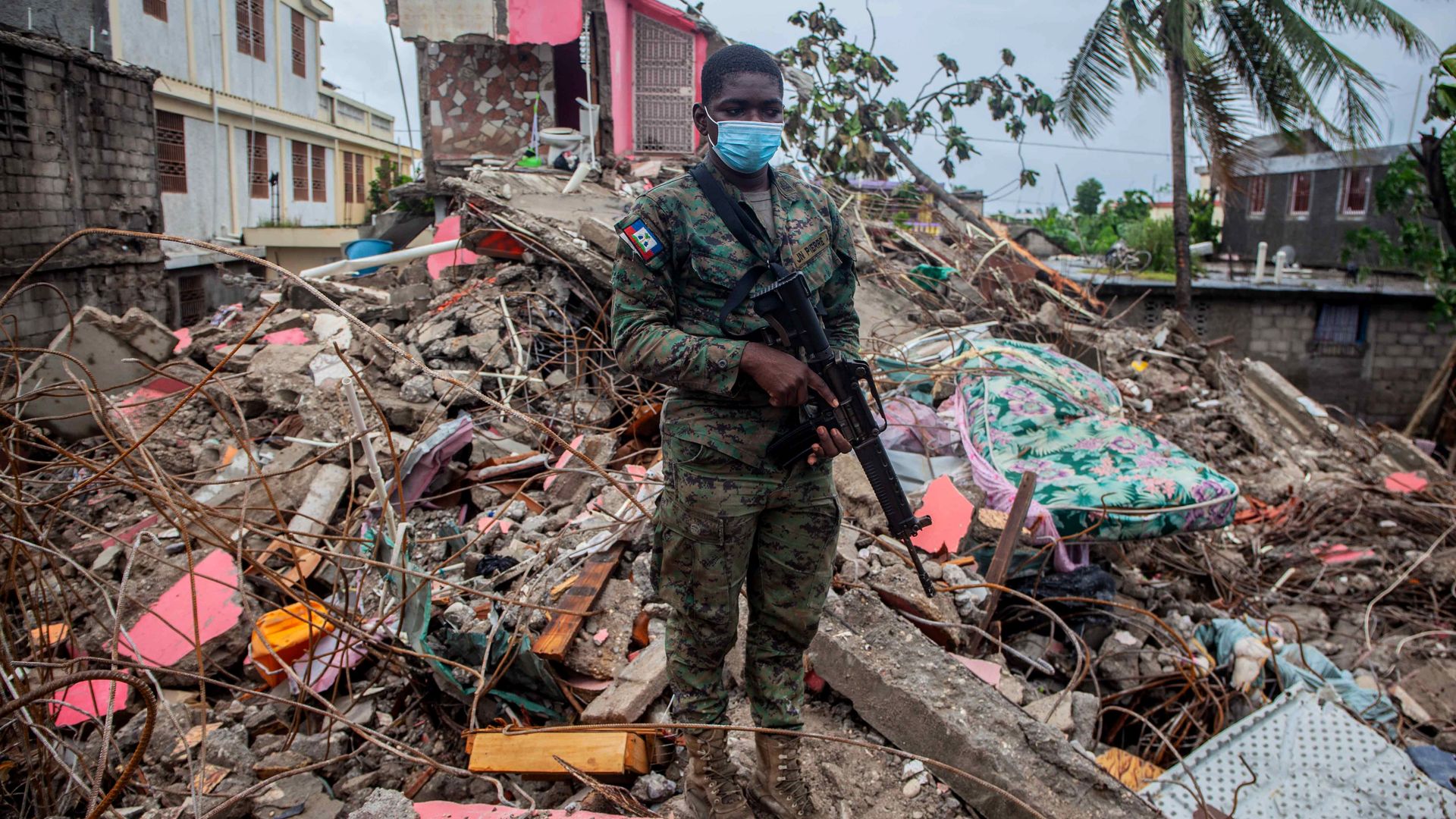
Disasters like the earthquake that struck Haiti on Aug. 14 are caused by nature but exacerbated by human inaction.
Why it matters: Natural disasters will always be with us — and some will be worsened by the effects of human-made climate change — but it's well within our power to keep them from becoming mass killers.
President Biden will nominate Charles F. Sams III to be the next director of the National Park Service, where, if confirmed by the Senate, he'll face the growing toll of global warming on the U.S. iconic park system, the White House stated Wednesday.
Why it matters: Sams is of Native American heritage, and the Park Service has never been led by an enrolled tribal member before. In addition, the Park Service has not had a Senate-confirmed leader since the Obama administration, with four people serving in that role in an acting capacity during the Trump administration.
The Environmental Protection Agency on Wednesday banned the use of the pesticide chlorpyrifos on food crops after it was linked to neurological damage in children.
Why it matters: Children who have chlorpyrifos, one of the most common pesticides, in their blood were reported to have more developmental delays and disorders than those who do not, according to the National Pesticide Information Center.
Environmental Protection Agency administrator Michael Regan visited the Apple headquarters Tuesday for a conversation with former EPA head Lisa Jackson, who now serves as the tech giant's leader on environment, policy and social initiatives.
The big picture: Apple, considered a leader in procuring renewable energy for its stores, data centers and offices, is in the midst of tackling its toughest environmental challenge yet: greening its vast, global supply chain. The company is aiming to have a carbon neutral supply chain by 2030.
The extreme heatwaves that blasted the Pacific Northwest this summer exposed a new reality for hospitals that were overwhelmed by patients with heat-related illnesses.
Why it matters: State and local health departments in Washington and Oregon report those who succumbed to heat-related illness were often older, with pre-existing conditions and had no air conditioning. Many were also socially isolated.
Red flag warnings are in effect over a vast stretch of the West — including California, Nevada and Montana, prompted by strong winds, high temperatures and drought conditions.
The latest: In Northern California, where fuel moisture and flammability are especially conducive to extreme wildfire behavior, the rapidly growing Caldor Fire prompted mandatory evacuation orders to be issued late Tuesday, as it tore through homes in and around the El Dorado County town of Grizzly Flats.